




Strategy
How Social Strategy Consultancy Shareability Convinced Brands to Stop Being the Hero of Their Own Campaigns

What does it take to make branded content that audiences actually want to watch? Jess Noble and Danielle Simmons, Managing Director and Head of Strategy at Shareability, have a deceptively simple answer: stop making the brand the hero.
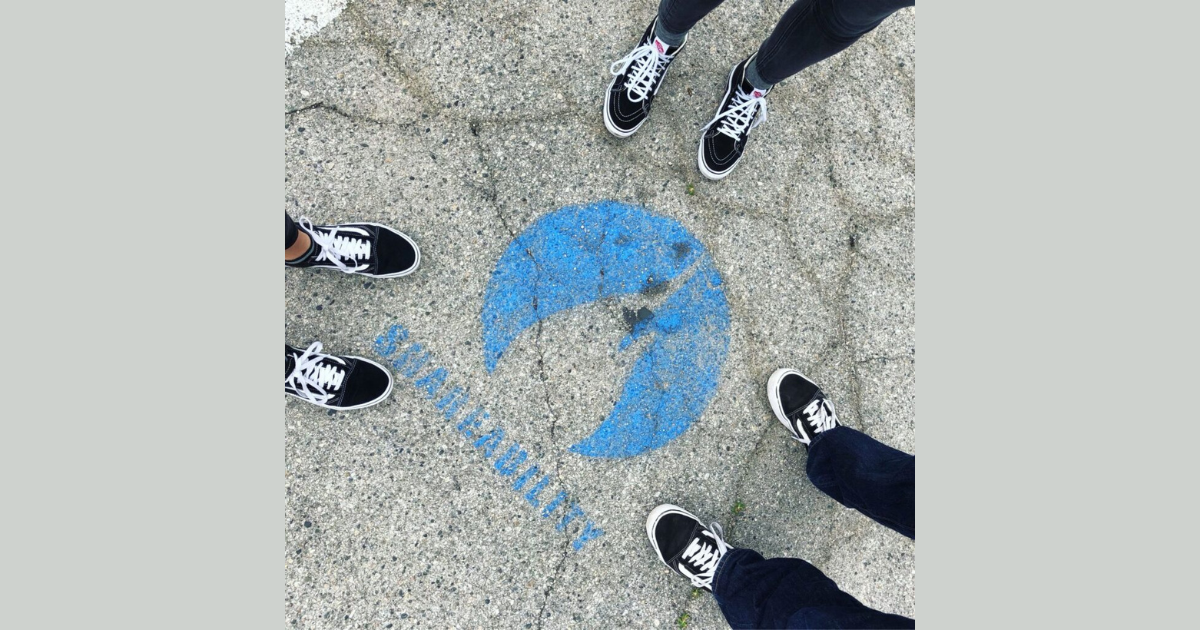
Founded over a decade ago and based in Los Angeles, Shareability positions itself as a strategic consultancy rather than a traditional agency, entering most client relationships at the executive level before a brief is written or a creator is shortlisted. Its roster has included Google, YouTube, AT&T, Intuit, and Adobe, companies that come to Shareability not only for production capacity but for a different way of thinking about social and creator marketing.
“We’re storytellers at our core,” Jess says. “We’ve learned to always bring the brand back to the emotional hook, advocating for storytelling and performance over vanity or flash.”
That orientation, balancing data with instinct and brand identity with audience behavior, defines how Shareability advises clients operating in a Creator Economy that has grown considerably more complex since the firm’s early campaigns on YouTube and Facebook.


The ‘Brand as Platform’ Thesis, Proven Early
Shareability built its model around a reframe it calls “brand as platform,” positioning companies as vehicles for giving audiences what they want, rather than as protagonists delivering a pitch. The logic is straightforward: audiences reward brands that serve them, not ones that interrupt them.
Early proof came through a partnership with John Cena and Cricket Wireless. Rather than centering the campaign on the product, Shareability helped the brand ride Cena’s cultural momentum, generating engagement that a product-first ad could not have reached, according to Jess and Danielle.
“Early hits helped us prove the model of brand as platform versus brand as hero talent,” Jess says.
That distinction remains the backbone of Shareability’s advisory work today. The company’s entry point is typically at executive levels of a client’s marketing organization, beginning with audience insights before moving into strategy and execution.

Where Brands Are Wasting Money Right Now
Despite years of accumulated knowledge about what works in creator marketing, Danielle says a surprising share of brand spend continues to go in the wrong direction.
The most common mistake: chasing names for the sake of names. “We are seeing a lot of brands partner with the same splashy names without a strategic connection to the brand, which might make for a spike in performance, but won’t drive long-tail results,” Danielle says.
The second pattern she flags is imitation. One brand shows up in comment sections or leans into a trending format, and others follow without asking whether the tactic fits their audience or voice.
Danielle’s alternative is precise. Brands should identify up-and-coming creators with genuine influence in their specific category, invest in team members who are, in her phrase, “chronically online,” and continuously study their audience’s behaviors rather than assuming they already understand them.
The diagnostic Jess uses for evaluating whether a campaign is actually working is equally direct. “The bar for branded content is unbranded content,” she says. “If your branded content is garnering similar engagement to organic feed posts in the space, you’ve found alignment with the audience.”

Image: Shareability’s analysis of Doja Cat-related trends
Creators Are Not Billboards
One of the clearest lines Danielle draws is between using creators as media placements and using them as collaborators.
“It’s important to remember that creators are people first, not billboards, despite having powerful roles as advertisers,” she says. “Treating creators like a media buy is a mistake, as the most effective use will look more like a collaboration.”
The practical implication is how brands write briefs. Jess describes a strong brief as one that gives the creator enough context to deliver for the brand while staying flexible enough for the creator to make content that will resonate with their own audience. “Creators know their feeds and audience best,” she says. “Our job is to provide them with the kindling that sparks winning content for the brand.”
This principle also governs when creators are the right channel at all. If the goal is to amplify a specific message with precision, Danielle argues that paid or owned media may offer better control. If the goal is cultural relevance, she adds, creators provide credibility that those formats cannot replicate. The decision should follow the objective, not the trend.
Long-Term Beats One-Off, Every Time
When it comes to campaign structures that consistently perform, Jess believes that “brands that are shifting their mindset from project-based campaigns to longer-term partnerships and programs will reap the benefits.”
She points out that the advantage compounds: sustained relationships allow brands to co-market more naturally, build trust with a creator’s audience over time, and avoid the cold-start problem that comes with every new collaboration.
The condition for making those partnerships work, Jess adds, is clarity on the brand’s own identity. The more precisely a brand understands what it stands for and what it offers in the market, the more cleanly those partnership stories land with audiences.
What Brands Get Wrong About Gen Z
Danielle pushes back on two common misconceptions about marketing to younger audiences. The first is treating Gen Z as a monolith. The second is treating them as so fragmented and niche that no broad message can reach them.
“Gen Z is capricious,” she says, drawing on an observation from Shareability’s SVP of Content, Derek Baynham. “While they’re not homogeneous and shouldn’t be treated as such, they are also more monoculture than previous generations, having grown up on algorithms that define what’s cool for all.”
At the same time, they are the most social-media-savvy generation, which makes authenticity a functional requirement rather than a nice-to-have. “Brands should really be considering how far they lean into using Gen Z lingo and making ASMR videos on social if it’s not authentic to the brand,” Danielle says. Mimicry reads. Alignment holds.
For 2026, her top priority recommendation for CMOs is investment in the humans making real-time content decisions. “Having the right people creating and making decisions on your brand’s behalf for the most consumer-facing marketing channel should be a high-priority investment,” she says, adding that no system or framework compensates for team members who do not understand the platforms they are posting on.
What Comes Next?
Jess is measured about the industry’s trajectory but clear about where she sees it heading. In her view, AI will continue to shape the production and distribution of content, and she is watching the space closely. But the longer-term dynamic she expects is less about technology and more about relationships.
“My gut sees a continuation towards mutually beneficial, longer-term partnerships between creators and brands, and audiences continuing to prioritize entertainment and creativity,” Jess says. “Our innate desires to feel seen and a part of are not going away.”
For Shareability, that is less a prediction than a reaffirmation of what the firm has argued since its earliest campaigns. The brands that will hold audience attention over the next several years will not be the ones with the most aggressive media buys or the fastest response to every trend cycle. They will be the ones who understand who they are and build relationships that reflect it.
“Stay grounded in what resonates about your brand,” Jess says, “and invest in up-front work that enables more strategic decision making.”
Subscribe to Our Newsletter
Check Out Our Podcast