For years, brands have paid external creators to speak on their behalf. A growing number are now turning to a talent pool they already employ.
Employee-generated content (EGC) is content created and shared by employees rather than a brand’s official accounts. A 2026 DSMN8 report on employee advocacy, drawing on roughly 200 programs, found that 68% of advocates now share content at least three times per week, up 13 percentage points year over year.
Two announcements this summer crystallized that trajectory. In June, Starbucks unveiled a TikTok Creator Network pilot, making it the first brand to test the newly introduced feature, with ad revenue sharing for select barista creators. Lowe’s opened a product development pipeline to creators through its “Into the Blue” program, extending a Creator Network that enrolled 17,000 participants during beta testing.
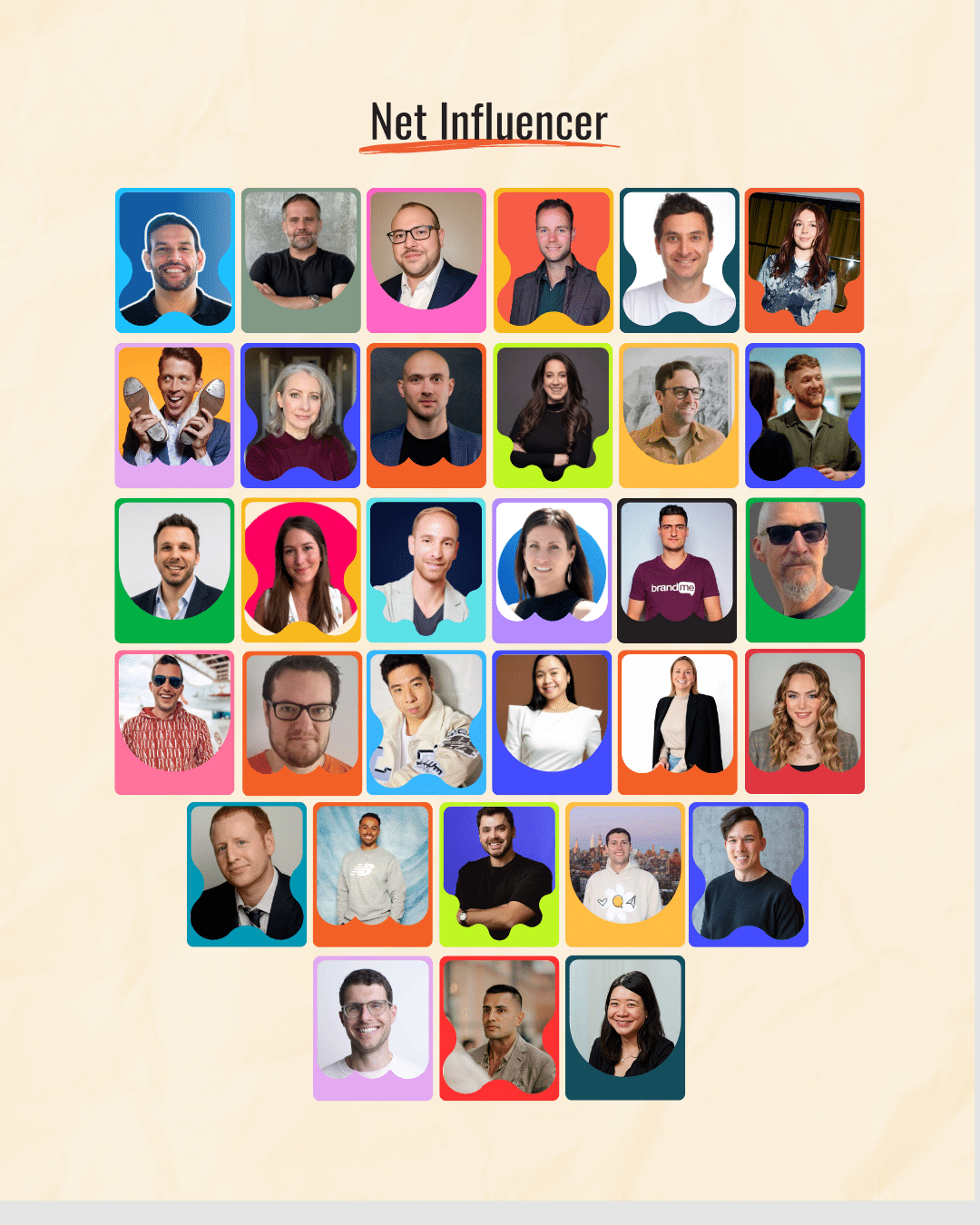
Together, these moves sharpened a question the industry has long circled: should brands be building creator programs from their own employees and customers, and what are the real risks and payoffs of that model? We put the question to 32 practitioners and executives.
Yes, but the biggest missed opportunity isn’t a traditional “creator program” because, paradoxically, content itself isn’t the engine: transforming customers into instant distribution nodes and ambassadors without asking them to create content.
The friction in most customer programs is the ask: make a video, post it, tag the brand, and maybe get featured or a discount. Most customers won’t. Skip the extra steps and automate the reward loop workflow. Allow customers to instantly generate a personal, trackable link that applies a discount automatically at checkout. No affiliate form sign-up, no approvals. Customers share it directly with family and friends via iMessage, text, WhatsApp, DMs (dark social). Every attributed purchase earns them a discount or in-store credit. Top performers get invited to the traditional affiliate tier with cash commissions.
Direct referrals convert around 4x better than average, and CAC would be considerably lower than in most creator programs because nothing beats the trust of someone you actually know, especially as trust in influencer recommendations keeps decreasing.
This isn’t a content play. It’s a distribution play that leverages the most trusted channel. Brands chasing “customer creators” should ask who’s already recommending them for free, and make it effortless to reward them.
The payoff is real. A barista with a following is distribution the brand never rents again, and owned distribution is the most expensive thing in marketing to replace. The risk is who owns it when it works. Audiences attach to people, never to payrolls. So the employee who builds a real following just became a media company inside the org chart, and the day she leaves, the distribution walks out with her. Trained at the brand’s expense. Probably headed to a competitor. The model’s worth running, price it honestly going in: this is renting reach from your own people, and the rent repriced the moment she got big. The sustainable programs will answer the ownership question before the first video.
Done right this is a great idea. At a large retail or CPG brand, employees are a creative testing pool you cannot buy. They often look more like the actual customer than the marketing department does, they know the product cold, and there are a lot of them.
Conventional creative testing is slow, expensive, and happens before anything is in market. This inverts it. Hundreds of employees produce thousands of variants, the organic feed sorts them for free, and you only spend media behind what already is holding attention while understanding which creative attributes drove them so the learning transfers to everything else you make.
One more thing brands should plan for. Most of these employees are producers who post for fun and have no interest in building influence. A small number could become real spokespeople. Those are different people who need different incentives.
Get it right and this is not an influencer program, it is an R&D function.
Employees and customers are the most credible creators a brand has, because they’re not performing authenticity, they already have it. A barista showing you the actual drink beats a paid influencer every time on trust. Starbucks sharing ad revenue with baristas is smart because it aligns incentives instead of extracting free content.
That’s the payoff. Here’s the risk almost nobody prices in: the moment you turn an employee into a creator, you’ve created a new class of person whose personal brand can outgrow your control. What happens when your best barista-creator gets 2M followers and a competitor offers them a deal? What happens when they post something off-brand, or unionize on camera, or leave and take the audience with them? You built the audience on your dime and now it walks out the door.
The brands that win this treat it like a real creator program, not a free content hack. Revenue share, clear usage terms, a path that grows with the employee. The ones that fail treat their own people as unpaid distribution and act surprised when it backfires.
The rule: if you want employees to create like owners, you have to let them share in the upside like owners.
The next successful creator cohort is already on your payroll.
Starbucks is piloting a TikTok creator network for its baristas, with ad-revenue sharing. Lowe’s just opened a product development pipeline to creators. More brands are realizing the most credible voices they could ever build aren’t influencers … they’re employees.
This isn’t surprising to me. I spent 4+ years at LinkedIn watching corporate pages underperform personal profiles by almost every metric that matters. The pattern was always the same: a company would spend months crafting the perfect brand post, and then an employee would write something honest about their actual day and outperform it 10x.
The reason is simple. People trust people. A barista talking about how they actually make a drink is more compelling than a Starbucks brand account posting the same thing with better production value. A Lowe’s associate explaining which drill they’d actually buy beats any product page.
This is essentially the same thesis behind founder-led content, just scaled across an organization. The people closest to the work are the most credible voices. I see this every day at Shake. The founders who perform best on LinkedIn aren’t the ones with the most polished messaging. They’re the ones who sound like themselves talking about what they actually know.
The biggest risk isn’t whether employees can create. They can. The risk is what happens when brands try to “manage” authentic voices. Because the moment you hand someone a content brief, an approval workflow, and a set of brand guidelines, you’ve turned an authentic creator into a corporate content machine with extra steps. And audiences can smell that immediately.
The companies that will win this are the ones willing to do something uncomfortable: give their people a platform and then get out of the way. Set the guardrails, yes. But don’t script the voice. The whole point is that it doesn’t sound like marketing. If your employee content sounds like it was approved by three people before it went live, it was. And your audience already knows.
The biggest payoff for brands building creator programs from their own employees is distribution. Instead of relying on one brand account to reach an audience, you’re creating a network of people who each become a different entry point into the brand. It reflects a broader shift in how brands should think about media: the opportunity isn’t always to build the biggest possible audience around one central channel, but to build networks of people who can carry the brand into different communities and conversations.
The risk is assuming employees should simply become another version of a traditional influencer. They play different roles. Influencers are incredibly effective at creating desire, introducing brands to new audiences and providing product proof; employees can give audiences access to the people, expertise and processes behind a brand. The strongest programs will recognize that distinction rather than applying an existing influencer playbook to a completely different type of creator.
Two things are happening here, and they’re different: authenticity and proximity.
Authenticity is the obvious one. Faceless brand content has a ceiling. The same idea coming from a local barista or a floor associate lands completely differently. It feels real because it is real, and consumers clock the difference instantly, and reward it with their views, likes and engagement on social.
Proximity is the one brands underrate. The winning brands on social are using social as the brief, they are close to their consumer on social, letting the feed tell them what to make. Employees are already living there. They’re in the comments, they’re part of the community, they’re catching the conversation in real time. So the employee isn’t just executing the brief, they’re generating it. You can’t outsource that.
The bigger shift is that brands are realizing their best creators may already be on payroll. The hard part isn’t finding those voices. It’s building a culture where people feel safe (and rewarded) using them.
I think this is smart, but only if brands go in with eyes open. The payoff is authenticity you can’t fake. Employees and customers already know your product better than any external creator ever could, and audiences can tell the difference between someone paid to promote versus someone who’s actually lived it. Turning that built-in trust into a distribution channel is a real advantage. But the risk is real too. The second it feels like a mandatory job requirement instead of an opportunity, you lose the exact authenticity that made it valuable in the first place. And there’s a structural question brands need to answer honestly: are you compensating these people like creators, with real revenue share, or are you just getting free marketing out of people who already depend on you for a paycheck? That power imbalance is very different from a typical creator partnership. The brands that get this right will treat employees and customers as an actual creator tier, with real incentives and real ownership. The ones that get it wrong will just call it “culture” and hope nobody notices it’s unpaid labor.
The biggest payoff is obvious: brands can start becoming media companies with their own production resources and, more importantly, their own local stars.
An employee already knows the brand from the inside. They understand its products, culture, customers and quirks in a way an external creator never fully can. If a brand can nurture that talent, it gets authentic content and a creator who already has a history of trust with the company.
But that’s also the biggest risk.
What happens when that employee becomes genuinely successful? If the creator builds a large audience, their value is no longer just their salary. Their audience follows the human, not the payroll.
We’re going to see much more sophisticated contracts around this: revenue sharing, IP ownership, incentives and long-term partnerships. Simply saying “we pay you a salary, so you create for us” probably won’t be enough.
Because ultimately, audiences don’t subscribe to brands. They subscribe to people they trust.
Michael Jordan is a good example. Nike benefited enormously from the relationship, but Jordan’s personal brand eventually became much bigger than just the shoes.
The real challenge for brands will be: how do you grow creators without making them feel owned?
Employees are influencers in their own right. They offer something traditional brand content often cannot: genuine proximity to the product, culture and customer experience.
Kaeden Rowland, known as StaplesBaddie on TikTok, is a strong example. Her content gives audiences a look “under the hood” at how the brand operates, while turning everyday employee knowledge into entertainment, advocacy and community. That credibility is difficult to replicate through a polished brand channel or an outside creator partnership.
Brands should identify and invest in employees who are already building an audience, whether through compensation, resources, access or formal opportunities to collaborate. The goal should be to uplevel what is already resonating without stripping away the personality that made it work.
At the same time, brands need clear guardrails. Paying select employees to promote the company can blur the line between their job responsibilities and creator work, while also creating questions around disclosure, compensation and fairness among employees. A strong policy should define participation, ownership, expectations and boundaries upfront.
Done well, employee creators can become some of a brand’s most credible advocates.
A brand’s employees and customers already hold the earned relationships millions have been spent trying to manufacture. A barista who loves the job is just as convincing as a hired creator. Starbucks and Lowe’s are formalizing behavior that was already happening in the background.
But that payoff only shows up if brands don’t treat it as free content. The fastest way to kill an employee creator program is to run it like a hack. This means real briefs, real rights language, real compensation, and a career trajectory that survives their tenure. HR, compliance, and legal have to be involved from the outset. Get it wrong and you get burnout, disputes, and risk a workforce that feels used.
This isn’t a content farm. The brands that will win need to treat those they choose like a talent roster. It should be opt-in and tied to tenure, meritocracy, and performance, like any job. Starbucks putting ad revenue in baristas’ pockets and Lowe’s opening product development to creators show they understand the difference. The next wave is already on the payroll. Time to build the mechanism to elevate them.
Employee-generated content is having its moment and rightly so. Consumers do not bond with a logo, they bond with a personality and that feeling transfers into brand association. Psychologists call it evaluative conditioning: pair a face with a name often enough and warmth transfers. That’s why a barista, bartender or founder is worth more than any brand carousel.
Although all of a sudden businesses are asking someone to do a job they didn’t apply for, making coffee and performing on camera are two separate skill sets. Some people will love it, some will feel like they can’t say no as soon as a payslip is attached, which is bigger than a marketing problem.
The biggest risk I see lies with smaller operations only having one or two faces of the company – the positive associations built exit when the employee leaves, they call that the “Top Gear” effect.
Yes – but only if brands treat employees and customers as creators, not as free media inventory. The biggest payoff is access to voices that already understand the product, culture and customer experience. That can create more credible, always-on content than a campaign built entirely around a polished corporate message. It also gives brands a pipeline of talent and insight that can extend beyond content into product development, community and commerce.
The biggest risk is confusing proximity to the brand with permission to control the person. For employees in particular, a “voluntary” program can quickly become unspoken pressure to share their image, workplace or personal audience in order to appear engaged. And when brands over-script these creators, they remove the personality that made the model valuable in the first place.
The right structure is opt-in, fairly compensated and transparent about usage, ownership and expectations. Brands should provide guardrails, not scripts. Done well, these programs can turn employees and customers into genuine collaborators. Done poorly, they become traditional advertising wearing the face of someone who had less power to say no.
Absolutely, and honestly, brands that aren’t already doing this are leaving trust on the table. Employees and customers are already talking about your brand; the only question is whether you’re giving them a reason to talk more and better. Audiences can tell the difference between someone who’s paid to care and someone who actually works there or actually buys the product. That said, it’s not a replacement for creator partnerships; it’s a complement. The mistake brands make is treating internal creator programs as a cheaper version of Influencer Marketing. It’s not cheaper; it just requires a different kind of investment: training, content guidelines, and giving people actual creative freedom instead of a script.
Employee-generated content can be highly valuable for brands but it’s a much larger lift than many think. You have to be prepared to dedicate real dollars and resources to not only getting it off the ground but sustaining it over a long period of time before you see real impact. It’s not as simple as inviting your employees into your creator programs, an entire workflow has to be built to take into account all of the business affairs items that come about like when they are allowed to create content, who can appear in that content, how the company’s assets are portrayed, etc.
Brands should absolutely be looking at their own employees and customers as creators, but only when there’s a genuine win-win-win for the person, the brand and the audience. I’ve seen fashion companies successfully encourage sales associates to post on social. It makes sense. They know the products, interact with customers every day and can often speak about the brand more naturally than someone hired for a one-off campaign. I’d ensure participation is truly opt-in and if creating content is above and beyond someone’s existing responsibilities, there should be a commercial exchange. That could be bonuses, affiliate commissions, revenue sharing or another incentive that reflects the value being created.
That said, the same controls that apply to external creators still matter: brand safety, disclosure, accurate product information and clear guidelines. Employees and customers can be an incredibly valuable creator pool, but they aren’t a shortcut to scale.
Yes, absolutely – but brands need to understand that employees and customers shouldn’t become “influencers” just because they’re available. The real opportunity is turning the people who already know and genuinely use the brand into credible creators.
After more than 15 years working in Influencer Marketing, I’ve learned that authenticity is very difficult to manufacture. An employee can sometimes explain a product, culture, or customer experience better than a paid creator because they actually live it every day.
We see this as an expansion of the Creator Economy: the next great brand ambassador might already be inside your company or among your most loyal customers.
The biggest payoff is trust, but the biggest risk is control. Brands can’t treat employees like scripted advertising channels. Programs need clear compensation, usage rights, disclosure rules, and – most importantly – creative freedom.
The brands that get this right won’t just build employee creator programs. They’ll build communities where employees, customers, and professional creators can coexist and tell different parts of the same brand story.
I do love a good old-fashioned “what’s old is new again”. Southwest Airlines propelled themselves to internet fame in the 2010s when social media and influencers were just emerging. Propelling Southwest to both internet fame, as well as becoming a travel darling. After the acquisition and collapse of Machinima and Maker Studios (to WB and Disney), corporate legal tied up employees so tightly with disclaimers that it all but disappeared.
I’m glad to see it returning. Employees are a company’s most valuable asset, and working with those who love their brands that they work for, and have the personality to be in front of the camera is a win-win for both. We’ve learned to work “with” our staff, to enable them, to guide them and empower them to do amazing things. The focus has to be on collaborative processes between the employee, HR, Marketing and Legal so that there are agreed-upon rules. You see this right now with the U.S. Army (@sgtknucklehead) and Marine Corps (kagan.dunlap), who heavily rely on influencers within their ranks to help with recruiting. As with all things dealing with humans, communicate with your people and be clear, and supportive for great success.
I think brands are massively underestimating this.
The next generation of creator programs won’t just be built around influencers a brand rents for a campaign. They’ll be built around people who already have a reason to care about the company, employees, customers, partners and superfans.
We’ve helped clients build versions of these programs, and the advantage is obvious: you’re not starting from zero. These people already know the product, understand the culture and can talk about it in a way that feels natural.
But brands will screw it up if they treat these people like another advertising channel.
Give an employee a 12-page brief, six rounds of approvals and a list of words they’re not allowed to say, and congratulations, you’ve turned your most authentic creator into corporate communications.
The brands that win will identify the people already creating, give them money, access, product and distribution, and then let them actually be creators.
My prediction: within a few years, having an internal creator network will be as normal for a major consumer brand as having a social media team is today.
I think this is really clever, but it has to be carried out meticulously by specialist teams. Having existing PR or marketing teams run this campaign will instantly lead to disaster; it has to be headed up by a particular specialist in Influencer Marketing.
I do think that, if done correctly, the point of view of employees can be extremely beneficial for everyone involved, including the employee. With the right reward system, you can really develop internal strategies to benefit every person involved.
As long as it doesn’t get in the way of customer service, then I think they’re potentially onto something pretty significant.
One of the worst things you’ll see instantly will be customers going into Starbucks to get a drink and some Gen Z employee making a TikTok and ignoring the customer. That is instantly going to lead to huge negative feedback, and I can see that happening very quickly.
I think employee-generated content and founder-led content are going to become a much bigger part of how brands communicate.
Employees already know the company better than almost anyone you could hire externally. They understand the product, the customers, the culture, the mission, what people inside the company actually care about, and what makes the business different. That gives them a much better starting point for content than handing a brief to someone who is learning the company for the first time.
The same applies to founders. People want to understand who is behind the company, why they built it, and how they think.
The risk is when companies try to control the content too much. If every employee post has to sound like approved brand copy, there is very little reason to have employees creating in the first place.
The companies that do this well will give employees clear guardrails, then let them speak in their own voice.
My short answer is yes, but brands must build these programs around choice, not obligation.
After years of growing a community of thousands of creators, I’ve learned that the most powerful content comes from people with genuine proximity to the story. Employees and customers understand a brand in ways a brief cannot replicate. That lived experience can create extraordinary trust and advocacy, especially if these people can speak very authentically.
The biggest risk I think is treating participation as another job requirement or controlling every word. Participation must remain voluntary, properly supported, and fairly rewarded. Empower their voices; do not manufacture them. That is how employees and customers become credible brand storytellers.
Employees are some of the most authentic creators a brand has. They know the product inside and out, and when they genuinely love where they work, that shows up in the content. Audiences can tell the difference between a paid ad and someone who actually believes in what they’re selling. So, when an employee is creating authentic content about a brand, it’ll connect with their audience and generally have a higher engagement rate than sponsored posts.
At Later, we have team members who are creators in their own right, and we love it. We’re in a category people are genuinely excited about, so our team weaves Later into their content organically. We don’t have to ask.
The risk is real, though. Once an employee becomes a de facto spokesperson, their personal controversies become your brand’s controversies. Companies need to think through that exposure before they scale the program, not after.
Net-net: employee-creator programs are one of the most effective ways to build authentic reach and deepen trust with your existing audience. The upside outweighs the risk, but only if you go in with eyes open.
We love seeing brands give more people the opportunity to create content, and I think employee and customer creator programs have a lot of potential. From a campaign perspective, though, the biggest risk is credibility. Employees are on the brand’s payroll, which can naturally influence what they create and how openly they can share their opinions. Even when the content is completely genuine, audiences may question how much freedom that person really has to be critical or share an opposing perspective. That distinction is part of what made the Creator Economy so powerful in the first place. Creators brought a level of authenticity that felt separate from traditional brand messaging. If brands can navigate the employee-customer relationship while preserving creators’ authentic voices and giving them meaningful creative freedom, there’s a huge opportunity. But if content starts to feel scripted, forced, or overly controlled, brands risk losing the very authenticity that makes creator content so effective.
Whether or not to turn employees and/or customers into celebrities has been a philosophical debate for many years and has strong roots into the reality TV ecosystem. From early shows like Sunset Tan onward to more recent series like Southern Hospitality, Vanderpump Rules, and beyond, the concept of the staff/employees becoming “the talent” isn’t new, nor are the risks associated with it. Once the employees gain the leverage that superstardom offers, there is often a substantial shift in the leverage and power dynamic that employers aren’t prepared for. Fame brings perks and opportunities that can make an hourly job – or at least following the typical rules of the hourly job – less important to the employee. There are also risks associated with the public connection between a brand and any one employee or customer of the brand since that can be trickier to control. For example, Subway went all in on “Jared” [Fogle] and made him their most famous customer and a celebrity in his own right … and we all saw how that ended. Before a brand turns their employees and/or customers into stars, they need to be fully prepared for the associated (and very real) risks.
The biggest opportunity in employee-generated content is making the job inspectable on TikTok and social before someone ever applies. Employees can show what a careers page can only claim. Manage them too tightly, and that proof turns back into advertising.
I think brands should absolutely consider building creator programs around their own employees and customers, but only if they’re willing to give them the freedom to actually be creators. The biggest payoff is authenticity. That’s why the streaming world continues to grow year over year: audiences are increasingly finding platforms like Instagram and TikTok too polished and engineered, while livestreaming offers a more authentic, unfiltered version of social. Livestreaming gives creators hours, rather than seconds, to show their personalities and interact with their communities in real time, creating more opportunities to build genuine connections.
That same principle should apply to employee and customer creators. The risk is over-engineering it. If brands give people scripts, dictate every talking point, or treat them like another advertising channel, they lose the authenticity that made those voices valuable in the first place.
As brands build these programs, livestreaming should increasingly be part of the conversation alongside traditional social content. Whether it’s employees, customers, or established creators, the strongest communities are built when audiences feel like they’re interacting with a real person rather than a piece of branded content.
Brands building these programs demonstrates a shift in marketing strategy, stemming from a need to ditch the current options that create more noise rather than help break through it. Leveraging employees and customers is a clear indicator that brands are rethinking what messages are most important and who is best positioned to deliver them. The biggest payoff of that is the authentic social proof that stems from employees’ and customers’ firsthand experience using or building a product, giving them a level of credibility that traditional creator strategies often can’t replicate. However, the risk comes from distribution: these employees and customers likely don’t have the built-in audiences needed to get that content in front of the right people, so to make the model work, brands will need to get strategic about how they amplify and distribute those voices.
Every brand should invest in helping their employees become storytellers. At the foundation of every marketing channel is trust, and while brands can build trust through campaigns and community, there’s something uniquely powerful about hearing a company’s story from the people who actually work there.
An influencer campaign might generate a million impressions for $100,000. But an employee sharing a relatable, human story can reach their own network in a way that feels inherently more credible, and that story can then be amplified far beyond them.
I think we’re witnessing the emergence of an entirely new marketing channel: employee-led influence. The companies that embrace it early and empower their workforce to tell authentic versions of their stories are going to see disproportionate returns.
Although it should never be required, employees are the best built-in creators you can have. Authentic, personal stories are one of the most important parts of the buyer’s journey and enable consumers to connect with your brand on a personal level.
For a big launch, there is nothing better than hearing the story from so many angles – brand, marketing, product, you name it, everyone at your company had a unique journey, and each one will resonate with different audiences.
Oura and Caraway absolutely NAILED this strategy recently.
Yes, and brands should be doing this. Employees and customers already talk about your brand for free – the real question is whether you give them a reason to do it well instead of badly. The upside is trust: content from someone who actually works there, or actually bought the product, feels real in a way no paid creator can fake, no matter how polished the script is.
The risk is control. Once employees start posting as themselves, you can’t fully script the story anymore, and a brand that can’t handle that shouldn’t start the program. The ones who win here will treat it as a culture shift, not a content hack.
Brands should absolutely explore bringing employees into their content strategy. It’s an extension of why UGC works so well. People want to hear from real people with real experiences with a brand.
That authenticity matters even more with younger consumers. They want to know what a brand actually stands for and whether those values align with their own. Employees can show that in a way traditional branded content can’t.
The risk is over-engineering it. Add too many scripts and talking points, and you lose what made the content valuable in the first place. The goal isn’t to turn employees into influencers. It’s to give consumers a real look at the brand through the people who know it best.
Dragomir is a Serbian freelance blog writer and translator. He is passionate about covering insightful stories and exploring topics such as influencer marketing, the creator economy, technology, business, and cyber fraud.










For years, brands have paid external creators to speak on their behalf. A growing number are now turning to a talent pool they already employ.
Employee-generated content (EGC) is content created and shared by employees rather than a brand’s official accounts. A 2026 DSMN8 report on employee advocacy, drawing on roughly 200 programs, found that 68% of advocates now share content at least three times per week, up 13 percentage points year over year.
Two announcements this summer crystallized that trajectory. In June, Starbucks unveiled a TikTok Creator Network pilot, making it the first brand to test the newly introduced feature, with ad revenue sharing for select barista creators. Lowe’s opened a product development pipeline to creators through its “Into the Blue” program, extending a Creator Network that enrolled 17,000 participants during beta testing.
Together, these moves sharpened a question the industry has long circled: should brands be building creator programs from their own employees and customers, and what are the real risks and payoffs of that model? We put the question to 32 practitioners and executives.
Daniel Caldas, Founder, Caldas Ecom
Yes, but the biggest missed opportunity isn’t a traditional “creator program” because, paradoxically, content itself isn’t the engine: transforming customers into instant distribution nodes and ambassadors without asking them to create content.
The friction in most customer programs is the ask: make a video, post it, tag the brand, and maybe get featured or a discount. Most customers won’t. Skip the extra steps and automate the reward loop workflow. Allow customers to instantly generate a personal, trackable link that applies a discount automatically at checkout. No affiliate form sign-up, no approvals. Customers share it directly with family and friends via iMessage, text, WhatsApp, DMs (dark social). Every attributed purchase earns them a discount or in-store credit. Top performers get invited to the traditional affiliate tier with cash commissions.
Direct referrals convert around 4x better than average, and CAC would be considerably lower than in most creator programs because nothing beats the trust of someone you actually know, especially as trust in influencer recommendations keeps decreasing.
This isn’t a content play. It’s a distribution play that leverages the most trusted channel. Brands chasing “customer creators” should ask who’s already recommending them for free, and make it effortless to reward them.
Josh Stein, CEO, Attention Capital
The payoff is real. A barista with a following is distribution the brand never rents again, and owned distribution is the most expensive thing in marketing to replace. The risk is who owns it when it works. Audiences attach to people, never to payrolls. So the employee who builds a real following just became a media company inside the org chart, and the day she leaves, the distribution walks out with her. Trained at the brand’s expense. Probably headed to a competitor. The model’s worth running, price it honestly going in: this is renting reach from your own people, and the rent repriced the moment she got big. The sustainable programs will answer the ownership question before the first video.
Nick Cicero, Founder & CEO, Mondo Metrics
Done right this is a great idea. At a large retail or CPG brand, employees are a creative testing pool you cannot buy. They often look more like the actual customer than the marketing department does, they know the product cold, and there are a lot of them.
Conventional creative testing is slow, expensive, and happens before anything is in market. This inverts it. Hundreds of employees produce thousands of variants, the organic feed sorts them for free, and you only spend media behind what already is holding attention while understanding which creative attributes drove them so the learning transfers to everything else you make.
One more thing brands should plan for. Most of these employees are producers who post for fun and have no interest in building influence. A small number could become real spokespeople. Those are different people who need different incentives.
Get it right and this is not an influencer program, it is an R&D function.
Tobias Hoss, Co-Founder & Senior Advisor, 30 Dishes
Yes, but most brands will build it wrong.
Employees and customers are the most credible creators a brand has, because they’re not performing authenticity, they already have it. A barista showing you the actual drink beats a paid influencer every time on trust. Starbucks sharing ad revenue with baristas is smart because it aligns incentives instead of extracting free content.
That’s the payoff. Here’s the risk almost nobody prices in: the moment you turn an employee into a creator, you’ve created a new class of person whose personal brand can outgrow your control. What happens when your best barista-creator gets 2M followers and a competitor offers them a deal? What happens when they post something off-brand, or unionize on camera, or leave and take the audience with them? You built the audience on your dime and now it walks out the door.
The brands that win this treat it like a real creator program, not a free content hack. Revenue share, clear usage terms, a path that grows with the employee. The ones that fail treat their own people as unpaid distribution and act surprised when it backfires.
The rule: if you want employees to create like owners, you have to let them share in the upside like owners.
Dani Markovits, CCO, Shake Content
The next successful creator cohort is already on your payroll.
Starbucks is piloting a TikTok creator network for its baristas, with ad-revenue sharing. Lowe’s just opened a product development pipeline to creators. More brands are realizing the most credible voices they could ever build aren’t influencers … they’re employees.
This isn’t surprising to me. I spent 4+ years at LinkedIn watching corporate pages underperform personal profiles by almost every metric that matters. The pattern was always the same: a company would spend months crafting the perfect brand post, and then an employee would write something honest about their actual day and outperform it 10x.
The reason is simple. People trust people. A barista talking about how they actually make a drink is more compelling than a Starbucks brand account posting the same thing with better production value. A Lowe’s associate explaining which drill they’d actually buy beats any product page.
This is essentially the same thesis behind founder-led content, just scaled across an organization. The people closest to the work are the most credible voices. I see this every day at Shake. The founders who perform best on LinkedIn aren’t the ones with the most polished messaging. They’re the ones who sound like themselves talking about what they actually know.
The biggest risk isn’t whether employees can create. They can. The risk is what happens when brands try to “manage” authentic voices. Because the moment you hand someone a content brief, an approval workflow, and a set of brand guidelines, you’ve turned an authentic creator into a corporate content machine with extra steps. And audiences can smell that immediately.
The companies that will win this are the ones willing to do something uncomfortable: give their people a platform and then get out of the way. Set the guardrails, yes. But don’t script the voice. The whole point is that it doesn’t sound like marketing. If your employee content sounds like it was approved by three people before it went live, it was. And your audience already knows.
Lucy Robertson, Global Head of Brands, Buttermilk
The biggest payoff for brands building creator programs from their own employees is distribution. Instead of relying on one brand account to reach an audience, you’re creating a network of people who each become a different entry point into the brand. It reflects a broader shift in how brands should think about media: the opportunity isn’t always to build the biggest possible audience around one central channel, but to build networks of people who can carry the brand into different communities and conversations.
The risk is assuming employees should simply become another version of a traditional influencer. They play different roles. Influencers are incredibly effective at creating desire, introducing brands to new audiences and providing product proof; employees can give audiences access to the people, expertise and processes behind a brand. The strongest programs will recognize that distinction rather than applying an existing influencer playbook to a completely different type of creator.
Geoffrey Goldberg, Co-Founder & Chief Creative Officer, Movers+Shakers
Two things are happening here, and they’re different: authenticity and proximity.
Authenticity is the obvious one. Faceless brand content has a ceiling. The same idea coming from a local barista or a floor associate lands completely differently. It feels real because it is real, and consumers clock the difference instantly, and reward it with their views, likes and engagement on social.
Proximity is the one brands underrate. The winning brands on social are using social as the brief, they are close to their consumer on social, letting the feed tell them what to make. Employees are already living there. They’re in the comments, they’re part of the community, they’re catching the conversation in real time. So the employee isn’t just executing the brief, they’re generating it. You can’t outsource that.
The bigger shift is that brands are realizing their best creators may already be on payroll. The hard part isn’t finding those voices. It’s building a culture where people feel safe (and rewarded) using them.
Sarah McNabb, Chief Marketing Officer, GigaStar
I think this is smart, but only if brands go in with eyes open. The payoff is authenticity you can’t fake. Employees and customers already know your product better than any external creator ever could, and audiences can tell the difference between someone paid to promote versus someone who’s actually lived it. Turning that built-in trust into a distribution channel is a real advantage. But the risk is real too. The second it feels like a mandatory job requirement instead of an opportunity, you lose the exact authenticity that made it valuable in the first place. And there’s a structural question brands need to answer honestly: are you compensating these people like creators, with real revenue share, or are you just getting free marketing out of people who already depend on you for a paycheck? That power imbalance is very different from a typical creator partnership. The brands that get this right will treat employees and customers as an actual creator tier, with real incentives and real ownership. The ones that get it wrong will just call it “culture” and hope nobody notices it’s unpaid labor.
Andrii Salii, YouTube Producer, MIA Studio
The biggest payoff is obvious: brands can start becoming media companies with their own production resources and, more importantly, their own local stars.
An employee already knows the brand from the inside. They understand its products, culture, customers and quirks in a way an external creator never fully can. If a brand can nurture that talent, it gets authentic content and a creator who already has a history of trust with the company.
But that’s also the biggest risk.
What happens when that employee becomes genuinely successful? If the creator builds a large audience, their value is no longer just their salary. Their audience follows the human, not the payroll.
We’re going to see much more sophisticated contracts around this: revenue sharing, IP ownership, incentives and long-term partnerships. Simply saying “we pay you a salary, so you create for us” probably won’t be enough.
Because ultimately, audiences don’t subscribe to brands. They subscribe to people they trust.
Michael Jordan is a good example. Nike benefited enormously from the relationship, but Jordan’s personal brand eventually became much bigger than just the shoes.
The real challenge for brands will be: how do you grow creators without making them feel owned?
Maggie Reznikoff, Chief Client Officer, Open Influence
Employees are influencers in their own right. They offer something traditional brand content often cannot: genuine proximity to the product, culture and customer experience.
Kaeden Rowland, known as StaplesBaddie on TikTok, is a strong example. Her content gives audiences a look “under the hood” at how the brand operates, while turning everyday employee knowledge into entertainment, advocacy and community. That credibility is difficult to replicate through a polished brand channel or an outside creator partnership.
Brands should identify and invest in employees who are already building an audience, whether through compensation, resources, access or formal opportunities to collaborate. The goal should be to uplevel what is already resonating without stripping away the personality that made it work.
At the same time, brands need clear guardrails. Paying select employees to promote the company can blur the line between their job responsibilities and creator work, while also creating questions around disclosure, compensation and fairness among employees. A strong policy should define participation, ownership, expectations and boundaries upfront.
Done well, employee creators can become some of a brand’s most credible advocates.
Brandon Perlman, Founder & CEO, Social Studies, Inc.
A brand’s employees and customers already hold the earned relationships millions have been spent trying to manufacture. A barista who loves the job is just as convincing as a hired creator. Starbucks and Lowe’s are formalizing behavior that was already happening in the background.
But that payoff only shows up if brands don’t treat it as free content. The fastest way to kill an employee creator program is to run it like a hack. This means real briefs, real rights language, real compensation, and a career trajectory that survives their tenure. HR, compliance, and legal have to be involved from the outset. Get it wrong and you get burnout, disputes, and risk a workforce that feels used.
This isn’t a content farm. The brands that will win need to treat those they choose like a talent roster. It should be opt-in and tied to tenure, meritocracy, and performance, like any job. Starbucks putting ad revenue in baristas’ pockets and Lowe’s opening product development to creators show they understand the difference. The next wave is already on the payroll. Time to build the mechanism to elevate them.
Lewis Girvin, Growth Lead, Refluenced
Employee-generated content is having its moment and rightly so. Consumers do not bond with a logo, they bond with a personality and that feeling transfers into brand association. Psychologists call it evaluative conditioning: pair a face with a name often enough and warmth transfers. That’s why a barista, bartender or founder is worth more than any brand carousel.
Although all of a sudden businesses are asking someone to do a job they didn’t apply for, making coffee and performing on camera are two separate skill sets. Some people will love it, some will feel like they can’t say no as soon as a payslip is attached, which is bigger than a marketing problem.
The biggest risk I see lies with smaller operations only having one or two faces of the company – the positive associations built exit when the employee leaves, they call that the “Top Gear” effect.
Fabio Gonçalves, Director of Talent, Viral Nation
Yes – but only if brands treat employees and customers as creators, not as free media inventory. The biggest payoff is access to voices that already understand the product, culture and customer experience. That can create more credible, always-on content than a campaign built entirely around a polished corporate message. It also gives brands a pipeline of talent and insight that can extend beyond content into product development, community and commerce.
The biggest risk is confusing proximity to the brand with permission to control the person. For employees in particular, a “voluntary” program can quickly become unspoken pressure to share their image, workplace or personal audience in order to appear engaged. And when brands over-script these creators, they remove the personality that made the model valuable in the first place.
The right structure is opt-in, fairly compensated and transparent about usage, ownership and expectations. Brands should provide guardrails, not scripts. Done well, these programs can turn employees and customers into genuine collaborators. Done poorly, they become traditional advertising wearing the face of someone who had less power to say no.
Emily Brook, Sr. Marketing Manager, The Influencer Marketing Factory
Absolutely, and honestly, brands that aren’t already doing this are leaving trust on the table. Employees and customers are already talking about your brand; the only question is whether you’re giving them a reason to talk more and better. Audiences can tell the difference between someone who’s paid to care and someone who actually works there or actually buys the product. That said, it’s not a replacement for creator partnerships; it’s a complement. The mistake brands make is treating internal creator programs as a cheaper version of Influencer Marketing. It’s not cheaper; it just requires a different kind of investment: training, content guidelines, and giving people actual creative freedom instead of a script.
Keith Bendes, Chief Strategy Officer, Linqia
Employee-generated content can be highly valuable for brands but it’s a much larger lift than many think. You have to be prepared to dedicate real dollars and resources to not only getting it off the ground but sustaining it over a long period of time before you see real impact. It’s not as simple as inviting your employees into your creator programs, an entire workflow has to be built to take into account all of the business affairs items that come about like when they are allowed to create content, who can appear in that content, how the company’s assets are portrayed, etc.
Jessica Thorpe, CEO, partnrUP
Brands should absolutely be looking at their own employees and customers as creators, but only when there’s a genuine win-win-win for the person, the brand and the audience. I’ve seen fashion companies successfully encourage sales associates to post on social. It makes sense. They know the products, interact with customers every day and can often speak about the brand more naturally than someone hired for a one-off campaign. I’d ensure participation is truly opt-in and if creating content is above and beyond someone’s existing responsibilities, there should be a commercial exchange. That could be bonuses, affiliate commissions, revenue sharing or another incentive that reflects the value being created.
That said, the same controls that apply to external creators still matter: brand safety, disclosure, accurate product information and clear guidelines. Employees and customers can be an incredibly valuable creator pool, but they aren’t a shortcut to scale.
Gerardo Sordo, CEO & Founder, BrandMe
Yes, absolutely – but brands need to understand that employees and customers shouldn’t become “influencers” just because they’re available. The real opportunity is turning the people who already know and genuinely use the brand into credible creators.
After more than 15 years working in Influencer Marketing, I’ve learned that authenticity is very difficult to manufacture. An employee can sometimes explain a product, culture, or customer experience better than a paid creator because they actually live it every day.
We see this as an expansion of the Creator Economy: the next great brand ambassador might already be inside your company or among your most loyal customers.
The biggest payoff is trust, but the biggest risk is control. Brands can’t treat employees like scripted advertising channels. Programs need clear compensation, usage rights, disclosure rules, and – most importantly – creative freedom.
The brands that get this right won’t just build employee creator programs. They’ll build communities where employees, customers, and professional creators can coexist and tell different parts of the same brand story.
Keith Pape, CEO, YellowPike Media
I do love a good old-fashioned “what’s old is new again”. Southwest Airlines propelled themselves to internet fame in the 2010s when social media and influencers were just emerging. Propelling Southwest to both internet fame, as well as becoming a travel darling. After the acquisition and collapse of Machinima and Maker Studios (to WB and Disney), corporate legal tied up employees so tightly with disclaimers that it all but disappeared.
I’m glad to see it returning. Employees are a company’s most valuable asset, and working with those who love their brands that they work for, and have the personality to be in front of the camera is a win-win for both. We’ve learned to work “with” our staff, to enable them, to guide them and empower them to do amazing things. The focus has to be on collaborative processes between the employee, HR, Marketing and Legal so that there are agreed-upon rules. You see this right now with the U.S. Army (@sgtknucklehead) and Marine Corps (kagan.dunlap), who heavily rely on influencers within their ranks to help with recruiting. As with all things dealing with humans, communicate with your people and be clear, and supportive for great success.
AB Lieberman, Founder, Clicks Talent
I think brands are massively underestimating this.
The next generation of creator programs won’t just be built around influencers a brand rents for a campaign. They’ll be built around people who already have a reason to care about the company, employees, customers, partners and superfans.
We’ve helped clients build versions of these programs, and the advantage is obvious: you’re not starting from zero. These people already know the product, understand the culture and can talk about it in a way that feels natural.
But brands will screw it up if they treat these people like another advertising channel.
Give an employee a 12-page brief, six rounds of approvals and a list of words they’re not allowed to say, and congratulations, you’ve turned your most authentic creator into corporate communications.
The brands that win will identify the people already creating, give them money, access, product and distribution, and then let them actually be creators.
My prediction: within a few years, having an internal creator network will be as normal for a major consumer brand as having a social media team is today.
Kristian Sturt, Head of Influencer Marketing, Colossal Influence
I think this is really clever, but it has to be carried out meticulously by specialist teams. Having existing PR or marketing teams run this campaign will instantly lead to disaster; it has to be headed up by a particular specialist in Influencer Marketing.
I do think that, if done correctly, the point of view of employees can be extremely beneficial for everyone involved, including the employee. With the right reward system, you can really develop internal strategies to benefit every person involved.
As long as it doesn’t get in the way of customer service, then I think they’re potentially onto something pretty significant.
One of the worst things you’ll see instantly will be customers going into Starbucks to get a drink and some Gen Z employee making a TikTok and ignoring the customer. That is instantly going to lead to huge negative feedback, and I can see that happening very quickly.
Dylan Huey, Founder & CEO, REACH
I think employee-generated content and founder-led content are going to become a much bigger part of how brands communicate.
Employees already know the company better than almost anyone you could hire externally. They understand the product, the customers, the culture, the mission, what people inside the company actually care about, and what makes the business different. That gives them a much better starting point for content than handing a brief to someone who is learning the company for the first time.
The same applies to founders. People want to understand who is behind the company, why they built it, and how they think.
The risk is when companies try to control the content too much. If every employee post has to sound like approved brand copy, there is very little reason to have employees creating in the first place.
The companies that do this well will give employees clear guardrails, then let them speak in their own voice.
Ace Gapuz, CEO, Blogapalooza Inc.
My short answer is yes, but brands must build these programs around choice, not obligation.
After years of growing a community of thousands of creators, I’ve learned that the most powerful content comes from people with genuine proximity to the story. Employees and customers understand a brand in ways a brief cannot replicate. That lived experience can create extraordinary trust and advocacy, especially if these people can speak very authentically.
The biggest risk I think is treating participation as another job requirement or controlling every word. Participation must remain voluntary, properly supported, and fairly rewarded. Empower their voices; do not manufacture them. That is how employees and customers become credible brand storytellers.
Paige Kelly, General Manager, Creator, Later
Employees are some of the most authentic creators a brand has. They know the product inside and out, and when they genuinely love where they work, that shows up in the content. Audiences can tell the difference between a paid ad and someone who actually believes in what they’re selling. So, when an employee is creating authentic content about a brand, it’ll connect with their audience and generally have a higher engagement rate than sponsored posts.
At Later, we have team members who are creators in their own right, and we love it. We’re in a category people are genuinely excited about, so our team weaves Later into their content organically. We don’t have to ask.
The risk is real, though. Once an employee becomes a de facto spokesperson, their personal controversies become your brand’s controversies. Companies need to think through that exposure before they scale the program, not after.
Net-net: employee-creator programs are one of the most effective ways to build authentic reach and deepen trust with your existing audience. The upside outweighs the risk, but only if you go in with eyes open.
Mackenzie Bria, Manager, Creator Relations & Social Media, Allen & Gerritsen (A&G)
We love seeing brands give more people the opportunity to create content, and I think employee and customer creator programs have a lot of potential. From a campaign perspective, though, the biggest risk is credibility. Employees are on the brand’s payroll, which can naturally influence what they create and how openly they can share their opinions. Even when the content is completely genuine, audiences may question how much freedom that person really has to be critical or share an opposing perspective. That distinction is part of what made the Creator Economy so powerful in the first place. Creators brought a level of authenticity that felt separate from traditional brand messaging. If brands can navigate the employee-customer relationship while preserving creators’ authentic voices and giving them meaningful creative freedom, there’s a huge opportunity. But if content starts to feel scripted, forced, or overly controlled, brands risk losing the very authenticity that makes creator content so effective.
Alec Shankman, Founder & CEO, HeartRock Partners
Whether or not to turn employees and/or customers into celebrities has been a philosophical debate for many years and has strong roots into the reality TV ecosystem. From early shows like Sunset Tan onward to more recent series like Southern Hospitality, Vanderpump Rules, and beyond, the concept of the staff/employees becoming “the talent” isn’t new, nor are the risks associated with it. Once the employees gain the leverage that superstardom offers, there is often a substantial shift in the leverage and power dynamic that employers aren’t prepared for. Fame brings perks and opportunities that can make an hourly job – or at least following the typical rules of the hourly job – less important to the employee. There are also risks associated with the public connection between a brand and any one employee or customer of the brand since that can be trickier to control. For example, Subway went all in on “Jared” [Fogle] and made him their most famous customer and a celebrity in his own right … and we all saw how that ended. Before a brand turns their employees and/or customers into stars, they need to be fully prepared for the associated (and very real) risks.
Marwan Guedamsi, Co-Founder & Head of Growth, aidem
The biggest opportunity in employee-generated content is making the job inspectable on TikTok and social before someone ever applies. Employees can show what a careers page can only claim. Manage them too tightly, and that proof turns back into advertising.
Henrik Pohlmann, Co-Founder & CEO, Club
I think brands should absolutely consider building creator programs around their own employees and customers, but only if they’re willing to give them the freedom to actually be creators. The biggest payoff is authenticity. That’s why the streaming world continues to grow year over year: audiences are increasingly finding platforms like Instagram and TikTok too polished and engineered, while livestreaming offers a more authentic, unfiltered version of social. Livestreaming gives creators hours, rather than seconds, to show their personalities and interact with their communities in real time, creating more opportunities to build genuine connections.
That same principle should apply to employee and customer creators. The risk is over-engineering it. If brands give people scripts, dictate every talking point, or treat them like another advertising channel, they lose the authenticity that made those voices valuable in the first place.
As brands build these programs, livestreaming should increasingly be part of the conversation alongside traditional social content. Whether it’s employees, customers, or established creators, the strongest communities are built when audiences feel like they’re interacting with a real person rather than a piece of branded content.
Ian Ettinger, Co-Founder & CPO, Daisy
Brands building these programs demonstrates a shift in marketing strategy, stemming from a need to ditch the current options that create more noise rather than help break through it. Leveraging employees and customers is a clear indicator that brands are rethinking what messages are most important and who is best positioned to deliver them. The biggest payoff of that is the authentic social proof that stems from employees’ and customers’ firsthand experience using or building a product, giving them a level of credibility that traditional creator strategies often can’t replicate. However, the risk comes from distribution: these employees and customers likely don’t have the built-in audiences needed to get that content in front of the right people, so to make the model work, brands will need to get strategic about how they amplify and distribute those voices.
Vitalii Dodonov, Co-Founder & CEO, Stan
Every brand should invest in helping their employees become storytellers. At the foundation of every marketing channel is trust, and while brands can build trust through campaigns and community, there’s something uniquely powerful about hearing a company’s story from the people who actually work there.
An influencer campaign might generate a million impressions for $100,000. But an employee sharing a relatable, human story can reach their own network in a way that feels inherently more credible, and that story can then be amplified far beyond them.
I think we’re witnessing the emergence of an entirely new marketing channel: employee-led influence. The companies that embrace it early and empower their workforce to tell authentic versions of their stories are going to see disproportionate returns.
Andy Cloyd, CEO, Superfiliate
Although it should never be required, employees are the best built-in creators you can have. Authentic, personal stories are one of the most important parts of the buyer’s journey and enable consumers to connect with your brand on a personal level.
For a big launch, there is nothing better than hearing the story from so many angles – brand, marketing, product, you name it, everyone at your company had a unique journey, and each one will resonate with different audiences.
Oura and Caraway absolutely NAILED this strategy recently.
Shawn Munir, Founder & CEO, Yamammi Influencer Marketing LLC
Yes, and brands should be doing this. Employees and customers already talk about your brand for free – the real question is whether you give them a reason to do it well instead of badly. The upside is trust: content from someone who actually works there, or actually bought the product, feels real in a way no paid creator can fake, no matter how polished the script is.
The risk is control. Once employees start posting as themselves, you can’t fully script the story anymore, and a brand that can’t handle that shouldn’t start the program. The ones who win here will treat it as a culture shift, not a content hack.
Jo Wong, Chief Revenue Officer & General Manager, POP.STORE
Brands should absolutely explore bringing employees into their content strategy. It’s an extension of why UGC works so well. People want to hear from real people with real experiences with a brand.
That authenticity matters even more with younger consumers. They want to know what a brand actually stands for and whether those values align with their own. Employees can show that in a way traditional branded content can’t.
The risk is over-engineering it. Add too many scripts and talking points, and you lose what made the content valuable in the first place. The goal isn’t to turn employees into influencers. It’s to give consumers a real look at the brand through the people who know it best.
Subscribe to Our Newsletter
Check Out Our Podcast