






Influencer
The Marketer Who Became a Creator: Julie Sousa on Building Avant Garde Home From the Numbers Up

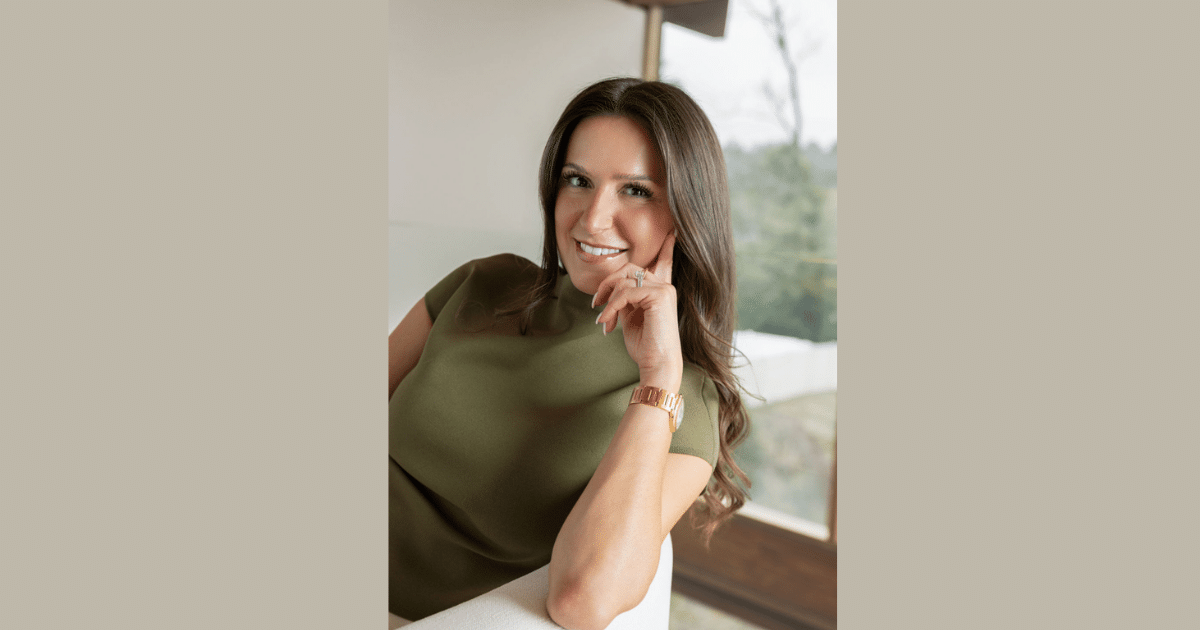
Julie Sousa was sitting in an Uber on her way to a date night when she opened TikTok and watched her follower count climb by 100,000 in a matter of hours. Her first instinct was not to celebrate. It was to pull up her analytics.
That reflex explains almost everything about how the Boston-based home and lifestyle creator has built Avant Garde Home into a multi-platform content business that earned her a Forbes feature and a growing roster of brand partnerships.
Before she ever pressed record, Julie spent years in corporate digital marketing at companies including Pegasystems and PTC, running paid media campaigns, analyzing KPIs, and optimizing conversion funnels. She came to content creation not as an escape from that world, but as an extension of it. Today, she manages two assistants, an Amazon storefront, and an ongoing pipeline of brand partnerships, all while producing the kind of accessible, creativity-driven home content her audience keeps returning for.
“I don’t want to necessarily pigeonhole myself into a particular niche,” she says. “I’ve branched off into various niches. I’ve had a clothing collection. When I first started, it was a lot of DIY in the home space, and then that shifted over into arts and crafts, almost like for setups for hosting.”
Her tagline, “I Like to Make Things,” is not accidental. It is a positioning decision born from a marketing background that trained her to think about audience reach before content formats.
From Brazil to Corporate America to the Algorithm
Julie immigrated from Brazil at age five. The early years in the U.S. were defined by scarcity and the kind of resourcefulness that comes from not having enough. “Having hand-me-downs was normal for us. Sometimes, not having enough money to buy groceries,” she says. “That taught me to be very resourceful and kind of just create and find my passions in the things that already existed within my home.”
She had always dreamed of becoming an architect, but without a green card until age 21, that path had closed. She pivoted to business school at Bentley University, graduated into corporate marketing, and found herself working competently at a job that left her hollow. “I felt like I was going to work, pretending to be like some professional girl that I just really wasn’t.”
COVID changed the equation. Locked down and restless, Julie began reading interior design textbooks and sharing what she learned online. “I try to explain what my passion was, the creative side of things, in a way that someone who might not be creative would understand. More mathematical, more objective, kind of like creating equations.”
The audience responded. Theory turned into demonstrations, demonstrations into renovations, renovations into a business.
The Hook That Keeps Them Watching
Many home and DIY creators lead with the finished result. Julie does the opposite. She opens with a visual question and makes the viewer stay to find out.
“If I start with the finished result, it’s almost like, ‘Okay, now you’ve shown too much. Why do I have to watch this whole video?’” she says. “You want to watch someone face a challenge and then overcome a challenge. That will increase your average watch time because they’ll stay around longer to find out whether or not you do.”
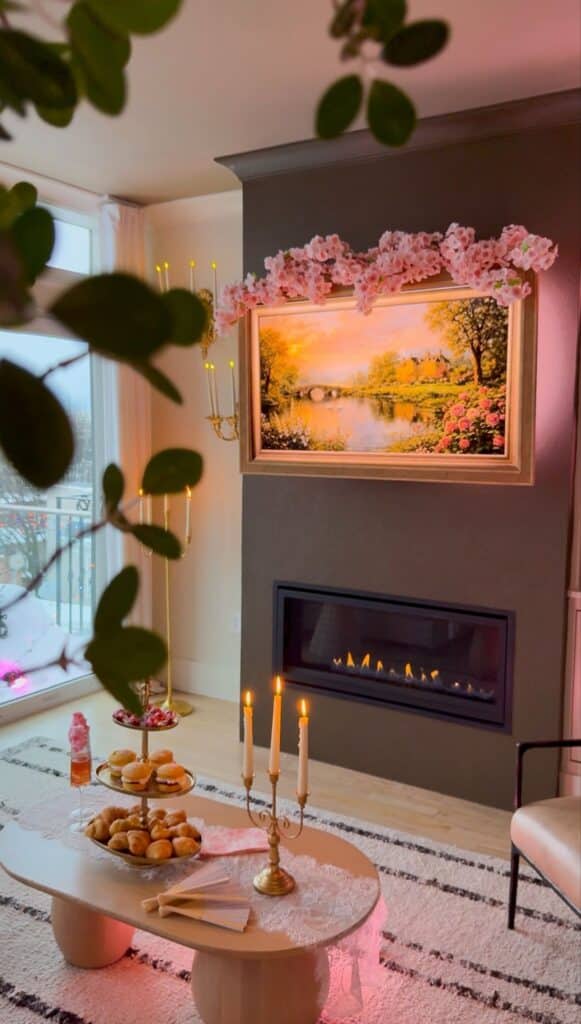
The same accessibility logic runs through her themed projects. Her “Stranger Things” living room transformation and a Kentucky Derby home setup both follow the same principle she developed from her own upbringing. “When I migrated here, I didn’t always have things. These things weren’t accessible to me,” she says. “So it’s like, how can I turn those things into something bigger that everyday people can use?” Pool Noodles from Five Below. Items already in the house.
After a viral farmhouse video that gained her 100,000 followers, she went straight to her analytics rather than simply trying to repeat herself. “I kind of pulled things that did work and kept testing those things to see, okay, can we go viral again? I would restrategize, take one piece that did work, try something new, and always keep building on top of that strategy.”
The metrics she monitors are specific: average watch time, drop-off points, comments, saves, and shares.
Why Getting a Manager Changed More Than the Rate Card
Julie negotiated her own brand deals for years and, by her own account, was not bad at it. Then she hired a manager, and the terms shifted in a way she had not anticipated. “Things were pretty good, I thought I was doing well negotiating my own contracts,” she says. “But the rates were maybe similar at first, but the deliverables were a lot less. So now I was making more money for less work.”
The value extended beyond pricing. “They have their own contact list and people within the industry that they can reach out to and pitch for you things that you wouldn’t be able to do on your own, even with a business background.”
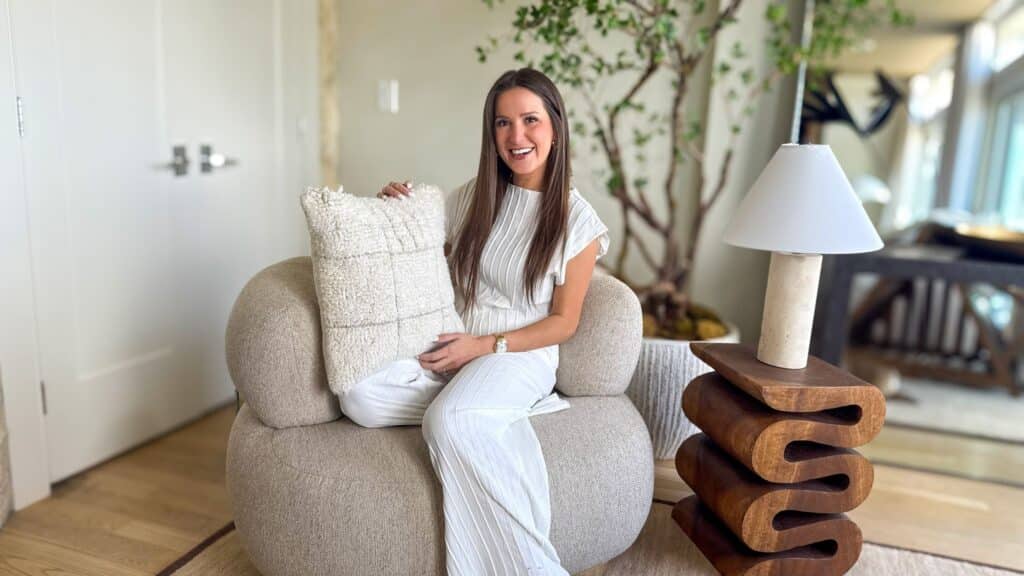
She now routes all brand conversations through her manager at Currents Management, and when she does weigh in on creative direction, she grounds her argument in data. “I’ve given you my advice based on being an expert on my own content,” she says. “If the video doesn’t perform as well, the ball’s in your court.”
Her advice to creators without a corporate background carries real urgency. “When you don’t know what you don’t know, you are in a position where you could easily be taken advantage of,” she says. “Whether that be from a legal team, from an accounting team. Someone can absolutely take that rug from underneath you.”
The Product Line She Is Still Waiting to Build
Julie describes the ongoing tension between organic content and paid work as something she has not fully resolved. “It can become burnout when you’ve got, like, an angel and a devil on your side all the time, like pulling at two ends,” she says. “You’ve got to make money to put food on the table, but you’re also trying to stay true to your organic content that does bring the people in and keep them around.”
The Forbes feature came, and so did a revenue uptick, though she is careful not to overclaim the connection. What she is certain about is the direction: further into ownership, further out of dependency on algorithms and brand pipelines. A product line, tied to home, hosting, or food, is the stated goal. The specifics remain open.
“I would really love a product line,” she says. “I’m still waiting for that damn big idea. I think about it every single day.”
For a creator who once spent years in corporate roles performing a version of herself that did not fit, Avant Garde Home has become the architecture she never got to study. Built from data, accessibility, and the resourcefulness she developed long before she ever found an audience.
“Knowledge is power,” she says. “It’s never a bad thing to know too much. The more you know, the better it is for you.”
Cover photo credit: James Ricker Creative
Subscribe to Our Newsletter
Check Out Our Podcast