





Influencer
How Ainslie Harvey Turned ‘History as Gossip’ Into a Multi-Platform Media Business

“If I could just watch history documentaries all day, then I’d be happy forever.”
That realization, shared during a therapy session, became the starting point for Ainslie Harvey’s transition from marketing professional to creator. Within a week of launching her TikTok account, what began as a personal outlet started attracting an audience. Within six months, she reached 100,000 followers. By the end of her first year, that number had climbed to roughly 250,000.
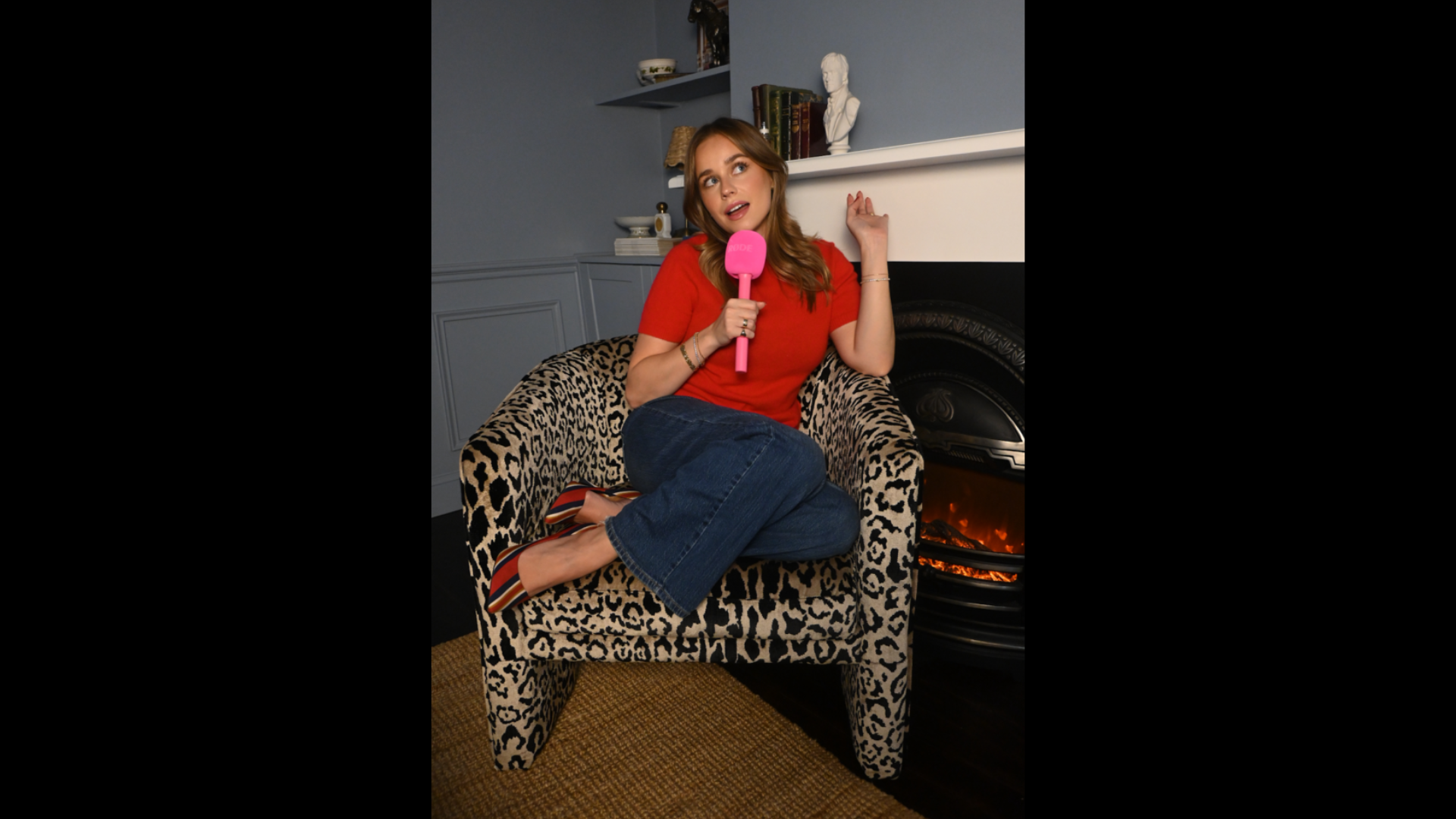
Today, Ainslie is the founder of Hot History, an entrepreneurial media business spanning TikTok, podcasts, publishing, and brand partnerships. Her content reframes historical storytelling through a lens she describes as both accessible and engaging, particularly for younger audiences.
“I literally started Hot History as a project for my therapist. It was meant to be for me, to take a moment out of my day to do something fun relating to history. Within a week, it started to blow up,” she says.
From Marketing Burnout to Creative Outlet
Before Hot History, Ainslie ran her own marketing business, which she launched during the COVID-19 pandemic. Despite working with established brands, she describes feeling disconnected from her work.
“I was really unhappy. I was clinically depressed. The best part of my day was coming home from work and putting on a history documentary while I chopped up my salad,” she says.
Encouraged to pursue something she genuinely enjoyed, Ainslie turned to TikTok as a low-barrier way to experiment with content creation. The platform’s format allowed her to test ideas without the production demands of traditional media.
That initial experiment quickly turned into a career shift. “I was like, this is what I want to do forever,” she says.
Making History ‘Palatable’
Hot History’s growth is tied to a clear content strategy shaped by Ainslie’s marketing background. Rather than presenting history through traditional academic framing, she focuses on specific, engaging entry points.
“My approach is making history palatable to get you in on one specific thing. You get someone in on that one tiny detail, they start asking questions, and those questions lead to bigger questions,” she says.
A video about the Romanovs’ Fabergé eggs can lead viewers into broader topics such as revolution, political systems, and modern geopolitics. This layered approach mirrors funnel-based marketing strategies, where a single hook drives deeper engagement.
Ainslie also identified a gap in how history is presented to audiences, particularly women. “In 3,500 years that we’ve been recording history with method and scientific approach, women are seen as contributing to around 17 years,” she says.
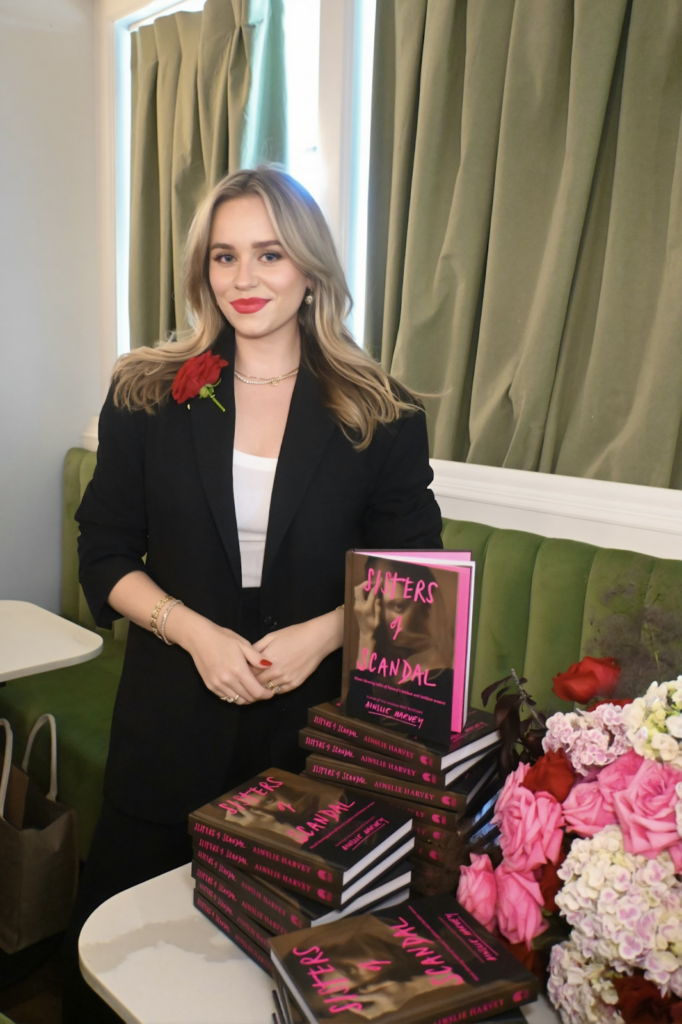
That insight has shaped her editorial direction across formats, including her book “Sisters of Scandal” and her podcast.
Virality and Its Trade-Offs
Ainslie’s early growth was driven by a viral video comparing characters from the animated film “Anastasia” with their real-life counterparts. The post quickly reached more than one million views.
“The virality you can generate, especially on TikTok, is crazy. All it takes is landing on the right side of the algorithm,” she says.
However, she also encountered the volatility that comes with such exposure. “You’ll have someone say the nicest thing, and then the next comment will be something terrible. You go from feeling amazing to feeling awful in seconds,” she says.
In her first year, Ainslie felt responsible for responding to nearly every comment. Over time, she shifted her perspective on audience interaction. “I am not responsible for other people’s thoughts and opinions. All I can do is control my output and how I react,” the content creator says.
The Marketing Advantage
Ainslie attributes her ability to sustain growth to her marketing background, which informed both her creative and business decisions.
“Learning how to harness virality, understanding what rates I should be charging, and knowing how to keep momentum going all came from my marketing experience,” she says.
She views each previous role as contributing to her current skill set, from customer interaction to content structuring and pricing strategy. “I couldn’t do Hot History without that marketing side of things,” she says.
Content Strategy and Production Realities
Ainslie’s content process is shaped by both curiosity and constraints. While she initially experimented with optimizing content for audience preferences, she found that approach unsustainable.
“I tried focusing on what would be interesting to other people, but that became very tedious. I’ve gone back to what interests me,” she says.
Production, however, remains time-intensive. Unlike lifestyle creators who can produce multiple videos in a day, Ainslie often spends an entire day researching a single piece of content. “It can take a whole day just to research one two-minute video,” she says.
To manage output, she uses a mix of formats, including short-form videos, carousels, and long-form podcast episodes.
Building a Multi-Platform Media Business
Hot History has expanded beyond TikTok into a broader content ecosystem that includes Instagram, YouTube, Substack, and a podcast. Each platform serves a different role within the business.
“I never wanted to do everything at once. It’s been three years, and it’s still in its early development phases,” Ainslie says.
The podcast, which features weekly 60 to 90-minute episodes, represents a move into long-form storytelling. It has already entered the top 50 history podcasts in Australia, where Ainslie notes a lack of female-led shows. “There are only five run by women in the top 50, and I’m the only one that’s independent,” she says.
Substack is positioned as a space for more in-depth writing, particularly focused on women’s history, while YouTube is becoming a priority for future series.
Transitioning From Creator to Company
Ainslie’s perspective shifted notably when she signed her book deal for “Sisters of Scandal.” The scale of the project and its financial implications reframed her work as a business.
“That was the first time I was looking at a substantial sum and thinking, this is a business. I have deliverables and deadlines I need to meet,” she says.
This moment marked the beginning of a more structured approach to Hot History, including clearer audience definition and long-term planning.
Her ambition now extends beyond digital content into production. “I want to make best-in-class documentaries highlighting women’s stories throughout history,” she says.
Monetization and Brand Strategy
Ainslie’s monetization has largely developed organically, with brands approaching her based on the strength of her content.
“A lot of the monetization I’ve had has been fully organic. I didn’t send outreach emails until this year,” she says.
Her approach to partnerships is rooted in aligning brand messaging with historical narratives. “People think you can’t work with a history creator if you sell toothpaste, but Queen Elizabeth I had terrible teeth because of her diet. That’s a story you can build a campaign around,” she says.
In Australia, where TikTok’s creator fund is not available, brand partnerships and off-platform revenue streams are essential to sustaining the business.
Industry Challenges: AI and Content Ownership
Ainslie identifies artificial intelligence as a growing concern, particularly for creators whose work requires significant research and originality.
“Someone can take my videos, put them into a system, and generate content that looks and sounds like me,” she says.
She also highlights ongoing issues with content theft and reposting, in which accounts replicate creators’ work without permission.
Despite these challenges, she believes audiences can distinguish between authentic and synthetic content. “I am a real human, and there will always be a place for human voices,” she says.
What’s Next?
Ainslie’s long-term vision for Hot History centers on expanding into production and long-form storytelling, with a focus on elevating underrepresented narratives.
“I want to have Hot History productions up and running, create a documentary series, and why not be nominated for an Oscar?” she says.
Subscribe to Our Newsletter
Check Out Our Podcast