





Influencer
How One Creator Built the Trust to Film Inside the World’s Most Restricted Military Programs

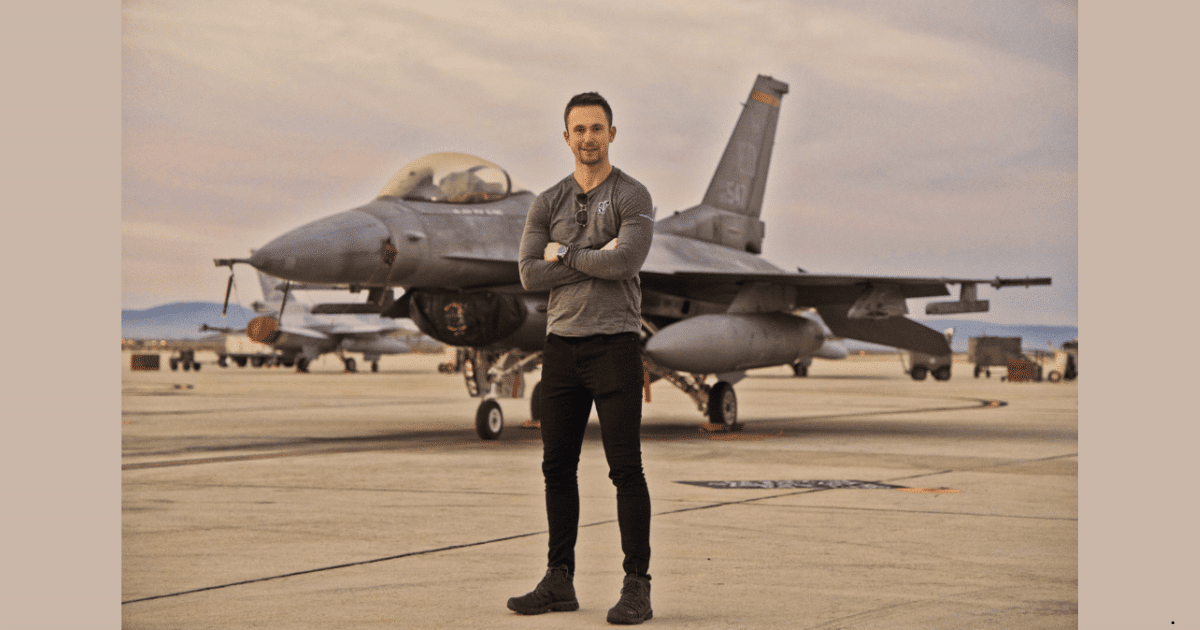
Louis Skupien became the first British civilian to fly supersonic in an F-16 Viper jet at Edwards Air Force Base, reaching 50,000 feet before taking the controls himself. For Louis, the physical sensation was the easy part. Convincing one of the world’s most security-conscious military organizations to let him inside took years of relationship building, a process that has become the foundation of his documentary company, Full Throttle.
After COVID-19 ended his career as a competitive tennis player, Louis started a podcast called “Talk4,” interviewing hundreds of high performers, from military commanders to entrepreneurs. About 50 episodes in, he interviewed a Top Gun fighter pilot who owned a private jet and invited him to fly it in Miami. “I got in the backseat of this guy’s jet, landed after an incredible flight, and said that this is what I want to do,” he says.
He filmed it on his phone with no plan, not realizing it would become the first entry in “Full Throttle,” the documentary series that has since taken him inside F-16 cockpits, Apache helicopters, and some of the most restricted military bases in the world.
Full Throttle has grown from footage shot on old GoPros into commercial-grade productions covering the California Army National Guard, the Euro-NATO Joint Jet Pilot Training program, a multinational fast-jet training pipeline for NATO air forces, and the British Army’s Challenger 2 tank. But Louis insists the aircraft are not the point. “The aircraft are what get people to click,” he says. “The reason they stay is that they’re meeting people and discovering worlds they would never otherwise have had access to.”
A Fighter Jet Ride That Was Supposed To Be Once In A Lifetime
Everyone around Louis called that first Miami flight a once-in-a-lifetime opportunity. He recalls thinking otherwise. “I remember distinctly saying to myself after the flight, ‘I’m going to be doing this again. I just need to figure out how that’s going to be possible,’” he says.
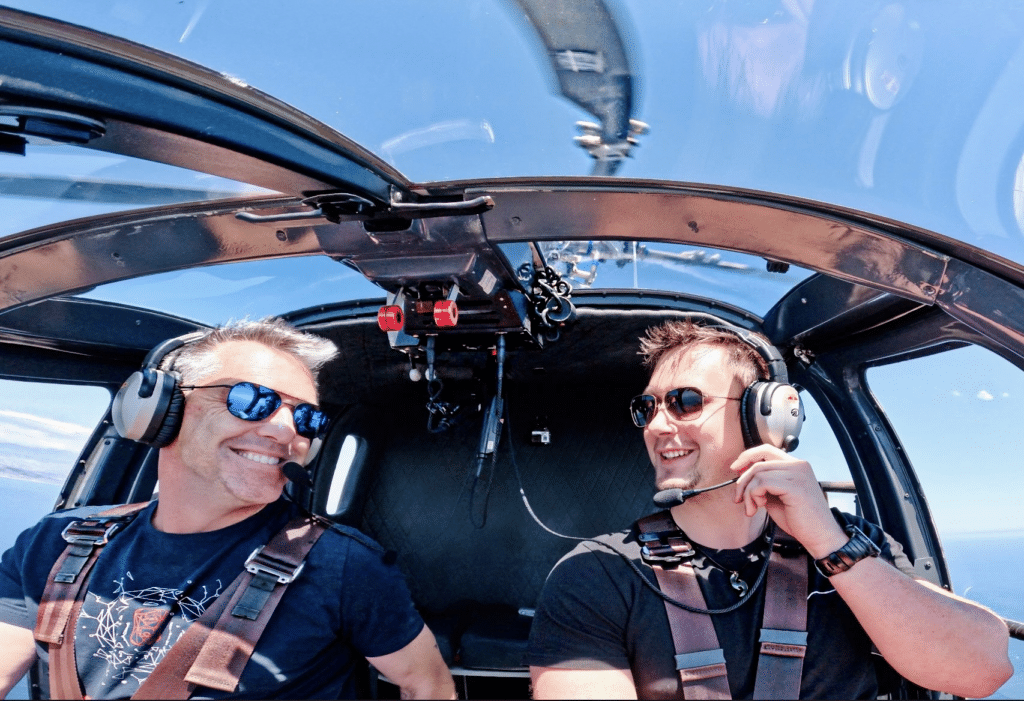
There was no plan for how. Louis kept having conversations and hoping a door would open, and one did: Aaron Fitzgerald, a Red Bull helicopter pilot, invited him to film an aerobatic display in Oxnard, California. From there, access widened gradually, through a skydive with the British Army’s Red Devils and flights with civilian aerobatic outfits like the Patriots Jet Team and the Baltic Bees.
Each project became leverage for the next pitch. “Every next outreach would contain, ‘Hey, we’ve done this already, we have this track record, we can make stuff like this,’” Louis says. He is just as direct about how often it failed. “I’ve been told no a lot of times. I’ve had projects denied, I’ve had projects canceled last minute. I’ve never heard back, probably from hundreds of them.”
Trust Is The Only Currency The Military Accepts
Civilian aircraft owners operate by their own rules, which made early access relatively fast. The military, Louis notes, runs almost entirely on relationships built over time. “You’ve got to know people, and you’ve got to have conversations with them, and you’ve got to become established and a household name in a way,” he says.
“Talk4” became the tool for that, giving him a track record of interviews with veterans and active-duty personnel long before he pitched anyone on filming. “The more names you collect from the podcast of people you’ve interviewed, the more it becomes an easy yes for them,” he says.
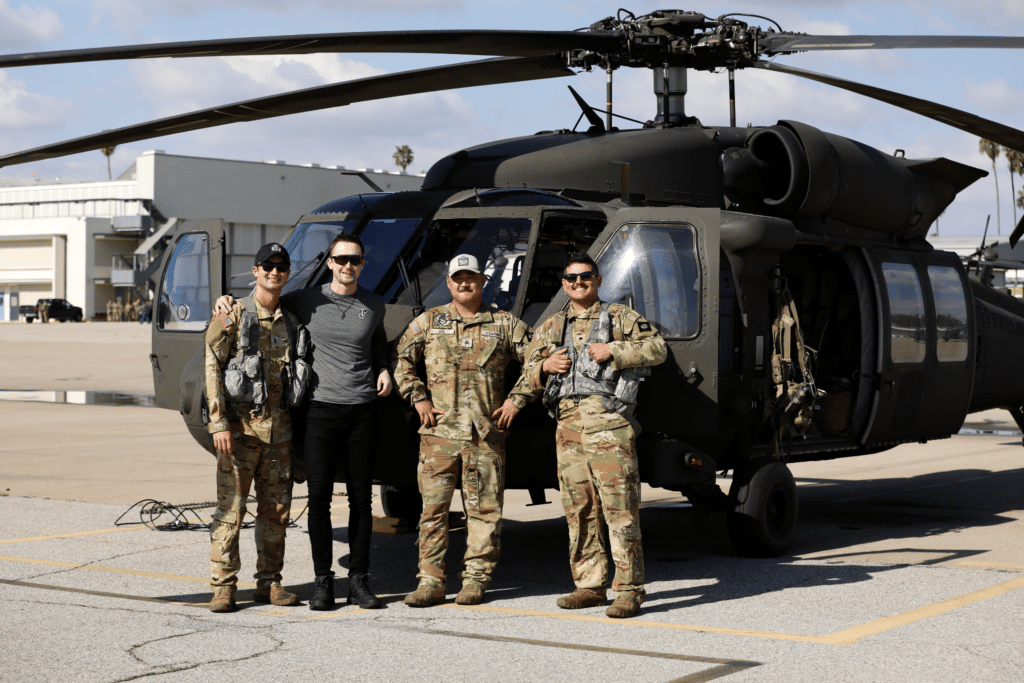
The Edwards Air Force Base project began the same way, growing out of a “Talk4” conversation with the commanding general of the 412th Test Wing. Louis pitched a documentary about the base itself, not a ride in a fighter jet. “It was never about flying an F-16,” he says. “It was about telling the story of Edwards, the history there, the future.”
Getting a foreign national into the jet still required medical vetting, security clearance, and, by his count, roughly two dozen signatures on approval forms. “That in itself probably takes three months to half a year,” he says. From pitch to publication, the documentary took nearly two years.
Making The Hard Thing Harder
Full Throttle sits in between: not a television production with studio backing, and not the high-frequency, easy-to-replicate output that defines most YouTube channels. “Every video that we make is incredibly difficult,” Louis says. Funding it all himself turned into leverage: military organizations, he argues, trust an accountable individual more than a large company carrying “their own agendas.”
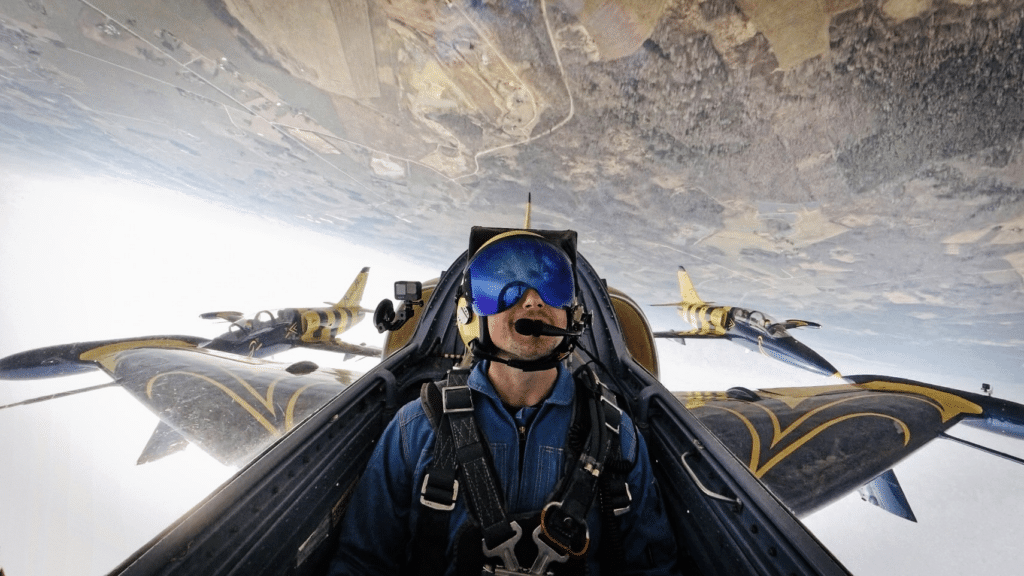
That difficulty is, in his account, the actual product. “Equipment has become democratized. Relationships haven’t,” he says. “The hardest part isn’t filming an F-16 or standing next to a B-52. The hardest part is earning enough trust that organizations are willing to let you inside.” Anyone could buy the same cameras tomorrow, he adds, but “they still couldn’t buy that trust overnight.”
The same logic shapes his approach to short-form video. A three-minute clip from the Edwards documentary, showing low-altitude flying through desert canyons, pulled more than 170,000 views in three days, compared with roughly 300,000 for the full documentary over two weeks. Louis reads that gap as a research tool, not a strategy shift. “We never build documentaries around Shorts. We build Shorts around documentaries,” he says.
A Media Company That Doesn’t Need Him In The Cockpit
Full Throttle funds itself through podcast and documentary sponsorships plus YouTube ad revenue, though Louis is selective about fit. “Some brands can cheapen a project,” he says.
Saddleback Leather, which fully funded the Edwards documentary, had the opposite effect. “Saddleback elevated it to a whole ‘nother level’ for me,” he says. Reaching that point took years of absorbing costs personally. “It’s not impossible that we could have run out of money, or just being completely broke from pursuing these projects constantly,” he admits.
Louis wants Full Throttle to eventually operate as a production house that defense contractors approach directly, rather than vetting an unfamiliar agency from scratch. “Let’s say Lockheed Martin or Raytheon or General Dynamics are releasing a new weapon system or technology or jet or vehicle,” he says. “They can approach us, and we can provide them with catered media services with someone that they know they can trust with a track record.”
That ambition depends on the brand outgrowing its host. “The long-term goal isn’t to build ‘The Louis Skupien Show.’ It’s to build a documentary brand that people trust regardless of who’s presenting a particular story,” he says, describing a future with multiple presenters. “The common thread shouldn’t be me. It should be the quality of the storytelling.” He treats finished films as durable assets rather than disposable content: “Every documentary we make becomes part of a growing library rather than something that exists for a few weeks and disappears.”
On AI-generated footage, he points to what it cannot replicate. “AI can generate extraordinary-looking aviation footage. What it can’t generate is trust,” he says. “People aren’t just watching aircraft. They’re watching real people in real situations.”
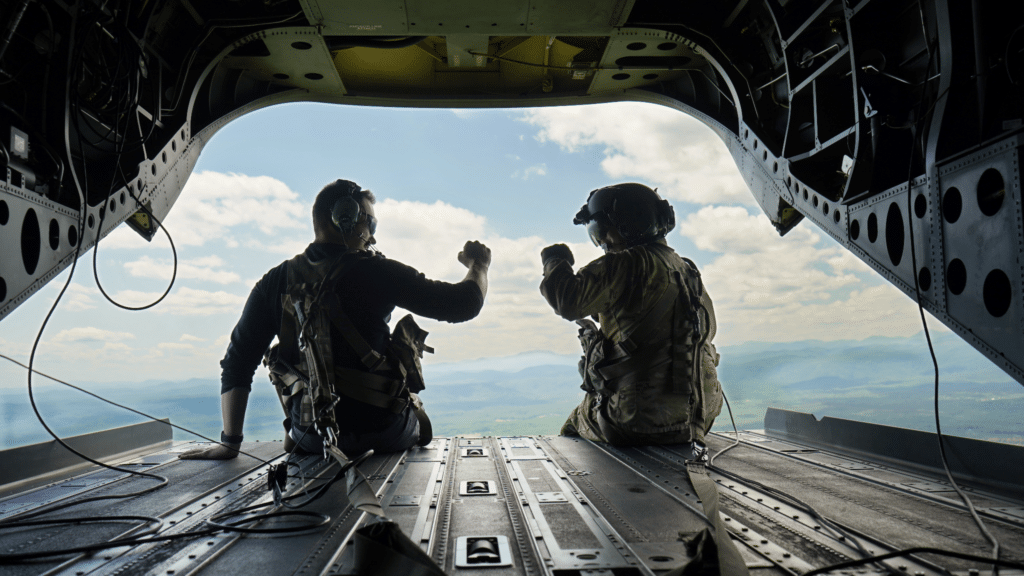
The Aircraft Are The Hook, The People Are The Story
Louis’s path from a borrowed jet ride to Edwards Air Force Base was never mapped out in advance, but the mechanism behind it repeats: treat every relationship, whether with a podcast guest or a public affairs officer, as the start of something longer than a single video.
It’s the same logic he now applies to brand fit and to the long-term bet that Full Throttle can outlast him as its face.
“I think people need to believe in themselves,” he says. “Ask yourself always, if not you, then who, and take it in stride.”
Subscribe to Our Newsletter
Check Out Our Podcast