Media analyst Evan Shapiro told film buyers and sellers at the American Film Market’s inaugural New Global Screen Economy Summit on November 10 that the year’s best returns came from films with devoted fan communities, and that studios need relationships with those fans in every window, from theaters to the phone.
“Affinity, passion, fandom. That’s at the center of each one of those Yindie case studies,” Shapiro said in the keynote, titled “The Whole Movie,” using Shapiro’s term for YouTube-born independent films. “Each one of the best returns on investments on this chart, including Spider-Man, have avid, ardent fandoms.”
The chart compared theatrical returns drawn from company earnings and Sports Business Journal. Shapiro put “The Mandalorian and Grogu” at a negative 39% on a $165 million budget. Curry Barker’s “Obsession,” made for $750,000, returned 69,711%, and Kane Parsons’ “Backrooms” returned 3,925%, according to Shapiro. The two films finished first and second at the domestic box office ahead of the Star Wars release earlier this year.
Shapiro’s theatrical ROI comparison of studio tentpoles and creator-led films. Source: Evan Shapiro, Media War & Peace, The Whole Movie
Shapiro’s lead case was Glitch Productions, the Australian studio behind “The Amazing Digital Circus,” part of the indie YouTube animation wave that Gen Z rates alongside major studio work. Glitch released the series’ final two episodes as a feature for two weeks and returned 160%, Shapiro said. Box office made up 20% of the project’s business plan and merchandise 60%. “The theatrical was an event to spark the fandom,” Shapiro said, adding that the run gave Glitch more leverage with Netflix and more merchandise sales.
Glitch’s engagement per view runs almost four times the TikTok average and three times the YouTube average, according to Shapiro’s data.
Shapiro Says Shares Are the New Word of Mouth
Shapiro argued that engagement outweighs audience size. Barker has 1.7 million YouTube subscribers, 750,000 Instagram followers and 1.4 million TikTok followers, according to Shapiro, a fraction of MrBeast’s reach. “They just got really good at creating content that got passed along,” Shapiro said, urging studios to measure shares above other metrics.
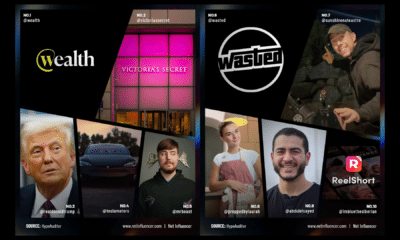
Shapiro cited TikTok fan editor Areq, whose edit of “Creed” drew 239 million views and lifted viewing of “Creed” on Amazon by 29%, according to Shapiro. Variety reported in October 2025 that Lionsgate had begun hiring TikTok fan editors, and the studio released an official fan-edit trailer by Areq for “The Hunger Games: Sunrise on the Reaping” at New York Comic Con in October.
Shapiro’s Creed and Hunger Games creator-edit case study, as shown at AFM. Photo: Net Influencer. Data: Evan Shapiro, Media War & Peace, The Whole Movie
“Nano creators with massive engagement are going to drive substantially more business for you than doing one deal with MrBeast. That is the new affinity economy,” Shapiro said. Studio accounts trail platform averages for engagement on both YouTube and TikTok, according to Shapiro’s data.
Fans Who Skip Theaters Still Carry the Economics
About half of Americans call themselves avid movie fans, and about a third of Americans go to the movies, Shapiro said, citing Luminate data. “The fans who don’t come to the movies are just as, if not more important, than those who do come to the movies,” Shapiro said.
Theatrical produced 59% of film revenue over the past three years, according to Shapiro, while the profit sits in later windows. Shapiro’s three-year, all-windows returns put A24 first at 67.8%, ahead of Sony at 60%, while 114 titles from smaller independent distributors returned negative 44.4%.
Shapiro’s three-year return on investment by distributor across all release windows, as shown at AFM. Photo: Net Influencer. Data: Evan Shapiro, Media War & Peace, The Whole Movie
Shapiro asked studios to treat social video as a post-theatrical window for merchandise, subscriptions, Patreon memberships and fan financing. Shapiro estimated that putting 3,200 films on YouTube would earn about $500 million a year. The ESHAP Cross-Screen Attention Index ranks TikTok first among Americans aged 13 to 34, and Shapiro predicted that 2027 will be “the year of TikTok.”
U.S. monthly cross-screen attention for ages 13 to 34, December 2025 to May 2026. Source: Evan Shapiro, ESHAP Cross-Screen Attention Index, via The Whole Movie
Shapiro published the full deck in a November 9 newsletter post, The Whole Movie, and moderated a summit panel on fan equity with Republic Film and creator-director Wesley Wang that afternoon. “If you know how to build affinity, if you know how to build community, you will find the economics,” Shapiro told the room.
Nii A. Ahene is the founder and managing director of Net Influencer, a website dedicated to offering insights into the influencer marketing industry. Together with its newsletter, Influencer Weekly, Net Influencer provides news, commentary, and analysis of the events shaping the creator and influencer marketing space. Through interviews with startups, influencers, brands, and platforms, Nii and his team explore how influencer marketing is being effectively used to benefit businesses and personal brands alike.














Media analyst Evan Shapiro told film buyers and sellers at the American Film Market’s inaugural New Global Screen Economy Summit on November 10 that the year’s best returns came from films with devoted fan communities, and that studios need relationships with those fans in every window, from theaters to the phone.
“Affinity, passion, fandom. That’s at the center of each one of those Yindie case studies,” Shapiro said in the keynote, titled “The Whole Movie,” using Shapiro’s term for YouTube-born independent films. “Each one of the best returns on investments on this chart, including Spider-Man, have avid, ardent fandoms.”
The chart compared theatrical returns drawn from company earnings and Sports Business Journal. Shapiro put “The Mandalorian and Grogu” at a negative 39% on a $165 million budget. Curry Barker’s “Obsession,” made for $750,000, returned 69,711%, and Kane Parsons’ “Backrooms” returned 3,925%, according to Shapiro. The two films finished first and second at the domestic box office ahead of the Star Wars release earlier this year.
Shapiro’s lead case was Glitch Productions, the Australian studio behind “The Amazing Digital Circus,” part of the indie YouTube animation wave that Gen Z rates alongside major studio work. Glitch released the series’ final two episodes as a feature for two weeks and returned 160%, Shapiro said. Box office made up 20% of the project’s business plan and merchandise 60%. “The theatrical was an event to spark the fandom,” Shapiro said, adding that the run gave Glitch more leverage with Netflix and more merchandise sales.
Glitch’s engagement per view runs almost four times the TikTok average and three times the YouTube average, according to Shapiro’s data.
Shapiro Says Shares Are the New Word of Mouth
Shapiro argued that engagement outweighs audience size. Barker has 1.7 million YouTube subscribers, 750,000 Instagram followers and 1.4 million TikTok followers, according to Shapiro, a fraction of MrBeast’s reach. “They just got really good at creating content that got passed along,” Shapiro said, urging studios to measure shares above other metrics.
Shapiro cited TikTok fan editor Areq, whose edit of “Creed” drew 239 million views and lifted viewing of “Creed” on Amazon by 29%, according to Shapiro. Variety reported in October 2025 that Lionsgate had begun hiring TikTok fan editors, and the studio released an official fan-edit trailer by Areq for “The Hunger Games: Sunrise on the Reaping” at New York Comic Con in October.
“Nano creators with massive engagement are going to drive substantially more business for you than doing one deal with MrBeast. That is the new affinity economy,” Shapiro said. Studio accounts trail platform averages for engagement on both YouTube and TikTok, according to Shapiro’s data.
Fans Who Skip Theaters Still Carry the Economics
About half of Americans call themselves avid movie fans, and about a third of Americans go to the movies, Shapiro said, citing Luminate data. “The fans who don’t come to the movies are just as, if not more important, than those who do come to the movies,” Shapiro said.
Theatrical produced 59% of film revenue over the past three years, according to Shapiro, while the profit sits in later windows. Shapiro’s three-year, all-windows returns put A24 first at 67.8%, ahead of Sony at 60%, while 114 titles from smaller independent distributors returned negative 44.4%.
Shapiro asked studios to treat social video as a post-theatrical window for merchandise, subscriptions, Patreon memberships and fan financing. Shapiro estimated that putting 3,200 films on YouTube would earn about $500 million a year. The ESHAP Cross-Screen Attention Index ranks TikTok first among Americans aged 13 to 34, and Shapiro predicted that 2027 will be “the year of TikTok.”
Studios have started to move toward creator talent. Sony Pictures named YouTube veteran Fede Goldenberg to run Screen Gems in October to develop films from digital-native creators.
Shapiro published the full deck in a November 9 newsletter post, The Whole Movie, and moderated a summit panel on fan equity with Republic Film and creator-director Wesley Wang that afternoon. “If you know how to build affinity, if you know how to build community, you will find the economics,” Shapiro told the room.
Subscribe to Our Newsletter
Check Out Our Podcast