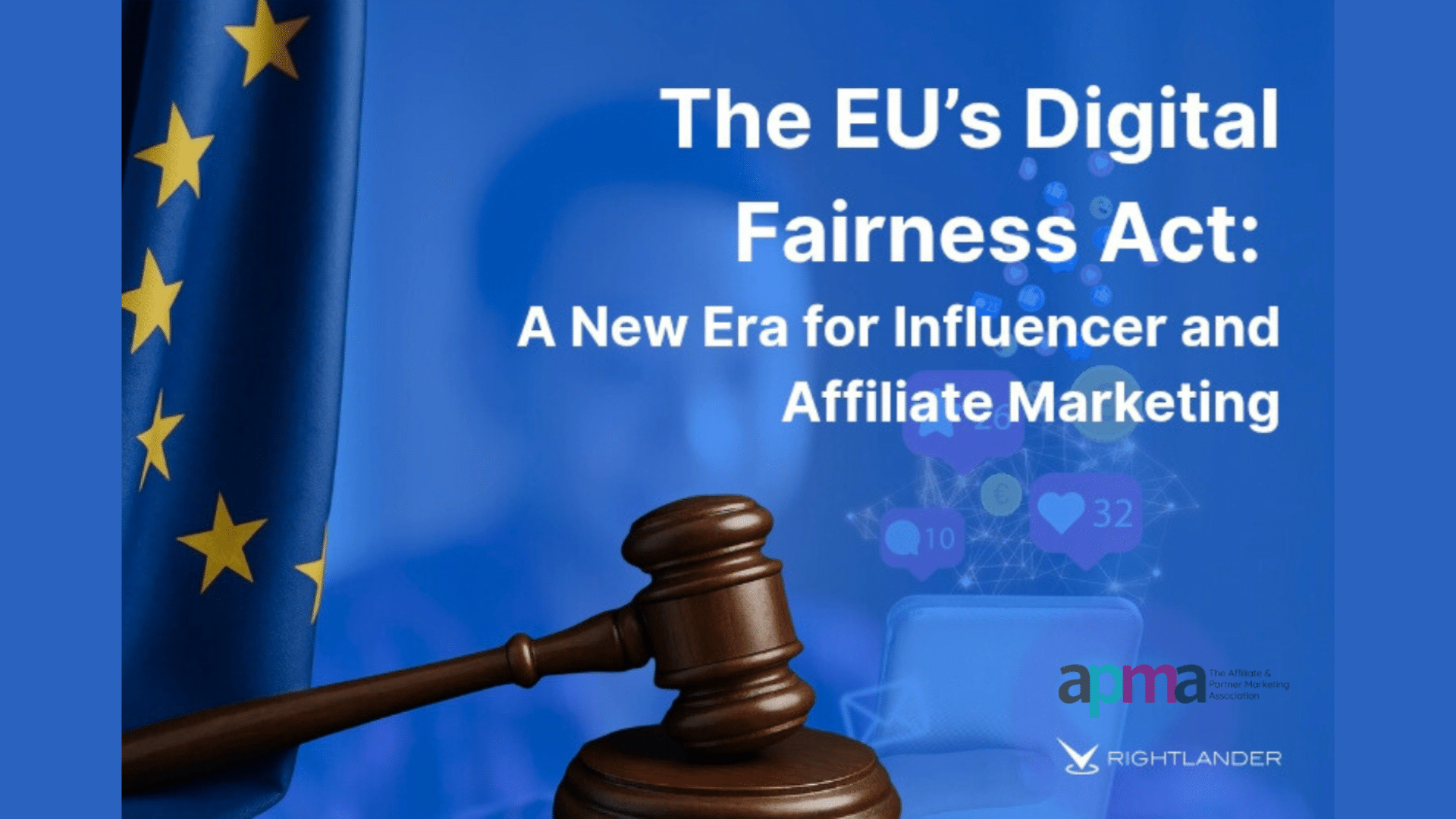
The European Union is considering plans that would require content creators to label sponsored videos and posts as an “advertisement” or “commercial collaboration,” according to draft documents seen by Agence France-Presse (AFP). The same documents would bar brands from asking influencers to encourage children to buy products or to persuade their parents to buy items in commercial content.
The measures are part of the Digital Fairness Act, a consumer protection overhaul that EU Consumer Protection Chief Michael McGrath is due to unveil Wednesday, AFP reported.
The draft also targets broader online practices. It would ban “dark patterns,” which AFP described as features designed to deceive users into making choices a seller prefers. Online sellers could not make false claims about a product’s availability or popularity, or suggest an item is popular and therefore scarce. The draft would also ban “drip pricing,” where fees are hidden until the end of a purchase, and require sellers to show the full price of an order before checkout.
Other provisions cover video games, which would be barred from offering minors “pay-to-win” or “pay-to-progress” features. In-game virtual currencies would have to show the real-world value of the currency used to buy them. Users would gain the right to disable features such as autoplay and notifications not related to their activity, and platforms would have to remind consumers when a free trial ends, including the end date and the cost of continuing.
Where the Rules Stand Now
The EU has no single, dedicated law on Influencer Marketing. A December 2025 briefing from the European Parliamentary Research Service (EPRS) said relevant rules are spread across consumer protection, audiovisual media and digital regulation. Under the Unfair Commercial Practices Directive, failing to disclose a trader’s commercial intent counts as a misleading omission. EPRS said the responsibilities of different actors in the Influencer Marketing value chain, including the brands whose products influencers promote, remain unclear. A 2024 fitness check of EU consumer law reached the same conclusion on legal uncertainty, the briefing said.
Compliance has been uneven. In a 2024 sweep, the European Commission and consumer authorities from 22 member states, Norway and Iceland reviewed posts by 576 influencers. Of those, 97% posted commercial content, but only about 20% systematically indicated that posts were advertisements, according to EPRS. Some 38% did not use platform-provided labels such as “paid partnership” and used terms such as “collaboration” or “thanks to the brand” instead.
Several member states have moved ahead of Brussels. France adopted a dedicated influencer law in 2023, and Spain adopted a royal decree in 2024 covering high-profile influencers. Italy’s communications regulator adopted a binding code of conduct in July 2025, and the Netherlands maintains a Social Media and Influencer Advertising Code, EPRS said.
Industry Positions
EPRS recorded divided views on new EU rules before the proposal emerged. The European Consumer Organisation BEUC has called for binding rules, standardized labeling and joint liability among influencers, their agencies and brands. The European Brands Association AIM has asked for an EU definition of “influencer” and shared liability across the advertising chain. The European Influencer Marketing Alliance prefers practical guidance and stronger enforcement to new legislation. TikTok has rejected inflexible, mandatory rules on how commercial content must be disclosed, according to the briefing.
Dragomir is a Serbian freelance blog writer and translator. He is passionate about covering insightful stories and exploring topics such as influencer marketing, the creator economy, technology, business, and cyber fraud.

















The European Union is considering plans that would require content creators to label sponsored videos and posts as an “advertisement” or “commercial collaboration,” according to draft documents seen by Agence France-Presse (AFP). The same documents would bar brands from asking influencers to encourage children to buy products or to persuade their parents to buy items in commercial content.
The measures are part of the Digital Fairness Act, a consumer protection overhaul that EU Consumer Protection Chief Michael McGrath is due to unveil Wednesday, AFP reported.
The draft also targets broader online practices. It would ban “dark patterns,” which AFP described as features designed to deceive users into making choices a seller prefers. Online sellers could not make false claims about a product’s availability or popularity, or suggest an item is popular and therefore scarce. The draft would also ban “drip pricing,” where fees are hidden until the end of a purchase, and require sellers to show the full price of an order before checkout.
Other provisions cover video games, which would be barred from offering minors “pay-to-win” or “pay-to-progress” features. In-game virtual currencies would have to show the real-world value of the currency used to buy them. Users would gain the right to disable features such as autoplay and notifications not related to their activity, and platforms would have to remind consumers when a free trial ends, including the end date and the cost of continuing.
Where the Rules Stand Now
The EU has no single, dedicated law on Influencer Marketing. A December 2025 briefing from the European Parliamentary Research Service (EPRS) said relevant rules are spread across consumer protection, audiovisual media and digital regulation. Under the Unfair Commercial Practices Directive, failing to disclose a trader’s commercial intent counts as a misleading omission. EPRS said the responsibilities of different actors in the Influencer Marketing value chain, including the brands whose products influencers promote, remain unclear. A 2024 fitness check of EU consumer law reached the same conclusion on legal uncertainty, the briefing said.
Compliance has been uneven. In a 2024 sweep, the European Commission and consumer authorities from 22 member states, Norway and Iceland reviewed posts by 576 influencers. Of those, 97% posted commercial content, but only about 20% systematically indicated that posts were advertisements, according to EPRS. Some 38% did not use platform-provided labels such as “paid partnership” and used terms such as “collaboration” or “thanks to the brand” instead.
Several member states have moved ahead of Brussels. France adopted a dedicated influencer law in 2023, and Spain adopted a royal decree in 2024 covering high-profile influencers. Italy’s communications regulator adopted a binding code of conduct in July 2025, and the Netherlands maintains a Social Media and Influencer Advertising Code, EPRS said.
Industry Positions
EPRS recorded divided views on new EU rules before the proposal emerged. The European Consumer Organisation BEUC has called for binding rules, standardized labeling and joint liability among influencers, their agencies and brands. The European Brands Association AIM has asked for an EU definition of “influencer” and shared liability across the advertising chain. The European Influencer Marketing Alliance prefers practical guidance and stronger enforcement to new legislation. TikTok has rejected inflexible, mandatory rules on how commercial content must be disclosed, according to the briefing.
Subscribe to Our Newsletter
Check Out Our Podcast