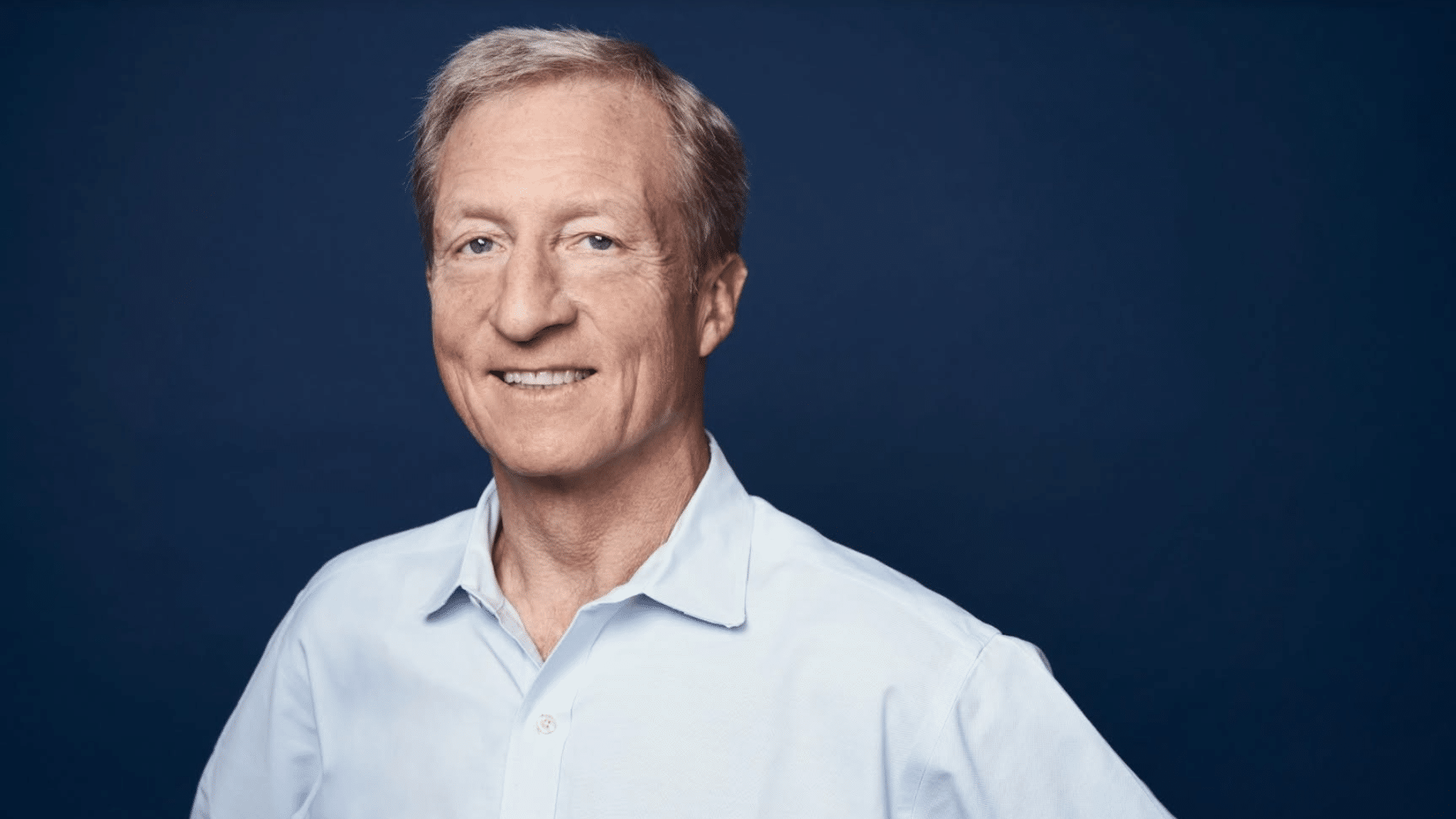
California’s campaign finance regulator has closed its investigation into Tom Steyer’s gubernatorial campaign without issuing fines, finding that the campaign properly instructed influencers to disclose paid posts even though several initially failed to do so.
As reported by The Sacramento Bee, the Fair Political Practices Commission had folded five complaints into a single investigation covering three influencers, Isaiah Washington, Deekololaoluwa Kamson and Eric Cheng, who did not include required disclaimers on paid content supporting Steyer’s campaign. In a letter dated September 14, FPPC Senior Counsel Alex Rose wrote that the campaign produced evidence it had properly instructed the influencers on disclosure requirements, and that the disclosures were added after the campaign discovered the omissions.
“Because the required disclosure was promptly added, the candidate’s committee fulfilled the initial notification requirement, and neither party has a prior history of violations regarding this section, the Enforcement Division is closing this matter without formal administrative action,” Rose wrote.
The Sacramento Bee first reported in May that the campaign paid influencers as little as $10 for supportive posts, often without disclosure, later raising some payments to $1,000 a month. The campaign paid a mix of high-follower influencers, including Carlos Eduardo Espina, who posted to his 14 million followers and advised Steyer on Latino issues, and smaller creators paid through the agency SideShift. Many of the more than 100 SideShift-paid influencers deleted their accounts after the campaign ended, according to campaign finance records.
The case tested a 2023 California law requiring disclosure of paid political influencer content, a law the FPPC has limited power to enforce beyond seeking a court order. The Legislature has since moved to close a gap the Steyer case exposed: earlier this month, lawmakers passed a bill from Assemblymember Marc Berman that would increase liability for both campaigns and influencers over missing disclaimers and require campaigns to disclose spending on paid social media posts. Governor Gavin Newsom signed the influencer disclosure bill (AB 1130) into law on September 19. A companion federal effort, the PAID Act introduced by Sen. Adam Schiff and Rep. Mark Takano, would impose similar disclosure requirements on political committees under federal election law, with FEC regulations due by January 2027.
Steyer defended the campaign’s practices. “We never paid somebody to endorse us,” he said. “People who worked with us, we paid them for their time. We fully disclosed it. I don’t think we made any mistakes.” Steyer finished third in the primary behind Republican Steve Hilton and Democrat Xavier Becerra, who also drew influencer support during the race, including from paid strategist Jordan Gonzalez and unpaid creators Maggie Reed, Beatrice Gomberg and Kaitlyn Hennessey. Gomberg and Hennessey’s joint complaint against the Steyer campaign was among those folded into the FPPC investigation.
Dragomir is a Serbian freelance blog writer and translator. He is passionate about covering insightful stories and exploring topics such as influencer marketing, the creator economy, technology, business, and cyber fraud.













California’s campaign finance regulator has closed its investigation into Tom Steyer’s gubernatorial campaign without issuing fines, finding that the campaign properly instructed influencers to disclose paid posts even though several initially failed to do so.
As reported by The Sacramento Bee, the Fair Political Practices Commission had folded five complaints into a single investigation covering three influencers, Isaiah Washington, Deekololaoluwa Kamson and Eric Cheng, who did not include required disclaimers on paid content supporting Steyer’s campaign. In a letter dated September 14, FPPC Senior Counsel Alex Rose wrote that the campaign produced evidence it had properly instructed the influencers on disclosure requirements, and that the disclosures were added after the campaign discovered the omissions.
“Because the required disclosure was promptly added, the candidate’s committee fulfilled the initial notification requirement, and neither party has a prior history of violations regarding this section, the Enforcement Division is closing this matter without formal administrative action,” Rose wrote.
The Sacramento Bee first reported in May that the campaign paid influencers as little as $10 for supportive posts, often without disclosure, later raising some payments to $1,000 a month. The campaign paid a mix of high-follower influencers, including Carlos Eduardo Espina, who posted to his 14 million followers and advised Steyer on Latino issues, and smaller creators paid through the agency SideShift. Many of the more than 100 SideShift-paid influencers deleted their accounts after the campaign ended, according to campaign finance records.
The case tested a 2023 California law requiring disclosure of paid political influencer content, a law the FPPC has limited power to enforce beyond seeking a court order. The Legislature has since moved to close a gap the Steyer case exposed: earlier this month, lawmakers passed a bill from Assemblymember Marc Berman that would increase liability for both campaigns and influencers over missing disclaimers and require campaigns to disclose spending on paid social media posts. Governor Gavin Newsom signed the influencer disclosure bill (AB 1130) into law on September 19. A companion federal effort, the PAID Act introduced by Sen. Adam Schiff and Rep. Mark Takano, would impose similar disclosure requirements on political committees under federal election law, with FEC regulations due by January 2027.
Steyer defended the campaign’s practices. “We never paid somebody to endorse us,” he said. “People who worked with us, we paid them for their time. We fully disclosed it. I don’t think we made any mistakes.” Steyer finished third in the primary behind Republican Steve Hilton and Democrat Xavier Becerra, who also drew influencer support during the race, including from paid strategist Jordan Gonzalez and unpaid creators Maggie Reed, Beatrice Gomberg and Kaitlyn Hennessey. Gomberg and Hennessey’s joint complaint against the Steyer campaign was among those folded into the FPPC investigation.
Subscribe to Our Newsletter
Check Out Our Podcast