

Influencer
How Alex Zarfati Turned YouTube Sponsorships Into an Independent Film Budget

Alex Zarfati spent years pitching original documentaries to Netflix, Amazon, and Hulu. On one project, executives kept circling back to the same detail: the gym at the center of the documentary had a connection to Logan Paul. Land Paul as an executive producer, they suggested, and the project might finally get made.
Alex took the hint, but not the one they intended.
If Hollywood wanted him to bring an audience to the table, he decided to build one himself. Rather than replace the traditional system with YouTube, Alex built a financing model around it: brand sponsorships fund production, an education business generates additional cash flow, and the audience he built serves as the distribution and marketing engine a studio would normally provide.
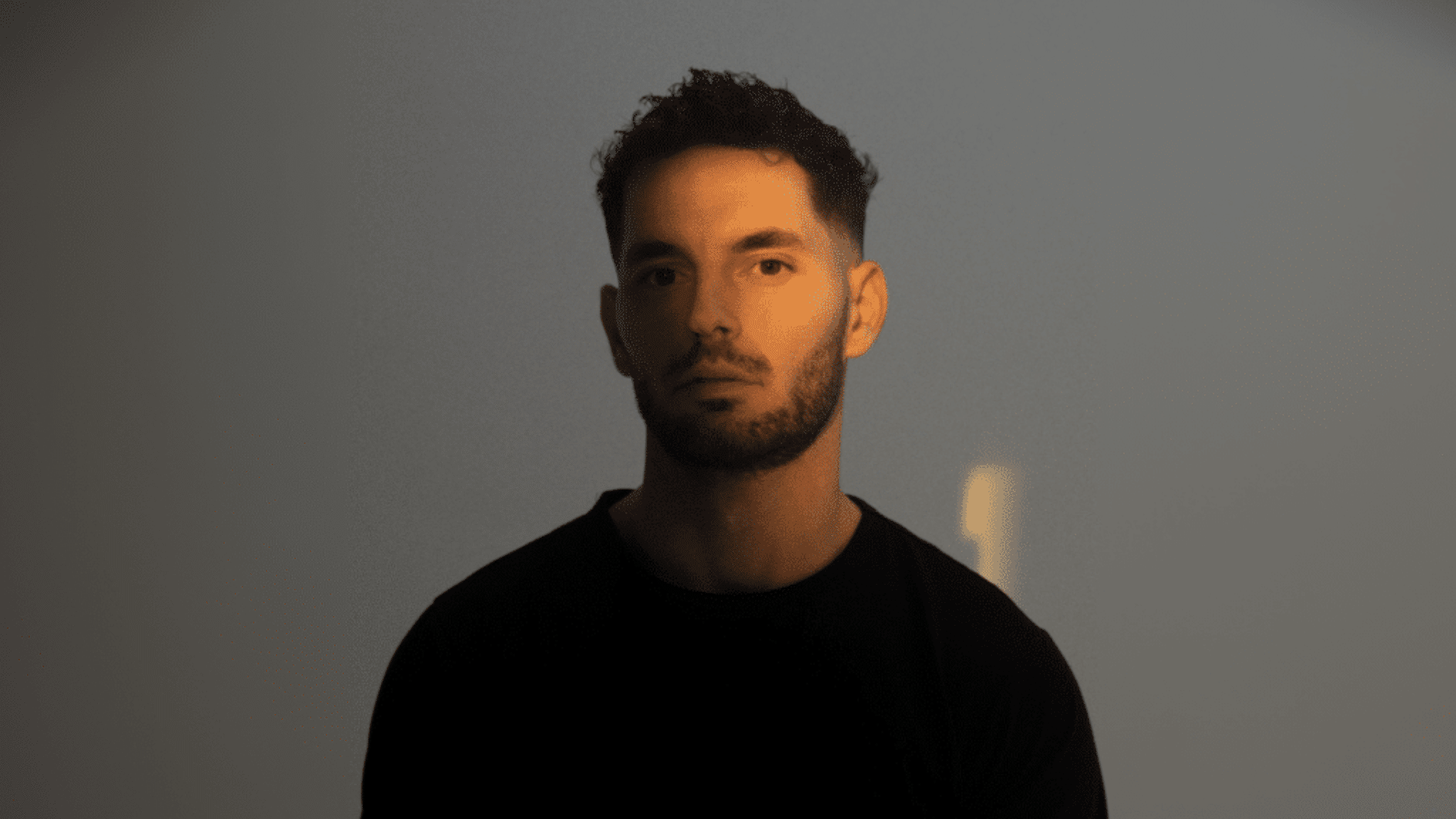
Today, Alex is an award-winning filmmaker based in Hollywood, Florida. TimeThread Studios, his independent production company, serves as the creative and production banner for his narrative film work, built to develop, finance, and produce his original cinematic projects rather than to operate as a documentary or reality television house. His current slate includes “The Divide,” currently in development, and the completed 20-minute crime thriller “Fail Safe,” set for release this fall. Both are financed without a traditional studio check.
“I don’t have to wait for anybody anymore,” he says. “If I have an idea, I can figure out the means to do it.”
Building the Audience That Became His Studio
Alex started his channel as straightforward education: breakdowns of shots, gear, and technique. Some videos performed far beyond what he expected. A shot-breakdown video passed a million views, and a video following the making of a hostage scene drew roughly 500,000, evidence that viewers existed well beyond people already working in film.
“What works on YouTube is my audience wants to know how to make films,” he says.
That audience turned into distribution, marketing and proof of demand rolled into one, the exact function a studio’s marketing department used to serve. TimeThread Studios, in its current form, is not an agency taking on outside marketing clients, but Alex’s personal production company, built to make his own films with his own crew, funded by his own channel.
Turning Sponsorships Into Film Financing
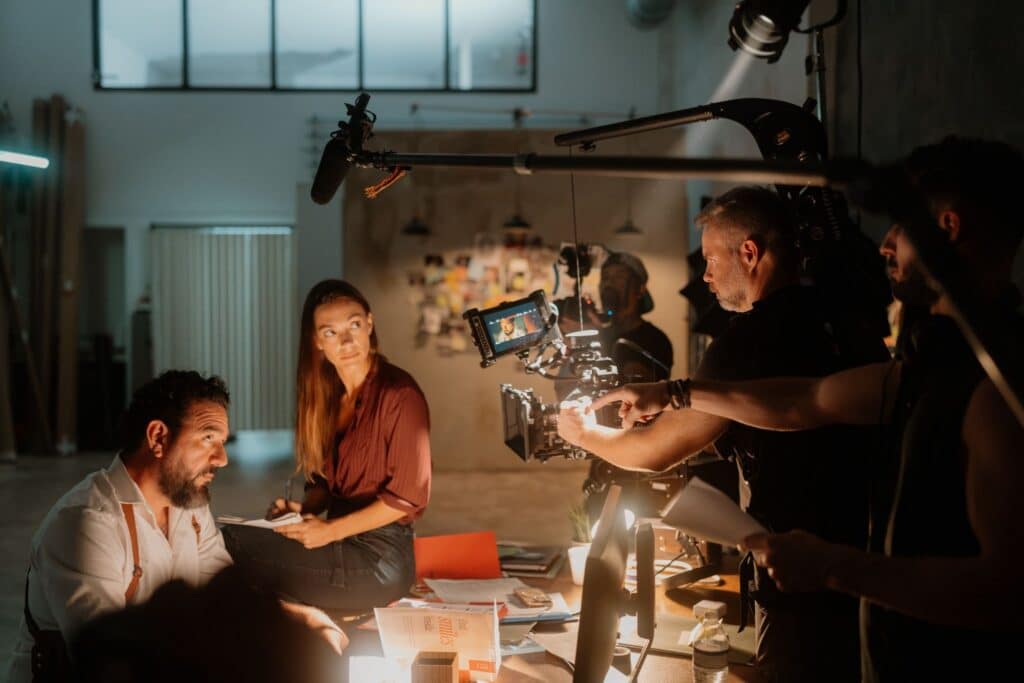
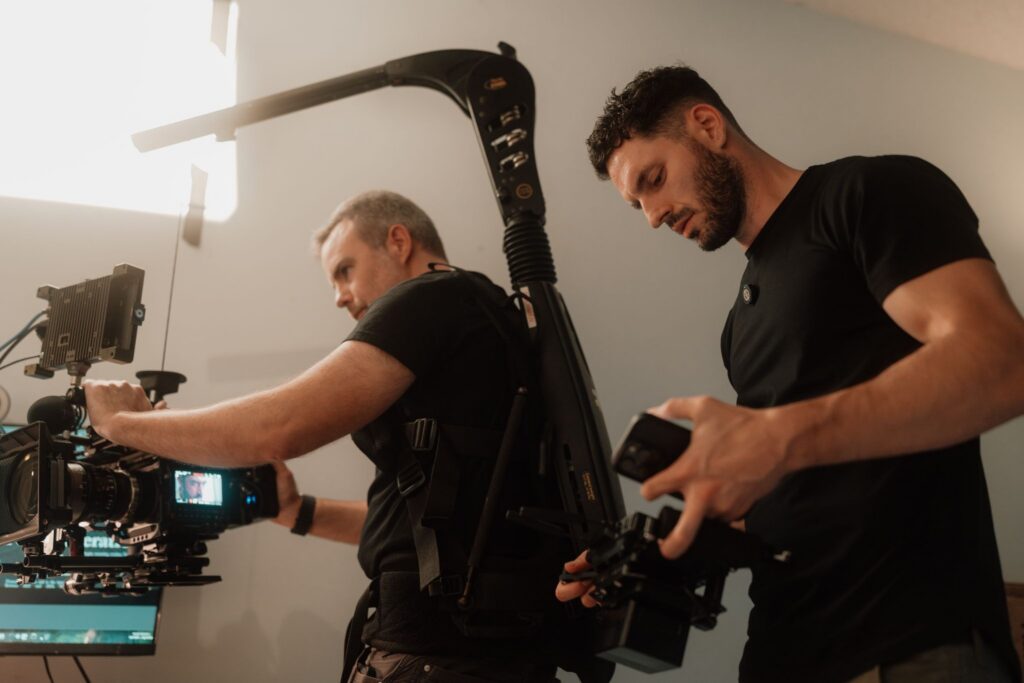
The clearest evidence of that shift is how Alex actually pays for a film. His completed 20-minute short, “Fail Safe,” was financed the same way his earlier work was: through sponsorship built on behind-the-scenes content rather than a single check from a studio. The model traces back to “The Divide,” where he and his team first posted footage of the production process, expecting it to generate interest, and it did.
“We actually were able to partner with companies like Aputure, which is a huge lighting company,” he says. “They sent us out all the lighting for the project and all the lighting for all of our projects, actually. And then Blackmagic jumped on board.”
Sponsors get their gear shown inside an actual film production rather than in a stand-alone review, and Alex gets equipment and cash in exchange for an honest account of how the product performed. “I have to be very clear to my audience,” he says. “If I like the product, I’m going to tell them exactly what I like about it and what I don’t like about it.”
That trade, in his telling, favors him more than his past dealings with streaming executives did. Those platforms dictated what he could and couldn’t do creatively, he says, while sponsors mostly don’t. “They don’t care as long as the viewership is there and as long as I’m having fun,” he says. “They’re like, go for it.”
Adding Courses and Subscriptions to Fund Bigger Projects
The newest layer of Alex’s financing stack is a filmmaking course, which he says drew more than 3,000 early sign-ups before launch. He frames it less as a side product than as a mechanism meant to eventually reduce his reliance on smaller brand deals.
“The course and what we’re doing is not only drawing interest from our fan base and our viewers, but it’s also something that I believe is going to replace even a lot of the low-level sponsorship that I have,” he says. His model, as he describes it: a project generates content, the content becomes a course, and the course funds the next film while pulling in more sponsorship at the same time.
Alex also runs Film Vibes, a separate company generating monthly subscription income, alongside the course. Even with those additions, the math behind an independent short remains tight. “Fail Safe” cost between $25,000 and $30,000, a figure Alex says he is funding entirely through his YouTube channel, a cost that “does not allow me to sleep and have weekends.” He is candid about the limits of the model as it stands now. “It’s not necessarily a bad thing,” he says, “but it’s not something that I believe is long-term sustainable.”
The Creator Funnel: Instagram Finds, YouTube Converts
Alex treats his two main platforms as separate stages of the same funnel rather than as competing feeds. Instagram operates on a three-to-five second clock, built around quick gear hits rather than tutorials, and its job is discovery, not community. “You have maybe three seconds, three to five seconds, to get someone’s attention,” he says.
That short window feeds a longer one. Companies discover him through a short Instagram video with 30,000 or 40,000 views, follow the account, then resurface weeks later with an offer for his talent agency, Viral Nation, aimed at his YouTube channel. “It’ll be maybe three, four weeks later I’ll get them to reach out to Viral Nation, probably for a sponsorship on my YouTube channel,” he says. “I think that they find you on Instagram a lot quicker.”
YouTube, he adds, remains the bigger draw for sponsorship dollars; Instagram’s reach is simply quicker and easier to attain.
Betting on Freedom Over Studio Approval
Alex applies the same logic to the newest disruption facing his industry. He doesn’t treat artificial intelligence as a threat, comparing the current anxiety to the earlier transition from film stock to digital, and he used AI tools on “Fail Safe” for set extensions and establishing shots that would otherwise have required travel and money he didn’t have. “We’re not stripping away any of the human performance,” he says. “The story is still human.”
Alex has a specific definition of success, and it isn’t subscriber count. What he wants instead is a budget and a crew he doesn’t have to ask anyone’s permission to use, and an audience willing to show up for whatever he makes next.
He hasn’t entirely made peace with the earlier rejections. “I’m a little bit hurt by all the major streaming platforms,” he says, before adding that he’d eventually like to buy one of them himself. The larger ambition, though, is less about settling a score than proving a model: a creator with enough sponsors, a course and a subscription business can fund real films without a studio’s money, or its notes.
“I think success equals freedom,” he says. “I have the freedom to create. That’s all I want.”
Subscribe to Our Newsletter
Check Out Our Podcast