


Agency
JDS Projects’ Jenny Dinh Safransky Breaks Down Her Agency’s Long-Term Talent Strategy

For Jenny Dinh Safransky, creator management is not about sponsorship rates or follower counts. Instead, it’s about alignment, sustainability, and building businesses that can outlast any single platform or campaign cycle.
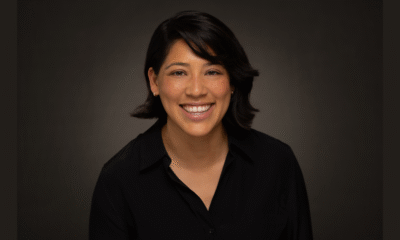
As the founder and Head of Strategic Partnerships and Talent Management at JDS Projects, Jenny has built a boutique agency focused on helping creators, subject-matter experts, and community leaders turn short-term visibility into long-term careers. Founded in 2020, JDS Projects operates at the intersection of influencer marketing, brand partnerships, and business strategy with an approach shaped as much by Jenny’s years inside major brand organizations as by her firsthand experience working with independent creators navigating a volatile market.
“I represent more than just influencers,” Jenny says. “I champion creators and experts and community leaders.”
That distinction sits at the core of JDS Projects’ value proposition and explains why the San Francisco Bay Area-based agency has remained intentionally small, highly curated, and deeply hands-on as the creator economy continues to professionalize.
From the GRAMMYs to Creator Advocacy
Before launching JDS Projects, Jenny spent more than a decade in brand partnerships and marketing roles, most notably at The Recording Academy, where she worked on partnerships tied to the GRAMMY Awards. There, she helped secure and manage multi-million-dollar brand relationships with companies including Mastercard, Hilton, Delta, and Pernod Ricard.
“I was working with major brands like Mastercard, Hilton, Delta, and doing everything from start to finish,” she says. “From pitching the brand partnership to reviewing the contracts to managing the relationships and execution of the deliverables.”
That experience gave Jenny a rare vantage point: she understood not only how brands evaluate partnerships, but also how deals are structured internally. This knowledge would later prove critical when she began advocating on behalf of creators rather than corporations.
The decision to start JDS Projects coincided with a personal and professional inflection point. After becoming a mother in 2020, Jenny began reassessing how she wanted to apply her expertise.
“I was wondering to myself, ‘How do I leverage my expertise to do something more purpose-driven?’” she shares.
Her answer was to bring brand-side rigor and negotiation experience to creators who often lacked the resources or leverage to handle partnerships on their own.
Identifying a Structural Gap in Creator Pay
As Jenny researched talent management, she noticed a persistent imbalance in how value flowed through influencer marketing, particularly for women and creators of color.
“When I did my research, I found that female influencers were being paid less than their male counterparts for the same type of work,” she says. “And specifically, women of color were being paid less than white influencers.”
Rather than building a high-volume agency chasing scale, Jenny designed JDS Projects around advocacy and strategic positioning. The agency works mainly with micro and mid-tier creators across categories, including wellness, finance, sports, lifestyle, and entrepreneurship, many of whom are also working professionals or subject-matter experts outside of social media.
Her role, she explains, is to serve as both advocate and thought partner, handling negotiations, pricing, and long-term planning so creators can focus on building trust with their audiences.
“They’re first and foremost creators; they know how to create and build community,” she says. “ So I help bridge the gap between their creative work and aligning with the right brand partnerships and business opportunities.”
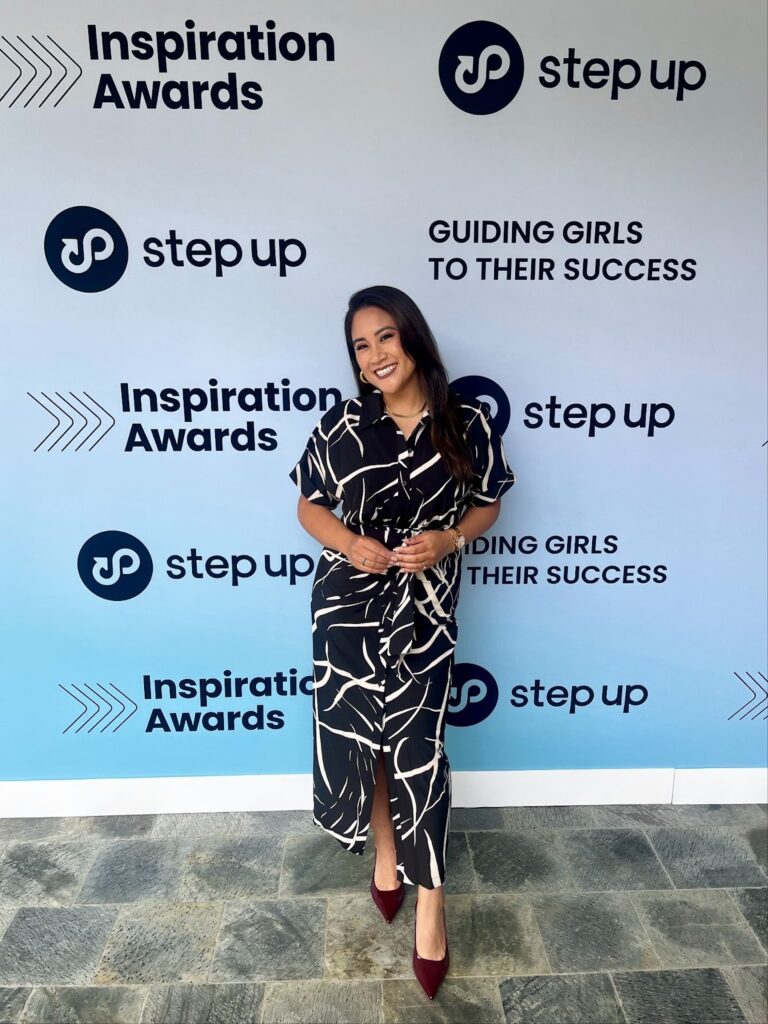
Photo: Jenny at a Step Up “Inspirational Awards”
Source: Jenny D. Safransky
A Long-Term Mindset from the First DM
Jenny’s first creator partnership set the tone for how JDS Projects would operate. Five years ago, she reached out via Instagram DM to Dr. Leada Malek, a sports physical therapist who had recently started posting educational content online after being laid off during the pandemic.
“She was at like 5,000 followers,” Jenny recalls. “And said to her, ‘Hey, if you ever have any brand deals that come through, just let me know.’ And she was like, ‘What does that even mean?’”
Today, Malek has grown to over 250,000 followers across platforms, with her educational content seen by millions.
A month later, Malek received outreach from Aleve and Advil and turned to Jenny for guidance. That initial negotiation has since grown into a long-term working relationship that has expanded into publishing, speaking, and media opportunities. “Now she’s an author of ‘The Science of Stretch,’ she’s spoken on stages, she’s been in 100-plus media placements,” Jenny says. “She’s so many things beyond content.”
For Jenny, that trajectory underscores why true management must go beyond sponsored posts. “Brand deals are just one piece of the puzzle,” she says. “The real question is how creators build a business that isn’t dependent on sponsored content alone.”
What JDS Projects Actually Does and Doesn’t
Unlike many management firms, JDS Projects intentionally limits its roster to around nine creators at a time. Jenny currently runs the agency as a solo operator, balancing talent management with consulting, operations, and motherhood. “I am currently a one-woman show,” she says. “And I’m also a mom of two.”
That constraint has dictated how the agency evaluates talent and structures relationships. Namely, creators must already demonstrate consistency, a defined niche, and an understanding of their audience before Jenny considers representation.
“Following matters to a certain extent,” she says. “But, more than that, are you showing up consistently? Are you a subject-matter expert? Do you understand your community?”
Creators who see management purely as a way to secure brand deals are often not a fit. “That is a red flag immediately,” Jenny says. “We help grow your brand beyond sponsored content. We really help you build a business.”
Building Businesses, Not Just Influence
Once a creator signs with JDS Projects, the first 60 to 90 days are structured around strategy rather than volume. Jenny conducts a full audit covering content, monetization gaps, pricing, and long-term opportunities, often identifying revenue streams creators hadn’t previously considered.
“I create a whole deck: an audit and a strategy,” she says. “What are the missing opportunities? How can you monetize your business in addition to brand deals?”
In several cases, those early months have resulted in a major financial upside. Jenny notes that new clients often secure more than $30,000 in partnerships during the initial onboarding phase, largely by correcting underpricing and repositioning their value.
“They were lowballing themselves,” she says. “I give them the confidence that it’s okay to charge this amount.”
Just as important, she adds, is helping creators diversify income through books, speaking engagements, consulting, and digital products, ensuring they’re not overly dependent on fluctuating brand budgets.
Treating Creators as Strategic Partners
Jenny is vocal about what she believes brands still misunderstand about creators. “They are not just content creators,” she says. “They’ve built strategic communities. They should be treated as thought partners.”
That philosophy extends to how she evaluates brand fit. For Jenny, alignment matters more than rate, especially for creators whose credibility is tied to expertise.
“If a supplement brand reaches out, my client wants to know, ‘Is it science-backed? Have I used it?’” she says. “If the answer is no, we pass.”
She argues that this approach ultimately benefits brands as well. Long-term partnerships, rather than one-off activations, produce more authentic content and stronger audience trust, according to Jenny.
Why Micro and Mid-Tier Creators Still Matter
Jenny believes brands often misallocate spend by concentrating large budgets on a few creators. “I truly believe micro and mid-tier influencers are still the way brands should work,” she says. “They’re still talking to their audience. They still have that connection.”
Her creators, she notes, are still replying to DMs themselves, not through automated systems, which she notes reinforces trust and engagement that mega-creators often struggle to maintain at scale.
That doesn’t mean large creators lack value, Jenny clarifies, but brands must align spend with objectives. “What is the goal of your campaign?” she asks. “Do you want brand awareness, or do you want long-term brand affinity?”
Community as a Competitive Advantage
Internally, Jenny has built systems that prioritize connection and shared learning. She hosts quarterly group meetings where creators across different niches exchange insights, discuss challenges, and hear directly from brand and agency partners.
“Being a creator can be lonely,” she says. “When I bring them together, it helps them feel like they have support along this journey.”
This emphasis on community mirrors the values Jenny promotes externally, such as collaboration, transparency, and sustainability.
Scaling Carefully
As Jenny looks toward 2026, her priorities include delegating operational work, investing in better tools, and selectively expanding the roster, without sacrificing the agency’s core philosophy.
“I really pride myself on representing a very curated roster,” she says. “I don’t want to grow just to grow.”
She also plans to expand the consulting side of the business, advising brands on working more effectively with creators, informed by her dual experience on both sides of the partnership table.
In the long term, Jenny hopes brands increasingly recognize creators as strategic collaborators rather than as distribution channels. “My creators are not just content creators,” she emphasizes. “They are strategists. They are creatives. They can consult for your brand.”
For Jenny, the future of the creator economy belongs to those who treat influence as a business, and partnerships as relationships, not transactions.
“I want brands to come to JDS Projects as the go-to for creators and subject-matter experts,” she concludes. “Because these creators are more than content. They’re building something that lasts.”
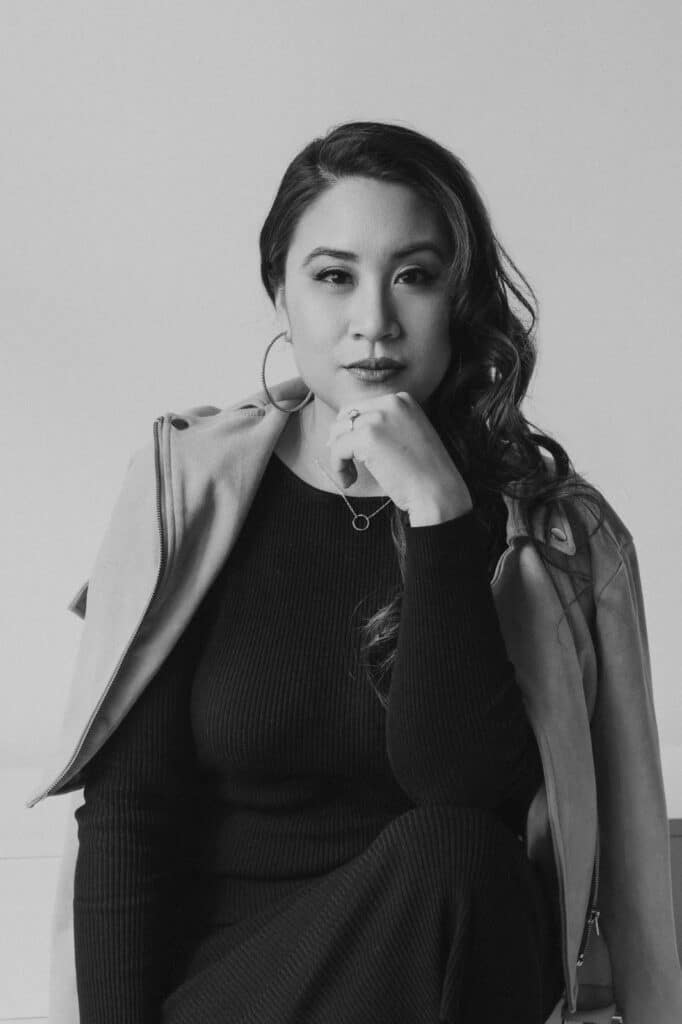
Photo credits: Analy Photo