




Influencer
How Josh Zilberberg Built A Creator Business Where Personality Does The Heavy Lifting

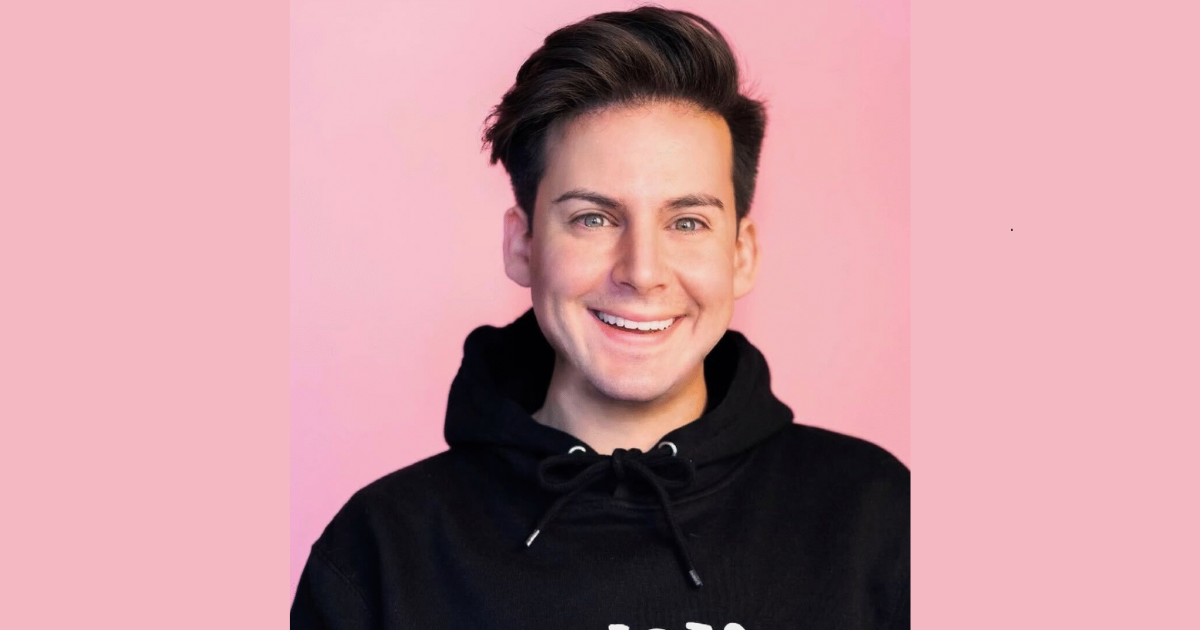
Josh Zilberberg is a Toronto-based creator whose rise did not follow a traditional influencer playbook. Before building a multi-year creator business rooted in humor, commentary, and relatability, he worked in sales at a high-end furniture showroom, selling luxury pieces to designers and homeowners planning large renovations. It was a stable career, but not one he expected to define him.
“I never really knew what I wanted to do for a career,” Josh says. “My job was okay, but I never really found anything that felt like me.”
That changed in early 2020. As COVID lockdowns stalled in-person retail and TikTok began accelerating into the mainstream, Josh started posting casually, treating the platform less like a career move and more like an extension of his own social media presence.
“I was kind of treating it like my personal Instagram,” he says. “Just for my friends.”
What followed was not a single breakout moment, but a steady accumulation of attention. One video resonated, then another and, over time, Josh built an audience that didn’t just follow his content, but recognized themselves in it. Six years later, he operates as a full-time creator whose business is defined less by aesthetics or trends and more by voice, humor, and audience trust.
“I never really tried to become a creator,” he says. “It just happened.”
From Accidental Creator to Intentional Operator
While Josh’s entry into the creator economy was unplanned, the way he runs his business today is anything but accidental. What distinguishes his approach is a clear understanding that his personality is not simply a creative trait. It is the operating system of his entire business.
“If I just talk about a product and I’m not being funny or being myself, it’s not going to work,” he says.
That insight has shaped everything from his content process to the partnerships he accepts. Josh does not see personality as an interchangeable layer that can be adjusted to fit a brand brief. Instead, it functions as infrastructure: it determines how content is made, how audiences engage, and whether brand integrations land or fail.
According to Josh, this is where many brands struggle when working with personality-led creators. He has seen briefs designed for aesthetic or tutorial-based creators applied wholesale to humor-driven talent.
“A lot of brands still think one size fits all,” he says. “They’ll take an idea that works for a beauty creator and apply it to a personality creator. It doesn’t translate.”
Why Humor Drives Distribution, Not Just Entertainment
Josh’s content is rooted in humor, but not as decoration. Comedy is the mechanism that makes his content move. He evaluates success less by surface-level engagement and more by how often content is shared person-to-person.
“If I see something and I text it to a friend, that’s when I know it landed,” he says. “That’s more than just a viral video. That’s people wanting to talk.”
This philosophy reframes humor as a distribution infrastructure rather than creative flair. Josh notes that content that feels relatable or sharply observed is more likely to be shared, discussed, and remembered.
Yet, the influencer believes comedy remains undervalued in brand partnerships. “I think a lot of people on the brand side don’t see the value in an ad being comedy-first,” he says.
The irony, he notes, is that campaigns that let humor lead are often the most memorable.
“The brands that lean into it and let it happen, I’ve seen those ads go viral,” he says.
Engagement Over Optics
Early in his creator career, Josh assumed follower count was the primary signal of success. That belief did not last.
“I thought followers meant everything,” he says. “That’s such a common misconception.”
Over time, he began paying closer attention to how audiences actually interact with content. Likes, he argues, are easy. Shares, saves, comments, and reposts indicate real investment. “You can like something in two seconds,” he says. “But if you share it, that means something.”
This mindset also informs how brands should evaluate creators. Josh argues that a smaller, highly engaged audience often delivers more value than a larger but passive one, particularly when the creator’s voice is central to why people show up.

Josh and his partner, Jack, in Copenhagen
Long-Term Partnerships as Strategic Alignment
Because personality sits at the center of his content, Josh has gravitated toward long-term brand partnerships rather than one-off posts. These relationships allow him to integrate products into his content naturally over time.
“I’ve found the deepest success with longevity,” he says.
Instead of isolated placements, brands invest in recurring appearances that reinforce familiarity and credibility. “People see it as a callback,” he says. “It brings the product back to the front of their mind.”
For brands, this approach offers a different kind of return: not just exposure, but sustained association with a trusted voice. For Josh, it also deepens his own investment in the product.
“It becomes more genuine,” he says.
Creative Freedom as a Performance Requirement
Josh, who is managed by Greenlight Group, is clear about what makes partnerships fail. Over-scripted content and rigid creative control often strip out the very element that makes personality creators effective.
“If a brand wants an infomercial, it’s not going to translate,” he says.
He sees his role as translating brand messaging into language his audience already trusts, rather than delivering talking points verbatim.
“Of course, brands have things they need to say,” he says. “But allowing me to express that in my way is what makes it land.”
That requires trust and a willingness on the part of brands to accept content that may not resemble traditional advertising.
“Don’t take yourselves so seriously,” he says. “The campaigns people remember are the ones that let the creator be themselves.”
The Voice Is the Asset
Josh says his biggest learning curve on the business side has been learning to value his voice properly.
“Not second-guessing myself,” he says. “And not doing what everyone else is doing because it seems right.”
Early partnerships that didn’t align with his audience or values underperformed. Today, he is more selective, even when it means turning down opportunities. “If it’s not genuine, people can tell,” he says.
As he looks ahead to expanding into podcasts, long-form content, or traditional media, the principle remains unchanged. “It has to be completely me along the way,” he says.
For brand marketers, Josh’s career offers a clear lesson: personality is not an accessory in creator marketing. In many cases, it is the infrastructure. Treat it like a system (not a surface), and the results follow.
“I want to be doing this long-term,” he says. “And that only works if the voice stays real.”
Subscribe to Our Newsletter
Check Out Our Podcast