



Agency
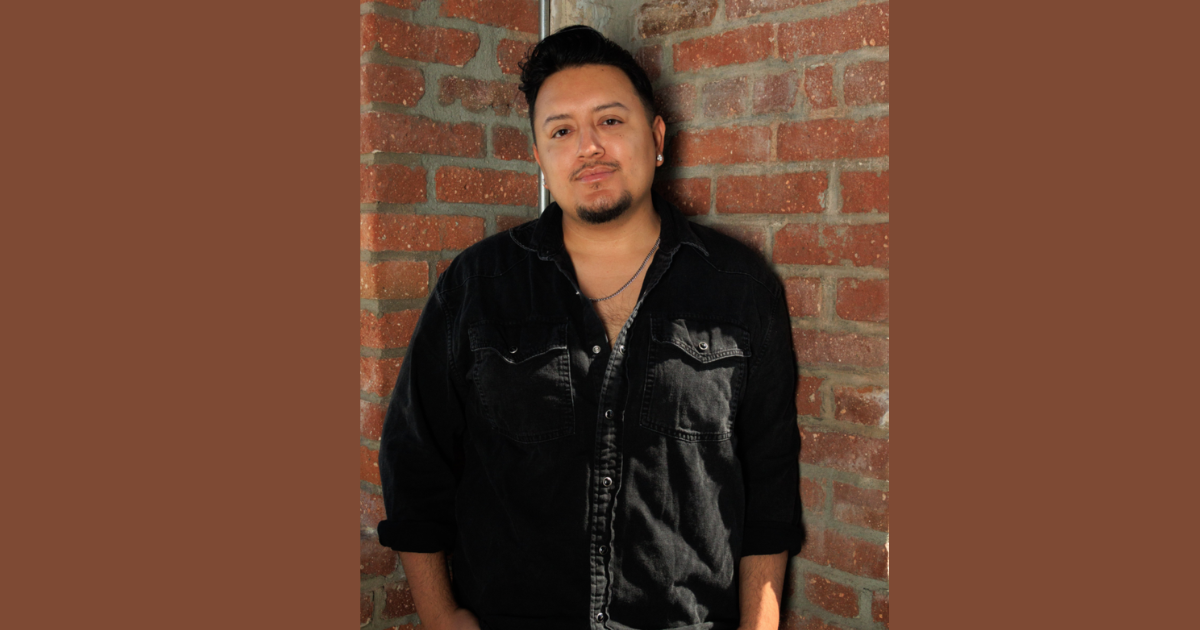
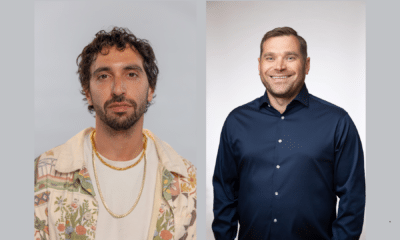
Former Brand Insider Carlo Lupercio Wants To Empower Latino Creators

Influencer Marketing budgets are growing, but the creators selected for those campaigns often do not reflect the audiences that brands say they want to reach. Carlo Lupercio spent nearly five years making those decisions from inside a major brand and says one filter kept appearing in the process: brand niches. Being on the other side now, he wants brands to step outside typical niches for new user growth and reach.
Lupercio Media., launched in October 2025 and based in West Hollywood, represents Latino, Latina, LGBTQ, and other culture-led digital creators across more than 20 content verticals. Carlo founded the company after working on celebrity and influencer partnerships at a fashion resale marketplace, where he says campaigns outside the company’s usual creator lanes often produced broader audience reach.
“I always ensured that the campaigns were diverse and tapping different niches,” Carlo says. “When we partnered with creators outside our typical niche, we saw user growth. We saw more brand awareness.”
His move from brand-side decision-maker to talent representative gives him a vantage point on where diverse creators fall out of campaign shortlists, and why.
The Double Standard Inside Brand Safety
Few phrases carry more weight in Influencer Marketing than “brand safety.” It determines which creators get shortlisted and which get filtered out before a brand representative even reads a pitch. Carlo argues that the standard is not applied consistently, depending on who the creator is.
“What is brand safe for a white creator is not the same as what is brand safe for a creator of color,” he says. “If you are a creator of color, not only does your profile have to fit a certain aesthetic, but if a brand rep comes across it, they’re just checking all these boxes.”
In his account, diverse voices are often eliminated “for just the simplest, most rigid rule,” rather than by genuine concerns about campaign alignment.
The problem, Carlo argues, is structural rather than intentional. When diverse voices are absent from the rooms where campaign decisions are made, the criteria used to evaluate creators reflect the blind spots of whoever is setting them. “It could be as simple as there not being enough diversity in the rooms making the decision,” he says.
The Cost of a Missed Cultural Moment
Carlo points to two high-profile events to illustrate what brands forfeit when they default to familiar rosters. Bad Bunny headlined the Super Bowl halftime show. Karol G became the first Latina headliner at Coachella. In both cases, Carlo says brand activation around Latino creators was minimal.
“There weren’t a lot of brands that were activating around that moment, which I think was a huge missed opportunity,” he says of the Coachella booking. “I also don’t think there were enough Latino or Latina influencers included in campaigns around the Super Bowl either.”
The gap extends beyond individual campaigns. When a creator of color lacks management capable of guiding a career over time, brand inbounds that arrive at peak momentum go unmanaged and dissipate. “There is a lot of money being left on the table,” Carlo says. “And that also widens the gap of the diversity issue.”
He also cites the community-driven nature of Latino audiences as an amplifier that brands are systematically discounting. “Could you imagine if someone is an influencer who has that community, what they could do if they just partnered with a brand? They could amplify it ten times over,” he says. “It’s powerful.”
What Lupercio Media. Does Differently
Rather than just pitching brand partnerships, Lupercio Media. layers in something Carlo believes his creators were not getting elsewhere: a strategic roadmap for their careers.

“Creators were signed to other agencies for a year or two and just weren’t getting brand inbounds or their outreach wasn’t successful,” he says. “Part of the mission for me is setting them up for success so they have access to monetization opportunities, not just within brand partnerships, but other opportunities as well.”
That means working with creators on content positioning, platform strategy, and how their profiles read to brand representatives before any pitch goes out. Some creators on Lupercio Media’s roster carry engagement rates of 5% to 17%, metrics Carlo cites when responding to brands that question whether Latino audiences translate into domestic consumers.
“Brands have shared that they want to understand what the U.S. audience is when I reach out about a Latino or Latina creator,” he says. “To me, that’s wild, because they do have such a strong U.S. audience.”
The agency’s longer-term strategy also encompasses film and television, which Carlo identifies as a converging frontier for digital talent. “Hollywood TV and film studios are really seeing and identifying opportunities in the creator economy,” he says. “There’s a huge miss for creators that aren’t represented fairly or given the full attention they deserve.”
Paid Diversity vs. Performed Diversity
Brands talk about inclusion. Carlo draws a cleaner line: who gets paid.
“For a brand to really be diverse, its paid opportunities need to be diverse as well,” he says. “Oftentimes, we see brands tend to be diverse when it comes to events or certain rooms. But really, if a brand wants to showcase diversity, it’s ensuring that creators of color are paid fairly, paid what they’re worth.”
The pattern he describes is one where diverse creators are welcomed into a brand’s orbit through gifting activations or event appearances, without those relationships converting into revenue. “Creators of color are often limited to gifting opportunities or event moments,” he says. “I would love to see more brands tap into diversity through paid opportunities.”
There is also an information asymmetry problem. Many creators, particularly first-generation Latino creators, enter the industry without knowing what standard market rates look like. “If you don’t know what you are worth, you’re likely going to sell yourself short,” Carlo says. “It’s very important for creators to be knowledgeable of the standard market rate for content.”

The First-Gen Calculus
Carlo traces the representation gap partly to cultural expectations around risk and stability that shape who enters the Creator Economy in the first place.
“Being first gen, stability is one thing that we always strive for,” he says. “That’s why we go to college, why we pursue careers in corporate. I think sometimes if people of color want to be a content creator, their family may not be as willing to support it because we’re often told to follow the traditional, safe route.”
For other first-generation founders watching him build in public, his advice centers on patience over speed. “Remind yourself that the goal or the reward isn’t necessarily measured by how fast you can do it,” he says. “It’s measured by the little moments in between, because that is what is building the bigger picture.”
His own outreach has leaned on in-person relationship building rather than cold email, a method he credits to his time on the receiving end of agency pitches at Poshmark. “Brand partnerships and marketing are really built on relationships,” he says. “Just because you receive a pass, it doesn’t mean that the door is fully closed.”
The Fix Brands Can Make Tomorrow
Carlo is not waiting for the industry to correct itself. A launch event bringing creators together in Los Angeles is weeks away, and he is actively opening conversations with brands that want to understand diverse campaign building rather than merely claim it.
“I’d always be open to a conversation to show them what the power of a diverse audience is, but also the growth opportunities and revenue opportunities when they tap into diversity throughout their marketing campaigns year-round,” he says.
The systemic fix, as he frames it, is less complex than brands make it seem. “Take a look at your creator roster, not just the one that you have but also that your agencies have,” he says. “You may find a gap in representation. A lot of times, brands say influencers are charging too much, or we’re not sure why people aren’t buying our product. A lot of times it can be as simple as missing out on a key audience that would really resonate with your brand.”
For Carlo, the case for inclusion is ultimately commercial rather than moral. “I don’t ever hear a brand say, ‘We tried diversity, and it didn’t work,’” he says. “When you include diversity in your campaigns, you’re representing a majority of the world. People feel seen. People feel heard. And people want to buy the product you’re selling.”
Subscribe to Our Newsletter
Check Out Our Podcast