

Strategy
Creator Economy’s Cannes Moment Is Real. The Hard Work Is Everything That Comes After

Creator marketing has been working its way toward the center of Cannes Lions for several years. This year, it appears to have arrived.
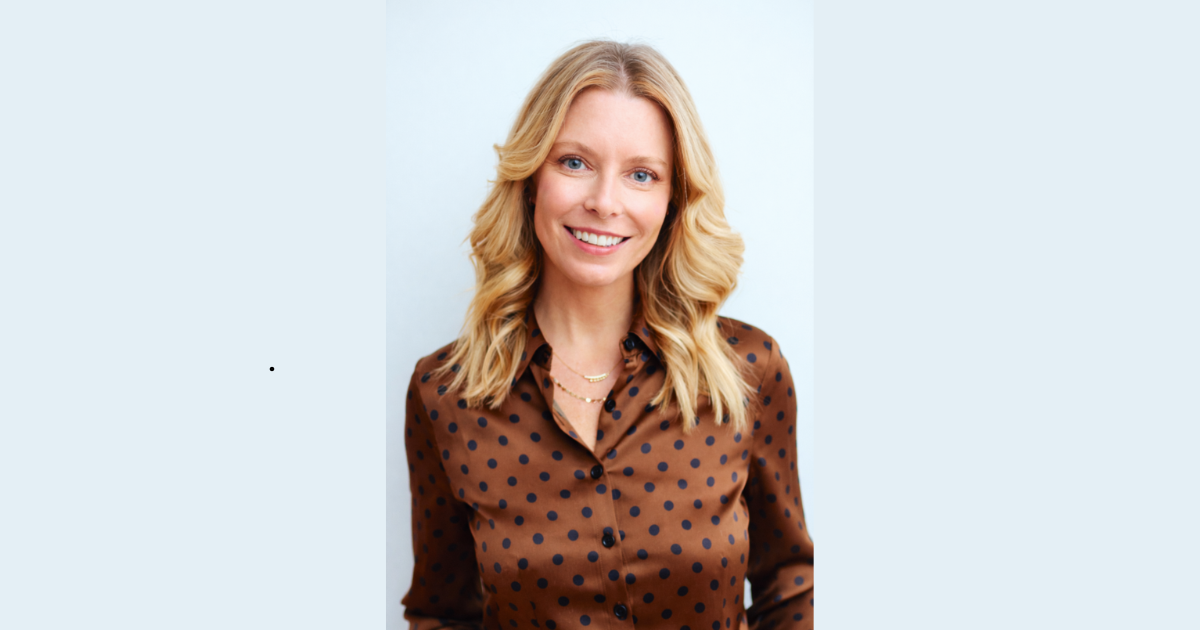
The most telling signal, according to Jenny Penich, is not the expanded creator programming at the Palais Beach. It is who else is showing up: CTOs and heads of product, she says, are heading to the Croisette in numbers she has not seen before.
Jenny has attended the festival multiple times. As President of North America and Global CMO at Influencer, an international agency that has run more than 6,000 brand campaigns through its AI-powered platform Waves, she carries a publishing veteran’s perspective into a creator-economy role: more than two decades at VICE Media, Refinery29, and Time Inc. before joining Influencer in early 2023. Her frame is commercial, not cultural, and it shapes how she reads the moment Cannes represents.
“This year really feels like creators truly have a seat at the table,” she says, describing discussions that have moved from defending creator marketing as a legitimate channel to examining how it integrates into commerce, product, and long-term strategy. “We firmly believe that creator marketing is moving from a campaign tactic to truly looking at creators from an omnichannel lens,” she adds.
For Jenny, the progress is real. The question is what brands do with it.
The Funnel Did Not Collapse. It Changed.
Among the neater pieces of received wisdom circulating ahead of this year’s festival, according to Jenny, is that the marketing funnel has collapsed. The argument, advanced by TikTok and others, holds that discovery and purchase can now happen so quickly that they are effectively the same moment.
Jenny pushes back. “I don’t know that it’s collapsing,” she says. “I think it’s just changed. From discovery to purchase can happen in one fell swoop, which looks different than it did before.”
The distinction matters practically. A collapsed funnel implies old frameworks are obsolete. A changed funnel means the stages still exist, but the sequence has shifted. Brands managing creators as upper-funnel-only tools are working from a map that no longer matches the territory.
Influencer launched a commerce division earlier this year in direct response to that shift. Jenny notes the move followed client demand that was already building. “We were already seeing the need from our brand partners to really address that shift in their own marketing plans,” she says.
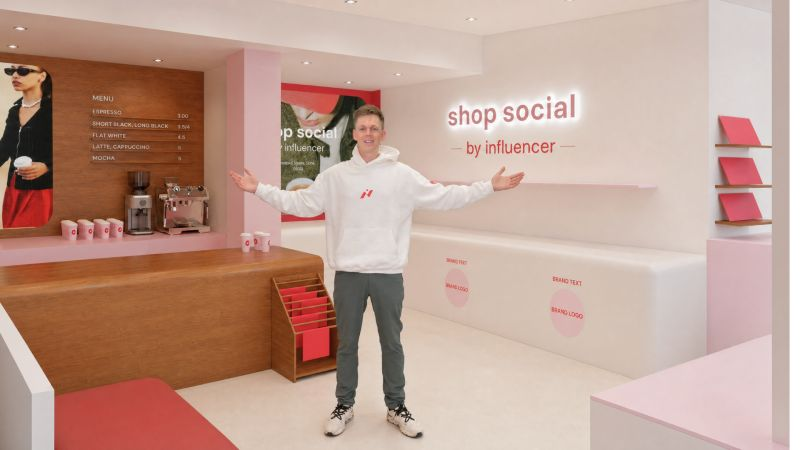
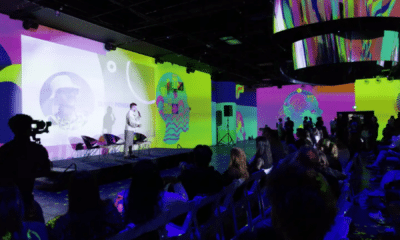
Photo: Influencer’s Shop Social event in SoHo, London, June 10-11, 2026
Why Award-Winning Campaigns Still Miss the Business Point
LIONS Creators is in its early years as a formal track at the festival, with its awards criteria for creator work still maturing. Jenny reads the direction as broadly positive. Caspar Lee, one of Influencer’s co-founders, served as a juror in the creator category last year, a signal she takes as the industry placing real practitioners in the right conversations.
But she argues the process needs to go further. “I think we do need to probably take it a step further to look beyond social impact,” she says. Creator campaigns can involve hundreds of individual creators, and the operational scale of that work deserves recognition alongside cultural resonance. More fundamentally, Jenny notes, the awards should ask whether a campaign drove measurable business outcomes.
The pattern she identifies in campaigns that earn attention but deliver little commercially is consistent. “A lot of brands still view creator marketing truly as maximized attention versus it solving for a specific business objective,” she says. Creator content gets bolted onto event plans. Social calendars get creator slots filled. “If you’re still thinking about creators as a tactic versus something that is driving measurable outcomes, the way you would look at performance media, that is sometimes where they get it wrong,” she says.
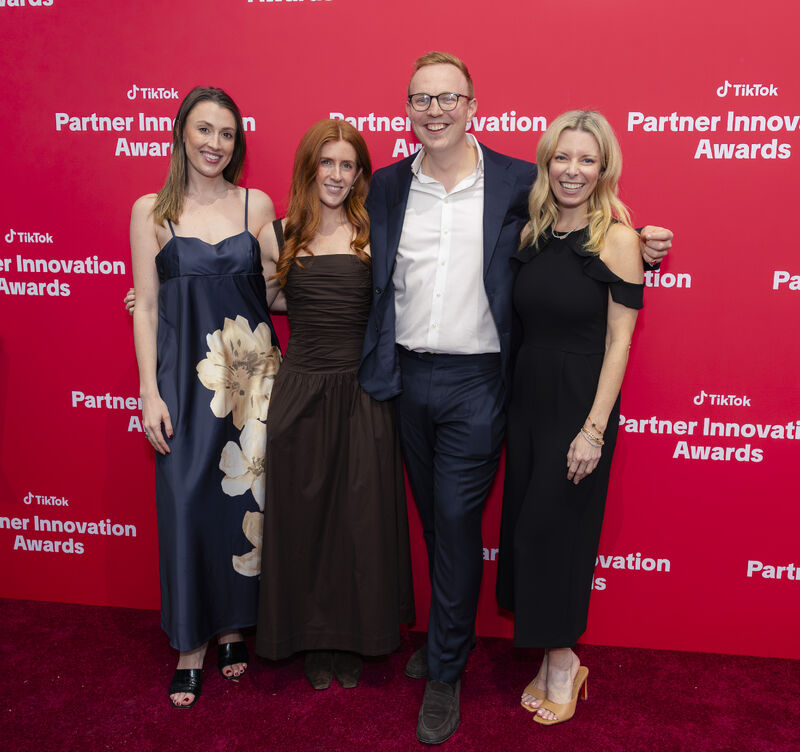
Photo: Sarah Bowden, Kellie Matzen, Ben Jeffries, and Jenny Penich of Influencer receiving the “Best TikTok Creator Marketing Partner (EUI)” honor
The Organizational Problem That Follows Brands to Cannes
The most durable barrier between creator marketing’s potential and what brands extract from it, Jenny argues, is structural rather than strategic.
Brand teams and performance teams inside large organizations have historically operated in parallel. Brand teams were responsible for awareness and affinity. Performance teams ran paid media, programmatic, and affiliate. Each was measured differently, and neither was built for the middle ground creator marketing now occupies.
“The brands that are bringing those teams together in a more significant way, we are really seeing them win across strategy, product development, business outcomes, community building,” she says. “The brands that are still continuing to look at them in siloed capacities, I don’t think will continue to rise to the top.”
The conversations Jenny is bringing to Cannes are not about the next campaign cycle. They are about long-term business transformation, and about making that transformation actionable for attendees who return home to organizations where brand, performance, and earned media functions still operate separately.
Craft and Authenticity Are Not a Trade-Off
One of the widespread arguments in creator marketing holds that raw, unpolished content is what makes it effective. Jenny accepts the premise but resists the conclusion brands sometimes draw from it.
“You can find authenticity and creative excellence together,” she says. “I don’t think that those two things are mutually exclusive.” The best creator work, in her view, is still shaped by detailed briefs and strategic storyboarding. “There’s still a lot of creative thought even if it’s being shot on an iPhone,” she says.
Jenny comes from publishing, where editorial rigor was non-negotiable even for quick-turnaround digital content. That background makes her skeptical of treating low production value as proof of authenticity. The failure mode is not under-investing in craft. It is over-engineering content in ways that strip out the creator’s voice. “Brands can really support that authenticity without overbranding that content,” she says.
The Conversation Most Brand Marketers Will Miss
Jenny is specific about where the most consequential discussions in creator marketing are already taking place, and it is not on festival stages.
Platform partners, including YouTube, Pinterest, and TikTok, have been running smaller roundtable sessions with agency and brand partners to shape product development. The agencies in those rooms are influencing how measurement tools, API connections, and analytics outputs are built. “If you’re not in those conversations and you’re not helping the platforms actually develop their products, you’re not having the right conversations,” she says.
For brand marketers at Cannes, she points to one area she believes is systematically underrepresented: how large language models are reshaping how creator content gets discovered and consumed. Generative engine optimization and answer engine optimization represent, in her view, the next structural shift in how creator work reaches audiences.
“What is the future of SEO?” she asks. “How are LLMs going to play a very large role in how creator content is consumed?” The brands and agencies that develop working answers now will be better positioned as algorithmic discovery continues to change.
Five Years From Now, Measurement Won’t Be the Question
Jenny’s benchmark for real industry progress is direct: five years from now, the conversations at Cannes will not be about developing measurement frameworks for creator marketing. They will happen in a world where those frameworks already exist, are globally recognized, and are applied as consistently as any other performance channel.
“We’re no longer going to be trying to understand what sort of measurement or first-of-its-kind measurement is being developed for creators as a channel,” she says. “We’re there.”
Getting there requires the kind of work that does not fit neatly into a festival session: brands restructuring teams built for a different media environment, agencies demonstrating business impact across the full funnel, and platforms building infrastructure that practitioners helped design. The question is not whether Cannes marks a genuine turning point for creator marketing. It does. The question is what brand leaders do when they get home.
“You don’t just want to be inspired,” Jenny says. “You want inspiration that can drive action.”
Cannes Lions runs June 22-26, 2026, in Cannes, France. LIONS Creators, the festival’s dedicated creator programming, takes place at the Palais Beach in partnership with Adobe.
Subscribe to Our Newsletter
Check Out Our Podcast