Brands are producing more content, distributing it across more channels, and doing so faster than ever. But a new study suggests the licensing infrastructure underpinning that content is not keeping pace, creating legal and operational exposure that many organizations are only beginning to recognize.
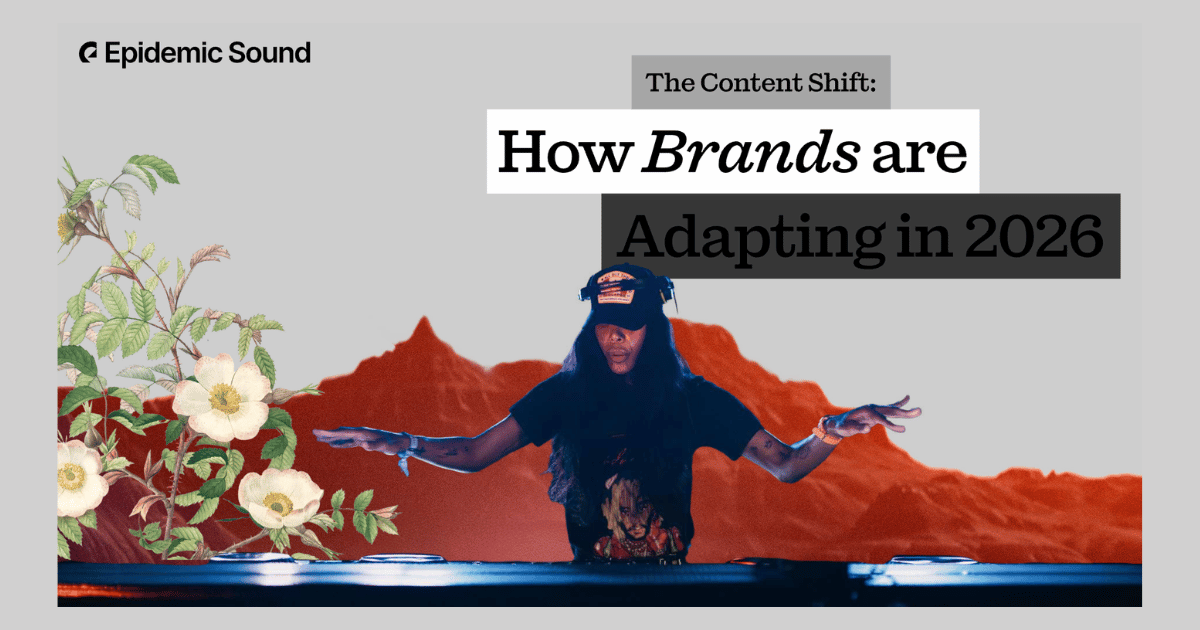
Epidemic Sound‘s “The Content Shift: How Brands are Adapting in 2026,” based on a survey of 500 organizations across the United Kingdom and United States conducted by Sapio Research in March and April 2026, finds that copyright and takedown issues have become routine for brands, and that most lack the internal systems to manage music rights at the scale at which they now operate.
A Common Problem Without a Common Fix
More than half of brands surveyed, 56%, have experienced copyright or takedown issues in the past 24 months. Yet the systems brands use to manage music rights remain inconsistent. Only 44% say they have well-defined, consistently applied internal policies for music and sound licensing. Forty percent rely on informal guidelines, and 12% report having no clear process at all.
The consequences extend beyond legal fees. Among brands that have encountered licensing issues, 31% faced re-editing or re-production costs, 30% incurred additional licensing fees, 25% reported increased legal costs, 23% experienced delayed campaign launches, 20% sustained reputational damage, and 19% lost partnership opportunities.
Sara Al Hamad, a music lawyer specializing in music rights at Russells Solicitors, identified a recurring failure point in how brands approach rights clearance. “The brands that tend to treat licensing issues as an afterthought discover the real cost when something goes wrong, a takedown during a live campaign, a rightsholder audit, or a sync license that didn’t cover the platforms the content ended up on. Music rights are territorially fragmented, split across multiple rightsholders, and genuinely complex to clear at scale.”
That last point carries particular weight as content moves across platforms. A license that covers one channel or format may not follow the content when it is boosted, reposted, or redistributed elsewhere. The report notes that AI is now being deployed not only by content creators but also by those filing infringement claims, accelerating the pace at which unauthorized usage is identified.
Concern Runs Ahead of Action
Brands appear aware of the risk but have not acted proportionally to address it. Eighty-three percent say they are at least somewhat concerned that their past use of music and sound would not withstand a formal audit or legal challenge. Only 34% currently prioritize fully licensed providers when selecting music for content.
Joanna Batemits, founder and music supervisor at CLUB S’AKOÚO, described how major rightsholders approach enforcement. “Major music companies are often slow and deliberate in building large cases they know they can win. They may allow unauthorized uses to continue for months, or even years, before taking action. By the time a claim is filed, brands can find themselves facing six-figure lawsuits.”
Batemits added that companies frequently choose private settlement rather than public litigation, noting that a public judgment can encourage other rightsholders to file similar claims.
Scale Compounds the Exposure
Ninety-five percent of brands say music licensing complexity slows production timelines to some extent, a finding that points to systemic rather than isolated friction. Seventy-eight percent have experienced at least one material consequence from licensing issues, including increased costs, additional fees, delayed launches, reputational damage, or lost partnerships.
The pressure to produce at scale is only increasing. Ninety percent of brands report feeling pressure to use AI to keep up with the speed, scale, or expectations of their industry, and 65% plan to increase their use of AI in music, sound, or content creation over the next 12 months. More than half, 52%, also plan to increase investment in music or sound specifically for content and marketing purposes.
Music’s role in content performance gives added weight to these licensing decisions. Seventy-nine percent of brands say music drives engagement and revenue, and 76% say it can make or break content performance. Seventy-two percent say human-created content is becoming a premium in an environment saturated with AI-generated output.
That premium carries a corresponding obligation. As Al Hamad put it, “that complexity doesn’t disappear because a brief doesn’t mention it.”
The research was conducted by Sapio Research, a B Corp Certified market research agency, on behalf of Epidemic Sound.
Image source: “The Content Shift: How Brands are Adapting in 2026” Get the full report here
Dragomir is a Serbian freelance blog writer and translator. He is passionate about covering insightful stories and exploring topics such as influencer marketing, the creator economy, technology, business, and cyber fraud.













Brands are producing more content, distributing it across more channels, and doing so faster than ever. But a new study suggests the licensing infrastructure underpinning that content is not keeping pace, creating legal and operational exposure that many organizations are only beginning to recognize.
Epidemic Sound‘s “The Content Shift: How Brands are Adapting in 2026,” based on a survey of 500 organizations across the United Kingdom and United States conducted by Sapio Research in March and April 2026, finds that copyright and takedown issues have become routine for brands, and that most lack the internal systems to manage music rights at the scale at which they now operate.
A Common Problem Without a Common Fix
More than half of brands surveyed, 56%, have experienced copyright or takedown issues in the past 24 months. Yet the systems brands use to manage music rights remain inconsistent. Only 44% say they have well-defined, consistently applied internal policies for music and sound licensing. Forty percent rely on informal guidelines, and 12% report having no clear process at all.
The consequences extend beyond legal fees. Among brands that have encountered licensing issues, 31% faced re-editing or re-production costs, 30% incurred additional licensing fees, 25% reported increased legal costs, 23% experienced delayed campaign launches, 20% sustained reputational damage, and 19% lost partnership opportunities.
Sara Al Hamad, a music lawyer specializing in music rights at Russells Solicitors, identified a recurring failure point in how brands approach rights clearance. “The brands that tend to treat licensing issues as an afterthought discover the real cost when something goes wrong, a takedown during a live campaign, a rightsholder audit, or a sync license that didn’t cover the platforms the content ended up on. Music rights are territorially fragmented, split across multiple rightsholders, and genuinely complex to clear at scale.”
That last point carries particular weight as content moves across platforms. A license that covers one channel or format may not follow the content when it is boosted, reposted, or redistributed elsewhere. The report notes that AI is now being deployed not only by content creators but also by those filing infringement claims, accelerating the pace at which unauthorized usage is identified.
Concern Runs Ahead of Action
Brands appear aware of the risk but have not acted proportionally to address it. Eighty-three percent say they are at least somewhat concerned that their past use of music and sound would not withstand a formal audit or legal challenge. Only 34% currently prioritize fully licensed providers when selecting music for content.
Joanna Batemits, founder and music supervisor at CLUB S’AKOÚO, described how major rightsholders approach enforcement. “Major music companies are often slow and deliberate in building large cases they know they can win. They may allow unauthorized uses to continue for months, or even years, before taking action. By the time a claim is filed, brands can find themselves facing six-figure lawsuits.”
Batemits added that companies frequently choose private settlement rather than public litigation, noting that a public judgment can encourage other rightsholders to file similar claims.
Scale Compounds the Exposure
Ninety-five percent of brands say music licensing complexity slows production timelines to some extent, a finding that points to systemic rather than isolated friction. Seventy-eight percent have experienced at least one material consequence from licensing issues, including increased costs, additional fees, delayed launches, reputational damage, or lost partnerships.
The pressure to produce at scale is only increasing. Ninety percent of brands report feeling pressure to use AI to keep up with the speed, scale, or expectations of their industry, and 65% plan to increase their use of AI in music, sound, or content creation over the next 12 months. More than half, 52%, also plan to increase investment in music or sound specifically for content and marketing purposes.
Music’s role in content performance gives added weight to these licensing decisions. Seventy-nine percent of brands say music drives engagement and revenue, and 76% say it can make or break content performance. Seventy-two percent say human-created content is becoming a premium in an environment saturated with AI-generated output.
That premium carries a corresponding obligation. As Al Hamad put it, “that complexity doesn’t disappear because a brief doesn’t mention it.”
The research was conducted by Sapio Research, a B Corp Certified market research agency, on behalf of Epidemic Sound.
Image source: “The Content Shift: How Brands are Adapting in 2026”
Get the full report here
Subscribe to Our Newsletter
Check Out Our Podcast