Within the span of a week in June 2026, two transactions placed institutional capital at the center of the Creator Economy.
Accenture Song agreed to acquire Whalar, an independent creator and social agency, in what Whalar Group co-founder Neil Waller called the industry’s “largest Creator Economy transaction.” Days later, Creative Artists Agency (CAA) and Integrated Media Company (IMC) launched Compound Creative Holdings, a $250 million holding company built to acquire and scale creator-led media businesses.
The transactions point to two related shifts. Accenture is adding creator and influencer marketing capabilities that can serve enterprise clients at scale. CAA and IMC are treating creator-led companies as assets that can be acquired, financed, and operated like media businesses.
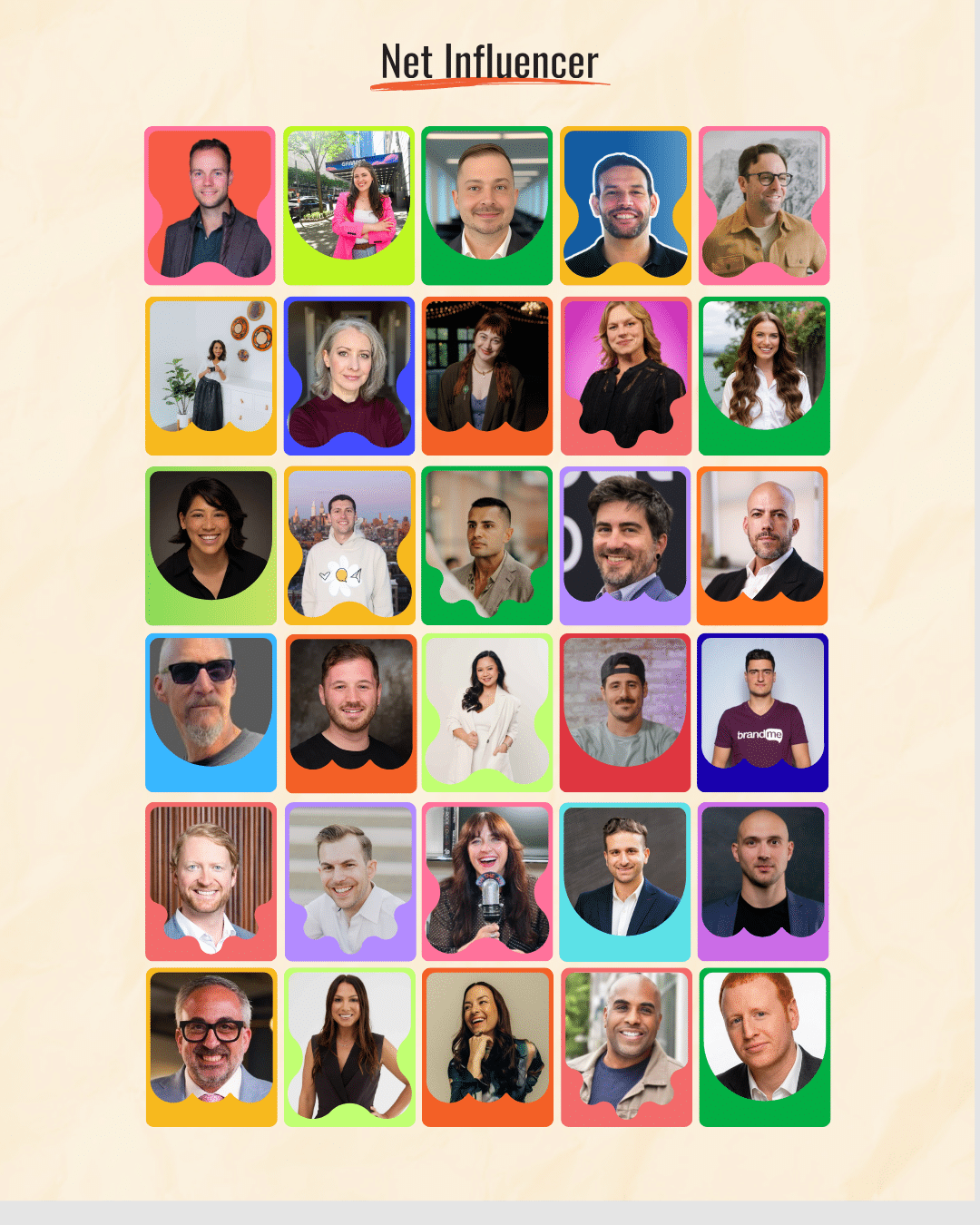
We asked 30 industry professionals what the influx of institutional capital means for creators, brands, agencies, investors, and the broader Creator Economy.
Two deals in one news cycle, same headline, two completely different theses.
Accenture buying Whalar is a bet on the service layer. Roll up agency capability, plug it into enterprise data, sell always-on creator programs to brands that want TV-grade measurement. In this world, creators become a managed channel inside the marketing stack.
CAA and TPG launching Compound is the opposite bet. Roll up the businesses creators built. Treat them like media companies that can be acquired, financed, and operated. In this world, creator IP becomes the next entertainment asset class.
What this means for creators: ownership is now leverage. Audience, IP, formats, direct fan relationships, diversified revenue streams. Build those and you negotiate from strength. Skip them and you get acquired on someone else’s terms.
What this means for brands: better infrastructure, harder pricing, less room to play boutiques against each other. Creator marketing matures into a procurement category whether the industry likes it or not.
What this means for investors: the picks and shovels finally have a thesis. Payouts, finance, direct-to-fan, rights, IP infrastructure. Capital flows to ownership. The Creator Economy is catching up to a rule older than itself.
Honestly, this is the moment a lot of creators are about to get squeezed, and almost nobody is talking about it that way. Accenture Song acquiring Whalar and CAA announcing a $250 million fund are confirmation that the Creator Economy is officially institutional, which I think is actually super exciting. The biggest agencies and consulting firms in the world are placing a calculated risk on creators (with excitement and enthusiasm), which means the way creators get hired, paid, and evaluated is about to change permanently. Briefs are going to get more sophisticated, negotiations are going to involve legal and procurement teams instead of brand managers. Performance metrics are going to be measured against IPO-grade ROI expectations from the faces that represent the brand. That is going to be great news for the creators who are professionally prepared for that shift, and a brutal wake-up call for the ones who are not.
Nobody is teaching creators how to operate inside this industry as professionals when it comes to how to negotiate with procurement, how to read a brief built by consultants, how to price for enterprise-grade campaigns, or how to protect their own IP when institutional money enters the room. Most creators have been operating like talent. The industry is about to start treating them more like contractors/vendors, and the ones who do not know the difference are going to lose real money with deals like this – which I fully think is “so” exciting. The creators who win the next decade will not be the ones with the most followers but the ones who run their content and social media like a business. The infrastructure is here, now creators have to be ready to meet it.
The headline is $250 million and the largest creator deal on record. The real story is a category growing up. For a decade the Creator Economy was a marketing line item. The moment private equity and a talent agency start buying creator businesses outright, and a consulting giant absorbs the most awarded creator agency, it becomes an asset class. And asset classes get underwritten. You do not deploy nine figures into creator businesses without a systematic way to know what you are buying. That diligence layer barely exists today.
For brands, more capital chasing creators means more competition for the safe ones and more pressure to move fast. Speed without diligence is how you end up on the front page. For creators, you are now an acquisition target, and your content history is an asset someone will underwrite. A clean archive becomes part of your valuation. Risk buried in old posts becomes a discount, or a dealbreaker. Know your own risk profile before a buyer does.
This is the professionalization moment. Capital brings standards, and diligence always follows the money. A year ago, “know every creator, trust every partnership” was a brand-safety pitch. With this much money moving, it is becoming a condition of doing business.
Just as surprising as the CAA fund figure is the acquisition structure and what was left out. When Accenture bought Whalar, they structured a separate three-year partnership to access Foam, Whalar’s operating system for authenticated creator performance data, rather than absorbing it outright. Foam was one of the first tools to feature official API integrations with major social platforms, ensuring reliable, real-time creator data.
That data, however, is still sourced from algorithm-based reach on social platforms, where creators will never own content distribution or audience relationships, always bound to the algo lottery.
The first Creator Economy investment wave rewarded the talent directly. The second is rewarding the pipes. The third will reward the creators who build their own plumbing.
CAA’s Compound Creative reinforces this transition from another angle: treating creator-led businesses as investable assets rather than just a talent pipeline.
The takeaway for the industry is urgency, not validation. Assets and infrastructure being fought over today are still tied to platforms creators don’t own. The real leverage comes from building what cannot be taken away: end-to-end ownership. 1:1 audience relationships, distribution, and evergreen discovery on Google and AI to diversify top-of-funnel awareness from social media algorithms.
While this is being widely viewed as two bets, the signal remains the same. Accenture bought Whalar for operating capability, creator activation at enterprise scale wired into AI and measurement. CAA and IMC’s Compound is buying creator businesses outright, treating the IP, products, and recurring revenue behind the audience as investable assets.
For a decade the Creator Economy has been treated simply as a marketing line item, but these moves signal that it’s an asset class now.
For brands, the leverage continues to shift. The creators worth activating now have capital and ownership behind them, so renting one-off posts ages out fast.
For creators, the exit math is evolving and audience is merely the cost of entry. The prize is everything you build behind it.
This deal flow validates our work and allows us to advise our clients on bolder initiatives. Net net, while capital can buy a roster, it can’t buy taste, speed, or the creator relationships that actually move product. Influence is still built, not bought.
Look, when you see a powerhouse like Accenture Song scooping up Whalar and CAA dropping a quarter-billion-dollar fund, it’s the ultimate validation that the Creator Economy has graduated. We’re well past the era of treating this space as an experimental line item, it’s now a core pillar of enterprise business strategy. But let’s be real: this kind of massive institutional money is a double-edged sword, and there is a distinct good and bad to these massive acquisitions.
The good? It brings serious infrastructure, massive enterprise budgets, and sophisticated data tracking. It forces the traditional C-suite to look at creators through the same financial lens as a television or paid search buy. It integrates creator data directly into media mix modeling, which means bigger, longer-term bets on talent and verifiable ROI for brands.
The bad? There’s a very real risk of over-corporatization. When you institutionalize an industry that fundamentally thrives on raw authenticity, agility, and human connection, you risk sanitizing the very magic that makes it work. If we turn creators into standardized cogs within a massive consulting machine, we lose the plot. For brands, it might mean rigid structures and higher costs; for creators, it could mean fighting to keep their creative independence.
Ultimately, it’s erasing the middle ground. You’re either going to have to operate at enterprise scale, or lean heavily into hyper-niche, hyper-authentic independence. The question isn’t whether the money is coming, it’s here. The question is who gets squeezed out in the process.
This is validation, not disruption. The Creator Economy has been proving its value for years, and now the biggest players in media, consulting, and entertainment are paying attention. When Accenture acquires Whalar and CAA launches a $250 million fund, they’re not creating a trend, they’re chasing one.
For creators, this means more doors, more capital, and more legitimacy. The question is who controls the terms. Large institutional players bring resources, but they also bring complexity. Creators who own their revenue streams, their audience relationships, and their financial upside will be in a very different position than those who simply take a check.
For brands, the message is clear: Creator partnerships are no longer a line item in a social media budget. They are a core business strategy.
The creators who will win in this new landscape are the ones who built real equity into their businesses before the institutional wave arrived. Capital follows proof. And creators have been providing that proof for years.
Big money flowing into the Creator Economy signals one thing: this is no longer a niche vertical. It’s core infrastructure for marketing, and legacy firms are racing to own it.
For brands, more institutional investment means more accountability and better measurement across the funnel. But the real opportunity isn’t at the top. According to Linqia, 73% of Influencer Marketing budgets are being allocated to nano, micro, and mid-tier creators because that’s where authentic purchasing intent lives. That’s where Middle America shops and buys.
For creators, the question becomes who is actually built to serve them at scale. Macro-Celebrity level talent will always command spend, but they represent a fraction of the ecosystem. The firms that matter most to acquirers are the ones with scalable infrastructure for the long tail: creator management companies, affiliate specialists, and boutique-to-mid-size operators who can move volume without sacrificing relationship quality.
Larger entities can’t build that overnight. They acquire it. The most strategic assets in this space right now aren’t the biggest names. They’re the most efficient operators with the deepest creator relationships outside of Hollywood.
Mainstream marketing is finally catching up to what we’ve known for a while: creator content performs and the money flowing in confirms it.
We’ve seen this before. When traditional talent agencies started signing creators, not just mega influencers but mid-tier creators with engaged communities, fees climbed and some creators inadvertently priced themselves out of the brand deals that built their credibility.
The acquisitions we’re seeing now signal that holding companies are taking the Creator Economy seriously as a marketing platform, which is a good thing. But it starts to feel a lot like when large agencies bolted Social onto their offerings. Too often it became an afterthought rather than a specialty with its own craft and culture.
Creator marketing deserves dedicated expertise, and that expertise is built over time. Agencies that have had a creator discipline as part of their social practice are better positioned than those bolting it on now. The difference isn’t just experience, it’s the instincts and cultural fluency that only come from living in the space. As the Creator Economy matures and more players enter, that distinction is going to matter more.
Accenture Song acquiring Whalar, paired with CAA’s new $250M creator fund, is a loud signal that the Creator Economy is growing up fast. This is no longer “nice-to-have” marketing. It’s becoming a core growth lever that big firms want to operationalize and own, from talent and creative to measurement and commerce.
For brands, that’s good news, with a catch. More capital should mean better infrastructure, clearer benchmarks, and more repeatable results. But the bar will rise quickly. Creator work will be expected to perform like a real channel, not a one-off bet, and it has to connect cleanly to paid, retail media, and the rest of the funnel.
For creators, more money can mean bigger opportunities and stronger support, but also more pressure to standardize and “scale.” The creators who win will be the ones who keep what can’t be manufactured: trust, taste, and a point of view.
Bottom line, the space is getting more sophisticated, but it still only works when it feels human.
When this much institutional money flows into the Creator Economy, it’s a clear signal that creators are now seen as a legitimate asset class, not a side hustle. That’s exciting, but it also raises the stakes.
Bigger funds mean bigger contracts, bigger agencies, and longer payment chains between brands, agencies, and creators. The space still doesn’t have strong infrastructure for getting people paid on time, and consolidation tends to make that more complicated before it gets better.
I think about this a lot from working with creators, freelancers, and small agencies directly. Large players can absorb a late payment without it affecting them much. Independent creators and boutique agencies often can’t, and a single unpaid invoice can be the difference between a good quarter and a bad one.
As acquisitions and funds reshape the top of this industry, it’s worth remembering who the actual backbone of the Creator Economy is: the creators themselves. Real progress isn’t just about consolidation at the top, it’s about building the systems that let creators operate on a level playing field, with the same protections and leverage that bigger players already have.
The announcements signal a major shift: creators are being valued not just for the content they create, but for the audiences they reach, influence, and have trust with. This challenges the industry’s longstanding assumption that the only way to access creator audiences was to make new content with them. That assumption made the whole model manual – and manual doesn’t scale.
For brands, this shift means conversations around creator strategy are fundamentally changing. Brands are finding new ways to amplify existing content through creator networks, not just commissioning new content. That’s what it looks like in practice when brands recognize that creators bring two things to the table: the content and the audience. Historically, brands have focused on just one.
For creators, more capital flowing into the space means more competition and pressure to produce. The industry’s default answer is always to do more. But as brands recognize the value of a creator’s audience, those creators have new opportunities to monetize that connection.
Big money flowing in is being treated as validation. It is, but it’s late. Operators have known creators are media companies for years.
What changes now: more capital means more pressure on rates and more intermediaries sitting between brand and creator. Good for top creators, messier for everyone in the middle. Brands and funds are taking this seriously in a way they simply weren’t five years ago, and that seriousness reshapes the economics for everyone.
The next five years won’t be decided by who raised the biggest fund. They’ll be decided by who stays closest to the work.
I’ve spent 11 years building in this space. I’m not surprised. I’m just glad the rest of the room finally showed up.
For brands: the best creators now have options. Institutional money means more competition for their time and attention. Transactional campaigns won’t cut it anymore.
For creators: more leverage, but also more complexity. Learn your contract terms before the big players come knocking.
For agencies: the “commoditized” ones get squeezed in every consolidation wave. The ones that survive have a specific point of view, offering, know-how and relationships that can’t be bought.
We’ve seen money enter the space before – that is not new, from PE roll-ups to VC platform-investments. What this signifies is more that consolidation is accelerating and you’ll see veterans teaming up with new generation firms, more roll-ups, buyouts and the first old guard of the Creator Economy changing hands.
Whalar and CAA are two sides of the same coin, but, unlike “heads or tails”, no one loses. This is good for both sides of the Creator Economy. The service sector (Whalar) and the product sector (CAA).
For those of us on the agency or service side, it’s great to know that there is value in the work we do from an M&A perspective. In the last 2 years we’ve had major moves with Captiv8, Influential and now Whalar. Like in retail, you need “anchor tenants” in a shopping mall, and we on the agency side of the Creator Economy need major players to provide a baseline (Whalar (Accenture) and Influential (Publicis).
For those expanding the Creator Economy from just being a brand with reach (the traditional creator model), we’re seeing movement past Feastables (Mr Beast) and Prime (Logan Paul and KSI) and the new fund will help establish past those anchor tenants and now fund a greater ecosystem of products based on the name brand recognition of other creators.
Seeing growth along multiple avenues is a great sign that there is still runway for multiple business types, and a great sign for the health of our industry.
For me, this confirms something I believe: the middleman role in the Creator Economy is changing.
When Accenture Song buys Whalar, or CAA raises $250 million, they are not buying ad space. They are buying expertise and network connections, the same way AI companies moved fast to rebuild the model from the inside.
What it means is that Influencer Marketing agencies are getting much closer to tech companies than to the old broker that just sat between a brand and a creator.
For creators, transparently, this is good news and a warning. More money means more opportunities, but brands will demand real results to justify it. For brands, the storytelling now lives with people, not logos.
The agencies moving in this direction, AI first but understanding the value of the network, are the ones that will succeed.
As a founder who has spent over a decade helping build the Creator Economy in a developing market, I see these investments as a sign that our industry is entering a new phase of maturity. For years, many of us were building creator businesses, communities, and careers long before institutional capital paid attention. Today, that work is being validated at a global scale.
For creators, this means greater opportunities and stronger infrastructure. For brands, it means creator marketing is becoming a more strategic and accountable business function.
My hope is that as more capital enters the space, we continue to invest not just in growth, but in trust, sustainability, and the people who make the ecosystem possible.
All of this traction signifies that the markets across advertising, media and entertainment are all collectively coming to the same conclusion: “traditional” digital media as we know it is long gone. Money moves to where the attention lies. Consumers are watching more content on YouTube than Netflix. Their purchase decisions are more strongly influenced by creators than actors. Those who are working with the best talent in the industry and making the best socially-native content will lead the charge.
Accenture Song’s acquisition of Whalar and CAA’s $250 million creator fund confirm what we’ve believed at BrandMe for more than a decade: the Creator Economy is no longer an emerging category – it’s becoming a core part of the global marketing and media ecosystem.
For brands, this means access to more sophisticated creator solutions, stronger measurement, and greater accountability around business results. For creators, it’s further validation that they’re building real businesses with long-term enterprise value.
We’re seeing increasing demand for technology, data, AI-powered workflows, and scalable creator programs. As more institutional capital enters the space, the industry will continue to professionalize, benefiting both creators and advertisers.
The next phase of growth won’t be driven solely by content creation, but by the convergence of creators, technology, AI, commerce, and trusted partnerships that help brands and creators generate measurable business impact.
CAA’s $250 million creator bet is another signal that premium attention has moved beyond the old TV playbook. Stars, artists and creators are now building always-on fandoms across YouTube and social platforms with audience scale that can exceed television and engagement that is far deeper. For brands, that changes the job from buying impressions to participating in culture with precision. Precisify invested early in influencer capabilities because we saw creators becoming the new front door to trust, discovery and purchase intent. The winners will be the brands that combine creator authenticity with real audience intelligence, brand safety and paid amplification, so the right content reaches the right fans in the right context. This is not a side channel anymore. It is becoming core media infrastructure.
The Creator Economy is entering a new phase of maturity. We’re seeing a record level of M&A activity this year and greater demand for Creator Economy businesses with diversified revenue streams, healthy growth, and strong operational foundations. The space is evolving from a fragmented ecosystem into a recognized asset class, and that’s creating meaningful opportunities for founders and creators who have built durable businesses.
The big story isn’t that more money is flowing into the Creator Economy. It’s that investors, agencies, and talent companies are starting to see creators the same way Silicon Valley sees startups: as scalable businesses built around audience relationships.
Some will become media companies. Others will build consumer brands, software products, education businesses, events, or entirely new categories. What they all share is the ability to acquire and mobilize attention more efficiently than most traditional companies. That’s the asset the market is increasingly betting on.
Big capital entering the Creator Economy validates what many of us have believed for years: creators are the next generation of media companies. The winners won’t just be the largest creators, but those who can build sustainable businesses, own their audiences, and develop products, IP, and communities around their content. For brands, it creates opportunities to partner with creators at a much deeper level than traditional sponsorships. This is less about Influencer Marketing and more about the future of media and entertainment.
When major players like Accenture Song acquire Whalar and organizations like CAA launch a $250M creator-focused fund, they’re validating the space with capital, not just headlines. Companies don’t make investments at this scale unless they believe the returns will be significantly larger over time.
To me, this is a strong signal for creators, agencies, and creator-focused businesses. The Creator Economy is no longer a fringe opportunity operating outside traditional business structures. It’s becoming part of the mainstream financial and corporate ecosystem.
Whether your goal is brand partnerships, building a media company, raising capital, selling equity, or eventually exiting your business, the pathways are becoming more established and more accessible.
The biggest takeaway: this is no longer a speculative dream. The money is arriving, the infrastructure is forming, and the opportunity is real for those willing to build.
The Publicis transaction validated the importance of the Creator Economy. Accenture just showed it’s a core component of the world for decades to come. From an M&A perspective, these transactions will create significant bolt-on opportunities in the space as a first wave of consolidation to gain perspective and knowledge.
Major companies investing big in the Creator Economy is a great sign to us, because it signals that creator marketing continues to prove extremely valuable for brands and marketers. CAA’s new fund, which is focused on supporting creator-led companies, is a particularly exciting signal for the next phase of the Creator Economy. Content creators aren’t just building social media followings anymore; they’re building their own businesses, media enterprises, consumer brands, and entertainment offerings that have really expanded the definition of what it means to be a creator. With new investments like these, major companies are presenting new opportunities to support creators in their next phase of growth.
Accenture Song’s acquisition of Whalar and CAA’s launch of a $250 million creator-focused investment platform are clear signs that the Creator Economy has entered a new stage of maturity. Major players are no longer just investing in creator marketing, they’re investing in the businesses, infrastructure, and intellectual property being built around creators.
For us, this validates what we’ve seen firsthand: creator marketing is becoming a permanent and growing part of the marketing mix. As more capital enters the space, the need for better infrastructure becomes even greater.
For creators, this means more opportunities to access capital, scale beyond content creation, and build lasting enterprises. The narrative is shifting from creators as talent to creators as founders, media companies, and IP owners. CAA’s thesis is particularly telling: they’re betting that creator-led businesses can generate long-term enterprise value, not just audience reach.
For brands, creator partnerships will become even more strategic. As the ecosystem professionalizes, brands will increasingly look for measurable outcomes, stronger governance, and technology that helps them manage creator relationships at scale.
The biggest takeaway is that the conversation is moving beyond influence and toward ownership, scalability, and long-term value creation. That’s a positive evolution for the entire industry.
The Creator Economy is entering a new phase where creators are no longer being viewed simply as influencers or distribution channels. They’re increasingly being recognized as media companies, intellectual property builders, and long-term audience ecosystems. When firms like Accenture and CAA make investments at this level, it signals that institutional money now sees creator-led businesses as scalable infrastructure rather than a temporary trend.
For creators, this creates more opportunities to build sustainable businesses beyond sponsorships alone. We’re already seeing a shift toward creator-owned IP, live community ecosystems, short-form storytelling, micro dramas, and platform-native entertainment models that allow creators to deepen audience relationships over time.
At the same time, it increases the importance of hybrid agencies and creator development companies that can help creators navigate growth responsibly. As larger institutions enter the space, quality control, consistency, and brand alignment become even more important. Those things are not always easy for creators to evaluate objectively on their own. Strategic partners can provide the accountability, guidance, and infrastructure needed to help creators mature into long-term assets for brands, investors, and the broader media ecosystem.
The biggest takeaway is that creators are no longer operating on the edge of the entertainment and media industries. They are increasingly becoming the industry itself.
The creator ecosystem continues to be one of the most active and upwardly mobile sectors of entertainment, along with Sports and Live/Touring. Accordingly, M&A activity is as healthy as ever at this point. CAA and Whalar/Accenture Song are both some of the “best-in-class” leaders in the space and I’m excited about both.
Dragomir is a Serbian freelance blog writer and translator. He is passionate about covering insightful stories and exploring topics such as influencer marketing, the creator economy, technology, business, and cyber fraud.













Within the span of a week in June 2026, two transactions placed institutional capital at the center of the Creator Economy.
Accenture Song agreed to acquire Whalar, an independent creator and social agency, in what Whalar Group co-founder Neil Waller called the industry’s “largest Creator Economy transaction.” Days later, Creative Artists Agency (CAA) and Integrated Media Company (IMC) launched Compound Creative Holdings, a $250 million holding company built to acquire and scale creator-led media businesses.
The transactions point to two related shifts. Accenture is adding creator and influencer marketing capabilities that can serve enterprise clients at scale. CAA and IMC are treating creator-led companies as assets that can be acquired, financed, and operated like media businesses.
The deals arrive as U.S. Creator Economy ad spend is projected to reach $43.9 billion in 2026, per the IAB, and as global Creator Economy M&A totaled 81 transactions in 2025, up 17.4% year over year.
We asked 30 industry professionals what the influx of institutional capital means for creators, brands, agencies, investors, and the broader Creator Economy.
Tobias Hoss, Senior Advisor, TopFan
Two deals in one news cycle, same headline, two completely different theses.
Accenture buying Whalar is a bet on the service layer. Roll up agency capability, plug it into enterprise data, sell always-on creator programs to brands that want TV-grade measurement. In this world, creators become a managed channel inside the marketing stack.
CAA and TPG launching Compound is the opposite bet. Roll up the businesses creators built. Treat them like media companies that can be acquired, financed, and operated. In this world, creator IP becomes the next entertainment asset class.
What this means for creators: ownership is now leverage. Audience, IP, formats, direct fan relationships, diversified revenue streams. Build those and you negotiate from strength. Skip them and you get acquired on someone else’s terms.
What this means for brands: better infrastructure, harder pricing, less room to play boutiques against each other. Creator marketing matures into a procurement category whether the industry likes it or not.
What this means for investors: the picks and shovels finally have a thesis. Payouts, finance, direct-to-fan, rights, IP infrastructure. Capital flows to ownership. The Creator Economy is catching up to a rule older than itself.
Gigi Robinson, Founder,Hosts of Influence®
Honestly, this is the moment a lot of creators are about to get squeezed, and almost nobody is talking about it that way. Accenture Song acquiring Whalar and CAA announcing a $250 million fund are confirmation that the Creator Economy is officially institutional, which I think is actually super exciting. The biggest agencies and consulting firms in the world are placing a calculated risk on creators (with excitement and enthusiasm), which means the way creators get hired, paid, and evaluated is about to change permanently. Briefs are going to get more sophisticated, negotiations are going to involve legal and procurement teams instead of brand managers. Performance metrics are going to be measured against IPO-grade ROI expectations from the faces that represent the brand. That is going to be great news for the creators who are professionally prepared for that shift, and a brutal wake-up call for the ones who are not.
Nobody is teaching creators how to operate inside this industry as professionals when it comes to how to negotiate with procurement, how to read a brief built by consultants, how to price for enterprise-grade campaigns, or how to protect their own IP when institutional money enters the room. Most creators have been operating like talent. The industry is about to start treating them more like contractors/vendors, and the ones who do not know the difference are going to lose real money with deals like this – which I fully think is “so” exciting. The creators who win the next decade will not be the ones with the most followers but the ones who run their content and social media like a business. The infrastructure is here, now creators have to be ready to meet it.
Theo Ruzhynsky, Co-Founder,VwD
The headline is $250 million and the largest creator deal on record. The real story is a category growing up. For a decade the Creator Economy was a marketing line item. The moment private equity and a talent agency start buying creator businesses outright, and a consulting giant absorbs the most awarded creator agency, it becomes an asset class. And asset classes get underwritten. You do not deploy nine figures into creator businesses without a systematic way to know what you are buying. That diligence layer barely exists today.
For brands, more capital chasing creators means more competition for the safe ones and more pressure to move fast. Speed without diligence is how you end up on the front page. For creators, you are now an acquisition target, and your content history is an asset someone will underwrite. A clean archive becomes part of your valuation. Risk buried in old posts becomes a discount, or a dealbreaker. Know your own risk profile before a buyer does.
This is the professionalization moment. Capital brings standards, and diligence always follows the money. A year ago, “know every creator, trust every partnership” was a brand-safety pitch. With this much money moving, it is becoming a condition of doing business.
Daniel Caldas, Founder,Caldas Ecom
Just as surprising as the CAA fund figure is the acquisition structure and what was left out. When Accenture bought Whalar, they structured a separate three-year partnership to access Foam, Whalar’s operating system for authenticated creator performance data, rather than absorbing it outright. Foam was one of the first tools to feature official API integrations with major social platforms, ensuring reliable, real-time creator data.
That data, however, is still sourced from algorithm-based reach on social platforms, where creators will never own content distribution or audience relationships, always bound to the algo lottery.
The first Creator Economy investment wave rewarded the talent directly. The second is rewarding the pipes. The third will reward the creators who build their own plumbing.
CAA’s Compound Creative reinforces this transition from another angle: treating creator-led businesses as investable assets rather than just a talent pipeline.
The takeaway for the industry is urgency, not validation. Assets and infrastructure being fought over today are still tied to platforms creators don’t own. The real leverage comes from building what cannot be taken away: end-to-end ownership. 1:1 audience relationships, distribution, and evergreen discovery on Google and AI to diversify top-of-funnel awareness from social media algorithms.
Brandon Perlman, Founder & CEO, Social Studies, Inc.
While this is being widely viewed as two bets, the signal remains the same. Accenture bought Whalar for operating capability, creator activation at enterprise scale wired into AI and measurement. CAA and IMC’s Compound is buying creator businesses outright, treating the IP, products, and recurring revenue behind the audience as investable assets.
For a decade the Creator Economy has been treated simply as a marketing line item, but these moves signal that it’s an asset class now.
For brands, the leverage continues to shift. The creators worth activating now have capital and ownership behind them, so renting one-off posts ages out fast.
For creators, the exit math is evolving and audience is merely the cost of entry. The prize is everything you build behind it.
This deal flow validates our work and allows us to advise our clients on bolder initiatives. Net net, while capital can buy a roster, it can’t buy taste, speed, or the creator relationships that actually move product. Influence is still built, not bought.
Manar El Mugammar, Chief Operating Officer, Shine Talent Group
Look, when you see a powerhouse like Accenture Song scooping up Whalar and CAA dropping a quarter-billion-dollar fund, it’s the ultimate validation that the Creator Economy has graduated. We’re well past the era of treating this space as an experimental line item, it’s now a core pillar of enterprise business strategy. But let’s be real: this kind of massive institutional money is a double-edged sword, and there is a distinct good and bad to these massive acquisitions.
The good? It brings serious infrastructure, massive enterprise budgets, and sophisticated data tracking. It forces the traditional C-suite to look at creators through the same financial lens as a television or paid search buy. It integrates creator data directly into media mix modeling, which means bigger, longer-term bets on talent and verifiable ROI for brands.
The bad? There’s a very real risk of over-corporatization. When you institutionalize an industry that fundamentally thrives on raw authenticity, agility, and human connection, you risk sanitizing the very magic that makes it work. If we turn creators into standardized cogs within a massive consulting machine, we lose the plot. For brands, it might mean rigid structures and higher costs; for creators, it could mean fighting to keep their creative independence.
Ultimately, it’s erasing the middle ground. You’re either going to have to operate at enterprise scale, or lean heavily into hyper-niche, hyper-authentic independence. The question isn’t whether the money is coming, it’s here. The question is who gets squeezed out in the process.
Sarah McNabb, Chief Marketing Officer, GigaStar
This is validation, not disruption. The Creator Economy has been proving its value for years, and now the biggest players in media, consulting, and entertainment are paying attention. When Accenture acquires Whalar and CAA launches a $250 million fund, they’re not creating a trend, they’re chasing one.
For creators, this means more doors, more capital, and more legitimacy. The question is who controls the terms. Large institutional players bring resources, but they also bring complexity. Creators who own their revenue streams, their audience relationships, and their financial upside will be in a very different position than those who simply take a check.
For brands, the message is clear: Creator partnerships are no longer a line item in a social media budget. They are a core business strategy.
The creators who will win in this new landscape are the ones who built real equity into their businesses before the institutional wave arrived. Capital follows proof. And creators have been providing that proof for years.
Becca Bahrke, CEO, Illuminate Social
Big money flowing into the Creator Economy signals one thing: this is no longer a niche vertical. It’s core infrastructure for marketing, and legacy firms are racing to own it.
For brands, more institutional investment means more accountability and better measurement across the funnel. But the real opportunity isn’t at the top. According to Linqia, 73% of Influencer Marketing budgets are being allocated to nano, micro, and mid-tier creators because that’s where authentic purchasing intent lives. That’s where Middle America shops and buys.
For creators, the question becomes who is actually built to serve them at scale. Macro-Celebrity level talent will always command spend, but they represent a fraction of the ecosystem. The firms that matter most to acquirers are the ones with scalable infrastructure for the long tail: creator management companies, affiliate specialists, and boutique-to-mid-size operators who can move volume without sacrificing relationship quality.
Larger entities can’t build that overnight. They acquire it. The most strategic assets in this space right now aren’t the biggest names. They’re the most efficient operators with the deepest creator relationships outside of Hollywood.
Beth Everhart, Managing Director, AntiSocial
Mainstream marketing is finally catching up to what we’ve known for a while: creator content performs and the money flowing in confirms it.
We’ve seen this before. When traditional talent agencies started signing creators, not just mega influencers but mid-tier creators with engaged communities, fees climbed and some creators inadvertently priced themselves out of the brand deals that built their credibility.
The acquisitions we’re seeing now signal that holding companies are taking the Creator Economy seriously as a marketing platform, which is a good thing. But it starts to feel a lot like when large agencies bolted Social onto their offerings. Too often it became an afterthought rather than a specialty with its own craft and culture.
Creator marketing deserves dedicated expertise, and that expertise is built over time. Agencies that have had a creator discipline as part of their social practice are better positioned than those bolting it on now. The difference isn’t just experience, it’s the instincts and cultural fluency that only come from living in the space. As the Creator Economy matures and more players enter, that distinction is going to matter more.
Kate Fleming, Director of Influencer Strategy, PartnerCentric
Accenture Song acquiring Whalar, paired with CAA’s new $250M creator fund, is a loud signal that the Creator Economy is growing up fast. This is no longer “nice-to-have” marketing. It’s becoming a core growth lever that big firms want to operationalize and own, from talent and creative to measurement and commerce.
For brands, that’s good news, with a catch. More capital should mean better infrastructure, clearer benchmarks, and more repeatable results. But the bar will rise quickly. Creator work will be expected to perform like a real channel, not a one-off bet, and it has to connect cleanly to paid, retail media, and the rest of the funnel.
For creators, more money can mean bigger opportunities and stronger support, but also more pressure to standardize and “scale.” The creators who win will be the ones who keep what can’t be manufactured: trust, taste, and a point of view.
Bottom line, the space is getting more sophisticated, but it still only works when it feels human.
Grace Tabib, Founder & Head of Advocacy, DUPAY
When this much institutional money flows into the Creator Economy, it’s a clear signal that creators are now seen as a legitimate asset class, not a side hustle. That’s exciting, but it also raises the stakes.
Bigger funds mean bigger contracts, bigger agencies, and longer payment chains between brands, agencies, and creators. The space still doesn’t have strong infrastructure for getting people paid on time, and consolidation tends to make that more complicated before it gets better.
I think about this a lot from working with creators, freelancers, and small agencies directly. Large players can absorb a late payment without it affecting them much. Independent creators and boutique agencies often can’t, and a single unpaid invoice can be the difference between a good quarter and a bad one.
As acquisitions and funds reshape the top of this industry, it’s worth remembering who the actual backbone of the Creator Economy is: the creators themselves. Real progress isn’t just about consolidation at the top, it’s about building the systems that let creators operate on a level playing field, with the same protections and leverage that bigger players already have.
Ian Ettinger, Co-Founder & CPO, Daisy
The announcements signal a major shift: creators are being valued not just for the content they create, but for the audiences they reach, influence, and have trust with. This challenges the industry’s longstanding assumption that the only way to access creator audiences was to make new content with them. That assumption made the whole model manual – and manual doesn’t scale.
For brands, this shift means conversations around creator strategy are fundamentally changing. Brands are finding new ways to amplify existing content through creator networks, not just commissioning new content. That’s what it looks like in practice when brands recognize that creators bring two things to the table: the content and the audience. Historically, brands have focused on just one.
For creators, more capital flowing into the space means more competition and pressure to produce. The industry’s default answer is always to do more. But as brands recognize the value of a creator’s audience, those creators have new opportunities to monetize that connection.
Shawn Munir, Founder & CEO,Yamammi Influencer Marketing
Big money flowing in is being treated as validation. It is, but it’s late. Operators have known creators are media companies for years.
What changes now: more capital means more pressure on rates and more intermediaries sitting between brand and creator. Good for top creators, messier for everyone in the middle. Brands and funds are taking this seriously in a way they simply weren’t five years ago, and that seriousness reshapes the economics for everyone.
The next five years won’t be decided by who raised the biggest fund. They’ll be decided by who stays closest to the work.
Alessandro Bogliari, CEO, The Influencer Marketing Factory
I’ve spent 11 years building in this space. I’m not surprised. I’m just glad the rest of the room finally showed up.
For brands: the best creators now have options. Institutional money means more competition for their time and attention. Transactional campaigns won’t cut it anymore.
For creators: more leverage, but also more complexity. Learn your contract terms before the big players come knocking.
For agencies: the “commoditized” ones get squeezed in every consolidation wave. The ones that survive have a specific point of view, offering, know-how and relationships that can’t be bought.
Kyle Hjelmeseth, CEO & Founder, G&B Digital Management
We’ve seen money enter the space before – that is not new, from PE roll-ups to VC platform-investments. What this signifies is more that consolidation is accelerating and you’ll see veterans teaming up with new generation firms, more roll-ups, buyouts and the first old guard of the Creator Economy changing hands.
Keith Pape, CEO, YellowPike Media
Whalar and CAA are two sides of the same coin, but, unlike “heads or tails”, no one loses. This is good for both sides of the Creator Economy. The service sector (Whalar) and the product sector (CAA).
For those of us on the agency or service side, it’s great to know that there is value in the work we do from an M&A perspective. In the last 2 years we’ve had major moves with Captiv8, Influential and now Whalar. Like in retail, you need “anchor tenants” in a shopping mall, and we on the agency side of the Creator Economy need major players to provide a baseline (Whalar (Accenture) and Influential (Publicis).
For those expanding the Creator Economy from just being a brand with reach (the traditional creator model), we’re seeing movement past Feastables (Mr Beast) and Prime (Logan Paul and KSI) and the new fund will help establish past those anchor tenants and now fund a greater ecosystem of products based on the name brand recognition of other creators.
Seeing growth along multiple avenues is a great sign that there is still runway for multiple business types, and a great sign for the health of our industry.
Alan Kronik, Chief Revenue Officer, ThoughtLeaders
For me, this confirms something I believe: the middleman role in the Creator Economy is changing.
When Accenture Song buys Whalar, or CAA raises $250 million, they are not buying ad space. They are buying expertise and network connections, the same way AI companies moved fast to rebuild the model from the inside.
What it means is that Influencer Marketing agencies are getting much closer to tech companies than to the old broker that just sat between a brand and a creator.
For creators, transparently, this is good news and a warning. More money means more opportunities, but brands will demand real results to justify it. For brands, the storytelling now lives with people, not logos.
The agencies moving in this direction, AI first but understanding the value of the network, are the ones that will succeed.
Ace Gapuz, CEO, Blogapalooza Inc.
As a founder who has spent over a decade helping build the Creator Economy in a developing market, I see these investments as a sign that our industry is entering a new phase of maturity. For years, many of us were building creator businesses, communities, and careers long before institutional capital paid attention. Today, that work is being validated at a global scale.
For creators, this means greater opportunities and stronger infrastructure. For brands, it means creator marketing is becoming a more strategic and accountable business function.
My hope is that as more capital enters the space, we continue to invest not just in growth, but in trust, sustainability, and the people who make the ecosystem possible.
Scott Dunn, CEO,Unicorn
All of this traction signifies that the markets across advertising, media and entertainment are all collectively coming to the same conclusion: “traditional” digital media as we know it is long gone. Money moves to where the attention lies. Consumers are watching more content on YouTube than Netflix. Their purchase decisions are more strongly influenced by creators than actors. Those who are working with the best talent in the industry and making the best socially-native content will lead the charge.
Gerardo Sordo, CEO & Founder, BrandMe
Accenture Song’s acquisition of Whalar and CAA’s $250 million creator fund confirm what we’ve believed at BrandMe for more than a decade: the Creator Economy is no longer an emerging category – it’s becoming a core part of the global marketing and media ecosystem.
For brands, this means access to more sophisticated creator solutions, stronger measurement, and greater accountability around business results. For creators, it’s further validation that they’re building real businesses with long-term enterprise value.
We’re seeing increasing demand for technology, data, AI-powered workflows, and scalable creator programs. As more institutional capital enters the space, the industry will continue to professionalize, benefiting both creators and advertisers.
The next phase of growth won’t be driven solely by content creation, but by the convergence of creators, technology, AI, commerce, and trusted partnerships that help brands and creators generate measurable business impact.
Christian Dankl, Co-Founder & Co-CEO, Precisify
CAA’s $250 million creator bet is another signal that premium attention has moved beyond the old TV playbook. Stars, artists and creators are now building always-on fandoms across YouTube and social platforms with audience scale that can exceed television and engagement that is far deeper. For brands, that changes the job from buying impressions to participating in culture with precision. Precisify invested early in influencer capabilities because we saw creators becoming the new front door to trust, discovery and purchase intent. The winners will be the brands that combine creator authenticity with real audience intelligence, brand safety and paid amplification, so the right content reaches the right fans in the right context. This is not a side channel anymore. It is becoming core media infrastructure.
James Creech, Founder, Quartermast Advisors
The Creator Economy is entering a new phase of maturity. We’re seeing a record level of M&A activity this year and greater demand for Creator Economy businesses with diversified revenue streams, healthy growth, and strong operational foundations. The space is evolving from a fragmented ecosystem into a recognized asset class, and that’s creating meaningful opportunities for founders and creators who have built durable businesses.
Bia Granja, Founder, Creator Economy Rocks
The big story isn’t that more money is flowing into the Creator Economy. It’s that investors, agencies, and talent companies are starting to see creators the same way Silicon Valley sees startups: as scalable businesses built around audience relationships.
Some will become media companies. Others will build consumer brands, software products, education businesses, events, or entirely new categories. What they all share is the ability to acquire and mobilize attention more efficiently than most traditional companies. That’s the asset the market is increasingly betting on.
Cameron Ajdari, Co-Founder & CEO, Currents Management
Big capital entering the Creator Economy validates what many of us have believed for years: creators are the next generation of media companies. The winners won’t just be the largest creators, but those who can build sustainable businesses, own their audiences, and develop products, IP, and communities around their content. For brands, it creates opportunities to partner with creators at a much deeper level than traditional sponsorships. This is less about Influencer Marketing and more about the future of media and entertainment.
Andrii Salii, YouTube Strategist, MIA Studio
When major players like Accenture Song acquire Whalar and organizations like CAA launch a $250M creator-focused fund, they’re validating the space with capital, not just headlines. Companies don’t make investments at this scale unless they believe the returns will be significantly larger over time.
To me, this is a strong signal for creators, agencies, and creator-focused businesses. The Creator Economy is no longer a fringe opportunity operating outside traditional business structures. It’s becoming part of the mainstream financial and corporate ecosystem.
Whether your goal is brand partnerships, building a media company, raising capital, selling equity, or eventually exiting your business, the pathways are becoming more established and more accessible.
The biggest takeaway: this is no longer a speculative dream. The money is arriving, the infrastructure is forming, and the opportunity is real for those willing to build.
Marc Snyderman, Managing Director, Next Point Ventures
The Publicis transaction validated the importance of the Creator Economy. Accenture just showed it’s a core component of the world for decades to come. From an M&A perspective, these transactions will create significant bolt-on opportunities in the space as a first wave of consolidation to gain perspective and knowledge.
Sarah Boyd, Co-CEO, The Digital Dept.
Major companies investing big in the Creator Economy is a great sign to us, because it signals that creator marketing continues to prove extremely valuable for brands and marketers. CAA’s new fund, which is focused on supporting creator-led companies, is a particularly exciting signal for the next phase of the Creator Economy. Content creators aren’t just building social media followings anymore; they’re building their own businesses, media enterprises, consumer brands, and entertainment offerings that have really expanded the definition of what it means to be a creator. With new investments like these, major companies are presenting new opportunities to support creators in their next phase of growth.
Vicky Boudreau, CEO & Co-Founder, Heylist
Accenture Song’s acquisition of Whalar and CAA’s launch of a $250 million creator-focused investment platform are clear signs that the Creator Economy has entered a new stage of maturity. Major players are no longer just investing in creator marketing, they’re investing in the businesses, infrastructure, and intellectual property being built around creators.
For us, this validates what we’ve seen firsthand: creator marketing is becoming a permanent and growing part of the marketing mix. As more capital enters the space, the need for better infrastructure becomes even greater.
For creators, this means more opportunities to access capital, scale beyond content creation, and build lasting enterprises. The narrative is shifting from creators as talent to creators as founders, media companies, and IP owners. CAA’s thesis is particularly telling: they’re betting that creator-led businesses can generate long-term enterprise value, not just audience reach.
For brands, creator partnerships will become even more strategic. As the ecosystem professionalizes, brands will increasingly look for measurable outcomes, stronger governance, and technology that helps them manage creator relationships at scale.
The biggest takeaway is that the conversation is moving beyond influence and toward ownership, scalability, and long-term value creation. That’s a positive evolution for the entire industry.
Bill Herndon, Founder & CEO, ATRX Agency
The Creator Economy is entering a new phase where creators are no longer being viewed simply as influencers or distribution channels. They’re increasingly being recognized as media companies, intellectual property builders, and long-term audience ecosystems. When firms like Accenture and CAA make investments at this level, it signals that institutional money now sees creator-led businesses as scalable infrastructure rather than a temporary trend.
For creators, this creates more opportunities to build sustainable businesses beyond sponsorships alone. We’re already seeing a shift toward creator-owned IP, live community ecosystems, short-form storytelling, micro dramas, and platform-native entertainment models that allow creators to deepen audience relationships over time.
At the same time, it increases the importance of hybrid agencies and creator development companies that can help creators navigate growth responsibly. As larger institutions enter the space, quality control, consistency, and brand alignment become even more important. Those things are not always easy for creators to evaluate objectively on their own. Strategic partners can provide the accountability, guidance, and infrastructure needed to help creators mature into long-term assets for brands, investors, and the broader media ecosystem.
The biggest takeaway is that creators are no longer operating on the edge of the entertainment and media industries. They are increasingly becoming the industry itself.
Alec Shankman, Founder & CEO, HeartRock Partners
The creator ecosystem continues to be one of the most active and upwardly mobile sectors of entertainment, along with Sports and Live/Touring. Accordingly, M&A activity is as healthy as ever at this point. CAA and Whalar/Accenture Song are both some of the “best-in-class” leaders in the space and I’m excited about both.
Subscribe to Our Newsletter
Check Out Our Podcast