B2B Influencer Marketing is becoming a more formal part of brand strategy, but creator selection remains a weak point for many programs. Nearly 50% of B2B marketers cite identifying, qualifying, and connecting with ideal influencers as their primary challenge, even as more teams move toward always-on influencer programs and increased budgets.
That gap is especially visible in creator vetting, where follower count, engagement rate, and broad audience demographics often fail to capture niche authority, buyer relevance, or trust inside specialized professional communities. For B2B marketers, a 5,000-person audience of enterprise decision-makers may be more valuable than a much larger general business audience.
To examine how teams are adapting, we asked 30 Creator Economy and Influencer Marketing professionals which criteria and processes they use to evaluate B2B creators and which traditional vetting methods no longer work.
In B2C, creator vetting is largely about reach, resonance, and conversion velocity. In B2B, the bar is different. You are evaluating authority, audience composition, and pipeline influence because the buyer journey is longer and the stakes of a recommendation are higher.
The biggest shift is prioritizing who follows over how many. I look for job title and seniority distribution, company size, vertical concentration, and geo alignment with the ICP (Ideal Customer Profile), ideally via LinkedIn analytics, Shield, or an audience export. The question is not “are these the right consumers?” but “are these the right buyers, champions, and internal influencers inside target accounts?”
I also vet trust signals: frequency of promotions, disclosure practices, whether they critique bad tools, citations by respected peers, and credibility markers like speaking roles at industry events. Process-wise, I review 30–90 days of content end-to-end, spot-check commenters, have a technical expert assess substance, and start with a small test activation before committing.
What does not work: follower count as a primary filter, B2C engagement benchmarks, one-off sponsored posts, over-monetized creators, and success metrics that over-weight impressions or clicks versus downstream pipeline.
Most brands are running a B2C report card on B2B creators. Follower count, engagement rate, broad demographic buckets. Those metrics were built for reach. B2B isn’t a reach game.
What actually predicts performance in B2B creator marketing is comment quality over comment volume. Who is replying, and what’s their title? One VP of Engineering engaging with a post tells you more about audience quality than a 6% engagement rate ever will.
We also look at whether a creator lives in the category before they’re paid to. If someone only talks about your space when there’s a contract attached, that inauthenticity transfers to the audience. The best B2B creators are operators/practitioners who happen to create, not creators who happen to know your category.
The audience-to-ICP match piece is where most brands leave performance on the table. A LinkedIn creator with 8,000 highly engaged enterprise cybersecurity followers will consistently outperform one with 80,000 general business followers for a niche B2B product. We’ve seen it across campaigns we’ve run for tech brands. The math on reach doesn’t hold when trust is the actual conversion driver.
The hardest part to fix is that this requires judgment, not just a dashboard. B2B creator vetting has been a deeply manual process because the signals that matter most aren’t easily quantifiable. That’s the gap the industry is still closing.
B2C vetting frameworks fall apart in B2B because the metric that actually matters isn’t reach, it’s relevance density. An 8,000-follower LinkedIn creator whose audience is mostly buyers and operators in one category will outperform a generalist with ten times the following. The question isn’t how many people are listening. It’s who.
What I actually look at: who follows them by job title and seniority, who shows up in the comments (not just likes), whether their content references real workflows and real decisions, and whether their POV is sharp enough that you could identify them without seeing the name. If the content reads like a generic business influencer playbook, the audience is probably generic too.
What doesn’t work: Engagement rate in isolation (a viral post in the wrong audience is worse than silence), LinkedIn view counts (autoplay turns vanity metrics into noise), and any vetting that stops at the creator’s profile without auditing the comment section. The comments are the actual audience. The follower list is the marketing.
Best filter I’ve found: if you removed the follower count and only saw the last ten comments, would you still want to work with them? Reach lies. Comments don’t.
Most B2B vetting is still B2C vetting with a LinkedIn wrapper. Traditional surface-level metrics measure platform-native content consumption and interaction. In B2B, vetting must be based on high-intent behavioral signals: did the content provide enough value for audiences to overcome friction and take action outside social platforms?
A B2B creator in a high-ticket niche with a 1,200-subscriber newsletter and 600 private community members may be more valuable than a short-form creator with 1M followers producing entertainment content. The audience is smaller, but the intent is much higher.
The criteria are microconversion evidence, plus direct relationship and distribution ownership. Can the creator drive measurable action across multiple funnel stages … beyond views and comments, such as newsletter opt-ins, private community memberships, and downstream engagement, and revenue from owned channels? Each threshold is a data point on audience intent and trust depth, which is what B2B brands are actually shopping for.
What’s doomed to fail is re-skinning B2C scorecards with job title filters. Demographics tell you who is in the room. Intent tells you who is listening. In niche B2B verticals, you want creators whose audiences already self-identify as qualified leads. Verify that by checking what they sign up for.
Standard B2C frameworks are a budget killer in B2B because they mistake reach for relevance. The focus should shift to decision-maker density, and the primary signal is the peer-to-peer ratio. When we vet a B2B creator, we read the comments before anything else. If engagement is coming from actual practitioners and C-suite leaders with real P&L responsibility, that’s real authority. If it’s general enthusiasts cheering on a thought-leadership post, the audience looks impressive and converts nothing. What doesn’t work is treating LinkedIn like TikTok. High-production accounts consistently underperform against nano-influencers because professional audiences are skeptical of polish without substance. The real indicator is contextual credibility. We look at whether a creator uses the specific vocabulary of enterprise pain points and can cite real case studies. In B2B, brands aren’t buying an audience. They’re paying for the credibility the creator has already built with their followers. A creator with 8,000 highly engaged industry followers will often drive more pipeline than a 100,000-follower generalist. If a creator can’t speak the language of ROI and specific industry challenges, a skeptical audience will sniff out the lack of expertise immediately.
At Social Studies, we talk about “Experts over Entertainers,” but that’s specifically a B2B distinction. In consumer, entertainment value is a legitimate creative currency. In B2B, it’s often a red flag.
The first thing we look at has nothing to do with follower count. It’s content history. Are they teaching, or are they performing? Do they have a consistent point of view, or are they chasing trends? That historical record tells you more about niche authority than any metric a platform surfaces.
From there, audience analysis. Titles, seniority, and the companies in the comments tell you more than follower count ever will.
What doesn’t work is applying B2C vetting frameworks wholesale. Engagement rate benchmarks and demographic filters were built for consumer audiences. They’re largely irrelevant when you’re trying to reach a specific buyer.
The most underrated signal in B2B? Most business leaders we work with have never done a brand deal. Their audience trusts them precisely because they haven’t been commercially diluted. That’s not a limitation. It’s the whole point.
When evaluating B2B creators, we know that relevance is more important than reach, but this is incredibly hard to quantify. Much like B2C campaigns, we still care about the performance data of a creator’s content, the style of content that they produce, and the context in which their content exists, but this doesn’t tell us the full story. Looking at the volume of qualified engagement on a creator’s previous content is a great indicator of their authority. We check to see if senior leaders and decision-makers from our ICP’s industry are regularly liking and commenting on the creator’s posts, which is a strong indicator that they’re a credible voice in the space. However, LinkedIn is as close to a zero-click platform as we can get, so often we’re not able to get the full picture through public engagement. So looking across platforms is important. Are they posting on LinkedIn, hosting a podcast, and writing a newsletter? We found that creators who share their expertise on a range of different mediums are not only more likely to be real domain experts but are also building a deep level of trust with an engaged audience.
Most B2B creator evaluation still leans on vanity metrics because they’re easy to report upward. We’ve moved away from that. What actually matters is comment quality over comment volume. Who is leaving comments, and what are they saying? A thread where three CISOs are debating implementation details tells you more than 500 fire emojis ever will. We also pay attention to consumption patterns. Does the audience read past the hook? Are posts being saved and shared within professional networks? On LinkedIn, reshares with added commentary signal real authority, not passive scrolling.
For niche credibility, we look at whether the creator is being cited or tagged by other recognized voices in the space. Peer validation from practitioners carries a lot more weight than follower counts in B2B. What doesn’t work? Engagement rate as a standalone metric. A creator with 8,000 followers and a 12% engagement rate will outperform one with 80,000 and 1.5% every time, but most campaign briefs still filter on minimum follower thresholds. We push back on those filters early, because they cut out exactly the niche authority accounts that actually move the needle in the Creator Economy. The shift we’ve made is from reach to resonance with the right room.
The problem with standard vetting metrics? They were built for B2C. Follower count, engagement rate, audience demographics: these tell you who follows a creator, not who listens when it matters.
In B2B, I focus on signals that don’t fit neatly into a dashboard:
Comment quality over quantity. Are decision-makers and practitioners engaging with substance … or is it mostly generic “great post! 🙌” from other creators and job seekers? A cybersecurity creator with 8,000 followers whose comments come from actual CISOs (Chief Information Security Officers) beats one with 80,000 followers getting applause from career coaches.
Audience-content alignment. Does the creator talk about enterprise sales while their commenters are mostly coaches and consultants? That’s a mismatch. The audience should reflect the buyer you’re trying to reach.
Offline pull. Does their content translate to speaking invites, podcast appearances, “I saw your post” conversations at industry events? If influence stays purely digital, it may be surface-level.
The real question isn’t how many people see this creator – it’s do the right people act on what they say?
B2B creator marketing gets mis-scored because most vetting models still come from B2C. What matters most is not follower count. It’s topic authority and audience proximity. How consistently does this person talk about the exact problem space your product solves? How closely does their audience align with the people most likely to care about your message?
If that alignment exists, you can always buy scaled reach behind the content through paid amplification. What’s much harder to manufacture is credibility. The strongest creator content also tends to get shared into adjacent professional networks after it goes live, while algorithms surface it to more like-minded audiences. That’s why resonance and relevance matter far more than raw size.
The audience metrics conversation makes sense – but for us, the real signal is in the content itself.
Follower quality and engagement composition matter. But what we actually focus on is what a creator is saying, how consistently they say it, and whether it holds up under scrutiny. That means analyzing the full body of work – not a recent sample – across every format they publish in.
Does this creator have a genuine point of view in their niche, or are they trend-chasing? Are they citing real expertise or recycling takes? Is their content consistent with what a brand actually wants to be adjacent to?
Those questions require deep content analysis at scale. That’s where most manual B2B vetting falls apart – teams are reading comment sections and scrolling profiles, which is slow, biased, and incomplete.
What doesn’t work: surface metrics as a proxy for authority. Follower count, growth velocity, even engagement rate – none of those tell you whether the content itself is credible, consistent, or brand-safe in a regulated industry context.
B2B creator vetting needs the same rigor applied to content that B2C brand safety has applied to risk. The tools just haven’t caught up yet.
B2B is one of the fastest-growing verticals in Influencer Marketing, particularly due to the growth of LinkedIn as a platform, founders building in public, and helpful business advice content. B2B campaigns require brands and agencies to innovate with both campaign strategy and creator selection. Although target audiences tend to be smaller, more specialized and have longer lead times, they are often of much higher value. When working with LinkedIn creators, you need to build extra time into campaigns to manually ask to vet their audience industries, job titles and locations. On other platforms, working with B2B authority creators requires more qualitative assessment, for example, asking to see the most common industry questions they get, so that you can tailor content to truly engage their audience.
B2C is (generally) a reach game. You are casting wide to influence a broad consumer base. B2B is a relevance game. You are trying to reach a small, specific cohort of decision-makers, often a handful of titles at a handful of companies. The metrics built for the former break the moment you apply them to the latter.
But before you measure anything, you need a strategy. The biggest mistake in B2B influencer marketing is leading with creators instead of leading with strategy. You cannot define “outperform” until you have defined the desired outcome, the audience, and the role each creator plays. Strategy first. Creators second.
What doesn’t work: Follower count as a primary filter, engagement rates divorced from audience composition, and broad-niche assumptions. “Tech creator” is not a strategy. Type in a category, get a list ranked by reach. That is not vetting. That is shopping.
A creator whose bio says cybersecurity but whose audience is junior practitioners is useless to a brand selling to CISOs. Context is everything.
Every program has to be bespoke. A creator with 8,000 cybersecurity decision-makers outperforms a 200K generalist when credibility counts.
I evaluate audience composition and quality over size. Who’s in the comments – practitioners and decision-makers, or people adjacent to the space? Engagement rate alone is misleading; a LinkedIn creator with a 2% rate and 40 comments from VPs and security directors is more valuable than a 6% rate from a career mentorship crowd.
The criteria I weight most: can the brand message live inside the creator’s existing narrative without rewriting it? If you’re engineering a new content framework just to fit the brand in, it’s likely not a real fit.
I always bring a strategic idea so brands can visualize the integration. For a cybersecurity client, that could look like: “The tools I trust with my clients’ data and how I vet them the same way I vet new hires.” The product slots into the creator’s world rather than interrupting it. That’s the standard I’d encourage every B2B brand to hold.
The metrics that matter most in B2B aren’t the ones that are easiest to pull. Follower count and broad engagement rates were built for B2C audiences, and applying them to B2B creator evaluation leads you to the wrong people. What we actually look at is comment quality – not volume. Are real decision-makers and people who actually work in the space engaging? Are there substantive back-and-forth conversations happening? That tells you far more about true niche authority than any vanity metric.
What we’ve learned to discount: The inflated credential summary. In B2B, a lot of creators lead with an impressive-sounding bio – titles, years of experience, industry buzzwords – but when you dig a layer deeper, the substance isn’t there. And this audience is sharp enough to spot it immediately. That credibility gap is fatal in B2B in a way it simply isn’t in B2C.
Whether we’re evaluating creators for CPG, pharma, tech, or any other vertical, the framework is the same: stop asking how many people follow them and start asking who is actually listening and responding. B2B influence lives in credibility, not reach.
The first thing we look for is whether this person has built something. The creators who move the needle for us are the ones who’ve run businesses themselves; they have credibility in the ecosystem and people genuinely look to them when making decisions. That’s different from just having a big following.
The second filter is whether they have an original point of view. Do they write content that makes you think, or are they just summarizing what everyone else is saying? High-authority B2B content has a perspective. You can tell immediately when someone understands the space vs when they’re filling a content calendar.
What doesn’t work is creators who do a lot of generic outreach and treat every partnership the same. If their content feels forced or templated, their audience has already tuned it out. Reach means nothing if the trust isn’t there.
I sit on both sides of this, I get vetted by B2B brands as the creator, and I vet B2B creators or experts when I’m picking guests for Creator Etiquette™ or thinking about company partnerships. The framework I use looks very different from the B2C playbook brands keep trying to apply.
The most important thing about B2B versus B2C and the reason a LinkedIn creator with a smaller, highly engaged audience will outperform a corporate business page every time is that the smaller creator is usually operating as a founder first. They’re creating thought leadership content focused on delivering value, not explaining a service. Think about it through the lens of show, don’t tell. The strongest B2B creators show you their product, their thinking, and their expertise through writing, visuals, and video, so you actually understand how to use what they’re talking about. The weaker B2B content just tells you what the product does. Brands keep optimizing their vetting frameworks around the wrong half of that equation. They’re measuring reach when they should be measuring whether the audience actually leaves with a usable idea.
What works in B2B creator partnerships is talking directly to the creator about what resonates with their audience, and then using paid media and boosting strategically to target the exact people the brand is trying to reach. The combination of earned credibility plus paid amplification to the right room is the formula B2C frameworks completely miss. They optimize for organic reach and ignore the targeting layer that actually matters for B2B outcomes.
What doesn’t work is throwing spaghetti at the wall and hoping it sticks. But here’s the nuance, sometimes the unexpected partnerships outperform the obvious ones, especially when a creator brings a non-traditional way of explaining the product to their audience. The vetting process has to leave room for that, and B2B platforms built on B2C math rarely do. That’s the conversation we’re having on Creator Etiquette™ every week – what actually works inside the business of being a creator, especially in B2B where most of the industry is still trying to apply playbooks that don’t fit.
B2B Influencer Marketing is increasingly being driven by credibility, expertise, and trust within highly specific professional communities. Rather than acting as short-term campaign amplifiers, today’s B2B creators are becoming embedded within a brand’s category narrative and long-term thought leadership strategy. The creators driving real impact are often operators, founders, consultants, analysts, and subject matter experts whose influence comes from industry authority and peer trust, not internet clout or mass visibility. In many cases, their influence is happening behind the scenes, shaping conversations among stakeholders, buyers, and decision-makers long before anything becomes public-facing. As the space matures, brands are moving away from vanity metrics and leaning into signals that actually matter: audience relevance, conversation depth, community trust, lower-funnel business impact, and credibility across platforms where professional influence is actually being built – LinkedIn, Substack, podcasts, webinars, Slack communities, and other niche industry ecosystems.
In B2B, follower count is far less important than audience quality and conversion potential. I evaluate creators based on their ability to drive qualified traffic and meaningful actions – not just views or engagement. The real question is: Can this creator move the right audience from content into a landing page, demo request, form submission, or purchase flow?
I also prioritize niche authority over broad reach. Smaller, highly specialized creators often outperform larger general-business audiences because credibility and trust are deeper. One of the strongest signals is the complexity and specificity of the conversations happening in their audience – the questions they attract reveal the quality of trust they’ve built.
What doesn’t work anymore is generic sponsorship placement. Dropping a brand mention into a video or post without contextual integration delivers weak results. B2B creator campaigns perform best when the content is tailored to the platform, embedded naturally into the creator’s expertise, and supported across multiple channels with complementary messaging.
At the end of the day, value and relevance drive performance – not vanity metrics.
Vanity metrics are a total trap because a million views mean nothing if zero people in the comments actually belong to the target community. When vetting for niche authority across any industry, from beauty to tech, our strategy has pivoted away from just broad reach to a focus that also includes community depth. Our team looks at who is actually engaging, past just a view. If the comments are filled with genuine industry peers, loyalists, or actual customers instead of just engagement pod bots or friends of the creator, then that is the sign that we have found the right voice and audience.
Additionally, we want the saves, shares, and reposts to also be hitting that four-figure number as well. Standard engagement rates (likes and views) alone can be a red flag because they sometimes mask support groups where creators trade fluff comments to game the algorithm. Similarly, rapid follower growth is viewed as a bug rather than a feature. It usually means the content is getting watered down to appeal to everyone while influencing no one. In this space, the attention of 800 high-intent individuals is infinitely more valuable than 80,000 casual enthusiasts. To us, depth is the new reach.
The first thing we do is ignore the metrics everyone leads with. Follower count tells you about reach. It tells you nothing about whether a creator actually has authority in the space you’re trying to reach.
What we look at instead: watch time, completion rate, shares, and saves. Those are the signals that an audience is paying attention on purpose, not just caught mid-scroll.
For B2B, there’s an extra filter that most consumer programs never think about. Is this person already living in this industry, or are they a generalist who can pivot to it? That gap matters a lot when your audience is a professional who can smell inauthenticity from a mile away. A niche creator with a small, loyal following in your exact space will outperform a big-reach generalist almost every time.
What doesn’t work: Chasing audience growth without asking whether that audience actually sticks. An account that grows fast but can’t hold attention past the first few seconds is not an asset. And platform fit gets overlooked constantly. The right voice in the right community, even with modest numbers, will drive more impact than a broad reach play on a platform your buyers aren’t actually using.
For B2B creator marketing, follower count alone tells you very little. We evaluate creators based on audience behavior, trust, and consistency across both short-form content and live community engagement. Short-form content may establish authority, but live environments reveal whether the audience actually trusts the creator.
One of the biggest mistakes brands make is applying B2C metrics to niche B2B ecosystems. A creator with a smaller but highly engaged audience of decision-makers can often outperform a much larger creator with broader but passive reach. We pay close attention to the quality of conversations happening in comments, recurring audience participation, real-time community interaction, and whether the creator consistently drives meaningful engagement across platforms.
In livestreaming environments, you quickly learn the difference between an audience and a community. Viral moments and high-volume livestreams may create attention, but sustained trust is what creates influence.
We also look for alignment between the creator, the brand, and the audience itself. If the creator’s short-form messaging, live conversations, and community behavior don’t align, it becomes a red flag. Authority today isn’t built from one viral moment. It’s built through repeated trust signals over time.
In B2B sales, traditional metrics like reach are no longer relevant. What matters is how well you’re connecting with your target audience. If you’re offering specialized products or services, it’s not about having a huge following; it’s about having the right listeners. A creator who has 8,000 followers who are interested in your niche is far more valuable than one with 80,000 followers who aren’t invested. These niche followers are who drive real results and make a significant impact on your business. In the enterprise space, relevance is the only thing that counts, and having a deep understanding of your target audience is crucial to success.
When we determine if someone is an expert in their field, we look at how they interact with their audience. We care more about having meaningful conversations than getting a lot of likes or comments. We think the quality of your audience is what really matters, and that’s measured by how many decision-makers are actively engaging with your content, not by how many people are liking or commenting. We want to see if the people who are following you are really paying attention and thinking deeply about what you have to say.
At Siftsy, we’ve found the comment section to be one of the strongest signals for evaluating B2B creators, especially on LinkedIn. Follower count alone can be misleading. We look closely at the quality of conversation happening underneath the content and, more importantly, who is participating in it. Are practitioners, operators, and decision-makers consistently engaging? LinkedIn is unique because you can often directly assess the credibility and relevance of the audience itself, which gives a much clearer read on true niche authority than surface-level metrics.
Most brands still vet B2B creators like they’re selling protein powder. Big follower count. High engagement. Nice-looking analytics.
But in B2B, that stuff can be completely misleading. I’ve seen creators with 7K followers drive more qualified leads than people with 200K because the right people were watching. A cybersecurity creator followed by CTOs and IT buyers is way more valuable than a generic “business” influencer getting likes from students and other creators.
The biggest thing I look at is trust. Are people in the comments actually discussing problems? Are decision-makers engaging? Do other respected people in the industry take them seriously? That tells you everything.
I also look for creators who clearly have real experience. You can usually tell within 30 seconds if someone is speaking from years of doing the work or just reposting LinkedIn advice.
What doesn’t work? Chasing vanity metrics.
In B2B, influence is quieter. Sometimes one trusted creator with a niche audience will outperform an entire campaign built around reach.
One thing we’ve learned: “Large audience” does not equal “high influence.” Some of the best-performing creators for us have smaller, deeply trusted communities. When evaluating B2B creators, engagement rates are important, but we focus less on vanity metrics and more on signals like: Are they actually speaking to our ideal customer? Do people trust them? Are they showing up in their comments and building alongside their audience? And, most importantly, does their audience take action? At the end of the day, we want to work with someone who is excited to empower their audience to make a positive change in their life or workflow, aligning with our own mission.
In B2B, quality almost always outweighs quantity. A creator with 8,000 highly relevant followers can drive significantly more business impact than someone with 80,000 broad followers, especially in industries with long sales cycles and high consideration purchases.
We look beyond vanity metrics and focus on signals of authority and trust:
• Who is engaging with the content?
• Are decision-makers part of the conversation?
• Are people sharing it internally, referencing it, or reaching out after seeing it?
In B2B, one trusted connection can be more valuable than thousands of impressions. That’s also why measurement looks different. It’s not always immediate conversions. Often it’s qualified leads, inbound conversations, sales team feedback, executive engagement or relationships that influence deals over time. Trust is harder to measure than clicks, but in B2B, it’s often the metric that matters most.
While people often think about YouTube influencers as being B2C-focused, there is also a thriving community of B2B influencers. Here are some tips to find the right one:
Influencer Suitability: Many influencer firms don’t have great information about YouTube channel suitability, especially for B2B advertisers. They may miss a controversial video from the creator or one that doesn’t align with brand values. They should work with a YouTube-specialized suitability partner who can identify these blind spots and find the best fits for the brand.
Recent Engagement: High subscriber and view counts matter less than recent audience growth and engagement in the past three months. Many channels with big subscribers aren’t producing content regularly. Look for those that matter the most now.
Other Sponsors: Work with a partner that has information on a creator’s recent sponsorships. Then you can choose to work with one that hasn’t worked with any competitive brands – or you can intentionally pick one that has if you want to be more aggressive. We recently helped a B2B company find 70 great YouTube creators for them. All of the creators were topical, had suitable content, high recent engagement, a wide range of B2B sponsors, and were mid-sized.
Follower count is completely out the window at this point. When I’m looking for influencers for my B2B brands, I am browsing for high-quality content (any and all formats) and good engagement that is spread evenly throughout posts, which helps indicate a trusted creator.
Along with engagement, I also scroll for general brand safety. What kind of AI hot takes do they have right now? Is there any political content that could alienate certain audiences? Would this be an influencer that this brand would feel comfortable being associated with? These days, creators will post some wild things to get comments going and boost engagement, and that’s not always the best play when you have agencies and brands who are considering you for an authentic partnership.
The first thing I do is throw out the standard scorecard. For B2B creator vetting, follower count is almost irrelevant. An 8K cybersecurity audience where every commenter has CISO (Chief Information Security Officer) in their title is worth more than 80K general followers. I manually source on LinkedIn and keep my own tracker for niche audiences. Then I go straight to the comment section. Who’s there? Is our ICP showing up? Is the creator actually responding? That dynamic tells me more than any metric. What doesn’t work is leaning too hard on vanity metrics or assuming bigger reach equals better performance. In B2B, smaller, highly targeted audiences usually outperform broader ones because relevance and trust matter more than scale.
Dragomir is a Serbian freelance blog writer and translator. He is passionate about covering insightful stories and exploring topics such as influencer marketing, the creator economy, technology, business, and cyber fraud.


















B2B Influencer Marketing is becoming a more formal part of brand strategy, but creator selection remains a weak point for many programs. Nearly 50% of B2B marketers cite identifying, qualifying, and connecting with ideal influencers as their primary challenge, even as more teams move toward always-on influencer programs and increased budgets.
That gap is especially visible in creator vetting, where follower count, engagement rate, and broad audience demographics often fail to capture niche authority, buyer relevance, or trust inside specialized professional communities. For B2B marketers, a 5,000-person audience of enterprise decision-makers may be more valuable than a much larger general business audience.
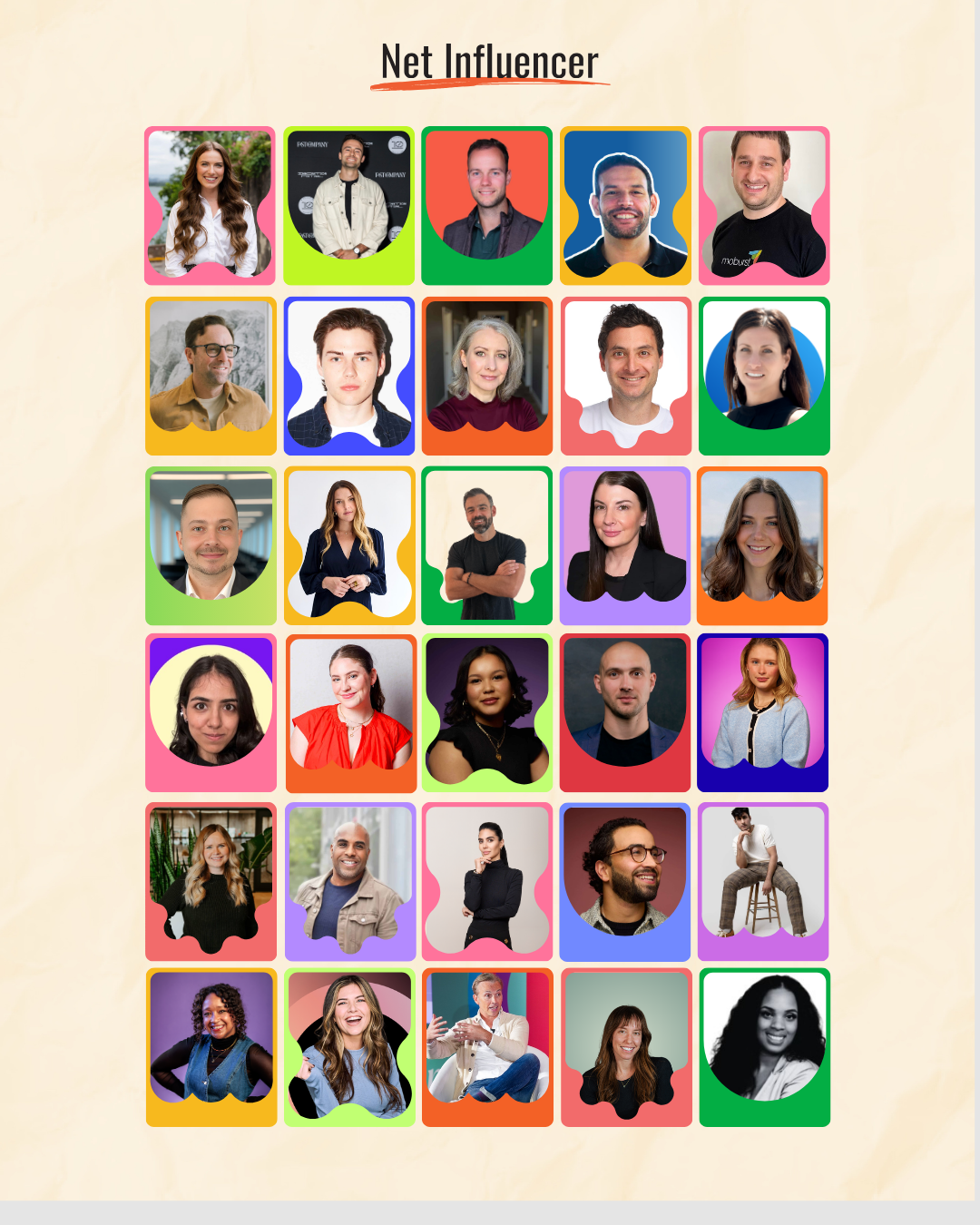
To examine how teams are adapting, we asked 30 Creator Economy and Influencer Marketing professionals which criteria and processes they use to evaluate B2B creators and which traditional vetting methods no longer work.
Kate Fleming, Director of Influencer Strategy, PartnerCentric
In B2C, creator vetting is largely about reach, resonance, and conversion velocity. In B2B, the bar is different. You are evaluating authority, audience composition, and pipeline influence because the buyer journey is longer and the stakes of a recommendation are higher.
The biggest shift is prioritizing who follows over how many. I look for job title and seniority distribution, company size, vertical concentration, and geo alignment with the ICP (Ideal Customer Profile), ideally via LinkedIn analytics, Shield, or an audience export. The question is not “are these the right consumers?” but “are these the right buyers, champions, and internal influencers inside target accounts?”
I also vet trust signals: frequency of promotions, disclosure practices, whether they critique bad tools, citations by respected peers, and credibility markers like speaking roles at industry events. Process-wise, I review 30–90 days of content end-to-end, spot-check commenters, have a technical expert assess substance, and start with a small test activation before committing.
What does not work: follower count as a primary filter, B2C engagement benchmarks, one-off sponsored posts, over-monetized creators, and success metrics that over-weight impressions or clicks versus downstream pipeline.
AJ Eckstein, Founder & CEO, Creator Match
Most brands are running a B2C report card on B2B creators. Follower count, engagement rate, broad demographic buckets. Those metrics were built for reach. B2B isn’t a reach game.
What actually predicts performance in B2B creator marketing is comment quality over comment volume. Who is replying, and what’s their title? One VP of Engineering engaging with a post tells you more about audience quality than a 6% engagement rate ever will.
We also look at whether a creator lives in the category before they’re paid to. If someone only talks about your space when there’s a contract attached, that inauthenticity transfers to the audience. The best B2B creators are operators/practitioners who happen to create, not creators who happen to know your category.
The audience-to-ICP match piece is where most brands leave performance on the table. A LinkedIn creator with 8,000 highly engaged enterprise cybersecurity followers will consistently outperform one with 80,000 general business followers for a niche B2B product. We’ve seen it across campaigns we’ve run for tech brands. The math on reach doesn’t hold when trust is the actual conversion driver.
The hardest part to fix is that this requires judgment, not just a dashboard. B2B creator vetting has been a deeply manual process because the signals that matter most aren’t easily quantifiable. That’s the gap the industry is still closing.
Tobias Hoss, Senior Advisor, TopFan
B2C vetting frameworks fall apart in B2B because the metric that actually matters isn’t reach, it’s relevance density. An 8,000-follower LinkedIn creator whose audience is mostly buyers and operators in one category will outperform a generalist with ten times the following. The question isn’t how many people are listening. It’s who.
What I actually look at: who follows them by job title and seniority, who shows up in the comments (not just likes), whether their content references real workflows and real decisions, and whether their POV is sharp enough that you could identify them without seeing the name. If the content reads like a generic business influencer playbook, the audience is probably generic too.
What doesn’t work: Engagement rate in isolation (a viral post in the wrong audience is worse than silence), LinkedIn view counts (autoplay turns vanity metrics into noise), and any vetting that stops at the creator’s profile without auditing the comment section. The comments are the actual audience. The follower list is the marketing.
Best filter I’ve found: if you removed the follower count and only saw the last ten comments, would you still want to work with them? Reach lies. Comments don’t.
Daniel Caldas, Founder, Caldas Ecom
Most B2B vetting is still B2C vetting with a LinkedIn wrapper. Traditional surface-level metrics measure platform-native content consumption and interaction. In B2B, vetting must be based on high-intent behavioral signals: did the content provide enough value for audiences to overcome friction and take action outside social platforms?
A B2B creator in a high-ticket niche with a 1,200-subscriber newsletter and 600 private community members may be more valuable than a short-form creator with 1M followers producing entertainment content. The audience is smaller, but the intent is much higher.
The criteria are microconversion evidence, plus direct relationship and distribution ownership. Can the creator drive measurable action across multiple funnel stages … beyond views and comments, such as newsletter opt-ins, private community memberships, and downstream engagement, and revenue from owned channels? Each threshold is a data point on audience intent and trust depth, which is what B2B brands are actually shopping for.
What’s doomed to fail is re-skinning B2C scorecards with job title filters. Demographics tell you who is in the room. Intent tells you who is listening. In niche B2B verticals, you want creators whose audiences already self-identify as qualified leads. Verify that by checking what they sign up for.
Gilad Bechar, CEO, Moburst
Standard B2C frameworks are a budget killer in B2B because they mistake reach for relevance. The focus should shift to decision-maker density, and the primary signal is the peer-to-peer ratio. When we vet a B2B creator, we read the comments before anything else. If engagement is coming from actual practitioners and C-suite leaders with real P&L responsibility, that’s real authority. If it’s general enthusiasts cheering on a thought-leadership post, the audience looks impressive and converts nothing. What doesn’t work is treating LinkedIn like TikTok. High-production accounts consistently underperform against nano-influencers because professional audiences are skeptical of polish without substance. The real indicator is contextual credibility. We look at whether a creator uses the specific vocabulary of enterprise pain points and can cite real case studies. In B2B, brands aren’t buying an audience. They’re paying for the credibility the creator has already built with their followers. A creator with 8,000 highly engaged industry followers will often drive more pipeline than a 100,000-follower generalist. If a creator can’t speak the language of ROI and specific industry challenges, a skeptical audience will sniff out the lack of expertise immediately.
Brandon Perlman, Founder & CEO, Social Studies, Inc.
At Social Studies, we talk about “Experts over Entertainers,” but that’s specifically a B2B distinction. In consumer, entertainment value is a legitimate creative currency. In B2B, it’s often a red flag.
The first thing we look at has nothing to do with follower count. It’s content history. Are they teaching, or are they performing? Do they have a consistent point of view, or are they chasing trends? That historical record tells you more about niche authority than any metric a platform surfaces.
From there, audience analysis. Titles, seniority, and the companies in the comments tell you more than follower count ever will.
What doesn’t work is applying B2C vetting frameworks wholesale. Engagement rate benchmarks and demographic filters were built for consumer audiences. They’re largely irrelevant when you’re trying to reach a specific buyer.
The most underrated signal in B2B? Most business leaders we work with have never done a brand deal. Their audience trusts them precisely because they haven’t been commercially diluted. That’s not a limitation. It’s the whole point.
Max Nimmo, Founder, CreatorWorks
When evaluating B2B creators, we know that relevance is more important than reach, but this is incredibly hard to quantify. Much like B2C campaigns, we still care about the performance data of a creator’s content, the style of content that they produce, and the context in which their content exists, but this doesn’t tell us the full story. Looking at the volume of qualified engagement on a creator’s previous content is a great indicator of their authority. We check to see if senior leaders and decision-makers from our ICP’s industry are regularly liking and commenting on the creator’s posts, which is a strong indicator that they’re a credible voice in the space. However, LinkedIn is as close to a zero-click platform as we can get, so often we’re not able to get the full picture through public engagement. So looking across platforms is important. Are they posting on LinkedIn, hosting a podcast, and writing a newsletter? We found that creators who share their expertise on a range of different mediums are not only more likely to be real domain experts but are also building a deep level of trust with an engaged audience.
Sarah McNabb, CMO, GigaStar
Most B2B creator evaluation still leans on vanity metrics because they’re easy to report upward. We’ve moved away from that. What actually matters is comment quality over comment volume. Who is leaving comments, and what are they saying? A thread where three CISOs are debating implementation details tells you more than 500 fire emojis ever will. We also pay attention to consumption patterns. Does the audience read past the hook? Are posts being saved and shared within professional networks? On LinkedIn, reshares with added commentary signal real authority, not passive scrolling.
For niche credibility, we look at whether the creator is being cited or tagged by other recognized voices in the space. Peer validation from practitioners carries a lot more weight than follower counts in B2B. What doesn’t work? Engagement rate as a standalone metric. A creator with 8,000 followers and a 12% engagement rate will outperform one with 80,000 and 1.5% every time, but most campaign briefs still filter on minimum follower thresholds. We push back on those filters early, because they cut out exactly the niche authority accounts that actually move the needle in the Creator Economy. The shift we’ve made is from reach to resonance with the right room.
Dani Markovits, CCO, Shake Content
The problem with standard vetting metrics? They were built for B2C. Follower count, engagement rate, audience demographics: these tell you who follows a creator, not who listens when it matters.
In B2B, I focus on signals that don’t fit neatly into a dashboard:
Comment quality over quantity. Are decision-makers and practitioners engaging with substance … or is it mostly generic “great post! 🙌” from other creators and job seekers? A cybersecurity creator with 8,000 followers whose comments come from actual CISOs (Chief Information Security Officers) beats one with 80,000 followers getting applause from career coaches.
Audience-content alignment. Does the creator talk about enterprise sales while their commenters are mostly coaches and consultants? That’s a mismatch. The audience should reflect the buyer you’re trying to reach.
Offline pull. Does their content translate to speaking invites, podcast appearances, “I saw your post” conversations at industry events? If influence stays purely digital, it may be surface-level.
The real question isn’t how many people see this creator – it’s do the right people act on what they say?
Jessica Thorpe, CEO, partnrUP
B2B creator marketing gets mis-scored because most vetting models still come from B2C. What matters most is not follower count. It’s topic authority and audience proximity. How consistently does this person talk about the exact problem space your product solves? How closely does their audience align with the people most likely to care about your message?
If that alignment exists, you can always buy scaled reach behind the content through paid amplification. What’s much harder to manufacture is credibility. The strongest creator content also tends to get shared into adjacent professional networks after it goes live, while algorithms surface it to more like-minded audiences. That’s why resonance and relevance matter far more than raw size.
Theo Ruzhynsky, Co-Founder, VwD
The audience metrics conversation makes sense – but for us, the real signal is in the content itself.
Follower quality and engagement composition matter. But what we actually focus on is what a creator is saying, how consistently they say it, and whether it holds up under scrutiny. That means analyzing the full body of work – not a recent sample – across every format they publish in.
Does this creator have a genuine point of view in their niche, or are they trend-chasing? Are they citing real expertise or recycling takes? Is their content consistent with what a brand actually wants to be adjacent to?
Those questions require deep content analysis at scale. That’s where most manual B2B vetting falls apart – teams are reading comment sections and scrolling profiles, which is slow, biased, and incomplete.
What doesn’t work: surface metrics as a proxy for authority. Follower count, growth velocity, even engagement rate – none of those tell you whether the content itself is credible, consistent, or brand-safe in a regulated industry context.
B2B creator vetting needs the same rigor applied to content that B2C brand safety has applied to risk. The tools just haven’t caught up yet.
Jennifer Quigley-Jones, VP of Strategy & Partnerships, PMG
B2B is one of the fastest-growing verticals in Influencer Marketing, particularly due to the growth of LinkedIn as a platform, founders building in public, and helpful business advice content. B2B campaigns require brands and agencies to innovate with both campaign strategy and creator selection. Although target audiences tend to be smaller, more specialized and have longer lead times, they are often of much higher value. When working with LinkedIn creators, you need to build extra time into campaigns to manually ask to vet their audience industries, job titles and locations. On other platforms, working with B2B authority creators requires more qualitative assessment, for example, asking to see the most common industry questions they get, so that you can tailor content to truly engage their audience.
Brendan Gahan, Founder & CEO, Creator Authority
B2C is (generally) a reach game. You are casting wide to influence a broad consumer base. B2B is a relevance game. You are trying to reach a small, specific cohort of decision-makers, often a handful of titles at a handful of companies. The metrics built for the former break the moment you apply them to the latter.
But before you measure anything, you need a strategy. The biggest mistake in B2B influencer marketing is leading with creators instead of leading with strategy. You cannot define “outperform” until you have defined the desired outcome, the audience, and the role each creator plays. Strategy first. Creators second.
What doesn’t work: Follower count as a primary filter, engagement rates divorced from audience composition, and broad-niche assumptions. “Tech creator” is not a strategy. Type in a category, get a list ranked by reach. That is not vetting. That is shopping.
A creator whose bio says cybersecurity but whose audience is junior practitioners is useless to a brand selling to CISOs. Context is everything.
Every program has to be bespoke. A creator with 8,000 cybersecurity decision-makers outperforms a 200K generalist when credibility counts.
Sabrina Haschak, Head of Partnerships, Beacons.ai
I evaluate audience composition and quality over size. Who’s in the comments – practitioners and decision-makers, or people adjacent to the space? Engagement rate alone is misleading; a LinkedIn creator with a 2% rate and 40 comments from VPs and security directors is more valuable than a 6% rate from a career mentorship crowd.
The criteria I weight most: can the brand message live inside the creator’s existing narrative without rewriting it? If you’re engineering a new content framework just to fit the brand in, it’s likely not a real fit.
I always bring a strategic idea so brands can visualize the integration. For a cybersecurity client, that could look like: “The tools I trust with my clients’ data and how I vet them the same way I vet new hires.” The product slots into the creator’s world rather than interrupting it. That’s the standard I’d encourage every B2B brand to hold.
Melanie Archer, VP Operations, Linqia
The metrics that matter most in B2B aren’t the ones that are easiest to pull. Follower count and broad engagement rates were built for B2C audiences, and applying them to B2B creator evaluation leads you to the wrong people. What we actually look at is comment quality – not volume. Are real decision-makers and people who actually work in the space engaging? Are there substantive back-and-forth conversations happening? That tells you far more about true niche authority than any vanity metric.
What we’ve learned to discount: The inflated credential summary. In B2B, a lot of creators lead with an impressive-sounding bio – titles, years of experience, industry buzzwords – but when you dig a layer deeper, the substance isn’t there. And this audience is sharp enough to spot it immediately. That credibility gap is fatal in B2B in a way it simply isn’t in B2C.
Whether we’re evaluating creators for CPG, pharma, tech, or any other vertical, the framework is the same: stop asking how many people follow them and start asking who is actually listening and responding. B2B influence lives in credibility, not reach.
Muskan Mehta, Growth & Partnerships Lead, SARAL
The first thing we look for is whether this person has built something. The creators who move the needle for us are the ones who’ve run businesses themselves; they have credibility in the ecosystem and people genuinely look to them when making decisions. That’s different from just having a big following.
The second filter is whether they have an original point of view. Do they write content that makes you think, or are they just summarizing what everyone else is saying? High-authority B2B content has a perspective. You can tell immediately when someone understands the space vs when they’re filling a content calendar.
What doesn’t work is creators who do a lot of generic outreach and treat every partnership the same. If their content feels forced or templated, their audience has already tuned it out. Reach means nothing if the trust isn’t there.
Gigi Robinson, Founder, Hosts of Influence®
I sit on both sides of this, I get vetted by B2B brands as the creator, and I vet B2B creators or experts when I’m picking guests for Creator Etiquette™ or thinking about company partnerships. The framework I use looks very different from the B2C playbook brands keep trying to apply.
The most important thing about B2B versus B2C and the reason a LinkedIn creator with a smaller, highly engaged audience will outperform a corporate business page every time is that the smaller creator is usually operating as a founder first. They’re creating thought leadership content focused on delivering value, not explaining a service. Think about it through the lens of show, don’t tell. The strongest B2B creators show you their product, their thinking, and their expertise through writing, visuals, and video, so you actually understand how to use what they’re talking about. The weaker B2B content just tells you what the product does. Brands keep optimizing their vetting frameworks around the wrong half of that equation. They’re measuring reach when they should be measuring whether the audience actually leaves with a usable idea.
What works in B2B creator partnerships is talking directly to the creator about what resonates with their audience, and then using paid media and boosting strategically to target the exact people the brand is trying to reach. The combination of earned credibility plus paid amplification to the right room is the formula B2C frameworks completely miss. They optimize for organic reach and ignore the targeting layer that actually matters for B2B outcomes.
What doesn’t work is throwing spaghetti at the wall and hoping it sticks. But here’s the nuance, sometimes the unexpected partnerships outperform the obvious ones, especially when a creator brings a non-traditional way of explaining the product to their audience. The vetting process has to leave room for that, and B2B platforms built on B2C math rarely do. That’s the conversation we’re having on Creator Etiquette™ every week – what actually works inside the business of being a creator, especially in B2B where most of the industry is still trying to apply playbooks that don’t fit.
Kathlin Trang, Senior Social Strategist, LERMA
B2B Influencer Marketing is increasingly being driven by credibility, expertise, and trust within highly specific professional communities. Rather than acting as short-term campaign amplifiers, today’s B2B creators are becoming embedded within a brand’s category narrative and long-term thought leadership strategy. The creators driving real impact are often operators, founders, consultants, analysts, and subject matter experts whose influence comes from industry authority and peer trust, not internet clout or mass visibility. In many cases, their influence is happening behind the scenes, shaping conversations among stakeholders, buyers, and decision-makers long before anything becomes public-facing. As the space matures, brands are moving away from vanity metrics and leaning into signals that actually matter: audience relevance, conversation depth, community trust, lower-funnel business impact, and credibility across platforms where professional influence is actually being built – LinkedIn, Substack, podcasts, webinars, Slack communities, and other niche industry ecosystems.
Andrii Salii, YouTube Producer, Andrii Salii Content
In B2B, follower count is far less important than audience quality and conversion potential. I evaluate creators based on their ability to drive qualified traffic and meaningful actions – not just views or engagement. The real question is: Can this creator move the right audience from content into a landing page, demo request, form submission, or purchase flow?
I also prioritize niche authority over broad reach. Smaller, highly specialized creators often outperform larger general-business audiences because credibility and trust are deeper. One of the strongest signals is the complexity and specificity of the conversations happening in their audience – the questions they attract reveal the quality of trust they’ve built.
What doesn’t work anymore is generic sponsorship placement. Dropping a brand mention into a video or post without contextual integration delivers weak results. B2B creator campaigns perform best when the content is tailored to the platform, embedded naturally into the creator’s expertise, and supported across multiple channels with complementary messaging.
At the end of the day, value and relevance drive performance – not vanity metrics.
Alexandra Beaton, Senior Influencer Strategist, AntiSocial
Vanity metrics are a total trap because a million views mean nothing if zero people in the comments actually belong to the target community. When vetting for niche authority across any industry, from beauty to tech, our strategy has pivoted away from just broad reach to a focus that also includes community depth. Our team looks at who is actually engaging, past just a view. If the comments are filled with genuine industry peers, loyalists, or actual customers instead of just engagement pod bots or friends of the creator, then that is the sign that we have found the right voice and audience.
Additionally, we want the saves, shares, and reposts to also be hitting that four-figure number as well. Standard engagement rates (likes and views) alone can be a red flag because they sometimes mask support groups where creators trade fluff comments to game the algorithm. Similarly, rapid follower growth is viewed as a bug rather than a feature. It usually means the content is getting watered down to appeal to everyone while influencing no one. In this space, the attention of 800 high-intent individuals is infinitely more valuable than 80,000 casual enthusiasts. To us, depth is the new reach.
Erin Storm, VP, Social, broadhead
The first thing we do is ignore the metrics everyone leads with. Follower count tells you about reach. It tells you nothing about whether a creator actually has authority in the space you’re trying to reach.
What we look at instead: watch time, completion rate, shares, and saves. Those are the signals that an audience is paying attention on purpose, not just caught mid-scroll.
For B2B, there’s an extra filter that most consumer programs never think about. Is this person already living in this industry, or are they a generalist who can pivot to it? That gap matters a lot when your audience is a professional who can smell inauthenticity from a mile away. A niche creator with a small, loyal following in your exact space will outperform a big-reach generalist almost every time.
What doesn’t work: Chasing audience growth without asking whether that audience actually sticks. An account that grows fast but can’t hold attention past the first few seconds is not an asset. And platform fit gets overlooked constantly. The right voice in the right community, even with modest numbers, will drive more impact than a broad reach play on a platform your buyers aren’t actually using.
Bill Herndon, Founder & CEO, ATRX Agency, LLC
For B2B creator marketing, follower count alone tells you very little. We evaluate creators based on audience behavior, trust, and consistency across both short-form content and live community engagement. Short-form content may establish authority, but live environments reveal whether the audience actually trusts the creator.
One of the biggest mistakes brands make is applying B2C metrics to niche B2B ecosystems. A creator with a smaller but highly engaged audience of decision-makers can often outperform a much larger creator with broader but passive reach. We pay close attention to the quality of conversations happening in comments, recurring audience participation, real-time community interaction, and whether the creator consistently drives meaningful engagement across platforms.
In livestreaming environments, you quickly learn the difference between an audience and a community. Viral moments and high-volume livestreams may create attention, but sustained trust is what creates influence.
We also look for alignment between the creator, the brand, and the audience itself. If the creator’s short-form messaging, live conversations, and community behavior don’t align, it becomes a red flag. Authority today isn’t built from one viral moment. It’s built through repeated trust signals over time.
Shahrzad Rafati, Founder & CEO, RHEI
In B2B sales, traditional metrics like reach are no longer relevant. What matters is how well you’re connecting with your target audience. If you’re offering specialized products or services, it’s not about having a huge following; it’s about having the right listeners. A creator who has 8,000 followers who are interested in your niche is far more valuable than one with 80,000 followers who aren’t invested. These niche followers are who drive real results and make a significant impact on your business. In the enterprise space, relevance is the only thing that counts, and having a deep understanding of your target audience is crucial to success.
When we determine if someone is an expert in their field, we look at how they interact with their audience. We care more about having meaningful conversations than getting a lot of likes or comments. We think the quality of your audience is what really matters, and that’s measured by how many decision-makers are actively engaging with your content, not by how many people are liking or commenting. We want to see if the people who are following you are really paying attention and thinking deeply about what you have to say.
Brett Dashevsky, Founder, Creator Economy NYC & Siftsy
At Siftsy, we’ve found the comment section to be one of the strongest signals for evaluating B2B creators, especially on LinkedIn. Follower count alone can be misleading. We look closely at the quality of conversation happening underneath the content and, more importantly, who is participating in it. Are practitioners, operators, and decision-makers consistently engaging? LinkedIn is unique because you can often directly assess the credibility and relevance of the audience itself, which gives a much clearer read on true niche authority than surface-level metrics.
Ritik Karanwal, Influencer Manager, Clicks Talent Agency
Most brands still vet B2B creators like they’re selling protein powder. Big follower count. High engagement. Nice-looking analytics.
But in B2B, that stuff can be completely misleading. I’ve seen creators with 7K followers drive more qualified leads than people with 200K because the right people were watching. A cybersecurity creator followed by CTOs and IT buyers is way more valuable than a generic “business” influencer getting likes from students and other creators.
The biggest thing I look at is trust. Are people in the comments actually discussing problems? Are decision-makers engaging? Do other respected people in the industry take them seriously? That tells you everything.
I also look for creators who clearly have real experience. You can usually tell within 30 seconds if someone is speaking from years of doing the work or just reposting LinkedIn advice.
What doesn’t work? Chasing vanity metrics.
In B2B, influence is quieter. Sometimes one trusted creator with a niche audience will outperform an entire campaign built around reach.
Sean Kielar, Manager, Creator Partnerships, Stan
One thing we’ve learned: “Large audience” does not equal “high influence.” Some of the best-performing creators for us have smaller, deeply trusted communities. When evaluating B2B creators, engagement rates are important, but we focus less on vanity metrics and more on signals like: Are they actually speaking to our ideal customer? Do people trust them? Are they showing up in their comments and building alongside their audience? And, most importantly, does their audience take action? At the end of the day, we want to work with someone who is excited to empower their audience to make a positive change in their life or workflow, aligning with our own mission.
Maria Rodriguez, VP of Communications and Marketing, Open Influence
In B2B, quality almost always outweighs quantity. A creator with 8,000 highly relevant followers can drive significantly more business impact than someone with 80,000 broad followers, especially in industries with long sales cycles and high consideration purchases.
We look beyond vanity metrics and focus on signals of authority and trust:
• Who is engaging with the content?
• Are decision-makers part of the conversation?
• Are people sharing it internally, referencing it, or reaching out after seeing it?
In B2B, one trusted connection can be more valuable than thousands of impressions. That’s also why measurement looks different. It’s not always immediate conversions. Often it’s qualified leads, inbound conversations, sales team feedback, executive engagement or relationships that influence deals over time. Trust is harder to measure than clicks, but in B2B, it’s often the metric that matters most.
Matt Duffy, CMO, Pixability
While people often think about YouTube influencers as being B2C-focused, there is also a thriving community of B2B influencers. Here are some tips to find the right one:
Influencer Suitability: Many influencer firms don’t have great information about YouTube channel suitability, especially for B2B advertisers. They may miss a controversial video from the creator or one that doesn’t align with brand values. They should work with a YouTube-specialized suitability partner who can identify these blind spots and find the best fits for the brand.
Recent Engagement: High subscriber and view counts matter less than recent audience growth and engagement in the past three months. Many channels with big subscribers aren’t producing content regularly. Look for those that matter the most now.
Other Sponsors: Work with a partner that has information on a creator’s recent sponsorships. Then you can choose to work with one that hasn’t worked with any competitive brands – or you can intentionally pick one that has if you want to be more aggressive. We recently helped a B2B company find 70 great YouTube creators for them. All of the creators were topical, had suitable content, high recent engagement, a wide range of B2B sponsors, and were mid-sized.
Emily Huffer, Account Lead, Creator Match
Follower count is completely out the window at this point. When I’m looking for influencers for my B2B brands, I am browsing for high-quality content (any and all formats) and good engagement that is spread evenly throughout posts, which helps indicate a trusted creator.
Along with engagement, I also scroll for general brand safety. What kind of AI hot takes do they have right now? Is there any political content that could alienate certain audiences? Would this be an influencer that this brand would feel comfortable being associated with? These days, creators will post some wild things to get comments going and boost engagement, and that’s not always the best play when you have agencies and brands who are considering you for an authentic partnership.
Jerrica Long, Community Partnerships Lead, Creator Match
The first thing I do is throw out the standard scorecard. For B2B creator vetting, follower count is almost irrelevant. An 8K cybersecurity audience where every commenter has CISO (Chief Information Security Officer) in their title is worth more than 80K general followers. I manually source on LinkedIn and keep my own tracker for niche audiences. Then I go straight to the comment section. Who’s there? Is our ICP showing up? Is the creator actually responding? That dynamic tells me more than any metric. What doesn’t work is leaning too hard on vanity metrics or assuming bigger reach equals better performance. In B2B, smaller, highly targeted audiences usually outperform broader ones because relevance and trust matter more than scale.
Subscribe to Our Newsletter
Check Out Our Podcast