



Agency
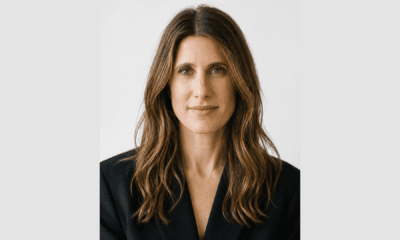
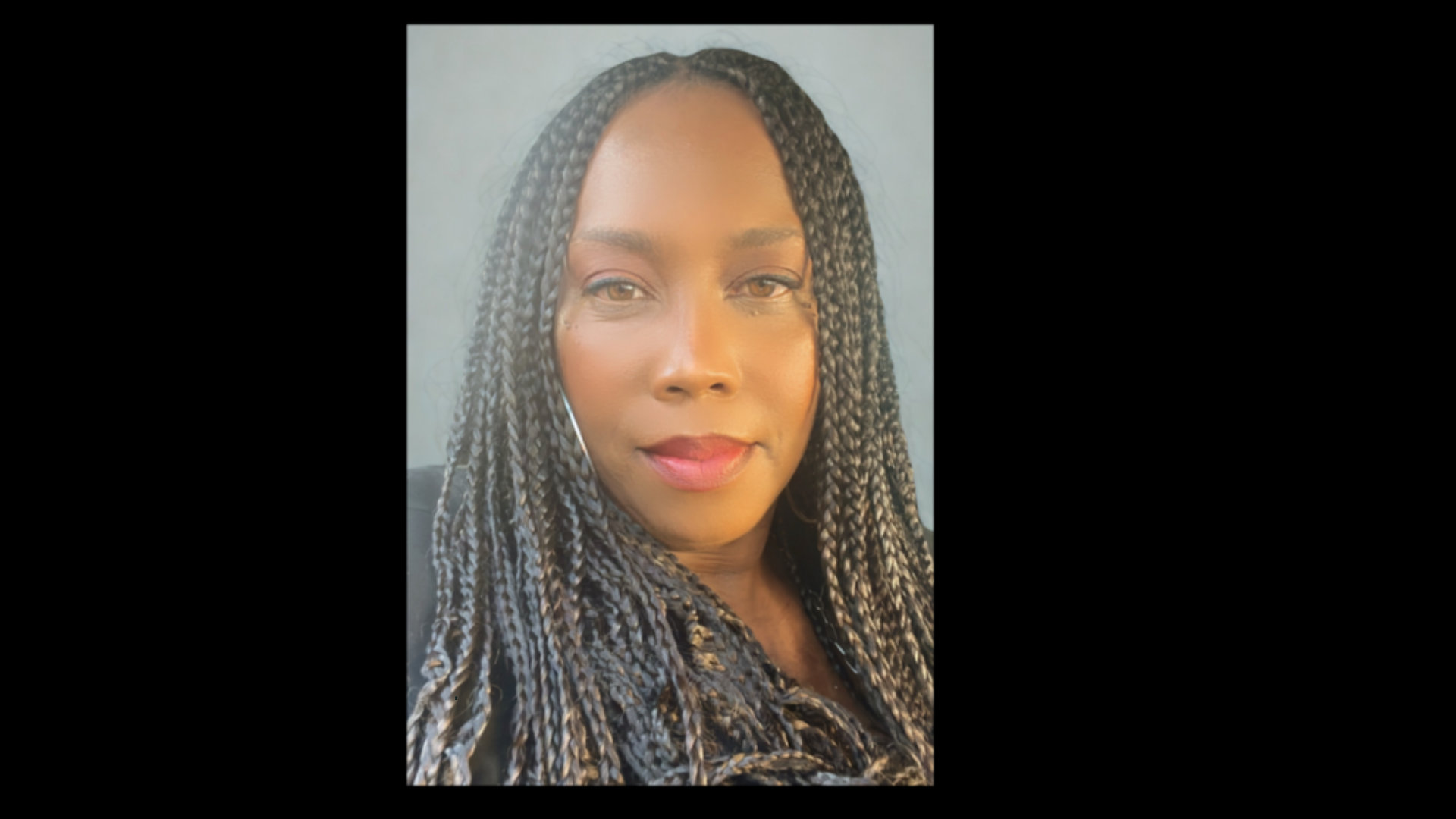
The Paul Harville Group’s Gigi Harville: Stop Labeling Creators and Start Building Brands

When Gigi Harville founded The Paul Harville Group in 2012, TikTok didn’t exist, Instagram was barely two years old, and the term “Creator Economy” hadn’t been coined. Brand deals for digital talent were nonexistent. PR packages went to actors and celebrities, not teenagers with growing YouTube followings. She built the infrastructure anyway.
Gigi, the Los Angeles-based CEO and founder, has spent 13 years managing what she calls “multifaceted brands,” a portfolio that now spans content creators, music artists, and digital collectives with combined audiences in the tens of millions. Her roster includes talent such as Bryce Xavier, a multi-hyphenate artist, actor, and content creator; The Sorority Girlz, a curated creator collective with over seven million combined followers; and clients who have landed brand partnerships with Target, Chipotle, Disney, and Nickelodeon. Her clients have been featured in Forbes, Teen Vogue, The Hollywood Reporter, and The New York Times.
“Anything is possible. Never accept ‘no’ and ‘can’t,'” Gigi says.
Starting Before the Infrastructure Existed
Gigi’s original motivation had little to do with market opportunity. She saw a lack of representation, particularly among Black, Latino, and AAPI creators, in spaces where they were rarely visible. PR packages weren’t being sent to influencers, and brands were still figuring out how to engage with digital talent. “I asked, ‘Why?'” she recalls.
Her response wasn’t to lobby the industry. She learned how to credential talent, get them on red carpets, and build relationships with brands that were still learning how to engage with digital creators. ‘If a door was closed, we found alternative ways to create access,’ she says.
The company’s early break came from Musical.ly, the short-form video app that later became TikTok. After hearing about the platform from a music artist, Tyeler Reign, Gigi helped position her music girl group, Pynk Lemonade, as one of the earliest girl groups on the app, alongside emerging talent like Bryce Xavier. The content quickly gained traction. “The team at Musical.ly gave us opportunities because they saw the talent,” she says. “They didn’t focus on age or background; they focused on the potential.”
Those early platform relationships opened doors before traditional brand partnerships fully existed, allowing her to build infrastructure ahead of the market.
Why Niches Are a Career Liability
The Creator Economy rewards specialization, or at least that’s the conventional logic, says Gigi. She rejects it. At The Paul Harville Group, talent isn’t labeled. No one is “a beauty influencer” or “a content creator.” Everyone is a brand.
“I don’t believe in being limited by niches,” she says. “I feel like being multifaceted creates long-term sustainability.”
She adds that the practical application is real. When activity in one area slowed, they were already expanding into other opportunities. The diversification wasn’t accidental. It was engineered from the start.
Gigi’s reference points sit at the top of the market. “When you think of Rihanna, we don’t think, oh, Rihanna the singer,” she says. “We think Rihanna the mogul, Rihanna the billionaire. Because she’s more than just that.”
That framework scales down to her entire roster. One creator moved across a range of partnerships spanning fashion, finance, and music collaboration, all under the same personal brand. Gigi’s argument: a strong brand identity can support seemingly mismatched partnerships because the audience trusts the person, not the category.
Building Collectives, Not Just Rosters
One of The Paul Harville Group’s most deliberate moves is the creator collective model. Rather than pitching individual clients to brands, Gigi builds curated groups that function as a unified offering.
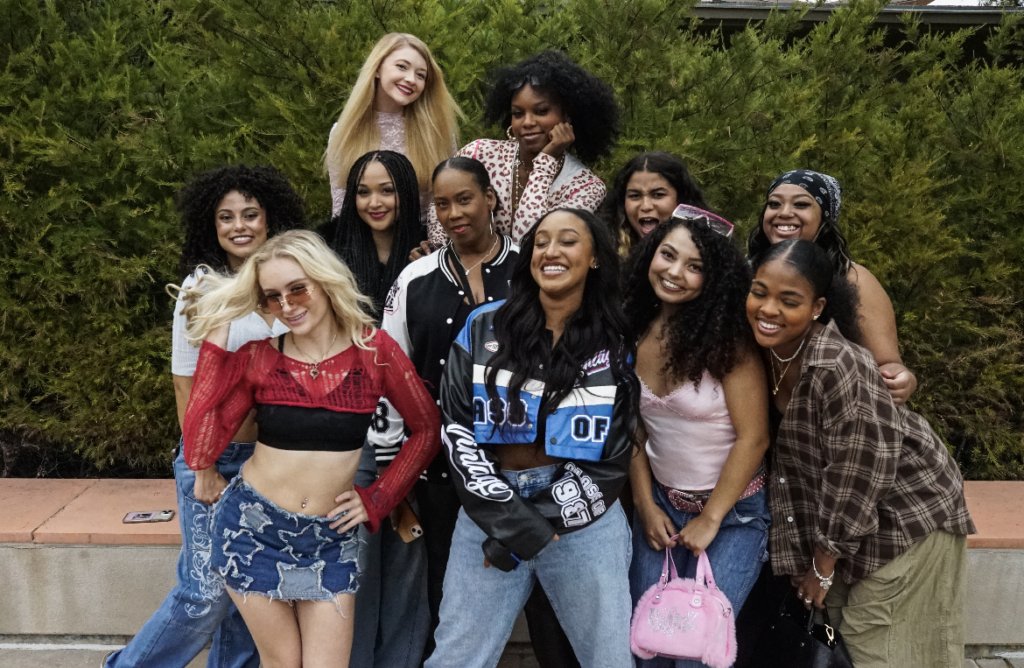
The Sorority Girlz, her digital sorority, is an all-female collective of 15 creators across diverse backgrounds, body types, and content verticals from food to gaming, with members spanning from Los Angeles to Canada, and launched with CBS and the Grammys as one of their first activations despite having roughly 25,000 Instagram followers at the time. “That let us know it’s not about numbers,” she says. “It’s about quality content and quality brands.”
She collaborates with other talent managers and agencies on co-op deals, sourcing clients from outside her own roster when a brand opportunity requires a specific profile. The approach reduces friction for brands seeking scale and opens doors for creators who might not otherwise qualify individually.
Gigi’s multi-year relationship with global instrument manufacturer Roland, having helped build their Creator Collective, has enabled her to send creators to CES and music festivals on VIP credentials. For several of those creators, it was their first time on a plane. “Those opportunities do open a lot of great doors,” she says, “even when the initial value is access and long-term opportunity.”
What Brands Keep Getting Wrong
The Creator Economy has professionalized, but Gigi says one structural problem remains: brands still don’t fully trust the talent they hire.
“Brands need to meet in the middle,” she says. “They have to have trust in the talent, that they know their audience best, they know what’s a good fit, and creatively to trust them.”
Her critique runs deeper than creative control. It extends to how brands understand the work itself. A 15-second video involves concept development, production, editing, audience psychology, and the ongoing pressure of public scrutiny. “People don’t view it as a real job,” she says. “And it is a real job for many people.”
The management-versus-agency distinction matters here too. Gigi is a manager, not an agent, a difference she emphasizes. That means around-the-clock contact, ongoing, hands-on support, and a strategy built around a client’s entire career, not just the next deal. We’re looking to change every aspect of their life.”
The Representation Argument, Reframed
Gigi started The Paul Harville Group partly to get diverse creators into spaces that weren’t making room for them. More than a decade later, her view of progress is measured, not triumphant.
“I don’t think it’s necessarily the industry,” she says. “I think it’s business as a whole. If you look at the scope across the board in any area, it looks the same.” The Creator Economy reflects the same structural patterns as every other sector.
What she finds more instructive is the emergence of organizations like Gold House, which built representation infrastructure for the AAPI (Asian American and Pacific Islander) community rather than waiting for the mainstream to provide it. “If it doesn’t exist for me, we’re going to create it,” she says. “We can create it for ourselves even if it wasn’t there before.”
Her own approach has shifted with experience. “I walk in a room as a CEO before I walk in a room as a Black woman,” she says. The priority is placing qualified people at the table, she adds, regardless of background.
What Comes Next
Gigi is expanding her focus beyond day-to-day management. This year, she is building out her personal brand and joining Shira Lazar’s Creators for Mental Health initiative, a space she says is underserved on both sides of the client relationship.
The Paul Harville Group is also developing creator collectives for several companies entering the digital space late, as well as expanding an IP and film-and-TV pipeline designed to build assets that clients own rather than borrow from platforms. The broader shift in focus, from placement to ownership, mirrors what Gigi has always argued about brand building.
“We started when none of this existed,” she says. “We know how to create something out of nothing.”
Subscribe to Our Newsletter
Check Out Our Podcast