


Talent Collectives
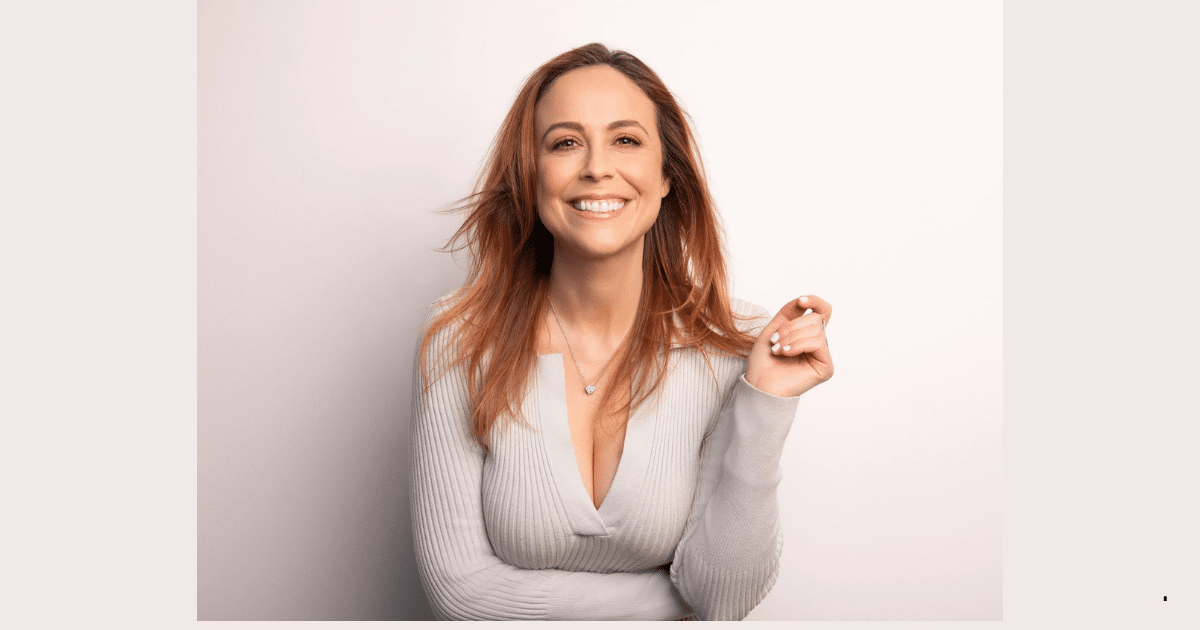
Shira Lazar On Building Creator-Led Media And Why Mental Health Is Becoming A Core Industry Issue

For more than a decade, Shira Lazar has operated at the intersection of media, technology, and internet culture, long before the creator economy had a name. As founder, CEO, and host of the What’s Trending publication, Shira has built one of the earliest creator-native media companies designed around social platforms rather than legacy distribution. More recently, she has extended that work into advocacy and infrastructure through Creators 4 Mental Health, an initiative focused on creator well-being, research, and industry standards.
Together, the two ventures reflect Shira’s core thesis about the creator economy: sustainable media businesses are no longer defined by platforms alone, but by community trust, diversified distribution, and the human systems supporting creators behind the scenes.
“I’ve been in this space long enough to see it go from being dismissed to being misunderstood, to now being unavoidable,” Shira says.
Drawing on nearly two decades inside digital media – from pre-YouTube online video to TikTok, live streaming, Web3, and now AI-driven content – Shira argues that the next phase of the creator economy will be shaped as much by mental health infrastructure and business fundamentals as by algorithms or formats.
Building Media for the Social Generation
Founded in 2011, What’s Trending emerged from a gap Shira identified while working at CBS News: there was no dedicated outlet translating internet culture and social trends into mainstream-accessible media.
“People were tech reporters, but no one was really covering digital culture,” Shira says. “No one really understood it.”
The company began as a live, culture-driven show focused on real-time social conversation, before growing into a broader digital media brand and publisher with millions of followers across platforms.
Today, What’s Trending distributes short-form video, event coverage, and trend-focused storytelling across their site as well as TikTok, YouTube, Instagram, and out-of-home media networks. Shira says this diversification strategy became essential as platforms multiplied and competition intensified.
“We evolved beyond just a show into a digital media brand and publisher,” she explains. “It’s not just my face. The idea was always to scale it beyond that.”
That platform-agnostic and entrepreneurial mindset, she argues, is what allowed What’s Trending to survive while many digital publishers and cable-era brands struggled.
Surviving the Platform Whiplash
Shira’s career maps closely to the rise and reinvention of social platforms themselves. She was early to Twitter, Instagram, Musical.ly (which became TikTok), and live streaming, often experimenting personally before rolling insights into company strategy.
“I didn’t just tell my team to go check something out,” she says. “I started playing with it myself to really understand these platforms and communities.”
That curiosity-first approach helped What’s Trending capitalize on social media shifts while avoiding over-dependence on any single one. When Musical.ly transitioned into TikTok, the brand was already positioned to grow quickly. When live streaming surged, Shira leveraged years of experience producing real-time shows around tent-pole events such as CES (Consumer Electronics Show), SXSW (South by Southwest), as well as major award ceremonies.
At the same time, she acknowledges that being early does not always translate into immediate revenue.
“There’s a reason why we haven’t shut down,” she says. “I stayed lean and nimble. That has its pros and cons, but it kept us alive and in the space.”
Rather than chasing venture-scale growth, Shira focused on durability, prioritizing credibility, relationships, and adaptability over short-term expansion.
From Live Shows to Cultural Infrastructure
One of Shira’s most consistent insights is that live formats still create disproportionate cultural impact, even as short-form video dominates feeds.
“With live, there’s something special that happens,” she says. “That real-time response and connection creates and builds on cultural moments.”
She believes live programming is poised for a resurgence, not necessarily as massive studio productions, but as hybrid, mobile-first experiences layered into events, communities, and commerce.
At What’s Trending, live coverage continues to anchor major moments, while cut-downs and clips fuel social distribution and marketing. The company has also expanded into out-of-home networks, placing content on screens in gas stations, movie theaters, campuses, and taxi cabs.
“As the online space becomes noisier, especially with AI, brands are going to look for new places to connect with audiences,” Shira says. “I’m really bullish on IRL events and out-of-home.”
Why Mental Health Became the Next Frontier
While Shira has spent years analyzing platforms and formats, she says the most urgent creator-economy problem today is human, not technical.
“Financial instability, burnout, loneliness – these things compound,” she says. “And most creators have no support system.”
That realization, along with her own experience as a creator, led to the launch of Creators 4 Mental Health in 2024, following a series of live events that revealed strong demand for creator-specific mental health resources. The initiative now operates across events, research, education, and services, including Creator Care, a sliding-scale therapy program for creators in California.
In late 2025, the organization released what Shira describes as the most comprehensive mental-health study of creators in North America, surveying more than 500 creators. Among its findings: one in ten creators reported suicidal ideation related to their work, roughly double the national average, while nine in ten reported having no formal support.
“These are huge gaps,” Shira says. “And they’re industry problems, not individual failures.”
From Awareness to Industry Action
Unlike wellness initiatives that stop at awareness, Creators 4 Mental Health is designed to inform structural change. Shira shares that the organization is working with platforms, talent representatives, and policymakers to translate research into practical standards.
Planned initiatives encompass an industry pledge, toolkits developed with academic partners, and policy collaboration, including a proposed Creator Bill of Rights informed by the organization’s research.
“We’re trying to equip the industry with tools,” she explains. “Not just creators, but managers, reps, and brands because they’re often the first line of consistent contact with a creator.”
The goal, she adds, is to make mental health infrastructure a baseline expectation rather than an afterthought as the creator economy continues to scale.
Advice for the Next Generation of Creator-Founders
For creators and founders building media companies today, Shira emphasizes flexibility over platform mastery.
“I love what Tubi exec, Kudzi, recently shared. People need to stop blaming the algorithm and start being more flexible,” she says. “What worked once isn’t going to work forever.”
She encourages creators to think of themselves as entrepreneurs and small businesses with multiple revenue paths (content, partnerships, events, education, speaking) rather than betting everything on a single format or platform.
“In the end, you have you as your foundation,” Shira says. “Your skill set, your passion, your why, and that’s unique to you.”
She believes that ongoing inner work, alongside community, supportive systems, and mentorship, helps creators adapt without internalizing platform changes as personal failure.
What Comes Next?
As the creator economy matures, Shira sees a convergence between independent media, education, and community-driven brands with mental health and sustainability as defining competitive advantages.
“We need to build with revenue and scale in mind,” she says, “but also think about our humanity.”
For Shira, the future of creator-led media isn’t just about reach or monetization. It’s about designing systems that allow creators and the businesses built around them to last.
“Great things take time,” she says. “And we all have a responsibility in shaping what this industry becomes.”
REVISED VERSION FOCUSED ON WHAT’S TRENDING:
How What’s Trending Turned Platform Shifts Into a Sustainable Media Model
Few creator-native media companies have survived more than a decade without being acquired, shuttered, or hollowed out by platform shifts in a digital publishing field defined by churn. What’s Trending is one of them.
Founded in 2011 by Shira Lazar, What’s Trending began as a live, culture-driven show translating internet conversation into real-time programming. Fourteen years later, it operates as a diversified digital media business spanning short-form video, live coverage, social publishing, and out-of-home distribution – a development Shira says was less about chasing growth and more about staying alive.
“I’ve been in this space long enough to see it go from being dismissed, to being misunderstood, to now being unavoidable,” Shira says.
That long view and the decisions it forced are what distinguishes What’s Trending in a generation of social-era publishers that failed to adapt when platforms, monetization models, and audience behavior changed.
A Media Brand Built for Social, Not Adapted to It
What’s Trending emerged from a gap Shira identified while working at CBS News, an environment where internet culture was treated as an adjacent curiosity rather than a core beat.
“People were tech reporters, but no one was really covering digital culture,” she says. “No one really understood it.”
Rather than retrofit legacy formats for the web, Shira built What’s Trending natively around social distribution and live conversation. The early format centered on real-time shows tied to cultural moments, social chatter, and emerging creators – an approach that predated the now-standard playbook of creator-led media.
The company quickly grew an audience across YouTube, Twitter, and Facebook, before expanding to newer platforms as they emerged. Over time, What’s Trending grew from a single show into a broader digital publisher producing short-form video, event coverage, and trend-focused storytelling across TikTok, YouTube, Instagram, and other surfaces.
“We evolved beyond just a show into a digital media brand and publisher,” Shira explains. “It’s not just my face. The idea was always to scale it beyond that.”
She also notes that building a brand rather than a personality-dependent channel proved critical as the creator economy matured.
Surviving Platform Whiplash Without Betting the Company
Shira’s career mirrors the rise and reinvention of social platforms themselves. She was early to Twitter, Instagram, Musical.ly (which later became TikTok), and live streaming, often testing platforms personally before rolling insights into company strategy.
“I didn’t just tell my team to go check something out,” she says. “I started playing with it myself to really understand these platforms and communities.”
That hands-on experimentation helped What’s Trending capitalize on platform transitions while avoiding over-reliance on any particular one. When Musical.ly became TikTok, the brand was already positioned to grow. When live streaming surged, Shira drew on years of experience producing real-time shows around tent-pole moments such as CES (Consumer Electronics Show), SXSW (South by Southwest), and other major award ceremonies.
Still, being early didn’t always translate into immediate revenue.
“There’s a reason why we haven’t shut down,” Shira says. “I stayed lean and nimble. That has its pros and cons, but it kept us alive and in the space.”
Rather than chase venture-scale expansion or platform-exclusive deals, What’s Trending prioritized durability, maintaining credibility, relationships, and operational flexibility, even when growth was uneven.
Why Live Still Matters in a Short-Form World
While short-form video dominates today’s feeds, Shira believes live formats continue to deliver disproportionate cultural value, especially when tied to real-world moments.
At What’s Trending, live coverage remains central to major cultural events, with clips and cut-downs fueling social distribution afterward. Shira sees live not as a standalone product, but as connective tissue – a way to bring audiences together around moments that feel urgent and shared.
“With live, there’s something special that happens,” she says. “That real-time response and connection creates and builds on cultural moments.”
She also believes live formats are entering a new phase, shaped by mobile production, hybrid experiences, and platform maturity.
“It’s easier now,” she notes. “You don’t need a massive studio to do it properly, but you still need intention and a team.”
Betting on Out-of-Home as the Next Distribution Layer
As feeds grow noisier and AI-generated content floods social platforms, What’s Trending has increasingly invested in out-of-home distribution as a complementary channel.
The brand now places content across gas station screens, movie theaters, campuses, and taxis, extending its reach beyond personal devices into physical environments.
“As the online space becomes noisier, especially with AI, brands are going to look for new places to connect with audiences,” Shira says. “I’m really bullish on IRL (In Real Life) events and out-of-home.”
For Shira, the appeal is twofold: forced attention and cultural signaling. Viewers don’t scroll past a screen they’re physically standing in front of and seeing social content in unexpected spaces reinforces its relevance.
Out-of-home also reflects a broader thesis she holds about media cycles: what once felt “old” can become new again when audiences and infrastructure catch up.
The Advantage of Longevity
What’s Trending was never the biggest digital publisher and Shira doesn’t pretend it was. Instead, she frames the company’s survival as the result of compounding decisions that favored resilience over hype.
“We were early,” she says. “But we also stayed.”
For Shira, the future of creator-led media isn’t just about reach or monetization; it’s about designing systems that allow creators and the businesses built around them to last.
“Great things take time,” she concludes. “And we all have a responsibility in shaping what this industry becomes.”
Subscribe to Our Newsletter
Check Out Our Podcast