




Technology
Inside DittoDub, the AI Dubbing Startup Behind Erling Haaland’s Multilingual YouTube Push

AI dubbing has become one of YouTube’s fastest-growing creator tools. DittoDub, a Salt Lake City startup, is betting that translating videos into dozens of languages while preserving a creator’s voice can unlock entirely new audiences rather than simply reaching existing ones.
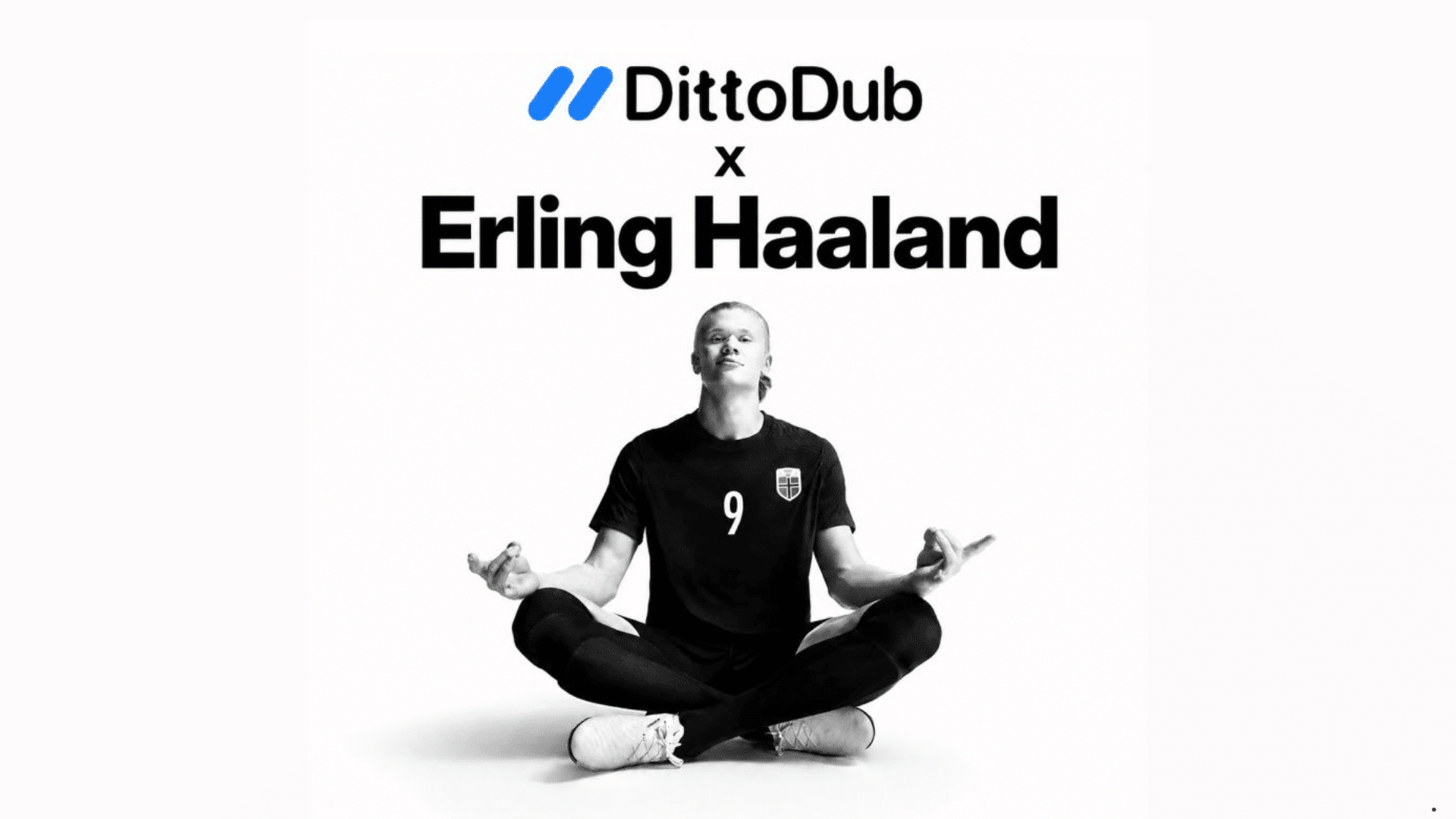
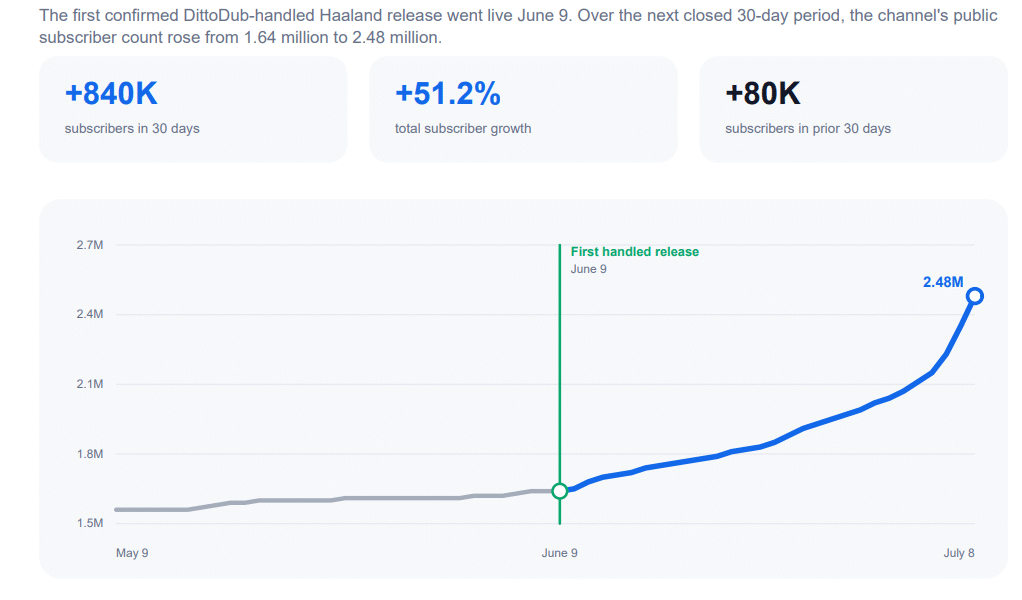
One recent public example is Erling Haaland’s YouTube channel. After DittoDub rolled out dubs in 44 languages beginning June 9, the channel added roughly 840,000 subscribers over the following 30 days. The same period also coincided with the FIFA World Cup, additional uploads, creator collaborations, and YouTube promotion, making the precise contribution of dubbing impossible to isolate. But the case illustrates the argument DittoDub has been making to creators since its launch in 2024: language, not content, is often the biggest barrier to growth.
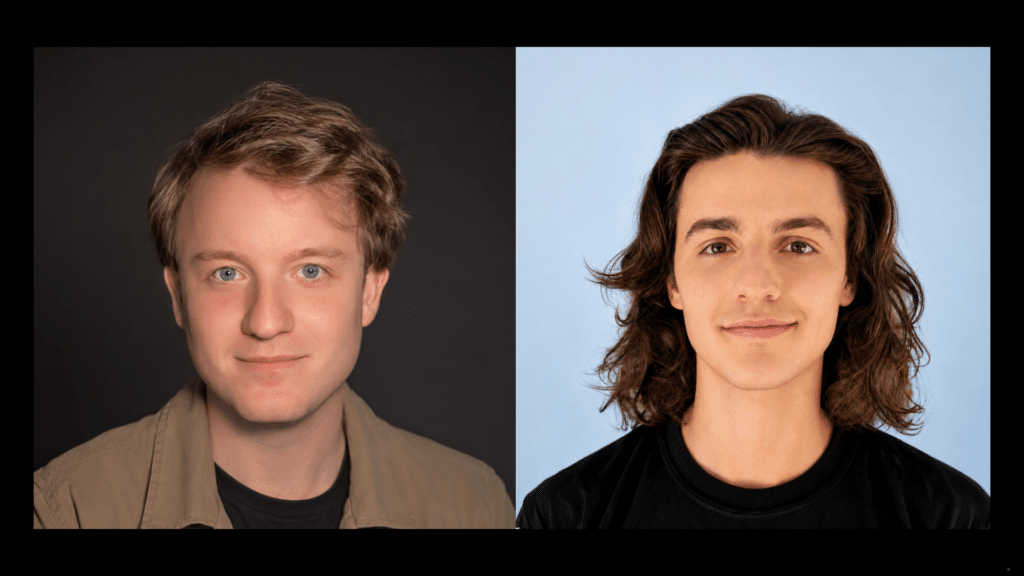
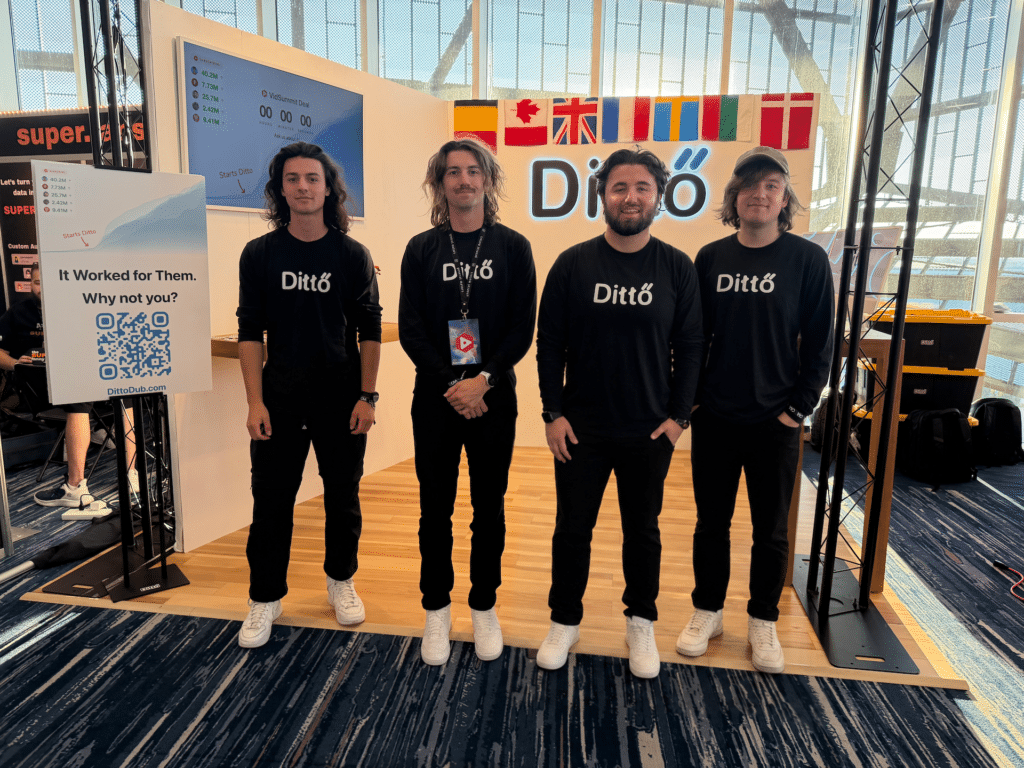
Founded by brothers Nate and Jackson Stone, the company focuses almost exclusively on YouTube, where it says its technology has been used across channels representing more than 140 billion cumulative views.
“DittoDub helps creators scale their content globally,” Nate says. “We create models that preserve the creator’s voice and emotions to easily bring their content with as much fidelity as possible to as many cultures as possible.”
The First Version Spoke Backward When It Broke
DittoDub’s first model ran on Tortoise TTS, an open-source voice cloner Nate describes as “extremely slow” and limited to roughly 15 to 20 seconds of speech before producing what the founders called “demon voices, where it just starts speaking backwards and really garbled.” To catch those failures before creators saw them, the team built what Nate calls “probabilistic machines” that scanned every five-second chunk of audio for the likelihood of a demon phrase, an alert that woke the founders overnight to review flagged clips by hand.
That manual review process existed for one reason. “Reputation is everything,” Nate says of the calculation the team made early on, when it had already signed a handful of large creators it did not want to disappoint. DittoDub has since replaced most of that manual layer with automated detection.
Locale Control Solved Accents. Singing Still Hasn’t Been.
Singing remains the hardest part of dubbing to get right, Nate says, a view Jackson shares. “It’s basically perfect at that type of stuff,” Nate says of nearly every other translation problem, but content that doesn’t map cleanly across languages, such as reciting the alphabet, still trips the models up.
Nate expects a coming model update to address singing “a little more aggressively,” though he stops short of calling it solved.
Accent handling, by contrast, is largely resolved. DittoDub trains separate models and pipelines for regional variants, Jackson explains, so a creator can select Mexican Spanish or Spain Spanish specifically, or a particular dialect of Hindi, rather than getting a blended result. Earlier versions of the product would drift mid-video, switching accents without warning.
DittoDub Turns Down Almost Everything That Isn’t YouTube
A creator connects a YouTube channel, and DittoDub’s recommendation model flags which videos and languages are likely to move its subscriber and view trajectory before the creator picks any. Once dubbed, a Chrome extension pushes titles, descriptions, subtitles, and thumbnails back onto YouTube automatically, “all localized out,” Nate notes.
The company has said no to requests that sit outside that workflow. Audiobooks came up repeatedly, Nate says, but “felt a little bit too tangential.” The reasoning is competitive rather than philosophical. “There are lots of very large companies,” he says, “and that is the only way to stay competitive in the space.”
Nate says the operational lift for a rollout the size of Haaland’s was no different from a smaller creator’s, since the same pipeline runs underneath both. That claim is easiest to test against the numbers DittoDub has circulated since June.
Haaland’s Channel Grew 51% While a World Cup Ran Alongside It
According to figures DittoDub compiled from ViewStats, a third-party public-data tracker, Haaland’s channel rose from 1.64 million to 2.48 million subscribers, a gain of roughly 840,000, or 51.2%, in the 30 days following the June 9 rollout of dubs across 44 languages. In the prior 30-day window, the same channel had added about 80,000 subscribers. DittoDub’s own brief also notes the period included World Cup coverage, a jump to 12 uploads from 3, creator collaborations, and YouTube promotion running concurrently.
Source: ViewStats
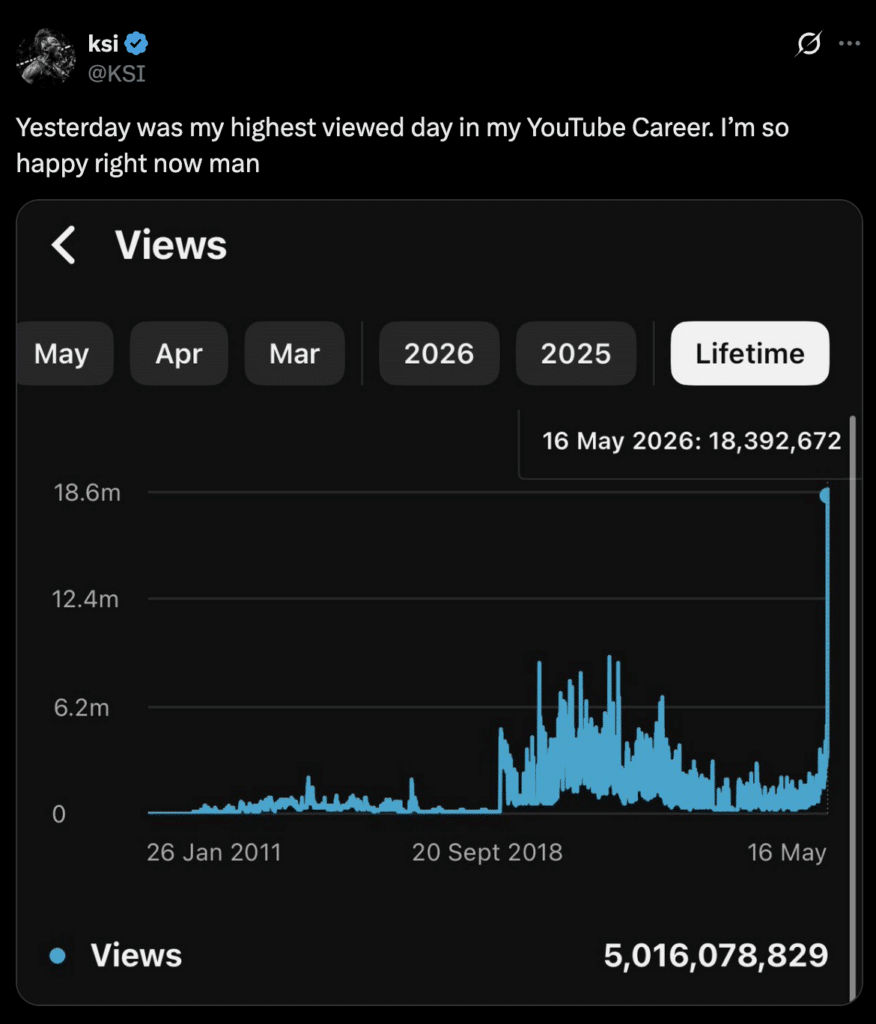
Nate cites similar spikes without a tournament attached, including KSI’s growth after launching in 77 languages and Topper Guild’s rise from about 20 million to over 90 million subscribers over a year and a half, though he offered no independent sourcing for either figure. His explanation for the instant effect is a hypothesis, not a proven mechanism. “Our hypothesis is that all the views coming in at once just influence the heck out of everything,” he says.
Jackson does not claim the Haaland numbers isolate that effect. “The Haaland graph being mixed with the World Cup going on at the same time probably fueled it,” he says. His basis for still crediting dubbing is comparative rather than direct: “based on the data of other people’s channels, if he didn’t dub into the other languages, it would look a lot more sad,” he says, a comparison drawn from other clients’ data rather than Haaland’s own.
What the Founders Say a Growth Chart Doesn’t Prove
Nate offers one clear boundary on how far a case study like Haaland’s should travel. “If a channel’s subscriber growth is already flat, and it has been flat for months, or it’s negative, I have never seen dubbing resurrect that channel,” he says. Positive underlying momentum, in his framing, is a precondition its growth charts don’t control for.
DittoDub runs little conventional marketing, Nate says, treating its client-side case studies, now numbering in the low hundreds, as its primary form of proof. He frames that evidence statistically, describing outcomes he says the company can predict “to a 98% certainty.” The pitch to creators skips technical benchmarks for plainer promises about subscriber and revenue growth, since “content creators aren’t in the AI space.”
A related misconception, Nate says, involves per-view revenue. Creators fixate on average earnings per view dropping once a video is dubbed into a lower-cost-per-click market, without accounting for the larger total. “The average will go down, but the total is still a larger number,” he says, noting that Germany and Japan pay more per view than English does. Jackson adds that added-language views from additional languages do not come at the expense of a creator’s existing English audience or brand-deal value. “It’s an addition to,” he says, not a hindrance.
The Harder Problem Is Singing, Not Scale
DittoDub’s near-term roadmap centers on the same weak point the founders have already named: making dubbed singing sound native, a fix Nate expects within weeks. The company’s growth story, meanwhile, still runs through case studies like Haaland’s, presented as evidence even where the founders concede overlapping causes they haven’t isolated.
Built without outside funding, the duo describes DittoDub as a software company rather than a media company, despite the volume of growth charts it now publishes. Their theory of what they’re actually selling has stayed consistent since the product’s earliest, most fragile version.
“People aren’t really buying translations, they aren’t really buying dubs,” Nate says. “They are just buying access to a wider audience, and that’s the only thing really that we want to present to people.”
Subscribe to Our Newsletter
Check Out Our Podcast