






Talent Collectives
Lighthouse Studios Builds TV-Style Networks on YouTube as Joint Ventures With Creators

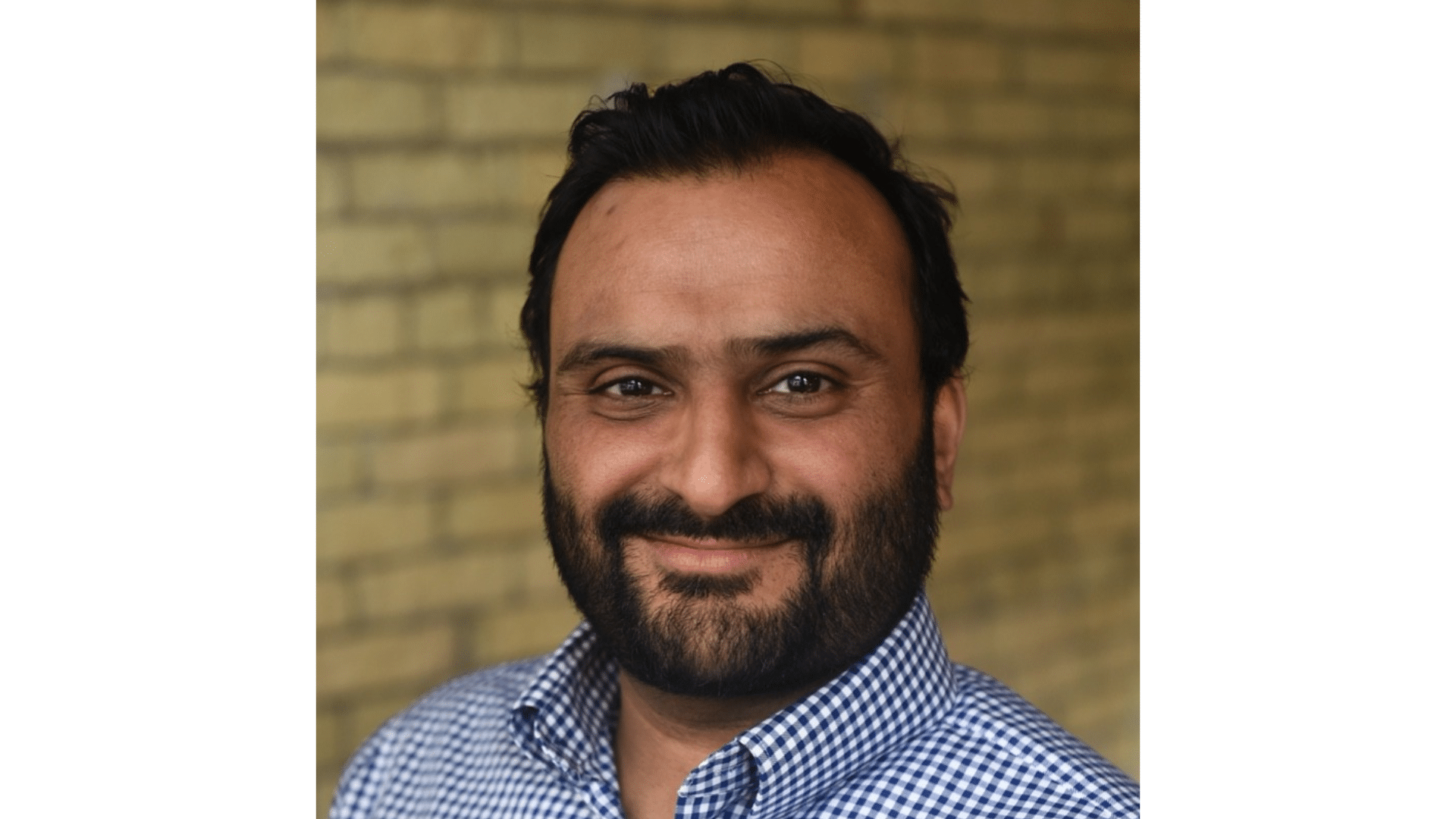
Lighthouse Studios finances television-style networks on YouTube as collaborations with creators who already have audiences. It acts as an investor and leaves the creative work to the creators and their teams. Its first network, Lyrical Lemonade TV (LLTV), is a partnership with Lyrical Lemonade and director Cole Bennett, and CEO Akshay Mehta sees the first year as a proof point for the model.
That structure began as a pitch Akshay made to the co-founders of Whalar Group, which houses the studio inside The Lighthouse. “Why don’t we think about creating modern television networks that sit on YouTube, but they’re joint ventures with creators that already have an audience and skill set,” he says.
Those creators are a short list. Akshay says only a handful have built meaningful brands in a genre such as music, comedy, lifestyle or science and discovery. “There are different businesses operating in the YouTube space that either have talent behind them, or they have capital behind them. Very few of them have both,” he says.
Lighthouse Studios supplies the capital and production infrastructure, and the creators bring the audience. The studio, based in Los Angeles, launched at SXSW in 2026. Akshay, CEO since November 2025 and previously an independent film sales executive and a CAA agent, says LLTV has produced about 110 episodes across roughly eight active shows since its January launch, with content going live in May.
Creators Receive a Fee and a Back-End Split
Lighthouse Studios fronts all production financing for LLTV shows, which Lyrical Lemonade and the studio jointly own as a brand, a channel and a production entity. The studio guarantees a set number of episodes, which Akshay describes as basically two seasons, and covers editing, clipping, set build, lighting, camera, props and costumes.
Creators who host a show receive a fee built into its budget. “It’s appropriately sized to the budget of the show,” Akshay says. Once Lighthouse Studios recoups its money from advertising and brand deals, the creator takes a back-end split, which he calls “pretty generous.”
Low production costs in cash terms let the studio commit to each show it brings in. “No one’s living on a first season cancellation,” Akshay notes. A show that underperforms prompts a conversation about how to grow it, and the financing is designed for long-term talent growth, with no requirement that an investment return within three weeks.
Hosts Who Leave a Show Can Stay On as Producers
Participation rights extend past the original episodes. If a format breaks out into a German-language or Spanish-language version, the host participates in it, Akshay explains, and the same applies to merchandising and other ancillary revenue.
A host who leaves a show can become a producer if the format continues. Akshay calls the flexibility deliberate, and he points to a creator booking a six-month show at HBO as a case the studio would work around. “Everyone is non-exclusive,” he says.
Akshay built the structure as a content company. He does not want a business that draws most of its revenue from merchandise or consumer products, though he sees two ancillary tracks, one for the LLTV brand and one for individual shows.
Partners Must Fit a Programming Grid
The obligation partners have to the studio is meeting a programming grid. “You can’t have seven interview shows [on] one channel, otherwise you cannibalize your own content,” Akshay explains. The current slate spans live performance, freestyle, a travel show, an explainer show, a late-night show, a long-form interview show, a behind-the-scenes show and a documentary series.
Creative calls sit with the LLTV team, which Akshay says has made content for YouTube for 10 years. “I don’t make any creative decisions. I just get to say yes to a bunch of stuff,” he says. His lens is whether a show adds a different kind of content to the network, and the team often edits itself on that basis.
Akshay frames the network as the studio’s version of music television. “In reality, the DJs were what really made MTV sticky,” he says. A host on one LLTV show can be an interview subject on another, and he expects artists brought to unfamiliar places on the travel show to become talent on the network one day.
Episodes Get Two Weeks to Find Their Audience
The studio’s original plan called for more content on the channel immediately, Akshay says, and each show now gets two weeks per episode instead of one.
“We’re habitualizing the audience to expect this thing to drop on a Tuesday every other week and this show to drop on a Wednesday every other week,” he explains. The channel sees a lot of returning viewers, which he calls good for the studio, and the slower pace gives creators more time to shoot, ideate, and rehearse.
Akshay expects volume to rise as the subscriber base grows, but acknowledges that it’s “still relatively difficult to move audiences off platform to another platform.” He describes TikTok output as immediate and unscripted, and long-form work on YouTube as a different experience from a 30-second or 60-second clip.
“We are a YouTube-based company,” Akshay says, and he thinks it is valuable to be a bit platform-dependent. The studio makes 4K landscape long-form content and provides clipping and marketing for Instagram, TikTok, and X accounts.
Skipping Brand Deals in Each Show’s First Season
The studio has not done a single brand deal for the first season of any show. “We don’t need a brand deal to greenlight a show,” Akshay argues. He says the order puts the creative first and lets the studio show that a show works before it approaches brands as a network.
The pitch to brands removes delivery risk, Akshay notes, because the studio finances the shows. He describes a guaranteed 12 episodes over six months that a brand can run as a campaign. “There’s no risk for you because we’ve already done it,” he says.
Akshay uses a hypothetical 12 shows by 2027 as an illustration of the network’s reach, and he names Unilever as the kind of advertiser that could look across its different demographics. As the studio gets closer to a brand, he says, any product placement or ad read would fit the show naturally.
Creator-Led Entertainment to Become Just Entertainment
Akshay expects the line between creator-led entertainment and the rest of the industry to disappear within about 10 years. “We’ve decided for whatever reason that a creator is different to a director, is different to a writer,” he says. Hollywood’s value once rested on closed distribution through theaters, Home Box Office or free television, he argues, and the internet removed that structure.
Brands face a timing problem with traditional media, in his view. A brand budgets marketing yearly, while a film studio plans production over five years, so money spent in year one yields a release in year three. Creators can publish in anywhere from 24 hours to three months, and a show green-lit in the first quarter of 2027 could release in the third quarter. Akshay points to soap operas. “There is a really interesting opportunity for brands to replicate the 60s and 70s of being the true partner for creative content that is aspirational rather than transactional,” he says.
For Lighthouse Studios, the next step extends past episodes. Akshay expects a larger live component than he planned for, and he says the studio will work out what a network convention looks like sooner rather than later. His priority for year two is a second network. “I want to launch another network in a different genre,” he says.
Subscribe to Our Newsletter
Check Out Our Podcast