





Talent Collectives
Creator Management Firm OVO Talent Pairs In-House Software With Ex-Influencer Managers

OVO Talent uses proprietary software to scout 75,000 to 80,000 creators each month, then hands the creators it signs to talent managers who are former influencers.
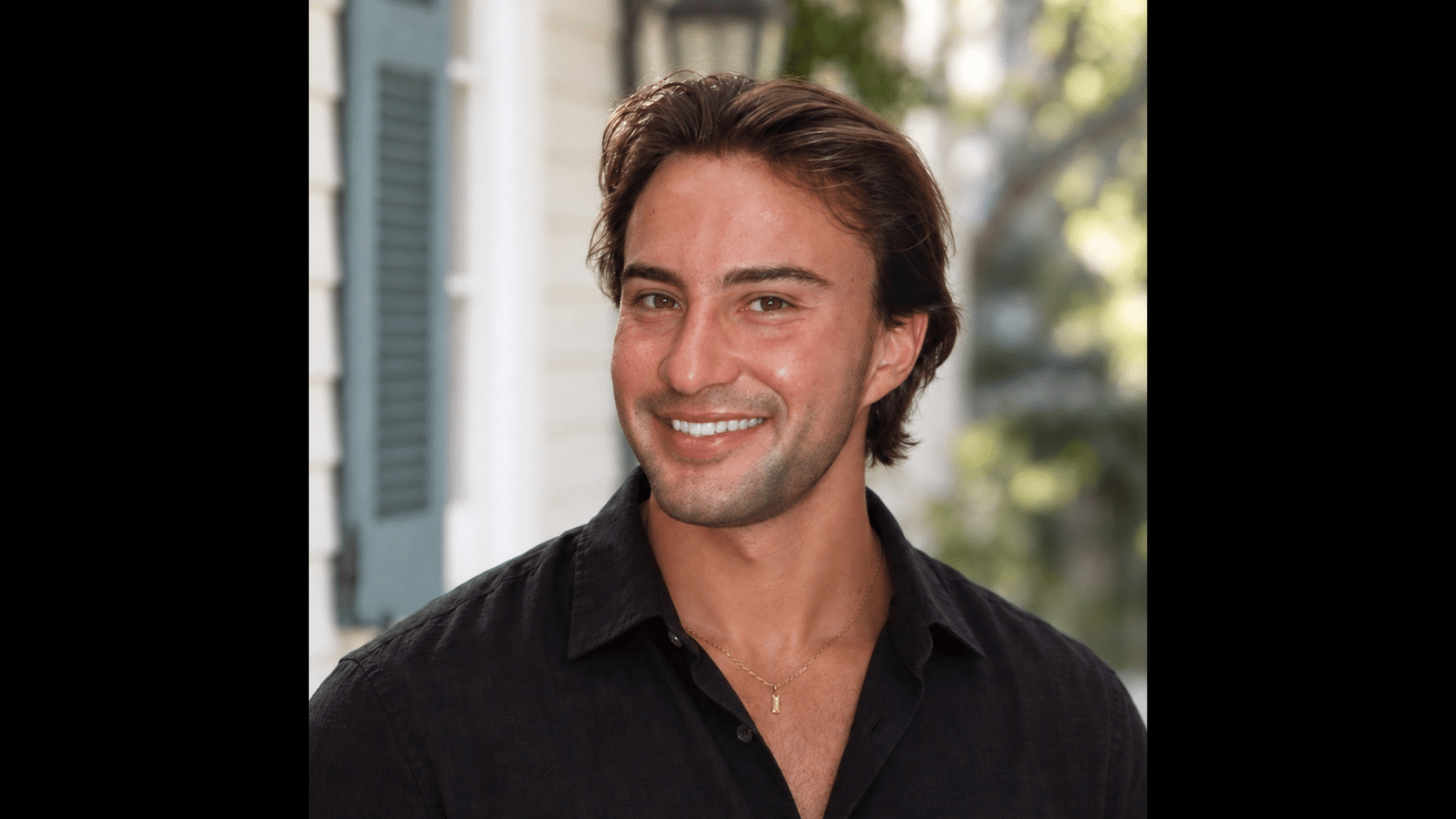
Founder and CEO Alex Gunnarsson sees that combination of technology and firsthand creator experience as central to the firm’s approach. “All of our talent managers are ex-influencers because they know the space,” he says.
On the other side, the technology is developed by a team of more than 15 developers who build automations around the clock. “Not using technology to the best of our ability would be doing our company, our brands and our creators a disservice,” Alex says.
Both halves serve a company founded in 2020 and based in Charleston, South Carolina, that represents fitness and lifestyle creators on commission and pitches them to brands, with fashion and beauty added more recently. Alex says creators who turn the offer down often return a few months later after finding they cannot run deals alone, and brands get deal tracking and analytics that would otherwise cost them separate tools.
The outreach behind that offer traces back to Alex’s teens.
Cold Outreach Now Runs at Volume
Alex started his first social media marketing company at 13, cold-calling businesses he found on Apple Maps and following a sales script from the first YouTube video that came up when he searched for one.
OVO’s sales team works the same way with more tooling. The team runs scripts across LinkedIn, email, and phone calls against a CRM that holds each brand’s decision-makers and their contact details, while thousands of emails go out daily to a targeted list.
Volume was a big reason OVO built software. “If I’m picking between 10 apples that have just fallen from a tree, it’s slim pickings,” Alex says. Scouting at that scale lets the company filter for the creators it wants to represent.
OVO Scouts for Marketability Over Size
Alex draws a line between a large creator and a marketable one, and OVO’s scouting targets the second. “I know so many influencers that have 50,000 followers who are making five to six times the amount of money of other influencers that have 1.5 million followers,” he says. In his telling, the smaller creator shows more personality and a more aesthetic feed, which draws the right buyers.
OVO’s screening looks at how a creator presents on camera and the quality of the feed, along with views, Alex says. He credits work with brands including Nike, CELSIUS and Strava, plus the company’s digital presence, with attracting the creators it wants. The roster began in fitness because those were his friends, and it now includes lifestyle and travel creators.
Alex also gives creators a method for matching what brands buy. Pick a brand, review its 10 most recent creator partnerships, and build a mood board of how those creators post, caption, and edit. Then ask whether, as the marketing manager at a brand like SKIMS, you would choose your own aesthetic. “The answer is usually no,” Alex says, and his advice is to build the aesthetic the brand is buying.
Mid-Tier Audiences Convert When Sales Are the Goal
That focus on fit extends to how Alex sorts creators into tiers, counted across Instagram and TikTok combined. Small is up to 50,000 followers, mid-tier runs from 50,000 to 500,000, and upper tier is 500,000 and above.
He argues that mid-tier creators bring a larger share of what he calls a core family, the longtime followers who feel closest to a creator. His hypothetical is a fitness creator with 120,000 followers built over two years through vulnerable content and DMs. “You buy from people you like. You don’t buy just from watching a reel,” Alex says.
Large creators suit awareness campaigns, he says, in the way a Super Bowl ad does, since no brand expects a spot like that to pay back within 24 hours. “If your goal is just conversions, that’s not where you should be spending your money,” he says.
That framing shapes OVO’s intake with brands. “What are you trying to achieve from this campaign?” is the first question, Alex says, and specialists press for numbers when the answer is vague, including expected conversions, margins, and the views needed in the target audience. If a brand’s audience is one demographic and a post is reaching others, he says OVO changes the copy, timing, and hashtags.
Separate Teams Run Each Side of a Deal
The campaign brief is one handoff in a deal that begins earlier, with the sales team picking brands a creator wants to work with. Once a brand engages, account executives take it through the sales cycle to agree on terms, then the creator is brought in to confirm the deal fits where they are. Posts are scheduled across quarters, so a partnership does not hurt the creator’s marketability.
From there, one team manages the brand side, and another manages the creator side, with the company’s software tracking the brief, the post, and the approval process. OVO reviews results with both parties quarterly, Alex says, and every contract and brand deal runs through a full legal team on payroll.
A brand that could damage a creator’s long-term growth or image gets “the hardest no that we will ever give,” Alex says. The model also carries upfront cost for OVO. “We don’t take a base fee from any of our creators. We just take commission,” he adds. OVO covers team salaries, legal costs, and software itself, which he describes as a bet on each creator.
Niche Supply and Demand Set Creator Pricing
Commission also ties OVO’s income to what a creator is paid, and Alex says paid usage is priced from engagement signals including comment quality, shares, story views, and DMs. Niche matters as much because it shows supply and demand. In his hypothetical, a sub-niche of 20 car-building creators courted by 1,000 brands favors the creators, while a makeup niche of 30,000 creators and 30,000 brands does not.
Creators sometimes arrive with figures from AI tools, which Alex says get pricing wrong. “You cannot price yourself just based on your followers and your engagement,” he says. The inputs he points to are the creator’s vertical, what brands spend in it, and what that price looks like.
Mispricing costs money in both directions. “If you underprice yourself, you’re losing money. If you overprice yourself, the brand will just outright reject you,” Alex says.
Alex Predicts Support Will Separate Agencies
Beyond pricing and outreach, Alex expects the next year to show which agencies are top tier. He says relatability, communication, and full support will carry more weight than access to brand deals alone.
He ties that to the isolation of the job. “Being an influencer is lonely,” Alex says. “At the end of the day, you’re talking into a camera, which is not a human being.” OVO’s talent managers are meant to supply that human contact, checking in on life outside work, and Alex says he does the same with creators himself.
Alex extends the point beyond creators. He argues that people in general are becoming more isolated, and that companies able to connect with the people they work with will benefit as a result. “The companies that are able to do that are going to reap those rewards,” he says.
Subscribe to Our Newsletter
Check Out Our Podcast