






Tech
Sound Alerts: The Streaming Tool That Turned Viewer Chaos Into Streamer Revenue

When Twitch launched its “Extensions” program in 2018, most developers treated it as a minor platform experiment. James van Eden, a self-taught programmer and former broadcast camera technician from Germany, saw something else: a distribution channel that could put live streaming tools directly inside the broadcast, with no redirects, no external logins, no friction.
Sound Alerts, a tool James built to let viewers trigger audio and video alerts during live streams by spending platform tokens, was among the first admitted into the program, earning promotion from Twitch itself at a moment when the library of available tools was thin. The early advantage compounded through word of mouth. Streamers telling other streamers drove adoption at a pace the small team hadn’t planned for.
Eight years later, Sound Alerts says it counts more than 3 million registered creators and has transitioned into what Marvin Duschinski, the company’s Chief Operations Officer, describes as an all-in-one interactivity and monetization platform.
“There weren’t many tool alternatives back in the days,” Marvin explains. “The market wasn’t so huge.”
The company behind Sound Alerts, LayerApps GmbH, operates with a team of roughly 16 people. “We are in such a fortunate situation to be among so many cool and talented developers,” Marvin says. “These people are just crushing it.”

From Fart Sounds to a Full Production Suite
Sound Alerts began as exactly what the name implies: sounds. The most-used one, by a considerable margin, remains a fart sound with tens of millions of plays logged. The anecdote illustrates something more deliberate than it appears.

Image: Sound Alerts Scene Editor
“The coolest thing about Sound Alerts is that it creates moments that can only happen live,” Marvin says. A viewer who plays a spooky sound at the exact right moment during a horror game creates an experience no edited video can replicate. That distinctiveness, Marvin argues, is why the format has proven sticky across years of platform shifts.
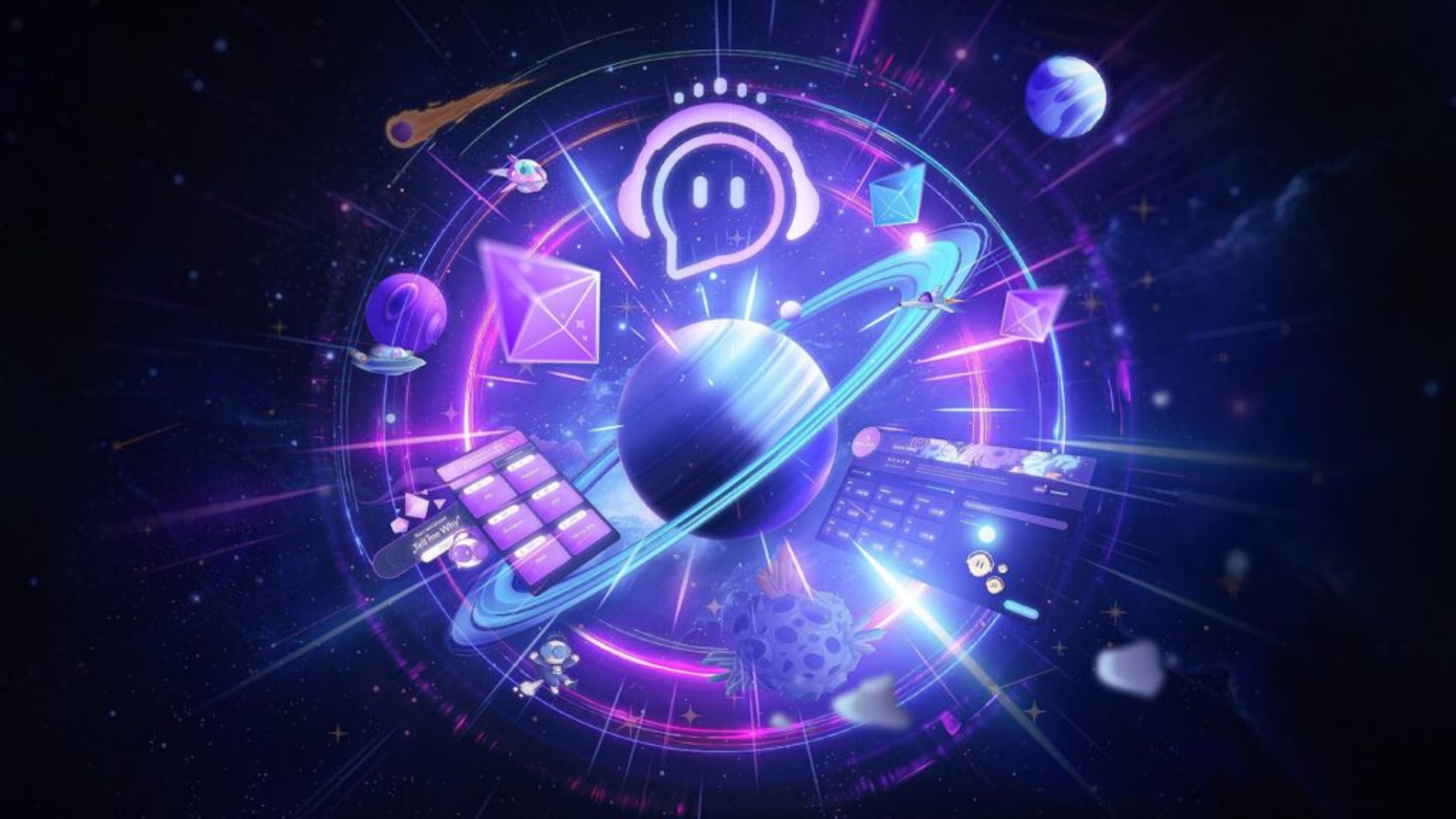
The product has since expanded well beyond sounds. Today, Sound Alerts functions as a dashboard-based production suite with a Twitch extension for sounds and video, a tipping page for direct viewer-to-streamer payments, a free animation catalog with hundreds of visual styles, a scene editor that displays dynamic widgets like Spotify track highlights and donation goals on stream, and a chatbot for managing live chat commands and sponsor messages.
The components are modular. Streamers can use any one independently without adopting the full stack. “We don’t force you to use all of our stuff,” Marvin says. “If you have another chatbot you really like, just use our tipping page or scene editor and keep what you have.”

The Small-Streamer Problem Platforms Aren’t Solving
Sound Alerts’ largest user segment is streamers with zero to roughly 300 to 400 concurrent viewers, according to Marvin. That demographic shapes how he and his team think about the broader industry.
“If only the top 1% or the top 0.1% can make a living out of it, it would probably become a much harder challenge for interesting new content creators to grow into the space,” he says.
His critique extends to the platforms themselves. Brand sponsorships, platform promotion, and most monetization infrastructure are concentrated at the top end of the streamer distribution. Smaller creators who stream consistently for hours each day, treating it like a job, receive comparatively little structural support.
“Supporting these people at the ground who kind of are the base of all of our platforms should be the number-one priority,” he argues. Sound Alerts has observed a specific dynamic with this group: a creator with modest viewing numbers but a loyal, engaged community can generate meaningful revenue through the platform, because individual viewers are willing to spend small amounts to create shared moments.
“They have a very loyal community that’s willing to spend a buck or two to make that happen, and they know it also supports their streamer,” Marvin notes.

Photo: Sound Alerts at TwitchCon 2023 in Paris
A Product Roadmap Built on User Votes
LayerApps has resisted the standard scale-up playbook. No venture capital, no large office, no rapid headcount expansion. The team has grown from five or six people when Marvin joined to its current size, and he describes the approach as intentional rather than constrained.
“We are the most agile if we have people around us that we like working with, but also that there are not so many people that the processes get too complicated,” he says.
The hiring philosophy follows the same logic. Technical skill matters, but the team prioritizes candidates who already watch live streams and understand the culture. “I just could see this spark in their eyes when I talked to them about Twitch or live streaming,” Marvin says of the engineers he has found most valuable. “Those people brought in new feature ideas; they knew what tools were missing in the space.”
Product direction follows a public feature request board. When enough creators upvote a request, the likelihood of it being built rises substantially. “A lot of companies have that,” Marvin says, “but we actually base our priorities almost fully on that list.” That same openness extends to the company’s operating structure. LayerApps runs without a physical office, with minimal meetings and an asynchronous communication approach that Marvin credits with giving the team more focused time for actual work.
A Freemium Model That Waited Years to Charge
Sound Alerts ran without a paid tier for roughly four to five years. The primary revenue stream has always been a developer share from every Twitch Bits transaction made through the tool. The premium subscription was introduced later and was only to cover features that became expensive to operate server-side.
“The good stuff is not hidden behind the paywall,” Marvin says. “That’s not what we do.” He sees the approach as distinct from most tools in the space, which typically restrict core features from free users.
LayerApps also takes on custom development projects: branded Twitch integrations for companies, and increasingly, interactive overlays for video game streamers. Several indie game developers on Steam have worked with the team to let viewers influence gameplay in real time during live streams. “A lot of our team members are gamers,” Marvin says. “We just really enjoy picking those projects.”
What Comes Next
As Sound Alerts marks its eighth anniversary this month with a planned feature update, Marvin is watching the live streaming market shift. Early streamers earned through ads and subscriptions. Today, the options include merchandise, direct tips, sub gifts, brand deals, and interactive tools like Sound Alerts. He expects further diversification ahead.
“Looking at the industry in 10 years, I think there will be even more diverse ways of supporting streamers through other levels of interaction,” he says.
The live streaming space moves faster than most, Marvin argues, with meme cycles and trending sounds turning over in days. “It’s so crazy that one day, maybe this game or this activity is like the big thing, and one week after that, no one talks about it anymore,” he says. “It goes like a snap.”
For him, success looks less like a growth target and more like the operating model itself: a small, talented team working with flexibility and focus. “I really value my freedom and the flexibility of time to dig into cool projects,” he says. “If I can keep that, I would be successful in my view.”
Subscribe to Our Newsletter
Check Out Our Podcast