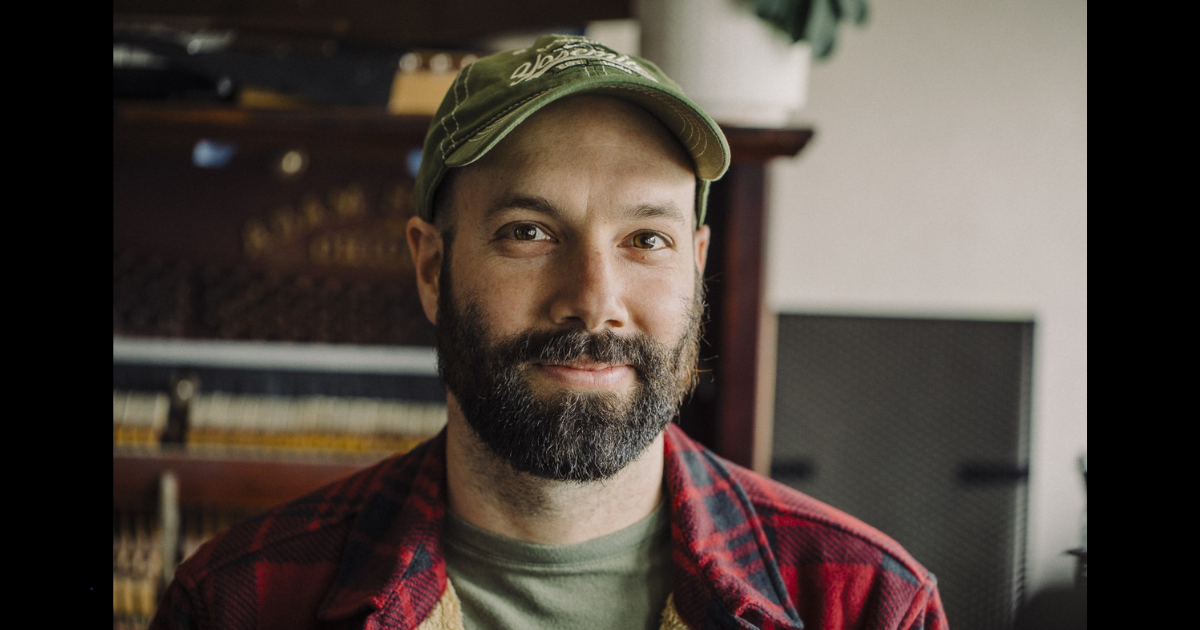
Patreon co-founder and CEO Jack Conte published a long-form video statement outlining his position on artificial intelligence and its economic impact on creators, calling for regulatory action to establish standards as new research documents both the financial risks and workflow benefits AI presents to the Creator Economy.
Conte described his position as occupying contested ground. “My overall take on AI right now is that I’m both amazed and furious,” he said. “I’m amazed at the technology … But as a creator, I’m angry that we aren’t being paid for the value that we created for these models.”
Conte anchored his argument in a three-part framework developed by lawyer Monica Boța-Moisin: consent, meaning the ability to opt out of having one’s work used as training data; credit, meaning acknowledgment when a creator’s style informs AI outputs; and compensation, meaning payment when that work contributes to model outputs.
“Unfortunately, the answer to all three of these questions right now is a big fat no,” he said.
Conte challenged the AI industry’s fair use defense by citing existing licensing agreements between AI companies and major publishers. “If fair use is a legit argument to use creator work for free, why are AI companies paying some rights holders millions of dollars for their work?” he said, adding that independent creators lack the legal and financial resources to negotiate comparable arrangements.
Regulatory Gap Leaves Creators Exposed
Conte’s concerns align with findings from a 2026 UNESCO report tracking cultural policy across more than 130 countries. The report projects that generative AI market penetration could put 24% of music creators’ revenues at risk by 2028 (~€4B in annual losses), while audio-visual creators face projected losses of 21% (~€4.5B annually).
Seventy-nine percent of cultural professionals surveyed for the report described AI as a threat to art workers. Of 148 AI-related bills adopted across 128 countries between 2016 and 2023, only one identified culture as its primary subject matter, a gap the report describes as a “regulatory vacuum” around generative AI.
Widespread Adoption, Persistent Concerns
Despite those structural risks, AI tools have achieved broad integration into creator workflows. A global Adobe survey of more than 16,000 creators found that 86% actively use AI tools designed for creative expression, and 76% report that AI has accelerated the growth of their business or follower base.
The tension Conte described between utility and rights is reflected in the Adobe data. Sixty-nine percent of creators surveyed expressed concern that their content was being used to train AI systems without permission, and nearly the same share reported measurable business benefits from the technology.
Among the primary barriers to further adoption, uncertainty about AI model training methods ranked third at 28%, behind cost at 38% and unreliable output quality at 34%.
Patreon’s Internal Position
Conte outlined four operational commitments:
Patreon does not use creator work to train generative AI models.
The platform is actively combating AI-generated spam and fake accounts.
Creators are not prohibited from using AI tools in their workflows.
The company uses AI tools internally, citing Claude Code and Cursor, to accelerate product development.
Conte said Patreon’s AI product strategy will focus on administrative and operational tasks rather than content creation. “I have 150 ideas for new content. I don’t need AI for that. I need AI to help me do my taxes and clean my toilet,” he quoted one creator as saying, describing it as representative of the company’s product direction.
Cecilia Carloni, Interview Manager at Influence Weekly and writer for NetInfluencer. Coming from beautiful Argentina, Ceci has spent years chatting with big names in the influencer world, making friends and learning insider info along the way. When she’s not deep in interviews or writing, she's enjoying life with her two daughters. Ceci’s stories give a peek behind the curtain of influencer life, sharing the real and interesting tales from her many conversations with movers and shakers in the space.











Patreon co-founder and CEO Jack Conte published a long-form video statement outlining his position on artificial intelligence and its economic impact on creators, calling for regulatory action to establish standards as new research documents both the financial risks and workflow benefits AI presents to the Creator Economy.
Conte described his position as occupying contested ground. “My overall take on AI right now is that I’m both amazed and furious,” he said. “I’m amazed at the technology … But as a creator, I’m angry that we aren’t being paid for the value that we created for these models.”
Conte anchored his argument in a three-part framework developed by lawyer Monica Boța-Moisin: consent, meaning the ability to opt out of having one’s work used as training data; credit, meaning acknowledgment when a creator’s style informs AI outputs; and compensation, meaning payment when that work contributes to model outputs.
“Unfortunately, the answer to all three of these questions right now is a big fat no,” he said.
Conte challenged the AI industry’s fair use defense by citing existing licensing agreements between AI companies and major publishers. “If fair use is a legit argument to use creator work for free, why are AI companies paying some rights holders millions of dollars for their work?” he said, adding that independent creators lack the legal and financial resources to negotiate comparable arrangements.
Regulatory Gap Leaves Creators Exposed
Conte’s concerns align with findings from a 2026 UNESCO report tracking cultural policy across more than 130 countries. The report projects that generative AI market penetration could put 24% of music creators’ revenues at risk by 2028 (~€4B in annual losses), while audio-visual creators face projected losses of 21% (~€4.5B annually).
Seventy-nine percent of cultural professionals surveyed for the report described AI as a threat to art workers. Of 148 AI-related bills adopted across 128 countries between 2016 and 2023, only one identified culture as its primary subject matter, a gap the report describes as a “regulatory vacuum” around generative AI.
Widespread Adoption, Persistent Concerns
Despite those structural risks, AI tools have achieved broad integration into creator workflows. A global Adobe survey of more than 16,000 creators found that 86% actively use AI tools designed for creative expression, and 76% report that AI has accelerated the growth of their business or follower base.
The tension Conte described between utility and rights is reflected in the Adobe data. Sixty-nine percent of creators surveyed expressed concern that their content was being used to train AI systems without permission, and nearly the same share reported measurable business benefits from the technology.
Among the primary barriers to further adoption, uncertainty about AI model training methods ranked third at 28%, behind cost at 38% and unreliable output quality at 34%.
Patreon’s Internal Position
Conte outlined four operational commitments:
Conte said Patreon’s AI product strategy will focus on administrative and operational tasks rather than content creation. “I have 150 ideas for new content. I don’t need AI for that. I need AI to help me do my taxes and clean my toilet,” he quoted one creator as saying, describing it as representative of the company’s product direction.
Subscribe to Our Newsletter
Check Out Our Podcast