





Agency
Pamela Zapata On Why Representation Still Shapes Outcomes In Creator Management

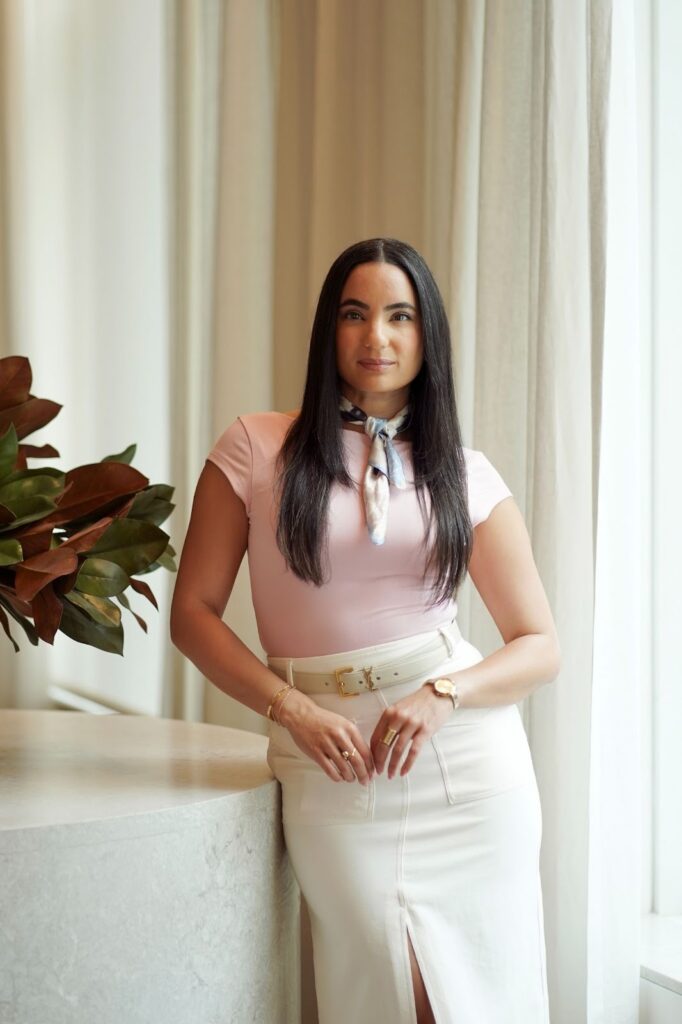
The creator economy has become more structured over time, shaped by metrics, dashboards, and performance benchmarks. Pamela Zapata has built a business around a different starting point: representation. As founder and CEO of Society 18, Pamela operates a creator management and influencer strategy firm designed to tackle structural gaps she identified long before the creator economy began to professionalize.
Founded in 2019, Society 18 manages a roster of roughly 45 creators and operates across three core business lines: talent management, brand influencer strategy and casting, and experiential activations. The bi-coastal agency focuses on diverse, multicultural creators (particularly Black and Latino talent) while positioning itself as both a commercial partner to brands and a long-term advocate for creators in their relationships with brands.
Pamela’s conviction is rooted in experience. Before launching Society 18, she spent more than a decade working across television development, talent casting, influencer marketing, and agency strategy, including roles at Ryan Seacrest Productions, E! Entertainment Television, StyleHaul, Sweety High, and major agencies serving brands such as Unilever and Estée Lauder. Across those roles, she observed two persistent issues: creators of color were routinely underpaid, and the management companies negotiating on their behalf often failed to reflect (or fully understand) the communities brands were trying to reach.
“There was a massive pay gap,” Pamela says. “Creators of color were making way less than half of what their counterparts earned. And a lot of them were self-managed, so they didn’t even realize how much they were leaving on the table.”
That disconnect, coupled with the realization that diversity in campaigns was outpacing diversity in representation, ultimately pushed Pamela to leave agency life and start her own firm in 2019, just months before the COVID-19 pandemic disrupted the advertising industry.
Launching Into Uncertainty and Unexpected Acceleration
The timing initially felt precarious. As brands pulled budgets during the early months of the pandemic, Pamela questioned whether leaving a stable role had been a mistake. But as consumer behavior shifted decisively toward digital platforms, influencer marketing rebounded quickly.
“Once brands realized everyone was home and on social, the budgets came back,” she says. “We kind of rode that wave.”
That momentum accelerated further in the summer of 2020, when many brands reassessed how they engaged with Black creators and multicultural audiences following the global “Black Lives Matter” movement. Because Society 18 had been built with that focus from day one, Pamela says brands increasingly sought out her agency, not just for access, but for guidance.
Within its first full year, Society 18 surpassed $1 million in revenue, according to Pamela. The growth, she notes, was largely referral-driven. Creators recommended the agency to peers, and brands returned once relationships were established.
“I wasn’t chasing some big milestone,” she says. “I just wanted to pay my rent and not have to go back to corporate. The rest grew from doing the work the right way.”
What ‘Creator-First’ Means in Practice
Pamela describes Society 18 as a creator-first agency, a phrase she acknowledges can feel abstract unless backed by operational decisions. For her, it means prioritizing creators’ long-term businesses over short-term deal volume.
“That means having their back,” she explains. “If a brand is trying to make them do something they don’t want to do, we support them in that. We think about their business before anything else.”
Today, Society 18 employs four talent managers who oversee creator strategy, deal negotiation, revenue tracking, and long-term planning. The agency also runs a brand strategy and casting arm, advising marketers on how to deploy influencer budgets based on campaign goals, creator tiers, and usage structures.
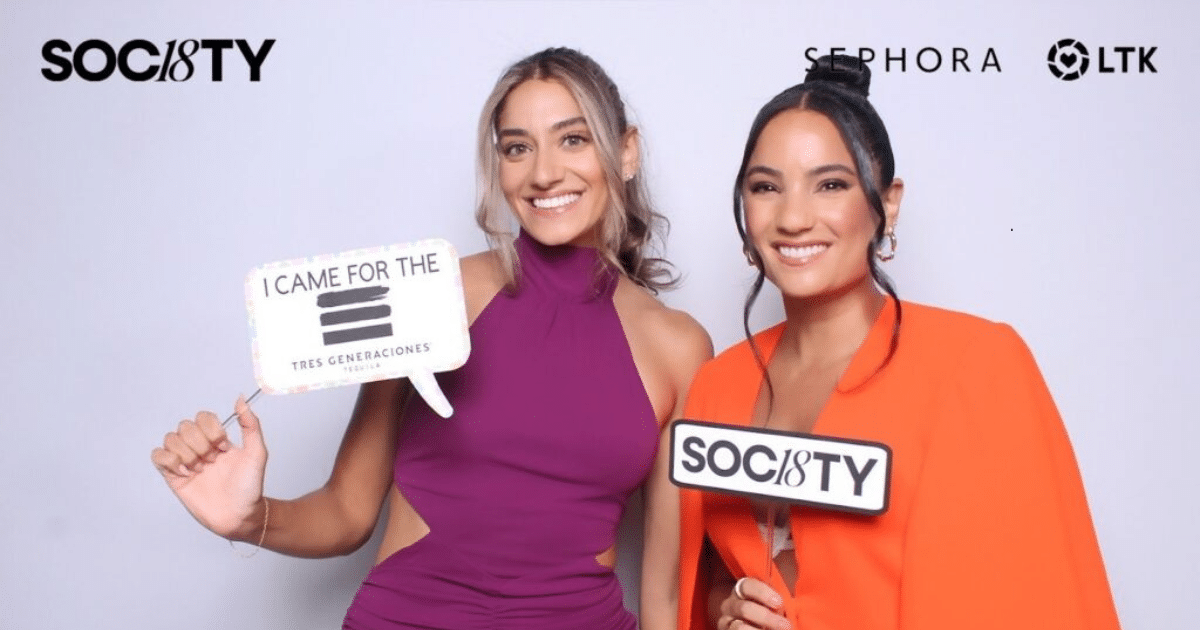
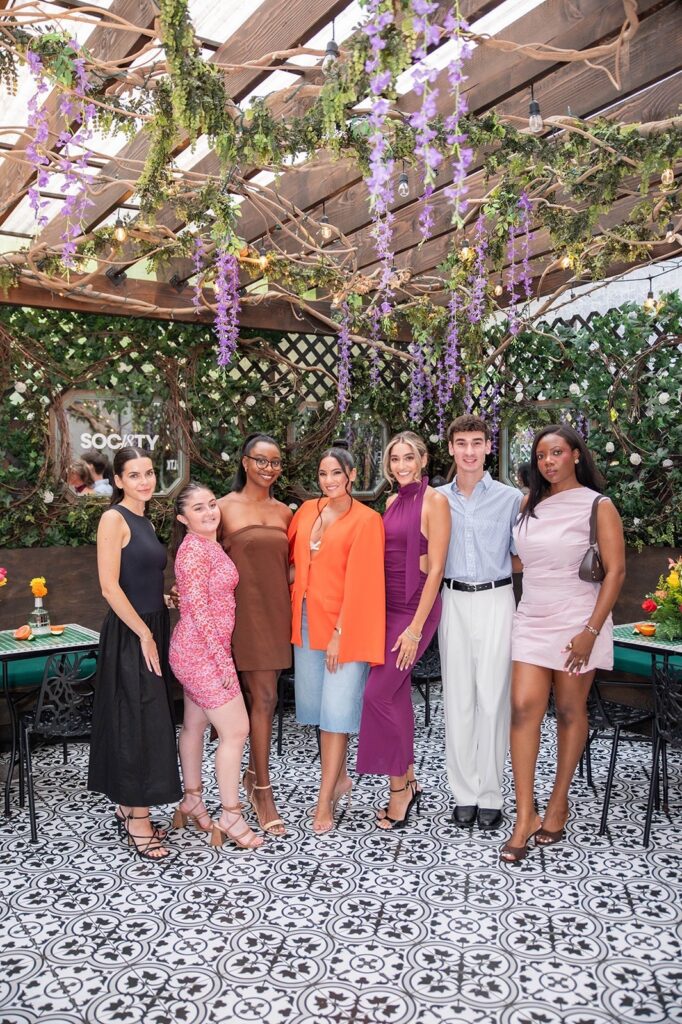
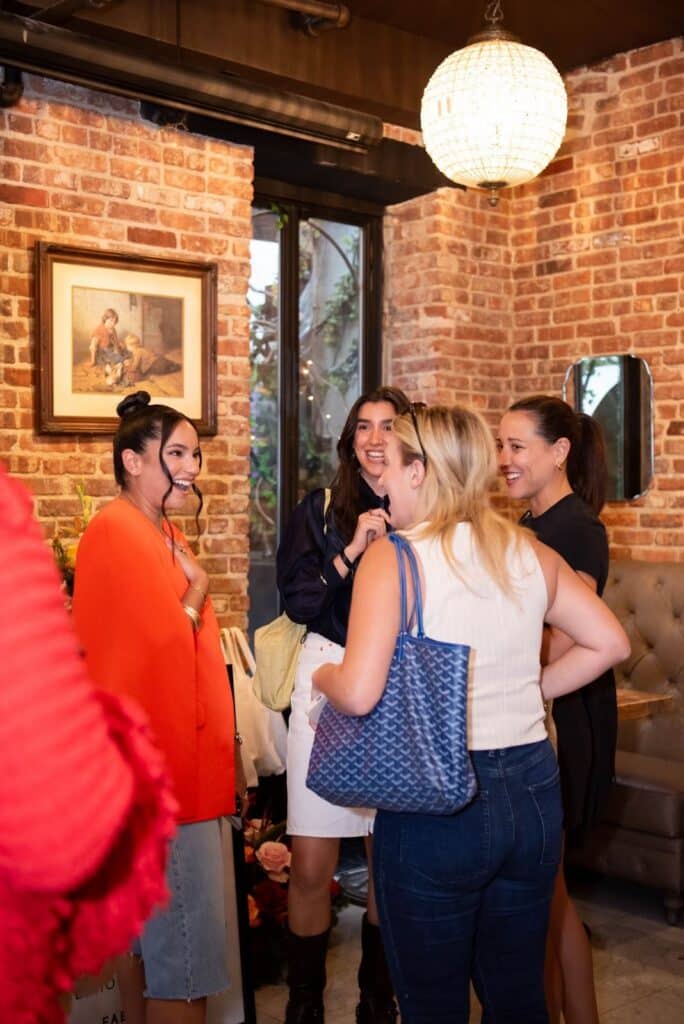
A third pillar of the business is experiential marketing. Society 18 organizes six to eight creator-focused events per year, including activations around Black History Month, Hispanic Heritage Month, Cannes Lions, and Essence Festival. These events bring creators, brands, and agencies together offline, something Pamela believes remains undervalued in an industry dominated by email threads and briefs.
“The events get people out from behind the computer,” she says. “Creators get to build real relationships with brands, and brands get to understand creators as people, not just metrics.”
A Marketplace Driven by Data
As influencer marketing has matured, Pamela has seen brands grow more rigorous (and more demanding) about performance metrics. According to her, campaigns that once relied on relationships now hinge on CPMs (Cost per Mille), conversion rates, and audience analytics.
“Back in the day, I could call some friends and close deals,” she says. “Now it’s all about insights, data, and ROI.”
Society 18 leans into that shift rather than resisting it. Data informs how the agency recruits talent, pitches creators to brands, and structures campaigns. Pamela says creators are vetted not just on reach, but on engagement, conversion history, and audience sentiment.
At the same time, she cautions against reducing creator value to a single formula. “Sometimes brands try to fit creators into a mathematical equation that doesn’t account for exclusivity or long-term impact,” she notes. “That’s where we push for flexibility.”
Negotiation, in her view, is about trade-offs; adjusting scope, usage rights, term lengths, or platform mix to align brand budgets with creator realities without compromising either side.
Where Campaigns Break and How to Fix Them
Pamela believes influencer campaigns most often fail when brands over-engineer creative or underestimate the time required to influence purchasing behavior.
“When brands get too caught up in the brief and don’t give creators flexibility, that’s a problem,” she says. “And expecting sales from one post is unrealistic.”
She advocates for longer-term partnerships that mirror how consumer trust actually develops. “It takes multiple touchpoints: awareness, consideration, conversion. One post isn’t going to do all of that.”
Pamela also encourages brands to separate creator content from paid media assets, rather than trying to force a single piece of content to serve multiple purposes. Different platforms, she argues, demand different creative structures.
Building in 2026 and Beyond
In 2026, Pamela sees continued fragmentation, as well as opportunity, in the creator economy. She points to platforms like Substack as examples of creators seeking more direct relationships with their audiences, beyond algorithm-driven social feeds.
“Creators need ways to own their audience,” she says. “Not everything should live on one platform.”
For Society 18, the near-term focus is on deepening community through in-person experiences, expanding strategic partnerships, and remaining selective about roster growth. Pamela is explicit that scale for its own sake is not the goal.
“We don’t want 80 creators just to say we have 80 creators,” she says. “Every creator needs to be there for a reason, and we need to be able to add value.”
Ultimately, her ambition is less about taking over the market than reflecting it accurately.
“When I created Society 18, it was meant to represent what society actually looks like,” Pamela says. “All races, all cultures, all walks of life. That’s the work, and that’s the mission.”
Cover photo credit: Henry Torres
Subscribe to Our Newsletter
Check Out Our Podcast