




Agency
Creator Marketing’s Performance Gap Just Became Harder to Ignore, Says PartnerCentric’s Yehuda Neuman

For years, brands have asked Influencer Marketing to justify its role beyond reach and awareness. Yehuda Neuman argues that most brands are still not measuring that shift rigorously enough. And a recent announcement from Google just added a new variable to an already unsolved equation.
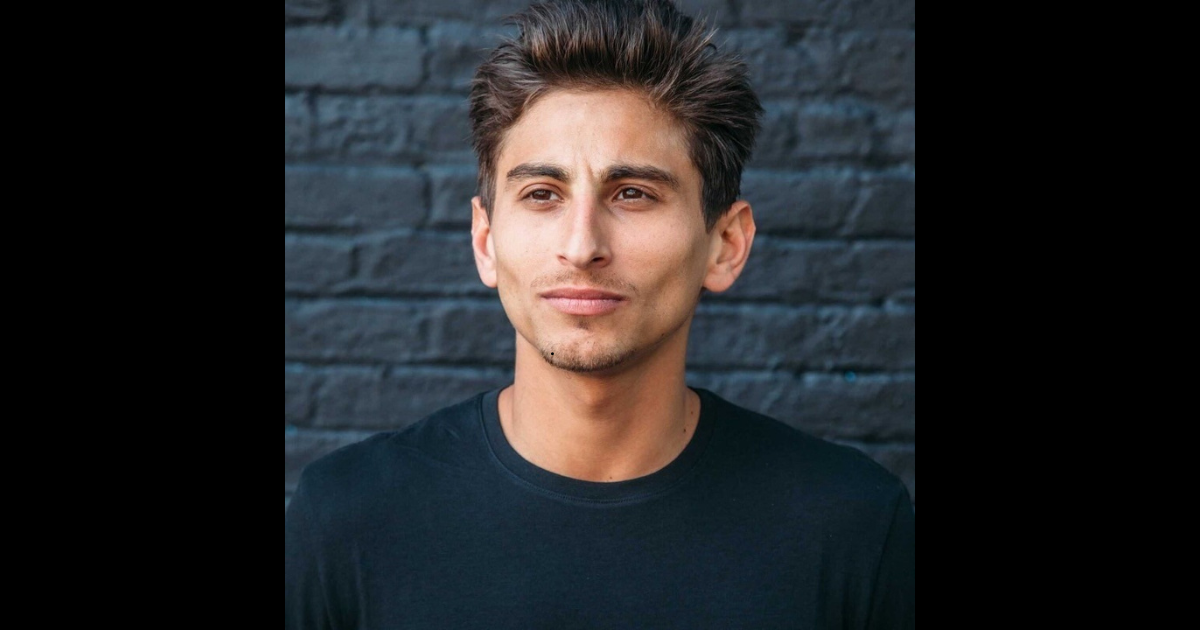
Yehuda has watched influence move through formats most marketers no longer discuss. He began his career at Screen Gems Studios, supporting production across multiple segments and sets for “The Oprah Winfrey Show” and Rachael Ray. He later joined Talent Resources, where he led celebrity partnerships and commercial campaign tie-ins. At Talent Resources, he founded the firm’s digital division and built endorsement programs for clients such as Nicki Minaj and Kylie Jenner. He describes his mentor at the time placing products in Lindsay Lohan’s hand, positioning paparazzi outside the venue, and seeding the images to tabloids.
“That was the old Influencer Marketing format before influencers existed,” he says. “It’s always been about finding where audiences are looking and making sure brands are there.”
That thread continued through his two-and-a-half years at ByteDance, where he led U.S. Influencer Marketing for CapCut and built some of TikTok’s highest-rated in-house programs, training the platform’s largest creators to craft top-tier content, before carrying into his current role as SVP, Applied AI & Business Verticals at PartnerCentric. He joined the performance-first affiliate and creator marketing agency, which serves Fortune 500 brands globally, in August 2025.
“Anybody can offer a service,” Yehuda says. “It’s our job to genuinely take a look at what clients need and determine the strategy that’s going to get them there.”
That orientation toward outcomes, not activity, defines how Yehuda frames what he sees as the industry’s unresolved problem: the performance pivot isn’t finished, and a new shift in how AI systems surface products to consumers is raising the cost of that gap.
Google’s AI Pivot Adds a New Requirement
Last month, Google announced what it described as its biggest strategic shift in 25 years, repositioning its search product around AI-first discovery and large language models rather than traditional link-based results. For a creator marketing industry that had only recently begun connecting spend to commercial outcomes, the announcement arrived at an inconvenient time.
“If we had this conversation three weeks ago, I would say there’s been a complete shift to performance, where brands are looking at what is the performance of these creators, how does it tie back to the bottom line, average order value, purchases,” Yehuda says. “But now, LLMs and AI visibility are really looking at trust markers and awareness. It’s kind of pivoted back a little, where you want to see creators driving awareness, because LLMs are going to pick that up.”
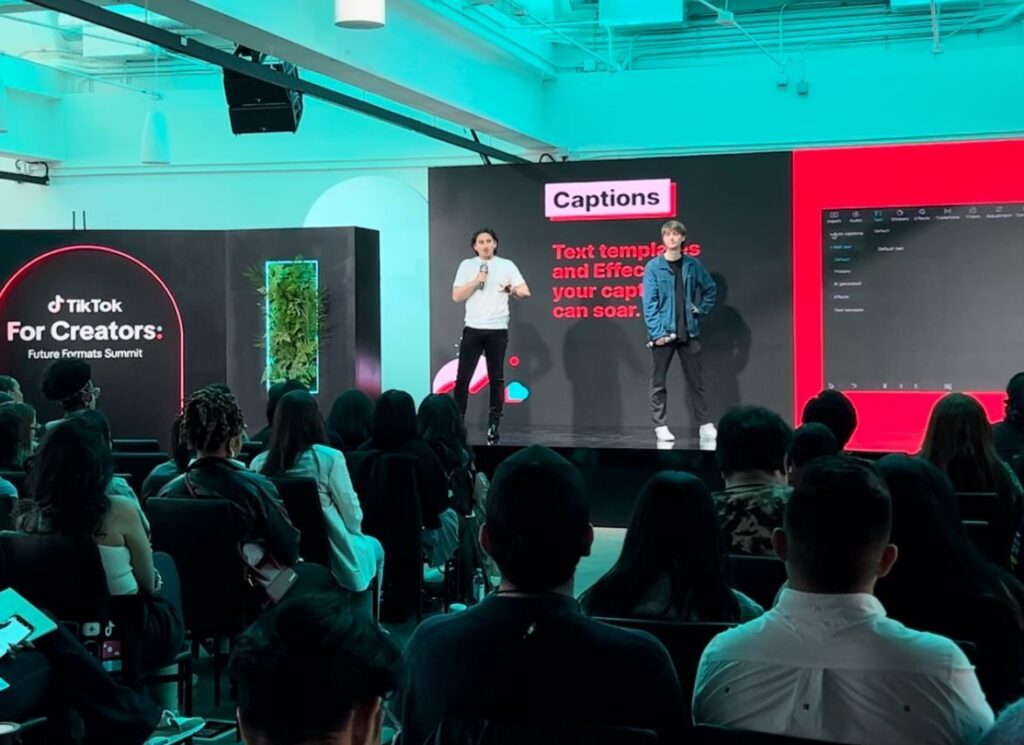
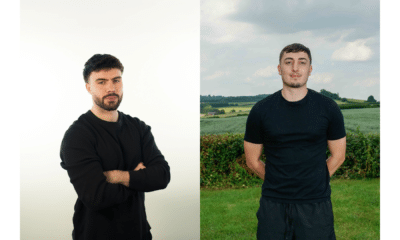
Photo: Yehuda Neuman & Jordan Orme at TikTok Creator Summit
The shift does not reverse the performance argument. It layers a new requirement on top of it. Large language models are increasingly drawing on creator content, particularly long-form video, to build their understanding of which brands consumers trust. “YouTube is a huge feeder for LLMs,” Yehuda explains. “There’s so much context an LLM can get from a YouTube video, so much more than publications and articles. It’s a person talking about something for 14 or 15 minutes, easily digestible into words that a model can read through and understand.”
For brands, that creates a dual mandate most creator programs were not designed to deliver: measurable conversion at the bottom of the funnel, alongside authentic, high-context content that signals brand trustworthiness to AI recommendation systems.
Follower Count Still Tops the Brief. It’s Still the Wrong Metric.
Before the AI question, there is a more fundamental one, according to Yehuda. How brands select creators has not caught up with what the industry claims to value.
“Follower count is a vanity metric that brands like to put on the brief,” he says. “Reach is not the same thing as impact. Follower count is not the same thing as impact.”
His preference is for creators who demonstrate command of the algorithm through strong organic view counts. The reasoning is practical: high organic performance reliably predicts paid distribution results. “We can take that content and use it in paid advertising, and it’s going to do really well,” he says. “Follower count doesn’t show you that. It shows you can build an audience. It does not show you can create content that converts to sales.”
The problem compounds inside affiliate programs. The structural reality Yehuda returns to repeatedly: 10% to 15% of creators in a given program typically drive around 90% of its revenue. Recruitment is not the challenge. Retention is. “The real work is keeping those creators engaged and incentivized to continue posting and driving sales past the initial activation,” he says.
PartnerCentric addresses this through tiered incentive structures. As creators perform better, they unlock higher flat fees, improved commission rates, and access to more premium gifted products. “You have to make the brand experience really positive for creators,” Yehuda says. “They have to feel valued. They love to see their content having an impact.”
The Attribution Gap Between Creator Posts and Purchases Is Bigger Than Brands Admit
One of Yehuda’s consistent observations is the distance between a creator’s post and a recorded sale, and how rarely that gap is measured honestly.
He uses a pattern from his own household: his wife encountered a series of influencer posts about the Ninja CREAMi ice cream machine, saw Kris Jenner discuss it, then walked into Target and bought one. The creator touchpoints clearly shaped the decision. “The attribution between those two things is very hard to measure,” he says. “There needs to be an understanding that data is great and important, but it’s not the end-all, be-all. There are still many things that can’t be measured yet.”
PartnerCentric’s FUSE Incrementality™ tool is designed to reduce that gap. Attribution identifies which partners were present across a purchase journey; incrementality determines which one caused it. “It tells you who was involved in the sale at every step of the way, and then who actually caused it,” Yehuda explains. “Who started off the journey, and who closed it?”
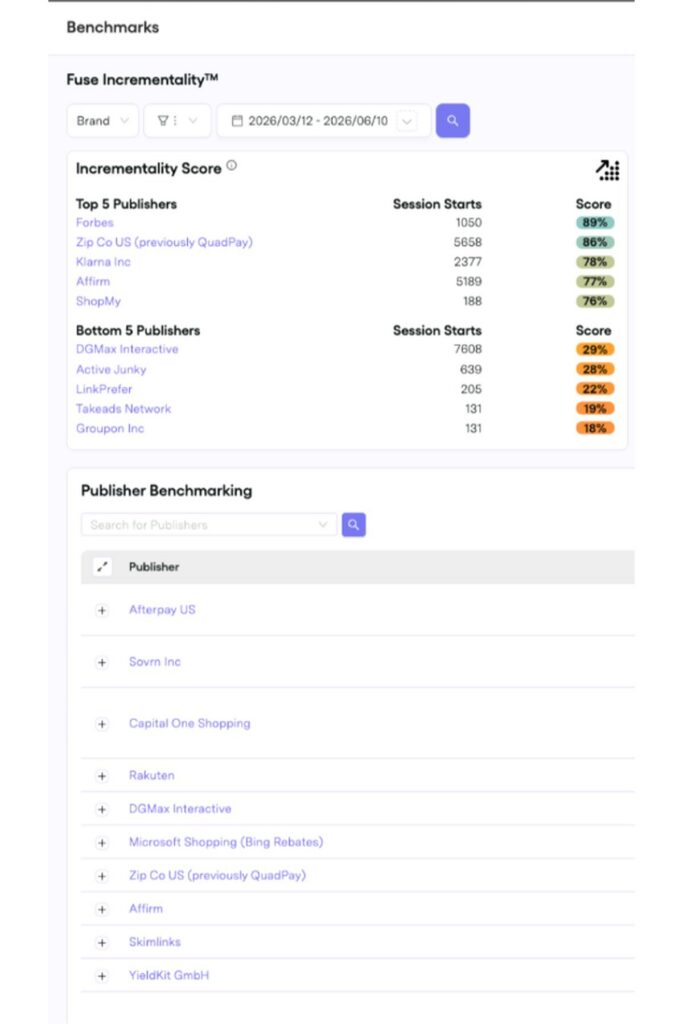
Image: FUSE Incrementality™ dashboard
A separate influencer-specific version of the tool is in development, pending further testing. For brands approaching the problem without specialized tools, Yehuda has a direct prescription. “Sit down with your agency and ask, what is my upper funnel awareness strategy for influencer, and what is my lower funnel strategy? How do those two connect? Challenge your agency to have a clear understanding of what that is. Make sure it’s not just AI slop. There needs to be a real understanding between you and your agency.”
Every Brand Needs an AI Creator Strategy. Most Are Starting Too Late.
Yehuda’s most forward-looking argument is also his most directly actionable one: every brand should be building an AI-generated creator as a persistent owned asset, and the window for getting ahead of the market is already narrowing.
The precedent he cites is social media itself. Platforms launched as spaces for people. Then brands built brand pages. “A brand will go and have an AI creator that’s going to talk about stuff in their segment,” he says. “If you’re a clothing brand, you’re going to have an AI creator that talks about fashion. And eventually you work your brand into that AI creator.”
The constraint is time. AI creators need to build audiences, establish content formats, and earn viewer trust before product integration delivers meaningful results. “You’ve got to test different content, you’ve got to have them going live, you’ve got to have them building up an audience,” Yehuda says. “Start building it now. That way, when it starts gathering an audience, you can start working on brand releases, features, and promotions, and you already have a relationship with your audience.”
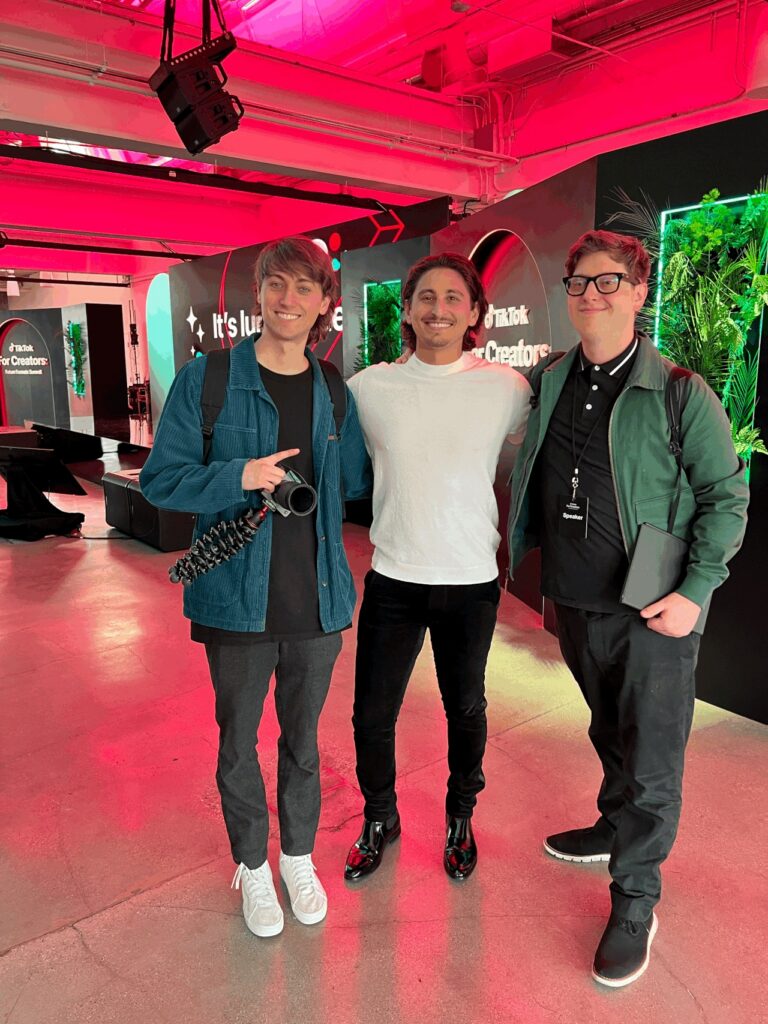
Photo: Yehuda Neuman with Jordan Orme and Hayden Hillier-Smith at TikTok Creator Summit
Performance, Awareness, and AI Visibility Are One Conversation Now
Looking at the rest of 2026, Yehuda describes PartnerCentric’s priorities as three overlapping services converging toward a single objective: affiliate performance, influencer strategy, and AI visibility. “It’s a really clean Venn diagram,” he says. “All three leading toward consumers finding your brand, trusting your brand, and purchasing your brand.”
The challenge he returns to is one most brands encounter when they first engage a performance agency: their creative instincts do not always align with what converts. “I’ll get on calls with brands, and they have really great ideas; they want creator videos centered around their campaign pillars,” Yehuda says. “Sometimes I need to rein them in and say, I’m not sure that’s going to work for performance. Let’s make sure we are crafting content that gets you back revenue, website visits, and awareness around what matters.”
The shift in how AI systems surface products to consumers adds urgency to that discipline. Brands still running creator programs around follower counts and brand-directed creative are optimizing for a market that has already moved. Performance was supposed to be the correction. In Yehuda’s view, it was only ever the beginning.
“There’s no time in history that’s been more important than right now for trying new things,” he says. “It’s too easy to get stuck in doing what was working. There’s always going to be something new tomorrow. Somebody on your team needs to be focused on that.”
Subscribe to Our Newsletter
Check Out Our Podcast