




Influencer
Sweetgreen Handed 500 Creators Its Biggest Menu Launch and Told Them to Be Honest

sweetgreen’s biggest menu launch in its near 19-year history did not come with a script. The salad chain activated more than 500 creators across food, fitness, fashion, and culture for its first wraps rollout.
The brief was direct: try the product, pick a favorite, tell the truth.
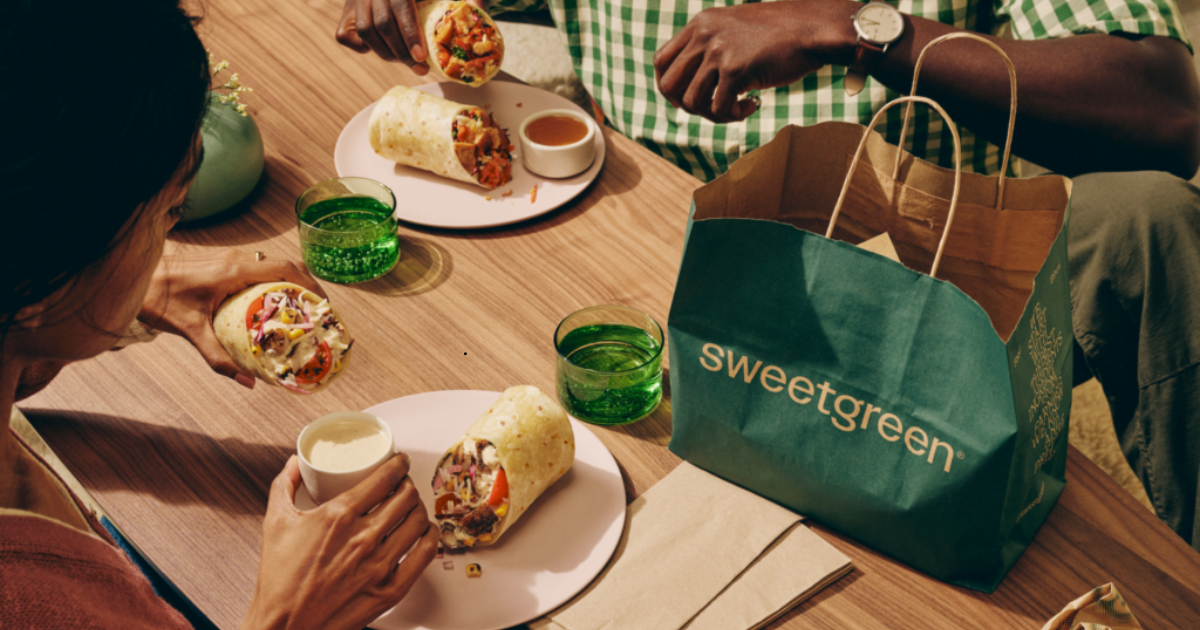
Four wrap SKUs launched in May 2026, built around a single strategic argument: portability. sweetgreen built its reputation on salad bowls that require a fork. Wraps extended the brand into a new eating event. “Wraps really take us into a completely new occasion for sweetgreen,” says Zipporah Allen, the brand’s Chief Commercial Officer. “With Wraps, it’s that same amazing flavor and quality, but you can have it on the go.”
Getting consumers to trust the new idea required something a brand campaign alone could not produce. “We wanted not just the brand saying that the first bite was the best bite,” Zipporah says. “We wanted consumers to hear from other consumers.”
To build that at scale, sweetgreen partnered with Devotion, an AI-native creator marketing agency co-founded by CEO Jonathan Kroopf and Chief Creative Officer Cami Tellez. Jonathan was previously an executive at TikTok and CreatorIQ, while Cami founded Parade.
“We use AI to help brands build and manage creator communities at a scale that wasn’t previously practical,” Jonathan says. “We’re allowing them to harness a much broader and more diverse creator ecosystem than traditional influencer marketing models were designed to support.”


Jonathan Kroopf and Zipporah Allen
A Performance Marketer’s Case for Losing Brand Control
Zipporah joined sweetgreen as CCO in September 2025 with a resume built around performance marketing and digital transformation. At Taco Bell, she served as the brand’s first Chief Digital Officer, growing digital transactions from under 3% to more than 20% of total sales and enrolling 12 million members into its first loyalty program. At Strava, she expanded the platform’s marketing strategy and contributed to what the company reported as its highest growth year on record in 2024, including a 28% increase in subscription revenue.
That background produces a specific orientation toward influencer campaigns. “Traditional brand marketing is brand out,” she says. “The brand tells the consumer how to view the offering. But when you go community-first and leverage other voices, you have to give up some control, because you want that authenticity. You want creators to put their own take on it, sing their song, do their review in the way that’s relevant to their audience.”
The surrender of control extends to how sweetgreen evaluates reach. The brand’s own Instagram posts typically generate around 1,000 likes per post. Creator posts routinely hit 10,000. Zipporah does not read that gap as a failure of sweetgreen’s owned social.
“Collaborations with creators are about reaching new audiences and showing up in front of theirs,” she says. “Our organic social is about telling our story consistently. Those are different jobs.”
The Four-Ingredient Tortilla That Became a Campaign
One of the launch’s most effective content threads was not planned by marketing. Standard food service tortillas contain gums, binders, and fillers. sweetgreen’s custom tortilla uses four ingredients: water, flour, olive oil, and salt.
“It was a real challenge to our culinary team,” Zipporah says. “We kept working with supplier partners until we got to a tortilla with only four ingredients. And once we understood just how big a proof point that was, it became a real point of differentiation.” The contrast with a competitor’s 17-ingredient formulation became both an out-of-home billboard and a recurring creator talking point.
The brand did not mandate the use of the tortilla story. Content bifurcated organically. Creators oriented toward taste posted on flavor and craveability. Those who cared about ingredients went to the label. “Sweetgreen is a brand where we can hold both of those messages easily,” Zipporah says.
The tortilla fits a longer pattern. Rio Fresh Farms began growing organic kale specifically because sweetgreen requested it, a relationship that started eight years ago and continues today. “We’ve already changed the food industry in a lot of ways,” Zipporah says. “The tortilla is just the latest example.”
500 Creators, Zero Scripts, One Gifting Funnel
Managing 500+ creator relationships simultaneously across multiple verticals is a logistics challenge. Devotion’s approach combines AI pattern recognition with a self-selection mechanism on the first touch.
“We built bespoke AI agents that could do much of the analysis that historically required teams spending tens or hundreds of hours manually reviewing creators,” Jonathan says. Human reviewers then approved every creator accepted into the program. The first outreach was not a paid partnership offer. It was an invitation to try the wraps. “That self-selects for people who are organically excited to participate,” Jonathan says. “And then we layer on more financial incentives.”
The resulting roster crossed category and scale without relying on traditional tier logic. Model, actor, and skateboarder Evan Mock sat alongside food-focused creators like Kale Junkie. “We think less about creator size and more about psychographic alignment and enthusiasm for the brand,” Jonathan says. The program spanned accounts from 1,000 followers to more than a million.
Creators chose their own wraps, provided their honest assessments, and received no templates or mandates. The Caesar wrap emerged as the top performer from a sales and conversation standpoint, according to Zipporah.
The Co-Founder Who Became the Campaign’s Sharpest Signal
The campaign’s most analytically useful content came from inside the company. Nicolas Jammet, a sweetgreen co-founder, began posting weekly order customization content as a recurring format tied to the launch. The series quickly became some of the most engaged organic material associated with the campaign.
The posts also function as product intelligence. sweetgreen monitors which customizations appear in purchase data and comment sections to identify patterns that could inform future menu development. “Does that give us enough signal to think about what the pipeline might be for new flavors?” Zipporah says the team is actively tracking that question.
Jonathan’s team monitors sentiment across all campaign content, including comment-level engagement, for early purchase intent signals. Followers sharing their own custom wrap orders with app screenshots represent a social commerce behavior the brand continues to analyze. “We look across all of the content to not just track overall performance, but also the sentiment,” Jonathan says. What the current infrastructure does not yet do is connect comment-section signals directly to individual app order data.
Why sweetgreen Chose Cultural Currency Over Attribution Tracking
The campaign does not run on promo codes or last-click tracking. Both Zipporah and Jonathan were direct on that point. “It’s very tempting to want to attribute everything from a campaign perspective,” Zipporah says. “But with this creator-led approach, we’re looking at mid-to-upper funnel. It’s about engagement with the brand and the overall cultural currency.”
That framing is a choice, not a capability gap. Zipporah built loyalty infrastructure from scratch at Taco Bell. She understands what direct-response attribution looks like. The decision to measure the wraps campaign primarily on awareness and share of voice was deliberate.
The halo effect validated it. “What made this campaign go viral wasn’t just our sponsored content,” Jonathan says. “It was the ubiquity in the feed at launch, paired with a product that consumers were so genuinely excited about, that people unaffiliated with the campaign started creating their own reviews. In many ways, that content outnumbered what we prompted.”
According to sweetgreen data, the launch delivered the company’s highest share of voice on record, sustained across multiple weeks. The brand has since added wraps to its loyalty program redemption options and is monitoring new signup rates and retention among customers who first engaged through the launch.
A Creator Community Built to Outlast the Launch
Neither Zipporah nor Jonathan describes what they built as a campaign. “This is not a one-and-done program,” Zipporah says. “This is a community we plan to engage with for the long run.”
sweetgreen’s calendar is anchored by seasonal ingredients, and the brand intends to deploy its creator ecosystem around each subsequent product moment through the summer and into fall.
Jonathan reports that the application queue has continued to grow since launch. “One of the hardest parts has been that even at this scale, we have so many creators waiting for their chance to participate,” he says.
His prescription for the industry distills into a structural shift. “Moving towards a model of participation versus exclusivity,” Jonathan says. “The algorithm is opening up so much more access to creators. Having the courage to give up some control, in order to access participation at a scale that’s meaningful enough to generate real reach, is what made this work.”
Subscribe to Our Newsletter
Check Out Our Podcast