





Agency
Creator Agency NewGen Pushes Deeper Integration As Brands Embrace Influencer Marketing

NewGen, a social-first creative and creator agency with 95 full-time employees across five global offices, is on a mission to change traditional influencer marketing campaigns into thorough brand strategies that extend from social media to mainstream channels.
Founded in 2015 in London by former content creator Mike Craddock, the agency has grown from managing influencers to providing integrated services for major clients, including Pepsi, Samsung, and creators like KSI [Olajide Olayinka Williams “JJ” Olatunji] and Amelia Dimoldenberg.
“The most successful thing now is working with a creator as part of a full 360 campaign, not just one piece of content,” says Mike. “That old approach needs to change. Creator work has to sit within the entire marketing strategy, not as a silo.”
Founded as a talent management company for creators, NewGen now serves brands seeking connections with audiences and creators aiming to build sustainable businesses beyond content creation.
Mike recognized this dual market need from his own experience as a YouTube creator with half a million followers. “When we started in 2015, the gap was helping creators monetize,” he explains. “We believed more influencers would launch products or drive sales in new ways. We’d manage creators so they could focus on content while we handled the business side.”
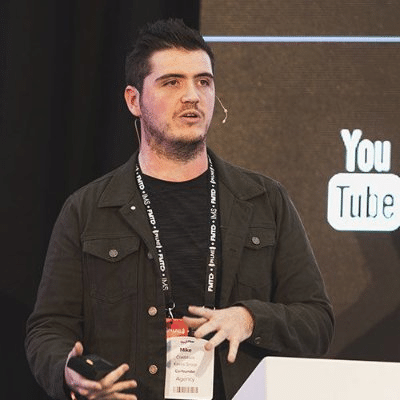
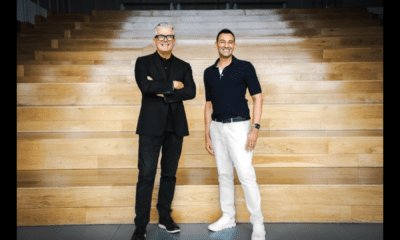
Mike Craddock
From Creator Management to Integrated Agency
Before founding NewGen (initially known as Kairos Group), Mike built his own following as a content creator. He accumulated more than 250,000 subscribers and garnered more than 55 million video views on YouTube, primarily in the gaming category. He also collaborated with brands such as Machinima, BBTV, IGN, and Turtle Entertainment as a content creator.
“Most people who start agencies come from another agency and spot an opportunity. Our background is different,” Mike says.
The company has strategically grown over time in response to shifting market dynamics. “We’ve always been good at spotting trends before they happen and then acting on them,” Mike explains.
Today, NewGen operates through three distinct divisions: the agency arm (its largest operation), talent management, which represents 70 creators, and social publishing, helping both creators and brands redistribute content at scale.
The Integration Shift in Creator Marketing
Creator marketing has “a new hot topic” every year, according to Mike. “We went from macro creators like Kylie Jenner, to the opposite extreme with nano creators at scale, to activating thousands with under a thousand followers. Now we’ve found a happy medium.”
NewGen’s integration strategy addressed a key problem in this field: brands were treating creator partnerships as isolated project work rather than core components of their marketing strategy. By combining social media management and creator collaborations, they developed a more complete offering.
“There were lots of just influencer agencies or just social agencies,” Mike recalls. “We combined services to become more ‘sticky’ with clients. Selling influencers alone was just project work. Adding social made contracts longer and integrated us with brands.” This integration approach has since expanded to include creative strategy, production, and paid media.
Case Study: The Pepsi Pioneers Campaign
The strength of NewGen’s integrated approach is demonstrated through its work with Pepsi in the UK. The “Pepsi Pioneers” initiative showcases how creator marketing can grow beyond traditional influencer promotions to become a key part of mainstream brand campaigns.
“We do most services for Pepsi in the UK,” Mike explains. “We recently ran Pepsi Pioneers with about 50 creators as true brand ambassadors. They’re brought in early and integrated with Pepsi.”
Rather than limiting these creators to posting sponsored content on their own channels, NewGen developed a complete strategy that extends their involvement throughout the marketing ecosystem. “We filmed a custom ad distributed on social, out-of-home, and TV,” Mike continues. “It outperformed a celebrity footballer.”
According to Mike, this approach creates multilayered value for all stakeholders. Pepsi gains real cultural relevance that outperforms traditional celebrity endorsements. Creators receive valuable mainstream exposure that builds their personal brands. Audiences encounter more consistent, genuine messaging across channels.
“These creators used to just post on their own channels. Now their content runs on Pepsi’s channels, on out-of-home, and on TV,” Mike notes. “It builds a 360 relationship between creator and brand while giving creators mainstream exposure.”
This campaign exemplifies NewGen’s core philosophy: creator partnerships should be fully integrated into broader marketing strategies rather than operating as separate, detached initiatives.
Insights and Creator Perspective
NewGen’s work with both brand accounts and creator channels provides them with deep knowledge across various platforms and content types.
“We get hundreds of millions of views per month across our creators’ content,” Mike explains. “We apply that data and insight for clients. We can tell you what’s trending on Meta or TikTok, and what content really generates traction.”
This positioning is enhanced by the technology systems NewGen uses. “We’re one of the only agencies with custom tech across live streaming for gaming campaigns and influencer CRMs that track live results,” Mike says. “We’ve also built AI tools and custom tech to support campaigns.”
Professionalizing the Creator Economy
As the creator economy reaches new heights, Mike and NewGen recognize that successful creators need more than just basic management services. They require a complete business infrastructure to build sustainable careers beyond content production.
“Creators need professionalism,” Mike observes. “Many are just content makers, which is great, but they need teams who can push them into TV, mainstream, or building businesses around them.”
This vision of professionalization goes beyond traditional talent management to encompass business development, production support, and strategic planning. “Creators don’t just need a manager or agent. They need full teams – production, strategy, business,” Mike explains. “They need to become professional businesses, not just freelancers.”
As someone who personally managed the transition from content creator to business owner, Mike shares his perspective on this mission. “There are a lot of young people making big money quickly, and I didn’t have that support either,” he says. “We want to be true business partners to creators, from brand deals to building products. I believe creators will be the future of products.”
Industry Challenges: Payments, Regulation, and AI
Despite the progress in strategic integration, the creator marketing industry continues to face operational challenges. When it comes to the single industry problem he would fix with unlimited resources, Mike immediately identifies a critical operational challenge: “Standard regulation on payments.”
The current payment system creates cash flow problems throughout the ecosystem, with agencies caught in the middle. “Brands pay agencies in 60 days or more, then agencies pay creators. Agencies end up acting as banks,” Mike explains. “Some brands delay payments, and that strain trickles down.”
Mike envisions a more efficient system: “Ideally, brands put money into escrow. Once the campaign is delivered, funds are released to the agency, and then to creators.”
Beyond payments, the industry continues to handle regulation and emerging technologies. Mike describes the industry as “still the Wild West. It’s messy,” with “lots of agencies starting and failing.” He attributes this partly to the low barrier to entry – “All you need is a laptop and ChatGPT, so anyone can do it” – but notes that established agencies with proper tools and infrastructure ultimately provide better service.
The emergence of AI represents another significant challenge for 2025. “AI is everyone’s favorite word,” Mike says. He expresses concern about platforms’ approach to AI-generated content: “Platforms haven’t said how they’ll support AI creators. YouTube plans to push organic content, while TikTok seems to welcome AI content, which is worrying if you’re an influencer.”
The Next Phase of Integration
As brands increasingly recognize creator marketing as essential rather than optional, NewGen is positioning itself to help shape the next phase in brand-creator collaboration. With offices across London, Manchester, New York, Paris, and Taiwan, the agency has built the infrastructure to support truly global campaigns.
“Everyone now knows social and influencers aren’t a nice-to-have, they’re a necessity,” Mike observes. “Brands understand what we offer and want it. We’re not selling reluctantly accepted services. They know they need it, and we deliver it well.”
This shift has elevated NewGen’s status with major clients. “We’re starting to work with the world’s biggest brands and influence their marketing budgets,” says Mike. “Sometimes, we’re the lead agency, shaping culture and creator roles. It’s powerful being the smaller player with big influence.”
Mike predicts that the field will continue developing toward deeper integration, with brands establishing dedicated social and influencer divisions rather than treating creator marketing as an add-on to PR or media. According to him, as platforms change, consumer behaviors shift, and new technologies emerge, agencies that truly understand both sides will be well-positioned to succeed.
“I love adapting to change,” Mike concludes. “Our industry moves fast, which excites me. If we stay ahead, we can lead the way.”
Subscribe to Our Newsletter
Check Out Our Podcast