





Agency
mnstr’s Guillaume Carrere: Brands Are Fighting the Wrong Battle on Social Media

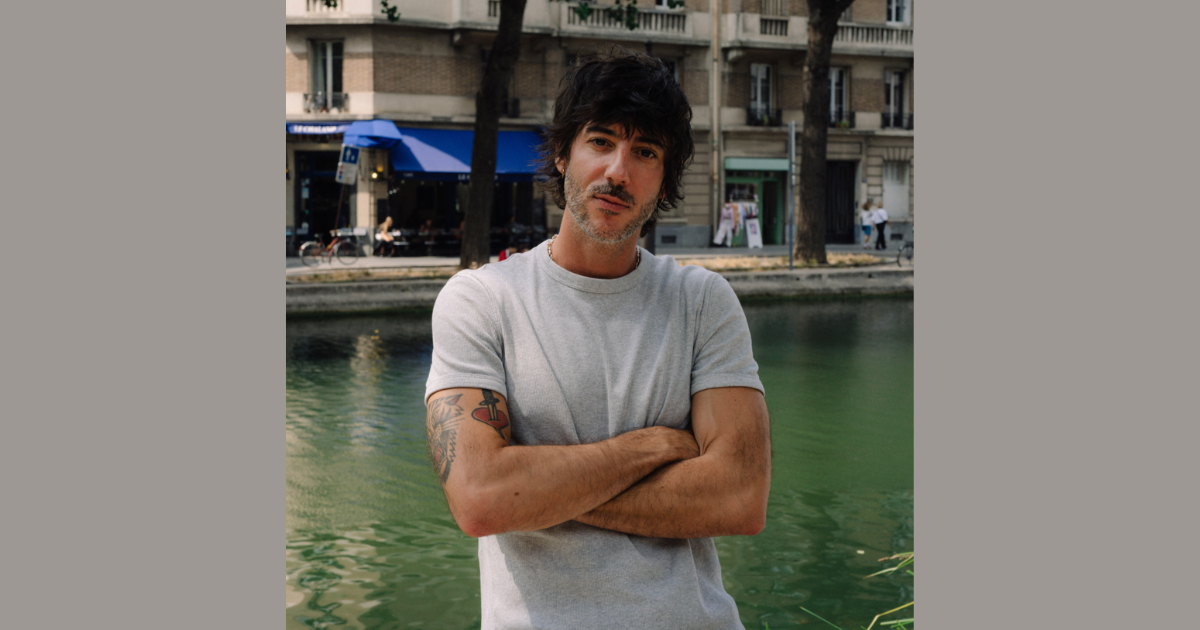
People are not passionate about brands. They are passionate about music, sport, cinema, and the communities built around those things, says Guillaume Carrère, Executive Creative Director at mnstr. That gap is where he believes most brand social strategy quietly falls apart.
Guillaume has spent eight years at mnstr, a Paris-based hybrid agency working across brand strategy, experiential, and audience connection. He joined as Head of Strategic Planning and has since risen to his current creative leadership role alongside partner Louis Bonichon. The agency’s clients come looking for a way to show up in cultural spaces that feel credible rather than generic, and Guillaume’s answer consistently points in the same direction: earn a place inside communities people already care about, rather than trying to build new ones around the brand.
“I think a lot of brands are fighting the wrong battle on social media by believing their role is to build a brand community,” he says. “That’s a mistake, and it shows a lack of humility about our role as communicators.”
The argument has direct implications for how mnstr structures its work, from how it approaches briefs to where it places creators in the process. It also positions the agency against two dominant models in the market, each of which, Guillaume argues, has arrived at the wrong answer for different reasons.
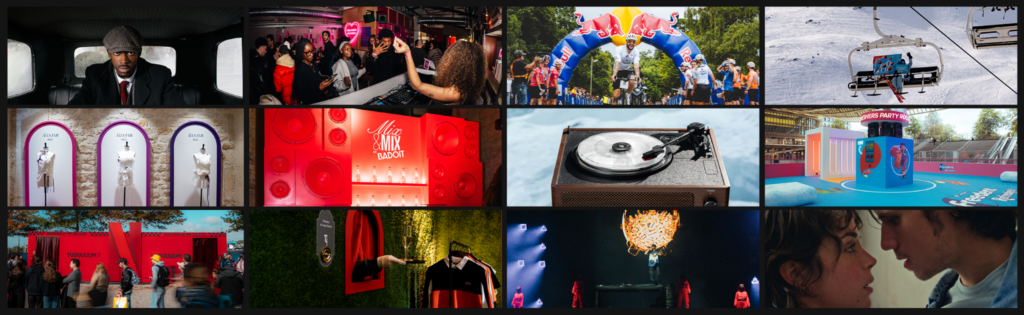
Photo: mnstr Agency campaigns
Earning Credibility Where Culture Already Lives
The most engaged audiences on the internet, Guillaume argues, are those organized around genuine shared interest. For brands, this creates both a clear opportunity and a specific challenge.
“Why should brands care about communities?” he asks. “Because they are the most engaged audiences. They spend time on the things they’re passionate about. They share, interact, and mobilize massively. They can drive huge conversations, engagement, and business impacts.”
The challenge that follows is identifying which cultural territories are credibly accessible to a given brand, then earning a place there through contribution rather than presence alone. That process requires a willingness to observe before acting, which is rarely how brand campaigns are structured.
“Communities tend to reward contribution and shared understanding, as opposed to outside status,” Guillaume says. “Brands earn credibility when they add something that feels genuinely worthwhile. That might mean getting comfortable with observing first rather than arriving with a fully formed agenda.”
Two Industry Models, Both Wrong
mnstr describes itself as a hybrid agency, a term Guillaume uses to separate the firm from two categories he argues have developed major blind spots.
“Traditional creative agencies still think brands talk and people listen,” he says. “Social agencies have turned the craft into trend-chasing and volume. Both are wrong.”
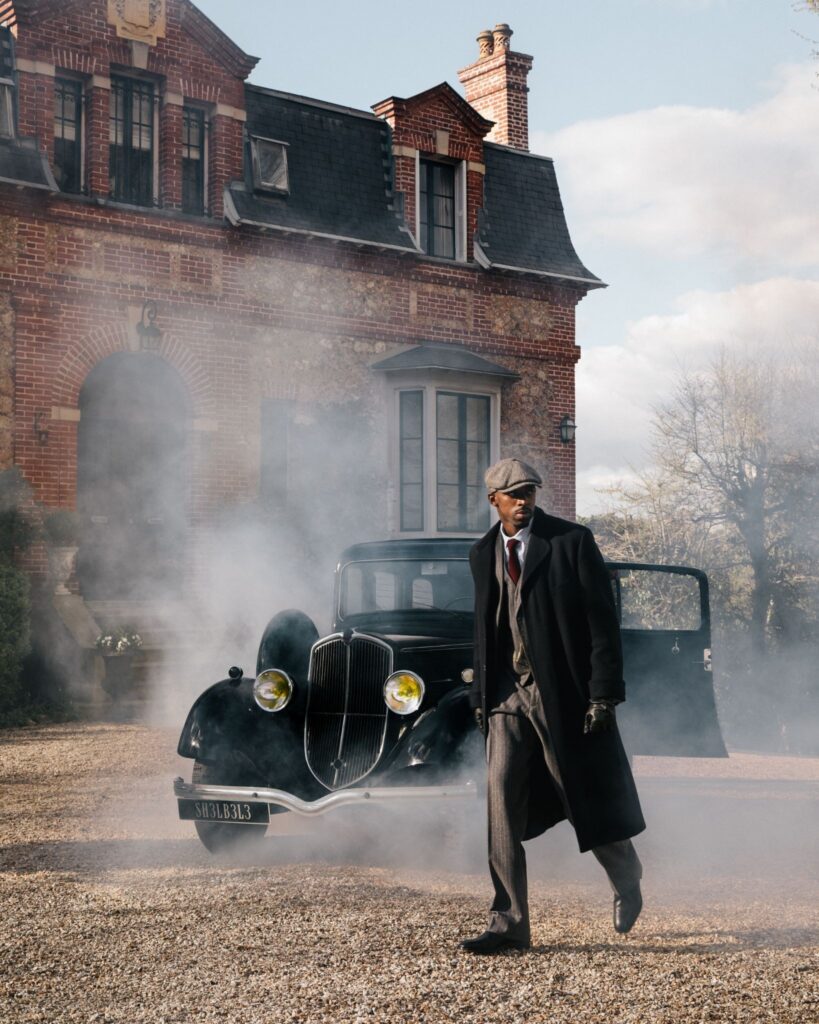
Photo: mnstr Agency x Netflix, featuring soccer player Ousmane Dembele
The critique of trend-chasing connects to how Guillaume diagnoses the broader failure of brands in cultural spaces. Most brand activity arrives too late. Teams spot a signal once it has broken into mainstream conversation and treat that moment as the entry point. By then, the more interesting part of the story has often already played out in smaller, less visible communities.
“They view visibility as origin,” he says. “They spot a trend once it breaks into the mainstream and treat that as the starting point, when the real cultural groundwork has usually been happening for much longer in niche communities.”
mnstr’s answer is to operate across what Guillaume calls two simultaneous timeframes: capturing attention in the short term through social logic and fast formats, while building brand equity and desirability over the longer run. He refuses the framing that these are competing priorities.
“We don’t make ads,” Guillaume says. “We don’t chase trends. We build cultural relevance. Capturing attention today and building brand equity for tomorrow isn’t a choice. It’s the job.”
Creators Enter the Brief Early, or Not at All
mnstr’s approach to creators follows the same logic. Guillaume is skeptical of campaigns that treat talent as the final delivery step in a process built without them, a model he says reliably destroys the quality that made working with a given creator worthwhile.
“If you bring them in at the end to deliver a message that was written without them, you have already lost the thing that made them worth working with,” he says.
The stronger model, in his view, involves selecting creators for who they are, building the brief around their world, and giving them room to stay recognizable to the audiences they have actually built. He frames top creators not as media placements but as independent editorial operations with hard-won standing in their communities.
“The best creators are effectively independent media companies with editorial instincts, owned audiences, and a voice that took years to earn,” Guillaume says. “The brands doing this well choose talent for who they are.”
The Coherence Problem: Adapting With Intention vs. Checking Boxes
Even when brands approach culture with the right instincts, Guillaume identifies a recurring execution failure: the inability to hold an idea together as it moves across channels and markets.
Every platform carries its own grammar and its own expectations. What lands on TikTok does not transfer directly to an out-of-home activation or a product collaboration.
“The failure usually goes one of two ways,” he says. “Either the message stays too fixed and feels forced somewhere it was not built for, or it gets adapted so loosely that the brand loses its thread entirely. The discipline is knowing the difference between adapting with intention and just repurposing to check boxes.”
Guillaume uses the phrase “brands become liquids” to describe the direction the overall model is heading. The idea is not formlessness but fluidity: a point of view that can move across surfaces without losing its character. For mnstr, the practical work is maintaining that distinction in production, when timelines and client pressure tend to push toward shortcuts.
The Next Phase Requires a Different Role
Looking forward, Guillaume’s prescription for brands is less about formats or platforms and more about a foundational shift in how they understand their own position.
“Brands need to stop acting like broadcasters and start acting like cultural participants,” he says. “That means creating rather than commenting, contributing rather than interrupting, and earning legitimacy in the territories that matter to their audiences.”
Behind that shift is a harder concession: brands are no longer the center of the story. People are. Communities are. Creators are. The brands that navigate the next phase of the Creator Economy, in Guillaume’s view, will be those that find their place inside that ecosystem with humility and a sharp point of view rather than a broadcast strategy.
The positioning creates a specific challenge for mnstr. The agency is betting that a hybrid model sitting across strategy, experience, and audience connection is better suited to that terrain than agencies organized around campaign output or content volume. Guillaume frames the difference not as methodology but as conviction.
“We don’t think in campaigns,” he says. “We think in cultural footprints. We don’t push messages; we earn our place in conversations. The future belongs to brands that are culturally relevant, not just commercially visible.”
Subscribe to Our Newsletter
Check Out Our Podcast