



Agency
Meraki Group’s Vivian Kwan Explains How Her Agency Protects Creators’ Voices Beyond Brand Deals

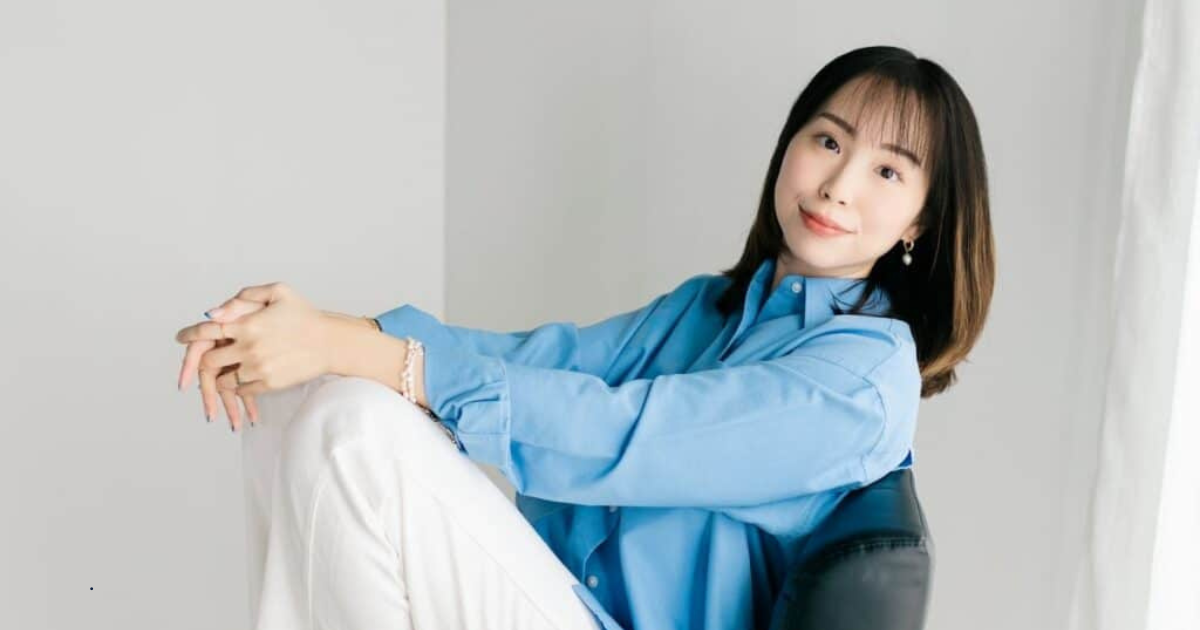
Vivian Kwan entered the talent management business from the creator side of the table. After experiencing brand deals and agency relationships firsthand, she launched Meraki Group in 2021 to advocate for creators in a growing industry.
The Washington, D.C.-based boutique talent agency now represents a small roster of creators across lifestyle, fashion, fitness, and family content, helping them secure brand partnerships and develop sustainable businesses. Since launching the company, Vivian says the agency has negotiated more than $4.5 million in brand partnerships and grown into a seven-figure business, all without external funding or investment.
Her goal? To help creators build long-term careers while guiding brands on how to work with creators in a more thoughtful and sustainable way.
Coming from the creator side, I quickly realized how much advocacy creators actually need when navigating brand partnerships,” Vivian says. “I really grew to love the negotiation side; making sure creators are valued fairly and building partnerships that work for both the creator and the brand.”
The agency works with brands including Sony, Nike, Uniqlo, Crocs, Canada Goose, and Logitech, positioning creators not just as marketing channels, but as long-term creative and business partners for brands.
Vivian believes the creator perspective remains an important differentiator in talent representation.
“Because I came from the creator side, I tend to approach partnerships from the creator’s perspective first,” she says. “That background naturally shapes how we advocate for talent and build relationships that work well for both creators and brands.”
From Creator to Agency Founder
Before launching Meraki Group, Vivian built a career across several creative fields, including fashion photography and social media content creation.
She began posting fashion content while studying at the University of Washington, during an early era of Instagram when creators experimented with stylized photography and lifestyle imagery.
“I started when I was in college, very millennial-era Instagram,” she says. “Lots of color filters, flat-lays, and chasing the most Instagram-worthy photo spots.”
At the time, Vivian was also signed with a talent agency as a creator. That experience gave her insight into the mechanics of influencer partnerships during a period of industry growth. “I had a front-row seat to how quickly this Creator Economy was evolving between 2020 and 2021,” she says.
Around the same time, Vivian had just become a mother. The shift prompted her to reassess what kind of career she wanted to build long-term. “I started to think differently about my career and what kind of work I want to build long term,” she says.
Instead of continuing to build her own creator profile, she decided to focus on the strategic side of the industry. “As a creator, you have to face the camera all the time,” she explains. “I wanted to stay in the creator space but in a deeper, more strategic role behind the scenes.”
Vivian began reaching out to creators she already knew and offered to help manage their brand partnerships. “That’s how I got started with building up my roster,” she says.
Why the Boutique Model?
From the beginning, Vivian structured Meraki Group as a boutique agency rather than pursuing aggressive expansion.
“We run a very intentional boutique roster,” Vivian says. “Right now, we represent around 14 creators, which allows us to stay very hands-on. Even with a small roster, we manage several hundred brand partnerships each year.”
She believes that working with fewer creators allows the agency to provide more personalized representation. “I treat them like friends and family,” Vivian says. “I want to know them as a person, not just a number on my roster.”
The agency’s name reflects this philosophy. “‘Meraki’ is a Greek word that means putting a piece of yourself, your passion and creativity into what you create,” Vivian says. “That really reflects how we approach representing creators.”

Creator-Brand Relationship
A major part of Meraki Group’s work involves helping creators understand and handle negotiations with large brands.
Vivian says brands often want to shape the messaging of influencer campaigns, which can create tension between marketing objectives and authentic storytelling. “Sometimes brands want to change the script or control what the creators have to say,” she says.
Her background as a creator informs how she approaches those conversations. “I absolutely stand by my creators when it comes to those areas,” she says. “I know how much time creators actually put into content creation.”
At the same time, Vivian recognizes that brands ultimately want measurable results from partnerships: “Creators want to protect their personal branding with their community, and brands want to know if the ads drive sales.”
The agency’s role, she adds, is to find a balance between those priorities.
Expanding Talent Management Services
As the Creator Economy grows, Vivian says talent management increasingly involves more than negotiating brand deals.
Many creators today operate as entrepreneurs running their own media businesses. “Being a creator is no longer just creating content. They’re actually running their own brand,” she says.
To support that shift, Meraki Group is expanding its services beyond traditional representation.
Vivian advises creators on topics including business structure, tax planning, and long-term revenue diversification. She is also planning educational workshops to help creators better understand how brands allocate marketing budgets and evaluate potential partners. “A lot of creators don’t understand how brands select them or how their budgets are allocated,” she says.
Part of that guidance involves helping creators prepare strategically for opportunities months in advance. “A lot of creators don’t realize how early brand budgets are planned,” Vivian says. “You can’t decide two weeks before Coachella that you want to work with brands there. Those conversations typically start months in advance.”
What Makes a Sustainable Creator Business
Vivian believes the most successful creator businesses rely on diversified revenue streams rather than brand partnerships alone.
“The most sustainable creator businesses diversify beyond brand deals,” Vivian says. “That usually includes aligned partnerships, affiliate revenue, and eventually products they own.”
She notes that affiliate marketing has become particularly important as creators seek income that is less dependent on sponsorship cycles. “I don’t take commission on affiliate income,” Vivian says. “But it can become a meaningful revenue stream when the products naturally fit into a creator’s content.”
Digital products, such as courses or downloadable resources, according to Vivian, can also provide long-term revenue. “Digital products can become one of the most sustainable revenue streams for creators,” she says. “It’s income they can build and control over time.
Scaling the Agency
Building Meraki Group from scratch presented significant challenges, particularly because Vivian entered the agency business from the creator side of the industry, without a traditional agency background.
In the early years, she handled almost every aspect of the company herself, “from pitching brands to negotiating deals and managing campaigns.”
Today, the agency has grown into a small team supporting a curated roster of creators.
“One of the biggest transitions has been learning how to move from doing everything myself to building systems and a team,” Vivian says.
The Boutique Advantage
As the talent management market grows more competitive, Vivian believes boutique agencies may have an advantage.
Some creators, she says, report feeling overlooked at larger agencies where managers represent dozens of clients simultaneously. “Some creators share that they feel a bit overlooked at larger agencies where managers represent many clients at once,” she says.
Smaller agencies, by contrast, can offer closer collaboration. “With a smaller roster, we’re able to work very closely with our creators,” Vivian says.
“Some agencies require longer-term contracts,” Vivian says. “We prefer shorter trial periods so both sides can make sure the partnership is the right fit.”
Looking Ahead
Meraki Group is approaching its five-year anniversary, and Vivian’s focus is on expanding her team, strengthening internal systems, and participating more actively in industry events.
She also hopes to mentor the next generation of talent managers entering the Creator Economy. “I want to help train the next generation of talent managers so they can better support the next generation of creators,” she says.
For Vivian, the long-term goal is to continue bridging the gap between creators and brands while helping creators build sustainable businesses.
“It’s incredibly rewarding to watch creators grow their platforms into real businesses,” she concludes.