



Agency
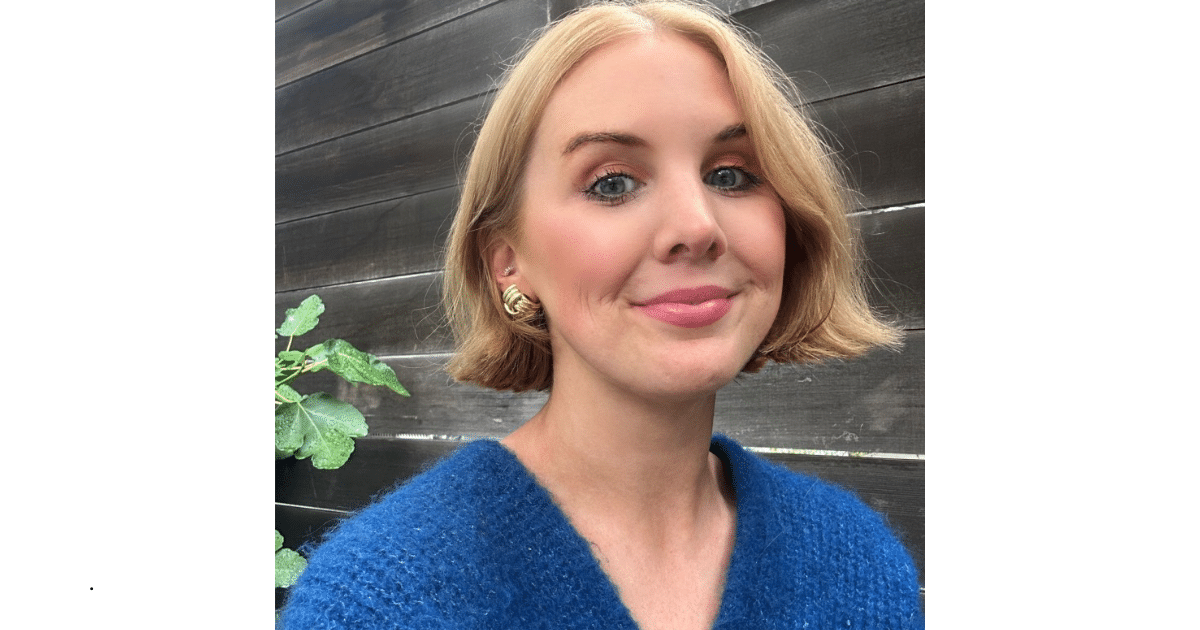
Edelman’s Brooks Miller Says Brands Must Prepare for the ‘Creator Opinion Layer’ of the Internet

Public opinion was once formed in newspaper columns and television broadcasts. Today, according to Brooks Miller, a new influence layer has emerged, driven by creators.
“There used to be the court of public opinion,” she says. “Now, there’s this court of creator opinion.”
Brooks is Executive Vice President of Creators at Edelman and leads the creator division at United Entertainment Group (UEG), where she oversees creator marketing strategies for global brands including Samsung, Starbucks, and American Express.
Before joining Edelman, Brooks spent more than seven years at Twitter helping build the platform’s creator marketing operations, including early programs across Vine, Snapchat, Instagram, and TikTok. That experience gave her a front-row seat to the rise of creator marketing from an experimental tactic into a core communications strategy.
“We were inventing how it works,” Brooks says. “What does a good contract look like? What does a good process feel like? How do you measure this?”
Today, she argues that the industry has entered a new phase in which creators no longer serve simply as marketing channels but as independent voices shaping public discourse.
People are increasingly discovering news, commentary, and cultural conversations on social platforms. But unlike traditional journalists, creators operate without institutional editorial constraints.
“They’re not getting it from a reporter who has this oath to give unbiased opinions,” Brooks says. “They’re getting it from creators who are authentically themselves.”
For brands, she adds, that shift creates both opportunity and risk. Creators can generate trust and community engagement that traditional advertising struggles to replicate. But their independence and the fact that they answer primarily to their audiences rather than brand partners means companies must rethink how partnerships work.
“There’s this incredible trust creators have with their followership,” Brooks says. “If you want to work with them, you have to be willing to support their voice rather than control it.”
Creators Are No Longer Dependent on Brands
One of the biggest structural changes Brooks has witnessed over the past decade is the growing independence of creators themselves.
In the early days of creator marketing, brand partnerships were often the primary way creators generated revenue. That dynamic has shifted as the Creator Economy has developed its own infrastructure.
“There’s a literal infrastructure now where you can be a full-time creator based on affiliate links, Patreon subscriptions, podcast ad revenue, or a business you launched because of your audience,” Brooks says.
That diversification has changed the power dynamics between creators and brands. Where creators once competed for sponsorships, many now have the flexibility to turn them down if a partnership does not align with their audience.
“We’re getting more no’s than we used to,” Brooks says. “Creators are saying no to really big brands because they don’t want to take the risk if they feel their audience would desert them.”
For the industry veteran, that development reflects the maturation of the Creator Economy rather than a slowdown.
“Their goal is to keep their followers happy and keep that relationship intact,” she says. “If partnering with a brand damages that relationship, it’s not worth the risk.”
Why Trust Matters More Than Reach
As brands expand creator marketing budgets, many attempt to scale campaigns by partnering with dozens or even hundreds of creators simultaneously. Brooks believes that approach can undermine the very trust that makes creator marketing effective.
“I understand the desire to work with creators at scale,” she says. “But you sacrifice trust when you focus exclusively on reach.”
Instead, she recommends building deeper partnerships with a smaller number of creators whose audiences closely align with a brand’s values and messaging. “You could work with one really trusted creator who’s perfect for your brand and put paid behind that partnership and maybe get the same results,” Brooks says.
In her view, large-scale campaigns also increase the risks associated with working with real people rather than corporate brand assets. “What’s magical about creators is that they’re human beings,” Brooks explains. “But humanity is tricky. People mess up.”
Because creators live their lives publicly and at scale, their mistakes can quickly become reputational challenges for the brands associated with them.
To mitigate that risk, Edelman developed a vetting system called the Creator Trust Score, which analyzes potential partners across a range of risk factors.
But Brooks says effective vetting starts with internal clarity.
“You need to look inward as a brand,” she says. “What do you think about misinformation? What do you think about politics? Then you find creators who match your brand ethos.”
Creators as Strategic Partners
Beyond sponsored posts and product placements, Brooks sees growing opportunities for brands to involve creators earlier in the marketing process.
At Edelman, that often means treating creators as consultants rather than simply distribution channels. “We bring creators in to look at briefs, to look at scripts, to copy-edit,” Brooks says. “They’ll tell us if something feels authentic or if we’re making something up.”
In one campaign, a healthcare brand launching a menopause product worked with a creator who runs a menopause-focused community. “No one on the team was going through menopause,” Brooks says. “So we brought in a creator who had a menopause community. She briefed the creative team, copy-edited the script, and ensured the content resonated with the intended audience.”
For Brooks, these types of collaborations demonstrate how creator expertise can inform brand strategy.
“They don’t just represent their own lived experience,” she explains. “They represent the communities they talk to every day.”
Misconceptions Brands Still Hold
Despite the growth of the Creator Economy, Brooks says many companies still misunderstand the role creators play in modern marketing.
One persistent misconception is that creators are not serious business operators. “People think if someone isn’t wearing a blazer, they’re not a business owner,” Brooks says. In reality, many creators function as “CEOs, CMOs, CCOs of their own businesses,” overseeing multiple revenue streams.
Another misconception is that creators primarily represent younger audiences. Brooks points to a growing cohort of older creators who have built highly engaged communities. “There’s this really cool class of creators over the age of 55 who have amazing communities,” she says. “They’re often overlooked by brands.”
Expanding Into New Creator Categories
In the near future, Brooks believes creator marketing will expand beyond consumer brands and entertainment into new sectors.
One emerging opportunity lies in business-to-business marketing. “I would love to see B2B creators happen in a meaningful way,” she says.
While B2B marketing traditionally relies on white papers and corporate messaging, Brooks argues that creators could influence professional audiences just as effectively as consumer audiences. “People who buy B2B products are people on the internet too,” she says.
LinkedIn, in particular, may become an important platform for that shift in her view. “Their video capabilities are getting better and better,” Brooks says. “It’s a perfect place for creators.”
She encourages creators to experiment with the platform by repurposing content from other channels.
“Repost what you have on TikTok on LinkedIn and see what happens,” she says. “Huge decision-makers are there.”
The Creator Economy’s Next Phase
Despite more than a decade of growth, Brooks believes the Creator Economy is still accelerating.
She points to the increasing presence of creators in traditional entertainment and media environments. Streaming platforms, live events, and red carpet coverage now regularly feature creators alongside established celebrities.
“We’re seeing creators getting big Hollywood deals and shows,” Brooks says. “And that’s only scratching the surface.”
As digital creators and traditional media converge, Brooks expects creators to continue shaping culture and public opinion in ways that brands and media organizations must adapt to.
“Creators are going to continue to be the opinion layer of the internet,” she says. “And that’s going to be really important.”
Subscribe to Our Newsletter
Check Out Our Podcast