Strategy
The Comment Section as the Campaign: Cure Media’s Tattoo Regret Play for La Roche-Posay

Most brands treat comment sections as a byproduct of content. Swedish creator-led marketing agency Cure Media built one around them.
A six-week TikTok campaign for L’Oréal-owned skincare brand La Roche-Posay across Nordic markets generated nearly 40 million views, 1 million engagements, and more than 5,000 user-driven comments. By the time it ended, the activation had accounted for 39% of the brand’s total annual Nordic engagement. The product at the center, Cicaplast Baume B5+, posted a 21% year-on-year sales increase during the campaign period, according to the companies.
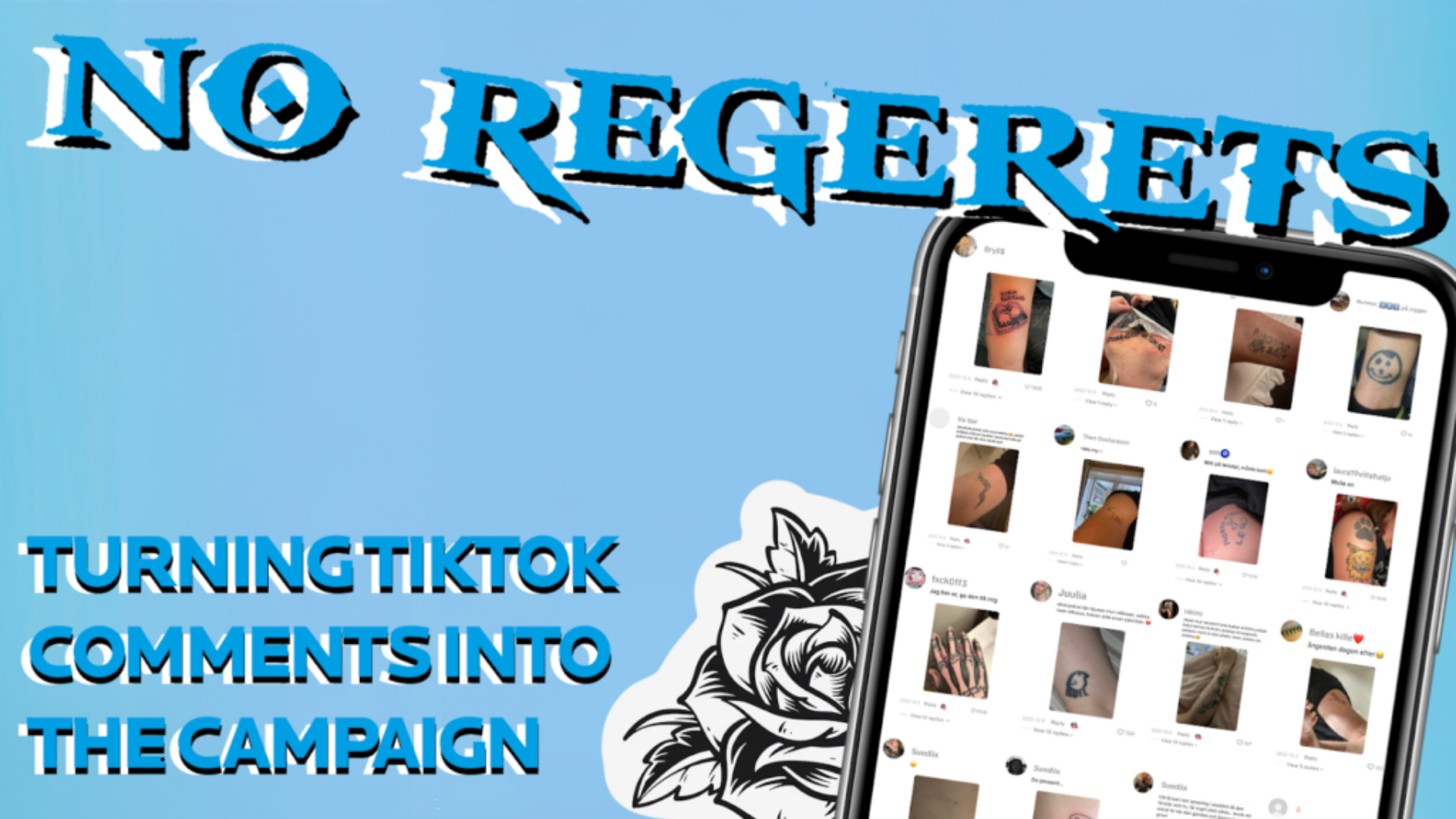
The campaign, called “No Regrets,” was built on a single cultural observation: the Nordics are among the most tattooed regions in the world, and tattoo removal rates are rising sharply. Emma Lundsten, Chief Operating Officer at Stockholm-based Cure Media, says the insight came before any brief.
“We identified that the Nordics are one of the most tattooed regions in the world, and at the same time, there’s a big cultural shift right now with tattoo removals increasing a lot,” Emma says. “This angle became very natural. We saw an opportunity to connect a real human experience with a high connection to the audience.”
Cure Media reports managing more than 150,000 creator marketing campaigns since its founding and counts L’Oréal, Sephora, Wella, and Colgate-Palmolive among its clients. Emma, who joined the agency more than nine years ago and now leads a team of more than 50 professionals across five operational units, says “No Regrets” represents a model she believes most brands have not yet fully internalized.
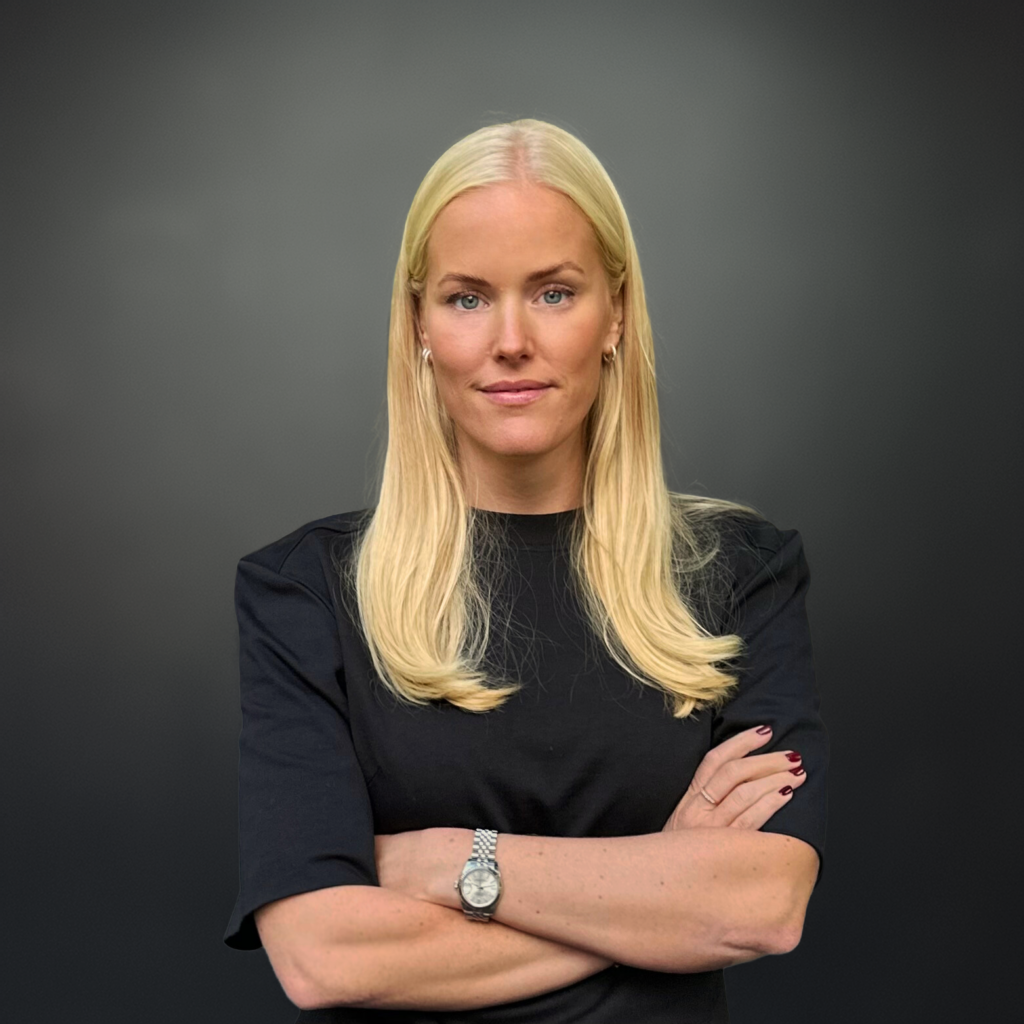
Photo: Emma Lundsten
The Insight Came Before the Brief
La Roche-Posay was already an established Cure Media client when the agency identified the tattoo regret angle. Emma says the depth of that relationship made the concept possible. “We always work on long-term,” she says. “We know what they want to communicate about their products in-depth. And then we could connect it to an actual happening.”
For La Roche-Posay, the connection was not incidental. The brand’s Cicaplast Baume B5+ is positioned around skin recovery, a core use case in tattoo aftercare and post-removal care.
Laura Ekholm Axters, L’Oréal’s Nordic Head of Advocacy & Influence, says the agency’s concept resolved a challenge the brand had been sitting on for some time. “We have long recognized that the tattoo community represents a significant opportunity for La Roche-Posay,” Laura says. “The challenge was finding an entry point into our advocacy strategy that felt authentic. The ‘No Regrets’ concept was the missing piece of the puzzle.”
Emma describes the brief La Roche-Posay gave Cure Media as deliberately open, focused on the products, but not the angle. That latitude is what allowed the agency’s insight process to generate something the brand had not envisioned on its own.
Two Creative Tracks, One Comment Section
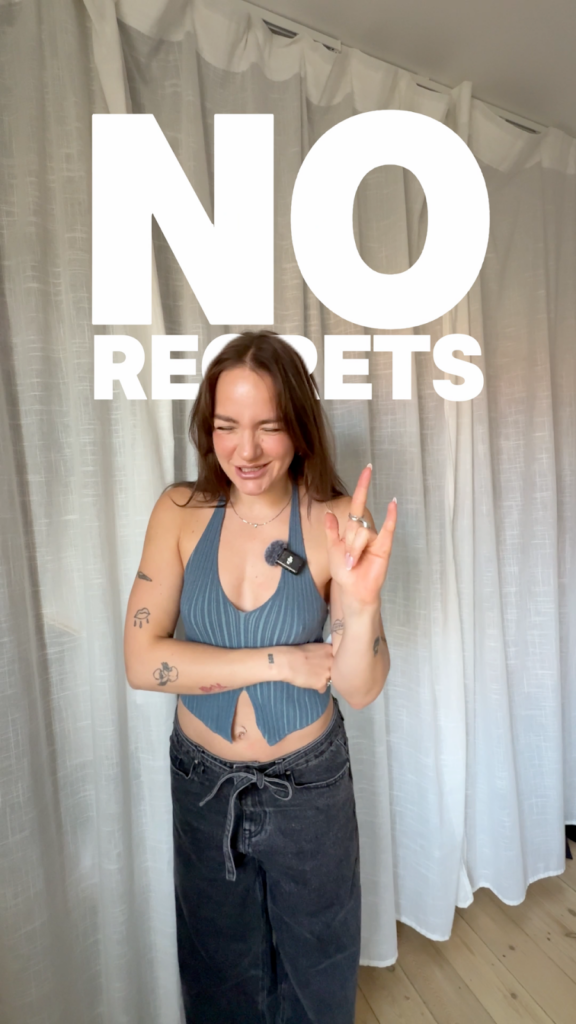
The campaign ran across Nordic markets with more than 20 creators. Cure Media built two distinct creative directions into the brief from the start. Creators who had tattoos they regretted could approach the concept personally, sharing their own stories. Those without tattooed regrets of their own leaned into humor, surprising a friend with a fake tattoo or imagining what they might regret.
“We didn’t want to limit it to people that only had tattoos they were regretting,” Emma explains. “Everyone can relate to the idea of regret, or know someone who’s regretting it or has an ugly tattoo. By allowing both approaches, we could create more entry points into the conversation for different creators.”
The campaign gave creators significant freedom beyond format choice. Emma reveals that the agency provided a clear structural framework and brand guidelines, but left creative execution largely to each individual. “We want their voice to shine through,” she says. “That was the whole theme of the activation.”
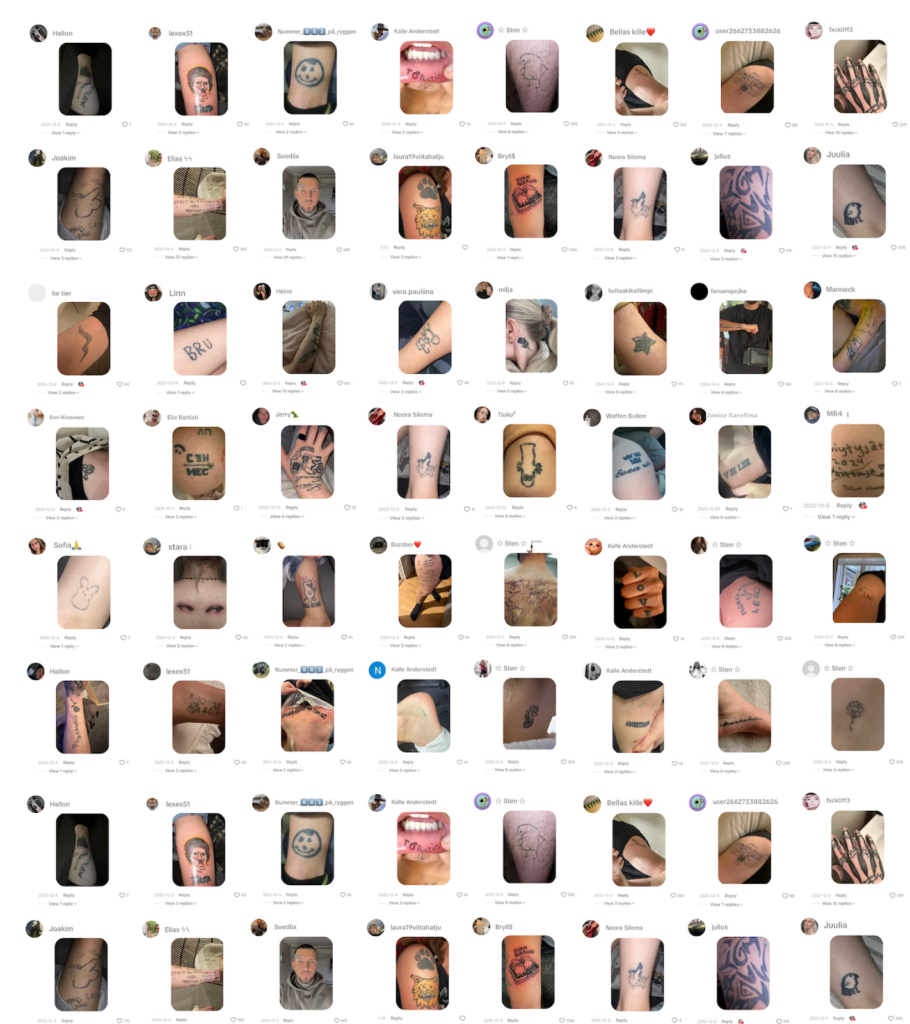
The comment section was not an afterthought. Cure Media’s creative team identified TikTok’s then-newly launched photo-in-comment feature as an opportunity to make audience participation structural, not passive. Viewers were encouraged to share their own tattoo regrets directly in the feed using the photo feature, turning the comment thread into a participatory gallery.
“When people started to share their stories in the comments, that became the whole campaign itself,” Emma says.
Why Participation Demands More Than a Prompt
Emma draws a clear line between genuine participation and what she calls “flat” participation. The distinction, she argues, is the single most common failure mode for brands attempting audience engagement.
“Without tapping into something that people actually care about, it’s kind of a waste,” she says. “You just know that you want to create the conversation, but it feels very flat. You don’t have the depth in why you’re trying to engage in the way that you’re doing.”
Cure Media’s approach reverses the typical campaign sequence, starting with cultural and behavioral analysis before any creative work begins. “We always need to start with the insights work,” Emma says. “You’re just communicating what you want to say, and that’s not working anymore. Everything starts with understanding behavior and culture and then building ideas on top of that.”
She argues that this is an area where many brands still operate reactively, pushing messages rather than entering conversations. “Creator marketing has left the phase where it’s about pushing content and doing just content at scale,” she says. “Now it’s more about being a part of meaningful conversations and becoming more relatable for consumers.”
A Competition That Became Something More
Embedded within the campaign was a competition. The creator or audience member with the worst tattoo would win a full tattoo removal and a year’s supply of Cicaplast Baume B5+. Emma notes that one submission in particular stayed with her after the campaign wrapped.
The winner was a man with a large tattoo on his forehead who posted his photo in the comment section and explained the impact it had had on his life. “He said that it had stopped him from getting jobs,” Emma recalls. “This was really a restriction in his life. It’s not just engagement. This is actually personal stories and impact.”
The brand will be able to follow the man’s removal process on his own channels, extending the campaign’s narrative beyond its initial six-week window. Emma connects the moment to La Roche-Posay’s stated brand philosophy. “They have this slogan of ‘educate with emotions,'” she says. “That really summarized this campaign in a very nice way.”
Laura describes the campaign’s outcome in similar terms. “By understanding the specific needs and vulnerabilities associated with tattoo care and removal, we created a campaign that didn’t just ‘talk at’ the audience but truly mattered to them,” she says. “When you find the right cultural hook for a hero product like Cicaplast Baume B5+, the market response is immediate and significant.”
The Case for Investing in the Comment Section
For Cure Media, the campaign reinforces an argument Emma has been making about where brand conversations are actually happening: the comment section. “That is such an important part to be a part of,” she says. “That’s where people actually engage and interact with each other.”
Emma sees untapped potential for brands willing to operate at that level of depth. “You can gain so much as a brand if you do it in the right way,” she says. “But it requires much more from brands to deep dive, to identify these conversations, and to become a natural part. Many brands are not sure how to handle it in the best possible way.”
Laura emphasizes that the campaign has reinforced La Roche-Posay’s commitment to locally grounded insight work. “The most impactful creator partnerships are those built on local human insights,” she says. “It’s about finding those specific, relatable intersections where our dermatological expertise can solve a real emotional or physical need.”
Emma’s advice for brands looking to replicate the model is direct. “Start with the insights work, and then do the creative aspect from there. Don’t skip that step.”
Subscribe to Our Newsletter
Check Out Our Podcast