
Strategy
Why Opera GX Markets Its Browser Like a Challenger Run

The browser market is, by most measures, one of the most creatively inert categories in consumer tech. Maciek Wojcik, Senior Global Product Marketing Director at Opera GX, built a marketing strategy around that fact.
“If you’re a mainstream browser, you need to be boring,” Maciek says. “We do not have budgets to be boring.”
Opera GX, the gaming browser launched in Oslo, Norway in 2019, has grown to 34 million users by targeting what Maciek calls “power players,” gamers who refuse default settings in any area of their digital lives. He joined Opera six years ago as its first marketing employee on the GX product and now leads a team of 35 spanning paid channels, Influencer Marketing, social, creative, brand, and PR.

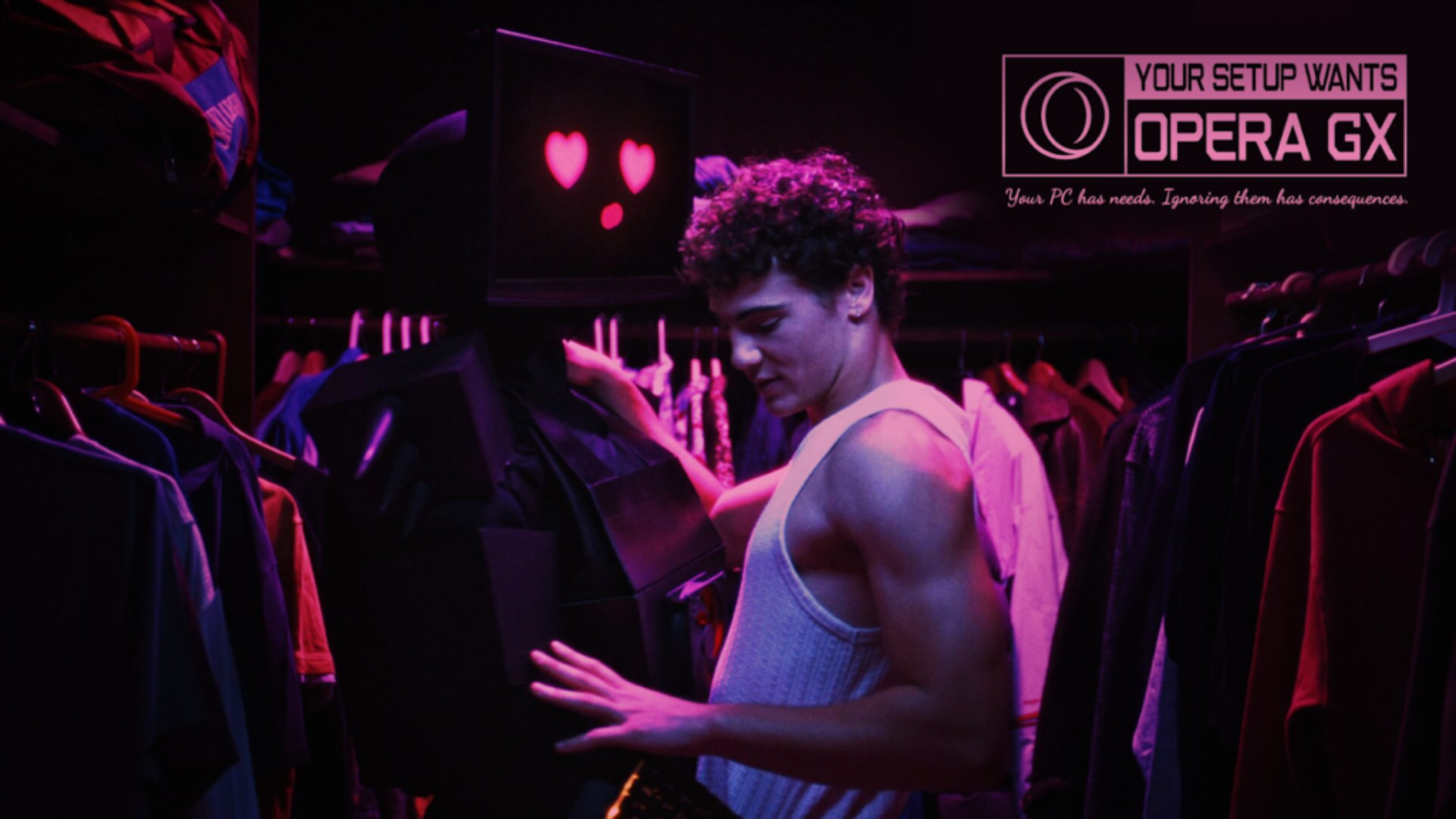
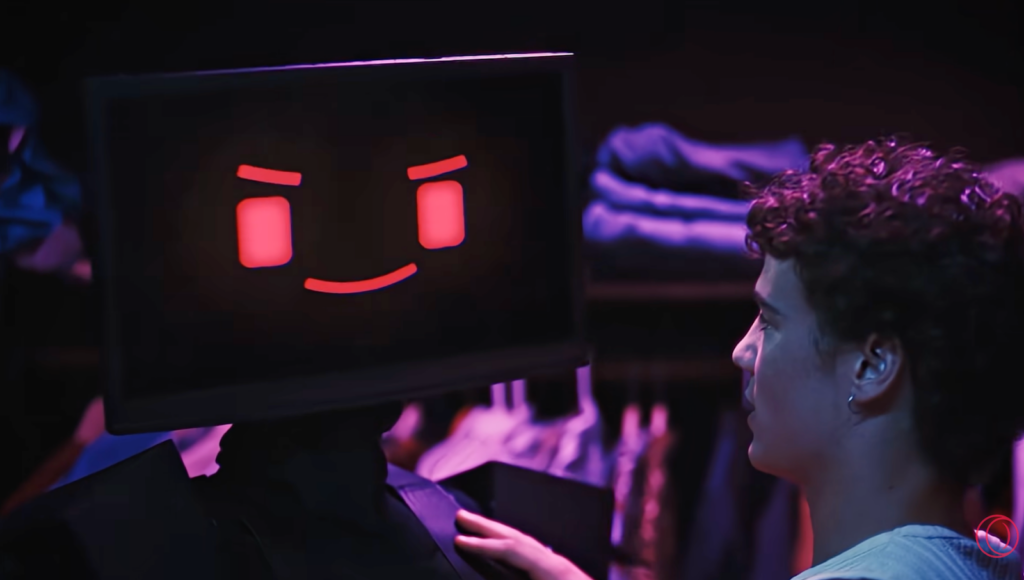
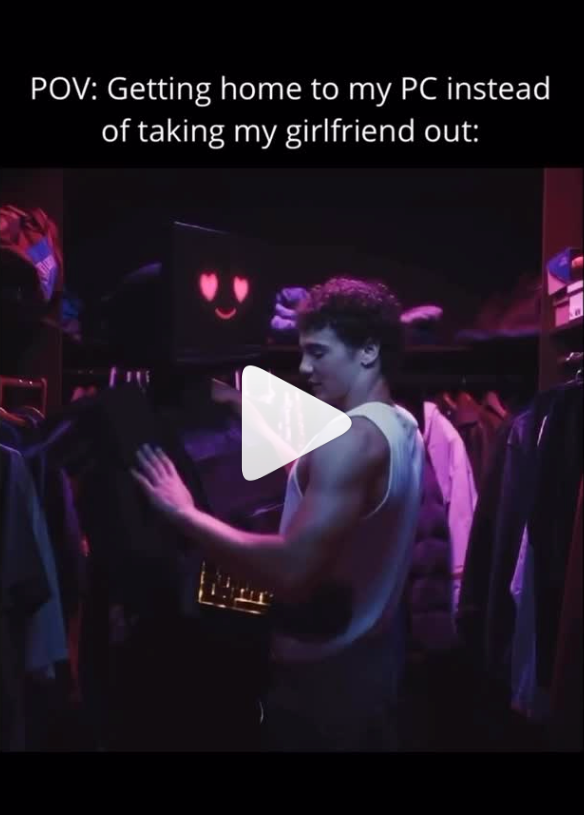
The latest expression of that philosophy is “Your Setup Wants GX,” a campaign built around PC Man, a sentient computer character first introduced in October 2025. The fourth installment launched in March 2026. What began as a two-week media buy has since become an ongoing brand platform: the first video exceeded its viewership goal by 16% within two weeks, and user-generated memes delivered 2.6 times more views than the original ad posts, according to Maciek.
“The main goal is to leave the viewer with the impression: I understand the consequences of not installing GX,” he says.
Repositioning a Browser as Part of the Setup
The creative insight behind PC Man starts with a problem specific to the browser category. On a functional level, browsers are largely interchangeable. “Whether you like it or not, that’s the truth,” Maciek says. “What can make the difference is the brand.”
The team’s question was how to make the browser feel native to gamer culture rather than imported from the corporate tech world. Gamers obsess over every detail of their physical setups, from CPU to RGB lighting, but rarely think about the software running on top. That gap became the campaign’s premise.
“We thought: why not reposition GX from software into a part of the hardware, a part of the setup?” Maciek explains. “If they care about setup so much, why shouldn’t they care about the browser being the final element?”
PC Man, the literal physical expression of a neglected gaming rig, makes that argument in character form. Each of the four spots gives the computer a point of view on what it means to be ignored, underpowered, or mismatched with the wrong browser. The concept was developed with Madrid-based creative agency Officer & Gentleman, a partner since Opera GX’s early days, and produced by production house Jakiens in Valencia across two shooting days.
Engineering the Meme, Then Stepping Back
Opera GX’s social team mapped out meme-ready moments inside the campaign video before the first spot went live. The process was intentional but invisible. Maciek describes the team as intentionally young, a reflection of the audience it serves. The person running the brand’s X account joined at age 18.
“We try to identify the moments inside the video that can go viral and be the source of memes,” he explains. “We invested some money in social seeding and waited to see whether it was gonna get traction.”
The seeding partner was Vyro, the social distribution platform associated with internet personality MrBeast. Once the clips were in circulation, the team stopped intervening. Organic amplification, by design, carries more cultural weight than branded push.
“We didn’t want to push it further because it would be seen as a brand action,” Maciek says. “The best ad is the ad that is not perceived as an ad.”
Distribution Channels Are Locked Before Shooting Begins
The campaign ran across YouTube, TikTok, Discord, Twitch, Vyro, X, and Tinder, as well as GameJolt, where a mini-game called “Maximum Load” allowed users to guide PC Man through a browser installation. For Maciek, those channels were not selected after production wrapped. They were locked in during pre-production.
“We decide on distribution channels during pre-production,” he says. “This way, we can adjust the content to the channels. You do not end up having to rework content after the fact.”
The Tinder activation, where users encountered a simulated dating profile for PC Man and could swipe to match, was a direct extension of the campaign’s narrative logic. The spot was framed as a relationship story, with PC Man leaving a neglectful gamer for someone who appreciated it. Placing the character on a dating app followed that fiction to its logical end. As Maciek reports, the activation delivered 2 million-plus impressions, with a 99% message open rate among U.S. users.
Discord’s quest format tied to the campaign achieved a 99% completion rate, 24% above platform benchmarks, and 14 times higher than average CTR rates. The GameJolt desktop takeover drove a 3.21% CTR, a figure GameJolt described as a platform record.
The “Maximum Load” game itself emerged from an internal collaboration. Opera’s portfolio includes GameMaker, a game development engine. The marketing team brought the concept to that team and built the game in-house.
“Once we finished, they actually got back to us asking if we could have more stuff like this,” Maciek recalls.
The Metrics That Actually Matter to a Challenger Brand
Maciek reveals that YouTube Brand Lift data placed Ad Recall 2 times above benchmark, brand awareness 3 times above benchmark, and consideration 1.5 times above benchmark. The core video reached 12 million-plus users and generated 4 million-plus engaged views, with an average view rate of 98%.
“The main goal is always to increase awareness so that we can have an impact on conversion using performance channels,” Maciek says.
Conversion, he notes, follows from attention, not the reverse. He monitors Google Trends data, brand mentions, and landing page traffic as indirect indicators that a campaign is moving culture, not just media metrics. Whether meme volume translates directly into installs is harder to isolate.
“It’s difficult to track directly,” Maciek says. “But we track organic traffic and whether there is an impact.”
Betting on Creators Who Understand the Product
One comment under the campaign’s YouTube video caught Maciek’s attention: “AI could never.” He reads it less as a verdict on technology and more as a vote of confidence in the people who created the campaign.
AI has changed the calculus of creative production for almost everyone. Maciek sees that as a reason to be more intentional, not less. That’s why Opera GX keeps its creative process rooted in human collaboration. “We really enjoy working with artists and creators who are invested in our vision and the products we build,” he says.
Opera GX takes pride in its creator-made mods. It hires voice actors for every campaign. AI is used internally, primarily for structuring the work that the company does, storyboard development, and audience testing, but stays off the final product.
“To be provocative is to be human,” Maciek explains. “AI can be helpful in many cases, but we need a human touch when we speak directly to people.”
PC Man Has More Fights Scheduled
The team recorded all four spots in the current series across two shooting days. Four more are in production for the remainder of 2026, with the first expected around late May. PC Man is set to expand onto Opera GX’s social channels and will appear in influencer collaborations, with at least one teased format involving direct confrontations with creators.
Maciek’s read on the campaign’s broader lesson is cultural before creative. “Start with the audience, not the idea,” he says. “What does this community actually care about, and how can you enrich that? It’s less about creative assets and more about cultural currency.”
For a category as operationally invisible as browsers, that reframe may be the sharpest move of all, in Maciek’s view. Opera GX does not need everyone to like PC Man. It needs the right people to recognize themselves in him.
“Being provocative sparks conversations,” Maciek says. “Some people like it, some people hate it, and that’s okay. We are not for everyone, and we never wanted to be.”
Subscribe to Our Newsletter
Check Out Our Podcast