Agency
SoaR Gaming Spent 15 Years Building a Fanbase. Now Brands Are Coming to It

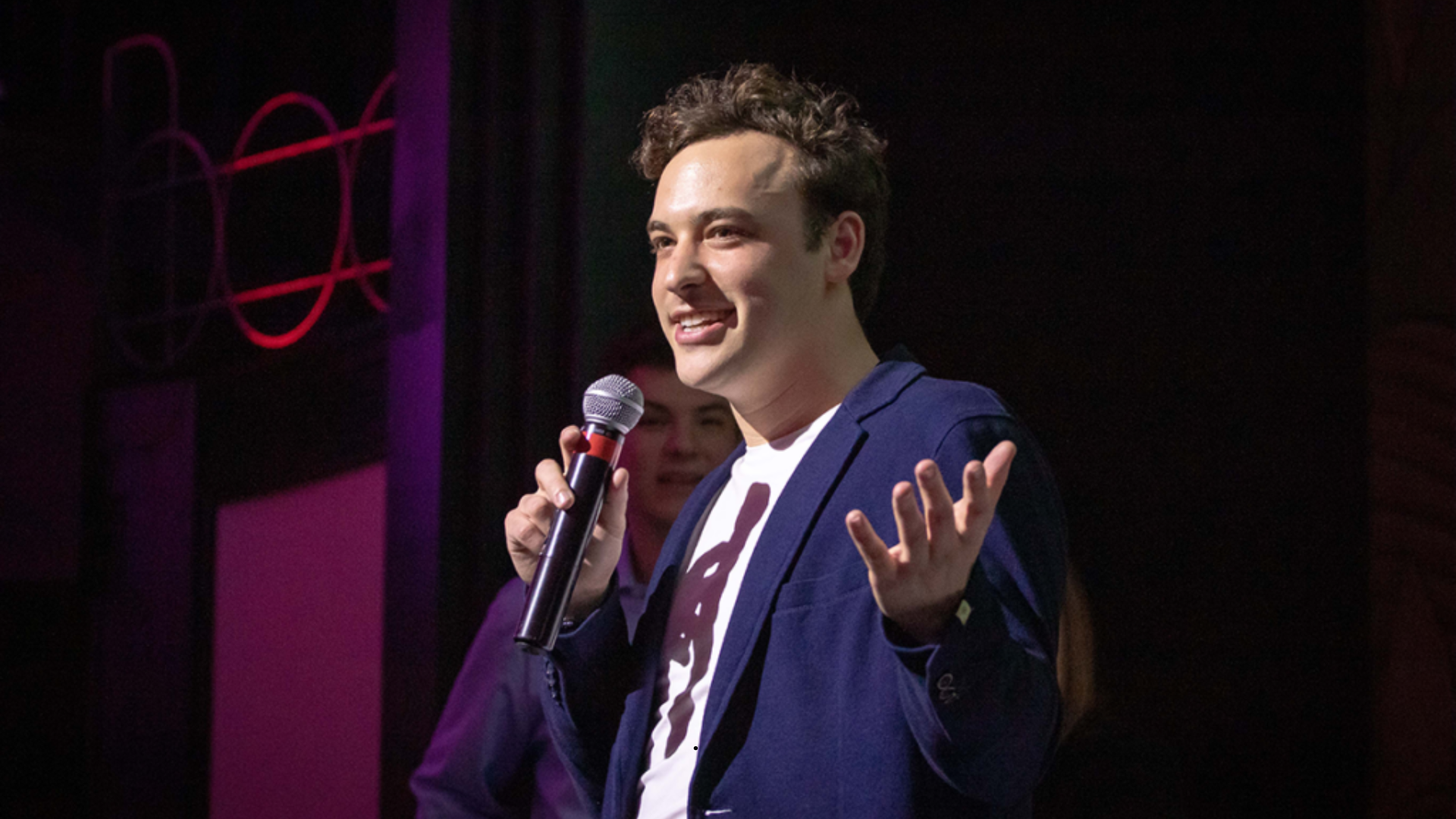
Oliver Silverstein, co-founder of Eleven Holdings, has spent more than a decade watching brands struggle to connect with the digital generation that grew up playing “Call of Duty,” scrolling TikTok, and treating gaming streamers as their primary entertainment. His answer is not another influencer marketplace. It is SoaR Gaming, a 15-year-old gaming brand, now operating as the marketing engine brands hire when they need cultural credibility they cannot manufacture on their own.
“It’s one thing to have a marketing agency or a creative arm, but if you don’t have the brand, if you’re not in the culture itself, it’s very challenging to just talk the talk,” says Oliver, who serves as SoaR Gaming’s Chief Operating Officer. “We live in this space day in, day out.”
SoaR Gaming launched in 2011 as a fan-facing content brand, sharing a similar origin story to FaZe Clan and OpTic Gaming: trickshotting videos, “Call of Duty” montages, and a community built around competitive gaming. By the time Oliver and his partners acquired the brand in 2019 through Eleven Holdings, SoaR had more than two million followers across social channels and precisely zero commercial infrastructure behind them.
“When we acquired it, it was really just a fan-facing brand,” Oliver says. “There was no commercialized unit to the business.”
What followed was a multi-year pivot. SoaR functions today as a brand marketing and creative agency powered by its own IP, with past partners including Royal Bank of Canada, Wendy’s, Coca-Cola, DoorDash, and others. The company recently crossed one million YouTube subscribers, a milestone that arrived alongside a sharper brand identity and a more deliberate commercial strategy.
A Fan Brand Becomes a Marketing Engine
The transition from consumer brand to creative agency did not happen cleanly. In the years after the acquisition, Oliver says the team experimented broadly, cycling through esports titles, competitive teams, and multiple content verticals in search of what worked. None of it produced consistent results.
The breakthrough came from stepping back rather than forward. Over the past 24 months, SoaR refocused almost entirely on “Call of Duty” nostalgia content, the category that made the brand in the first place. Oliver says the brand’s social media channels now generate tens of millions of views per month from a brand-owned property, a scale he describes as unusual relative to other North American gaming-led brands.
“It was a long road getting back to maybe where we were when we first originated,” he says. “But understanding that this is the content that made us who we are, and giving back to the fans with that same focus on nostalgic ‘Call of Duty’ clips, is really what’s propelled this growth.”
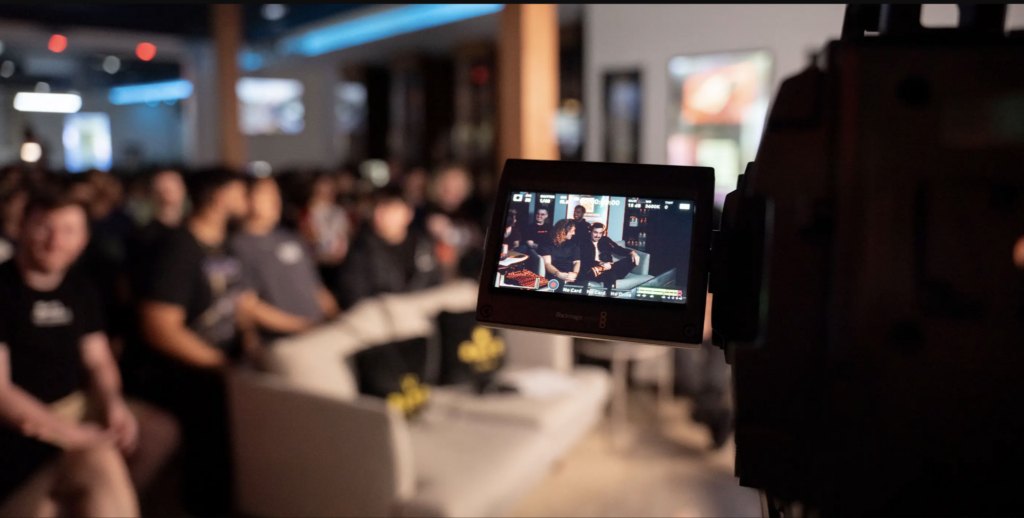
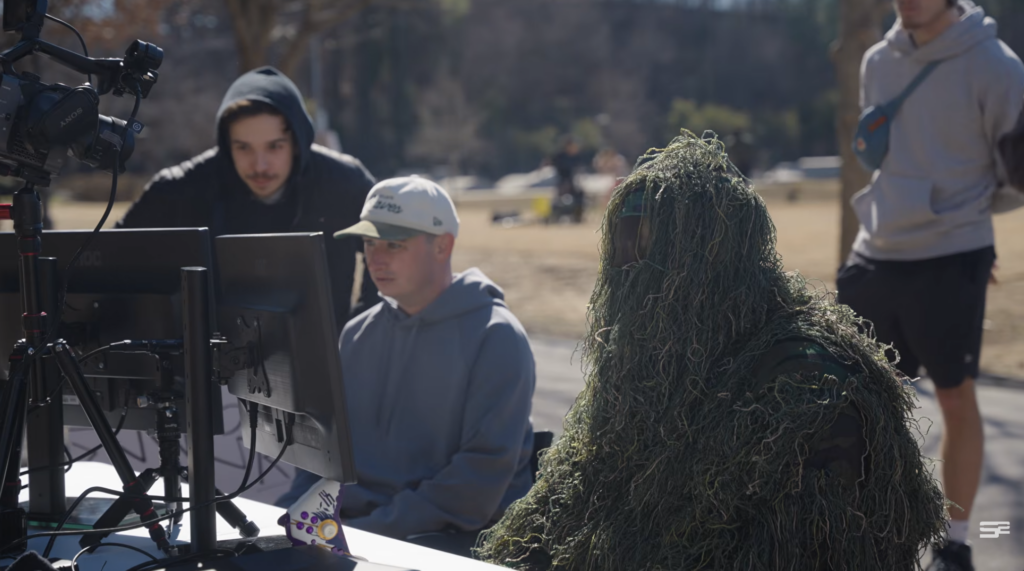
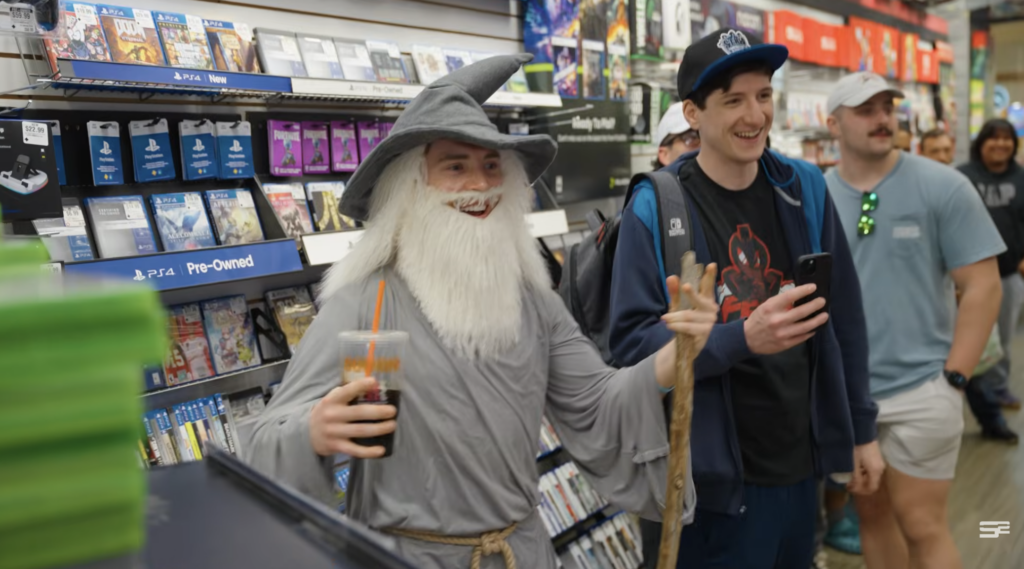
The “1v1me” series on YouTube captures that logic in miniature. SoaR sets up console stations in public locations, including a recent activation at a GameStop in Atlanta, and invites passersby to challenge one of the brand’s creators to a live “Call of Duty” match. The format generates content organically, draws foot traffic, and signals to brand partners what SoaR’s audience looks like when genuinely engaged.
Why Brands Still Treat Gaming Like a Niche
Despite gaming’s scale, a gap between audience size and advertiser spend remains. Oliver does not attribute that gap to ignorance so much as institutional risk aversion.
“A lot of marketers that control brand dollars didn’t grow up in this space,” he says. “They’re not going to lose their job if they spend that money on paid platforms. They are going to lose their job if they spend millions of dollars on social media and it doesn’t work.”
The result is that gaming-native properties like SoaR still compete for dollars out of emerging media budgets rather than core media plans, even when audience figures rival traditional digital channels. Oliver believes that is changing as a younger generation of marketing decision-makers moves into budget authority.
The 2018 moment when streamer Ninja played “Fortnite” live with Drake and Travis Scott remains a marker Oliver returns to. “I remember watching it in bed,” he says. “I was like, ‘This is gaming, it’s here. That stigma no longer exists.’”
For non-gaming brands, professional hockey player Zach Hyman’s co-ownership of SoaR has also served as a credibility accelerant with Canadian clients specifically. “It’s just a different level of trust when you’re working with a professional athlete who has associated his brand with our business,” he says.
Solving the Skip Button
The practical challenge for any brand working in gaming and streaming is attention. Gen Z audiences skip pre-roll ads reflexively. Intrusive overlays generate resentment. The creative brief that arrives at SoaR typically carries this constraint embedded, even when it isn’t stated directly.
Oliver describes the company’s approach as sequencing brand messages to coincide with moments when the audience is most likely to welcome them. On the technology side, SoaR exclusively licenses a live streaming ad tool that uses AI vision to detect key gameplay moments and surface brand content at precisely those peaks.
“When a goal is scored, the sports drink comes on screen,” he says, describing an upcoming hydration brand campaign. “It fits with the messaging and the hype around the audience when key moments are happening, versus ‘get this thing out of here.'”
The Wendy’s campaign illustrated the same principle in a different format. Working on a two-week execution timeline, SoaR filmed university students answering trivia questions in exchange for free Wendy’s breakfast, promoting the chain’s Canadian morning offerings. The content was cut into short-form clips, distributed across platforms, and amplified with paid spend.
“It’s always: what’s an idea that our audience is going to get behind?” Oliver says. “If that hits, we’re going to be able to check all the boxes with the partner.”
Dropping the Managed Roster
When Eleven Holdings acquired SoaR in 2019, the brand managed more than 100 creators on an exclusive roster. That model is gone.
Oliver says the company discovered it was losing pitches because it couldn’t match the specific creator profile a brand wanted, regardless of roster size. The answer was to stop trying to own the inventory and start acting as the creative and strategic layer instead.
“A brand, if they can say, ‘We want the biggest and best influencer in food and lifestyle in Canada or Germany,’ we’ll be able to pinpoint who that influencer is and work with that agency to deliver a campaign,” he says.
The shift required building relationships across the talent representation spectrum, from large agencies down to individual creator deals. Oliver is candid that managing creator relationships at any level carries friction. “Working with influencers is not an easy job,” he says. “Sometimes agents are the most incredible help, and other times they make the job a little bit harder for everyone.”
What Comes Next
SoaR’s immediate priority is consolidating what it has built in gaming before moving aggressively into adjacent verticals. Oliver describes sports, lifestyle, and music as natural extensions of the brand’s existing cultural footprint, pointing to the organic overlap between professional athletes, gamers, and lifestyle creators.
“Gaming, lifestyle, music, food, it’s one of the same,” he says. “We have a lot of brands and partners coming to us looking for exposure not just in gaming but in sports, in lifestyle, in food.”
The expansion model follows what Oliver describes internally as a snowball effect. A single brand relationship in a new vertical provides the credibility to pursue the next one. What SoaR is not trying to do is manufacture cultural authority for categories it doesn’t inhabit. Oliver is direct about the limits of creative claims without audience proof.
“Creating awesome content that people care about, and then helping major brands into this space,” he says, “that’s what gets everyone really excited at the end of the day.”
Subscribe to Our Newsletter
Check Out Our Podcast