





Agency
HYDP’s Transparent Vision: How Thomas Markland Plans To Rebuild Trust In Creator Marketing

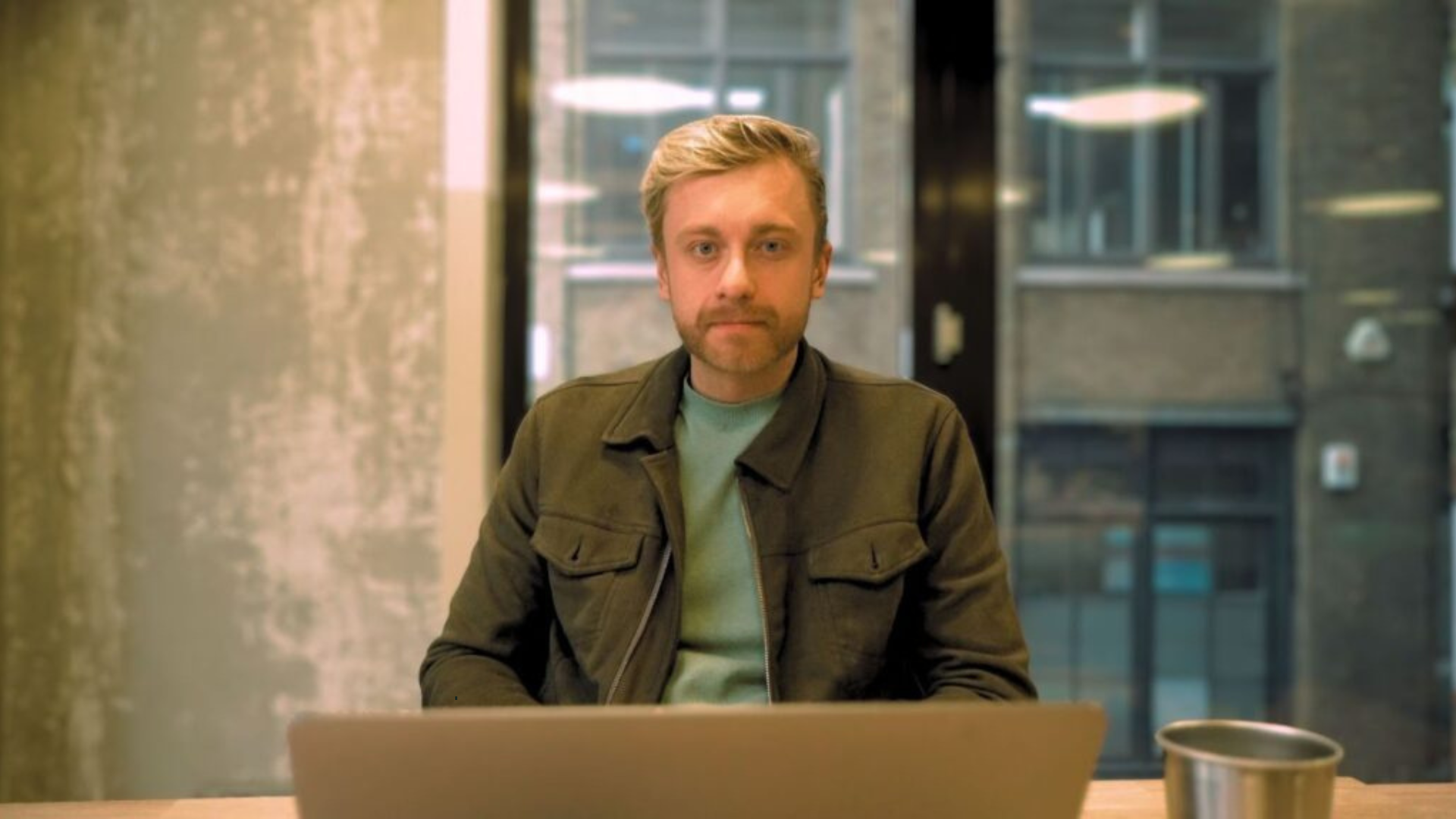
When Thomas Markland launched HYDP in 2022, the influencer marketing industry was in what he describes as a credibility crisis. Agencies were scaling fast, but struggling to justify their fees. Brands were paying inflated rates for social posts that often failed to deliver returns.
“A lot of agencies were making money on both sides of the coin,” Thomas says. “They were making money on the talent, but they were also making money from the client.”
Thomas saw an opening. Drawing on a career that spanned agencies such as Cubaka, Atomic London, and Ingenuity Group, he set out to build a business that would restore transparency and strategy to a field he felt had lost both. HYDP, described by the London-based company as a “creator economy company” rather than an influencer agency, was founded on what Thomas calls a principle of “radical truth and transparency,” inspired by investor Ray Dalio’s book “Principles.”
Identifying a Broken System
Before founding HYDP, Thomas had spent years watching how influencer marketing matured and where it faltered. He recalls hiring senior talent from influencer agencies only to discover that many lacked the basic skills expected in advertising.
“They didn’t know anything about strategy,” he says. “It was, ‘Let me just find a person who represents this potential audience and I’ll pay them to make something.’”
For Thomas, the problem was structural. Influencer marketing agencies were incentivized to charge as much as possible for each creator deal because their commissions were tied to the creator’s fee. That created a conflict of interest: “If I charge $10,000 for a post and take 50%, that’s better for me than negotiating it down to $5,000,” he explains. “So, agencies were disincentivized to get the client the best deal.”
This approach, he argues, undermined the credibility of the entire sector. Brands that tested influencer marketing and saw weak Return on Investment (ROI) were quick to dismiss it as a fad. “It’s still damaging to this day,” Thomas says. “Those same agencies are inflating prices and expectations. It makes it harder for brands and for those of us trying to be strategic.”
A Company Built on Transparency
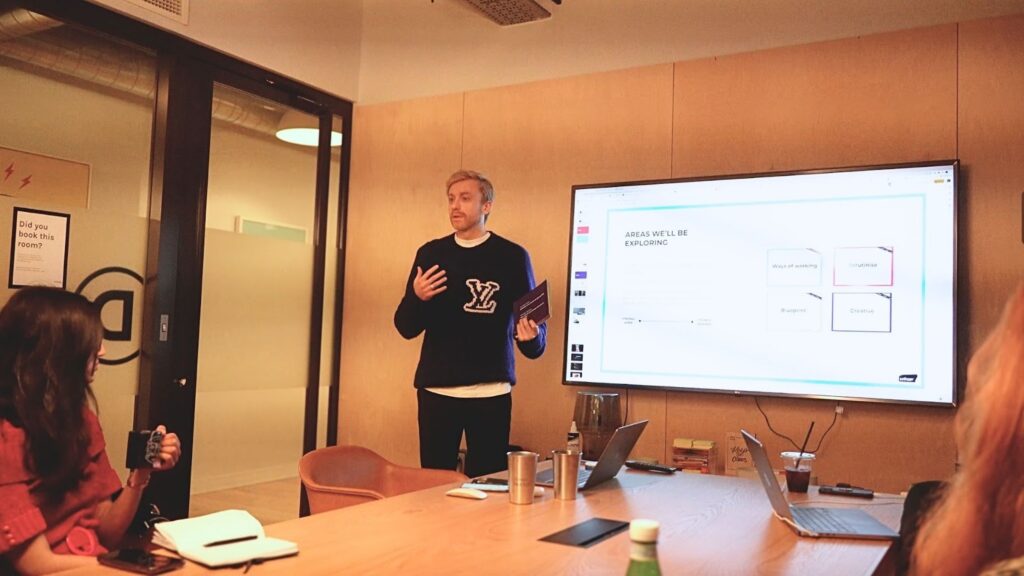
HYDP’s model is designed to eliminate the aforementioned conflicts. Rather than taking a percentage from talent fees, the company operates on a retainer basis. Clients pay for HYDP’s time, strategy, and execution, not for markups on creator contracts.
“Our clients can go in and see the contracts we sign with creators, the amount we pay them; they can see absolutely everything,” Thomas says.
The agency’s creator programs, which include long-term partnerships involving hundreds of creators, form the foundation of its business. HYDP has worked with Amazon, Mercedes, NordVPN, and PrettyLittleThing, among others, running global initiatives that blend content creation, insights, and continuous collaboration.
“We view creators as more than just a billboard,” Thomas explains. “They’re the future of advertising, media, and commerce.”
That philosophy informs HYDP’s approach to every campaign. Instead of treating influencer work as a one-off transaction, the company embeds creators into a brand’s ongoing marketing mix. “We bring on board lots of creators and motivate them consistently to work with brands unlike anyone else,” he says. “Most agencies work on a very sporadic, deal-by-deal basis.”
The AI Shift
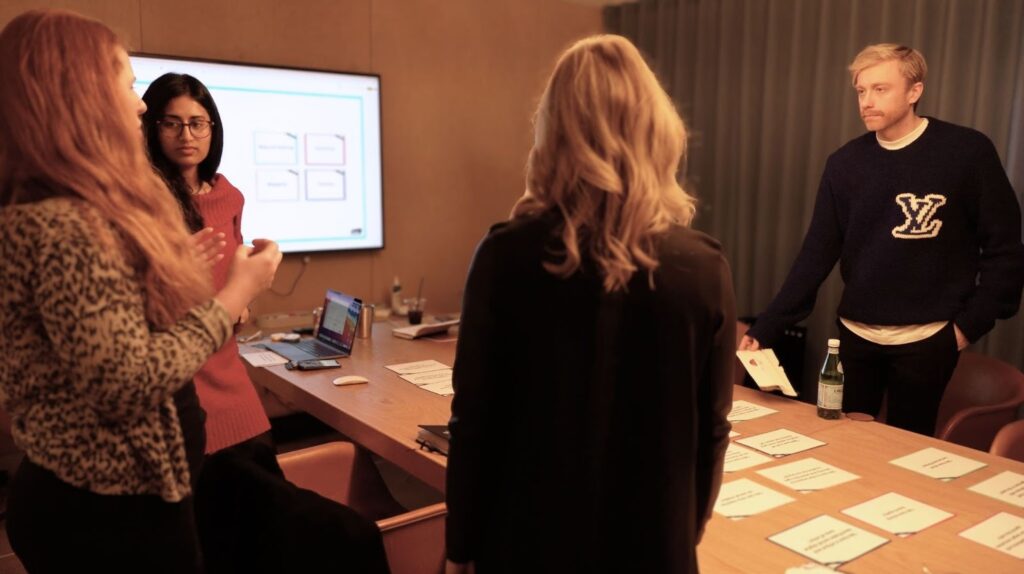
Three years in, HYDP is entering a new phase. The company has begun rolling out a proprietary AI platform that analyzes vast volumes of creator content to understand what works and why.
“Most people are still looking at vanity metrics like views and demographics,” Thomas says. “We’re analyzing every facet of the content from the visual to the audio to the conversion metrics, and using AI to predict performance.”
With clients producing hundreds of videos each month, HYDP’s system processes data at scale to identify patterns that drive engagement and sales. The platform can even search for creators who fit precise creative and contextual parameters, such as those who “wear white T-shirts in outdoor videos with a specific audience size.”
For Thomas, AI is a tool for clarity, not a marketing gimmick. “A lot of people are just reskinning large language models and calling them AI,” he says. “We spent a year building a proprietary system because we wanted something that actually improves performance.”
Yet he’s wary of the industry’s fixation on buzzwords. “The output of all this is still the same: great content and measurable ROI,” he says. “We can’t get distracted by shiny language.”
From London to New York
Thomas describes HYDP’s growth as steady but deliberate. After establishing its UK presence, the company expanded to New York in 2023, tripling its revenue in the following year. The move has not been without its challenges, chief among them, pronunciation. “A lot of people in the U.S. say H-Y-D-P, letter by letter,” Thomas laughs. “We’re actually rebranding because of that confusion.”
The rebrand, expected to launch alongside a capital raise in early 2026, marks the company’s formal shift from a service-led model to one combining consultancy and technology. As Thomas shares, HYDP is in discussions with venture capital firms and angel investors for its first seed round, which will support further development of its AI platform and international expansion.
“Within technology, things are far more expensive than paying someone to sit on a seat,” he notes. “So my focus right now is finding ways to bring in capital and allocate it wisely.”
Redefining Value in the Creator Economy
As AI reshapes media and entertainment, HYDP’s focus on transparency and data-driven insight positions it uniquely among creator economy companies. But for Thomas, the most significant change ahead may not be technological; it’s structural.
He predicts that as younger audiences shift their viewing habits and creators gain more control over their media properties, the balance of power between creators and brands will change dramatically.
“If creators hold the power of media and all the attention, brands lose that direct connection with audiences,” he says. “Then you’re not doing a media buy with one company. You’re negotiating with hundreds of individuals.”
That shift could also redefine what it means to be a brand. “If I’m a creator and I have the best show in the world, why would I advertise another company’s product when I can sell my own?” Thomas says. “Creators could become the biggest brands of tomorrow.”
What’s Working and What’s Not
In the short term, HYDP is focused on where it sees clear returns for brands. “We’ve found a lot of success with in-person events,” Thomas says. “Instead of just inviting creators to post Instagram stories, we build studios in hotels and film content with them on-site. That gives us hundreds of assets and much higher ROI.”
The company’s data also suggests that creators-at-scale programs (always-on campaigns involving large groups of creators) are outperforming traditional, one-off partnerships. “The media landscape is changing faster than expected,” Thomas says. “Linear TV and other platforms are declining at a rate that even we didn’t predict. Brands need consistent, continuous creator engagement to stay visible.”
But he’s quick to acknowledge the pitfalls. Overly scripted brand collaborations, he says, remain a persistent problem. “Creators can be nervous about pushing boundaries, and brands can be too strict,” he explains. “You end up with something safe but forgettable. The best results come when both sides collaborate and trust each other.”
The Human Connection in an AI World
As AI-generated content floods social media, Thomas sees creators as the last bastion of human connection. “Six months ago, there were takeaways using fake images of celebrities to sell kebabs,” he says. “If you know a creator personally and see their face, you trust that they’re real.”
He worries, however, about how deepfakes and synthetic media could distort trust and public discourse. “If I can get half a million people to create a fake video saying someone’s running for president, what’s the impact on society?” he asks. “Data protection and IP (Intellectual Property) protection for everyone are going to be critical.”
For now, Thomas’s focus is practical: stabilizing HYDP’s technology, expanding its footprint, and positioning the company as a credible hybrid of consultancy and tech provider. “It’s been three and a half years, and we’ve got an office in New York and a growing team,” he says. “That’s cool.”
But his ambitions stretch further. “Success for me is building something that’s scalable and respected; being seen as the consultancy and next step of the creator economy,” he says. “We’re far away from that right now, but that’s where we want to get to.”
All images are credited to HYDP.
Subscribe to Our Newsletter
Check Out Our Podcast