






Tech
Scoop’s Vivian Gomez on Why Influencer Marketing Needs a New Operating System

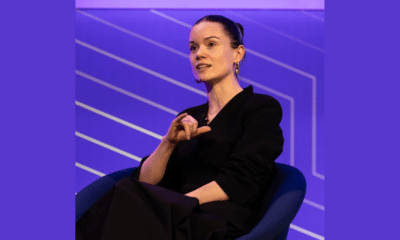
Vivian Gomez spent 14 years scaling consumer technology & SaaS platforms before he looked at Influencer Marketing and realized that the industry hadn’t built an operating system for itself. “My assessment of most platforms is that they’re databases plugged with a CRM,” Vivian says. “In today’s day and age, I think that doesn’t cut it.”
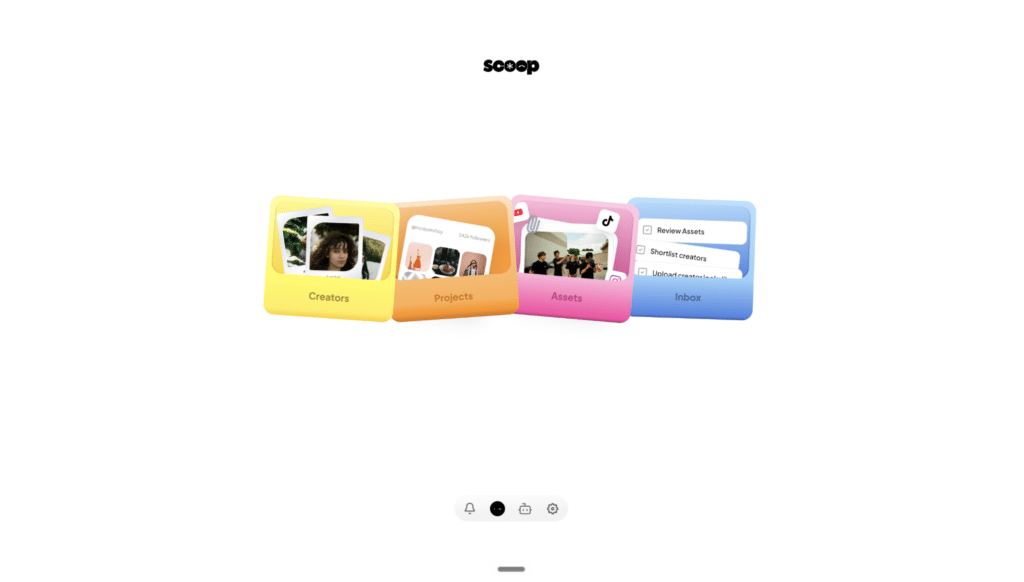
His answer is Scoop, an agentic AI platform he co-founded in 2025 and launched in June 2026. Based in the San Francisco Bay Area, the company is built on the premise that Influencer Marketing software has largely digitized existing workflows rather than fundamentally changing how brand and agency teams should be operating. Before Scoop, Vivian led product and growth roles at several consumer technology firms, most recently Truecaller, a call identification platform with over 500 million monthly active users. There, he scaled the enterprise business from zero to $30 million in annual recurring revenue.
His co-founders include Joby Joseph, who helped build Truecaller’s advertising platform before leading the development of multi-agent AI systems at AISquare, and Abid Aboobaker, the former Head of Product and Design at ZestMoney. Their shared read on the category: Influencer Marketing’s operational layer had never been seriously rethought, and fixing it was a defensible infrastructure play.
The Database That Didn’t Change
When Vivian began researching the space, he tested most major platforms through a network of direct-to-consumer founders. His conclusion was specific.
Discovery platforms typically offer 18 to 20 filters, he says, while charging separately to unlock creator profiles and contact details, creating cost friction before outreach begins. Once a shortlist is assembled, the standard process remains largely manual: managers spend roughly fifteen minutes reviewing each creator’s content. Even after that vetting, he says, approximately 80% of creator recommendations are rejected in brand-agency shortlist reviews because the supporting rationale isn’t strong enough to carry the review.
“A workflow built around a suboptimal set of conditions you lived in for the last decade doesn’t mean you have to replicate that workflow into a new world,” Vivian says.
Most incumbents, he argues, share a structural limitation: they codified existing processes into software, meaning the tools replicate what agencies were already doing rather than rethinking the problem. “The biggest advantage to being an outsider,” Vivian says, “is that you don’t have to conform to what’s already there.”
From Filters to Instructions
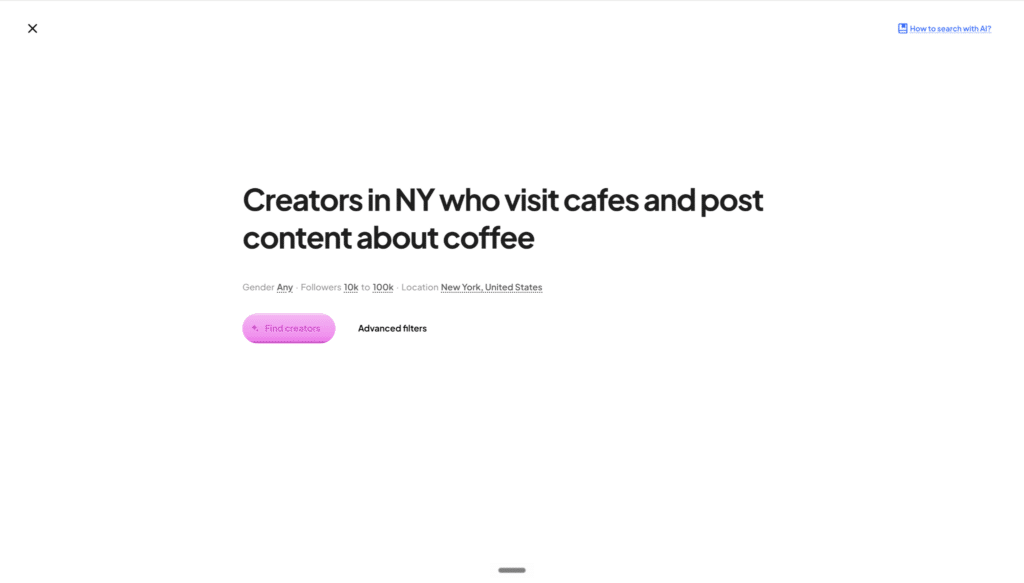
Scoop’s creator discovery is driven by natural-language instructions. A brand running a campaign for a curly-hair product can search for creators who visibly have curly hair and are into self-care to receive a shortlist assembled by an agent that matches creators based on actual content relevance.
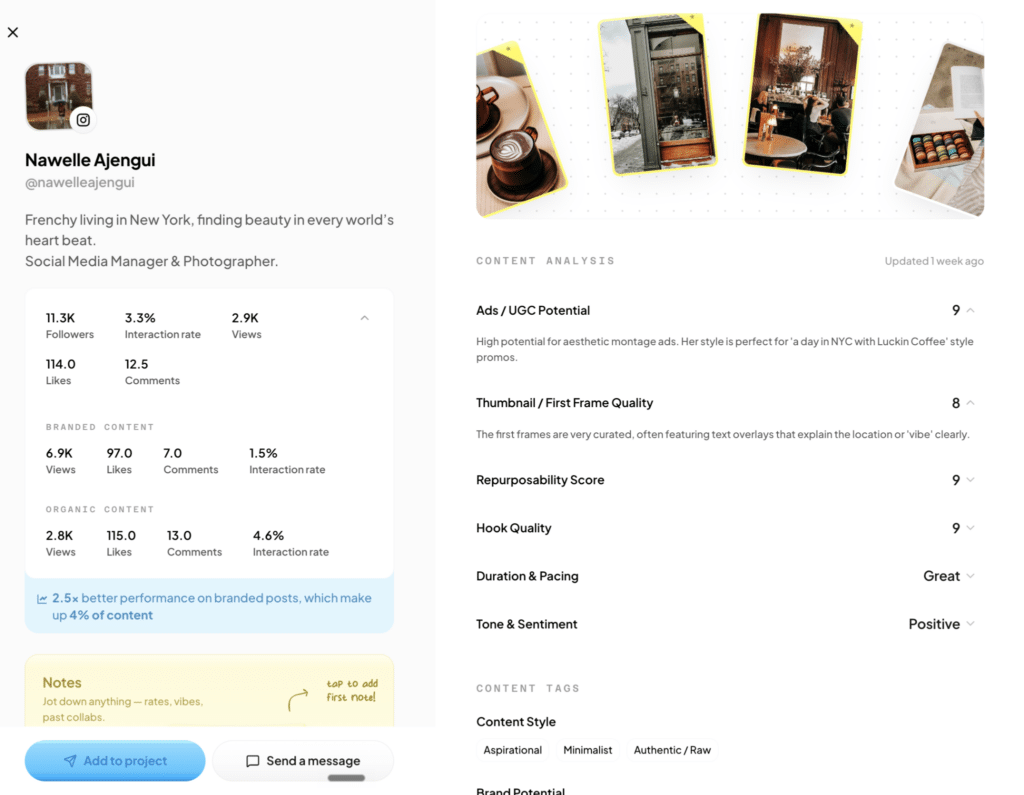
“You can instruct an agent to vet the profile for specific traits by looking at the content,” Vivian says. “Evaluate what a fit is with just instructions that you feed in. The agent even compares branded and organic post performance so you have all the information you need for quick decisions.”
Outreach operates on the same principle. Rather than cycling through email templates, agents initiate personalized contact informed by what they’ve already found in a creator’s recent content. A baby care brand on the platform uses agents to track when a creator announces a pregnancy, times contact around milestones, and triggers outreach when a first post welcoming a newborn appears.
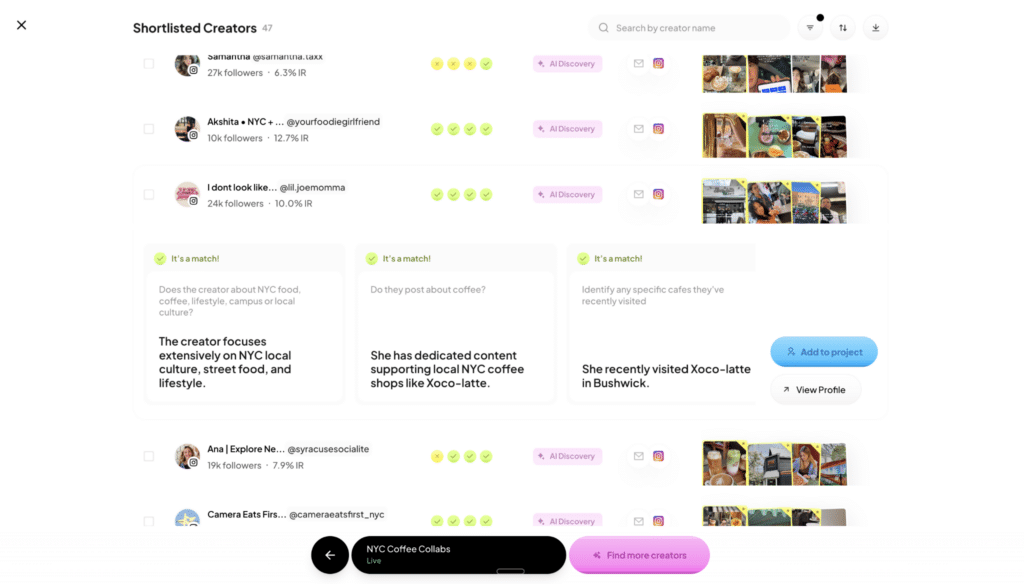
For agencies, shortlists shift from spreadsheets to annotated reports. Rather than a list of handles, brands receive context explaining why each creator was selected, including specifics like which cafes a creator has visited in the past 30 days. When an agency delivers a more refined shortlist and the brand has budgets in place, Vivian argues, “it probably locks in an additional three months of campaign budget.”
Content delivery flows through a collaboration link issued to each confirmed creator, bundling campaign briefs and specifications. An AI agent evaluates raw content against those requirements before edits are applied, flagging omissions in real time. A sunscreen brand working with 50 fitness creators can verify, before a formal review round, whether each piece of content has mentioned a required SPF specification.
The platform applies a confidence threshold to determine when agents act autonomously and when they route to a human. Decisions above 90% confidence can run without manual sign-off; below that, the system flags for review. “AI is probabilistic, not deterministic,” Vivian notes. “The accuracy levels are something you need to be conscious about.”
Why Follower Data Is the Wrong Lens
Vivian has a sharper critique of the data most influencer teams use to make creator decisions. Audience interest data, collected when social content was distributed primarily to a creator’s existing followers, no longer reflects how platforms propagate content.
“On Instagram or TikTok, if you post a piece of content, nearly 85% of viewers are not your followers,” he says. “This past data that everybody is still selling and every influencer marketer is hooked to is the biggest fallacy.”
The shift follows platform economics, he argues: social platforms earn most of their revenue from advertising, and their content distribution has moved to mirror ad algorithms, which have broadly removed fine-grained demographic targeting. “I have friends leading ads functions at Meta who tell me they themselves have no clue who is going to be shown a particular piece of content,” Vivian says.
Attribution models face the same limitation. Fewer than 10% of people who engage with a creator’s content convert through a tracked link, in Vivian’s estimate, which means standard affiliate attribution captures only a fraction of the purchasing behavior creator content drives. “No marketing platform is going to tell you the truth ever,” he says. “That’s the bottom line.”
The Siloed Team Won’t Survive
The change Vivian is building toward isn’t only about running campaigns faster. He expects the organizational structure around Influencer Marketing to shift as creator content integrates more deeply into paid digital advertising and ecommerce at scale.
“The concept of a siloed Influencer Marketing team is going to be extinct,” he says. According to him, creator content already feeds into Partnership Ads, ecommerce platform feeds, and programmatic creative testing. Scoop is developing integrations with clients’ digital advertising pipelines so that signals from paid campaigns can inform creator selection for organic programs, and vice versa.
The strategic implication, in Vivian’s view: influencer teams should be arguing for a share of performance marketing budgets rather than defending a separate cost center. “A good Influencer Marketing leader should be asking their CMO or CFO for a percentage of the performance budget and working with their performance marketing lead to zone in and crack this problem together,” he says. “But not many Influencer Marketing leaders are asking that question yet.”
A Function, Not a Department
Vivian frames Scoop’s ambition around category trajectory rather than revenue milestones. Influencer Marketing is growing at roughly 40% year-over-year, he says, versus approximately 8-9% for digital advertising overall, and he expects the channel to reach 20% of the total digital marketing mix over the next decade. He does not think that projection holds if the operational infrastructure does not change.
“For creator marketing to reach 20% of the overall digital marketing mix, it’s not going to happen on the backs of existing systems,” Vivian says. “Every existing system either needs to get replaced or evolve very quickly.”
Scoop launched publicly last month, bootstrapped on a small friends and family round. Vivian shares that early customer reactions are strong, with a partnership in place with former WPP leaders in Southeast Asia and early conversations underway in Latin America.
Vivian is unambiguous about what he is building against.
“Disruption and change do not happen by sticking to what’s already known,” he says. “You have to try out new things.”
Subscribe to Our Newsletter
Check Out Our Podcast