






Technology
How Motom Enables Brands To Control Their Creator Commerce Data

The path from social media discovery to purchase is broken, creating frustration for shoppers, attribution issues for creators, and data blindness for brands, according to Wendy Wildfeuer, an industry veteran with over 30 years of experience leading marketing, monetization, and development for iconic teen brands dELiA*s, Alloy, Gossip Girl, along with the earliest YouTube influencer networks, in addition to having launched NBCU’s first original digital IP production deal for brands with Broadway Video, creators of SNL.
“The journey from discovery on social media to getting a customer to your site to purchase is really challenging,” she says. This problem is compounded by inconsistent creator compensation models and third-party platforms that withhold valuable performance data from brands.
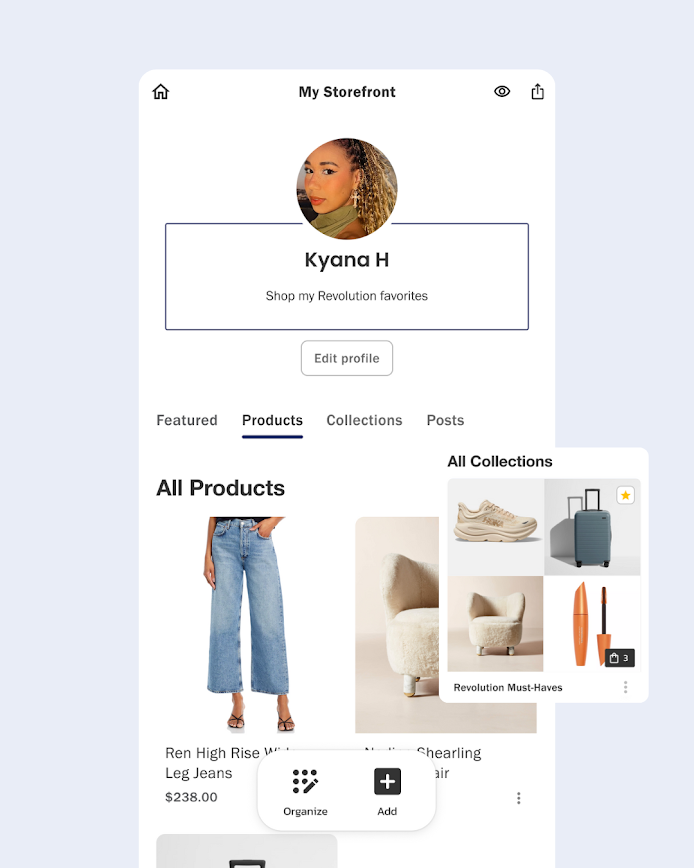
To address this unsustainable dynamic in creator commerce, Wendy, along with her co-founders, Matt Diamond and Tim Trevath, created Motom’s white-label social commerce solution, Anchor. The platform connects creators directly with brands through customized storefronts that preserve brand integrity and provide detailed performance data to both parties.
“There is no creator economy without the money that funds the economy, and that is coming from the brands,” says Wendy. “Our point of view has always been that all brands and retailers, in addition to being in the places and spaces where people are shopping, should also take control of their customer journey.”
Founded in 2019, the NYC-based company serves mid-to-large retailers and brands that seek to build direct relationships with creators while maintaining control over their e-commerce systems. Current clients include major retailers like Macy’s, Chewy, and American Eagle.
Transparency and Direct Relationships
After extensive beta testing with retailers and thousands of creators, Motom developed Anchor to facilitate direct brand-creator relationships through a white-label technology solution. The platform balances brand control with creator empowerment through data transparency.
“We spent a few years beta testing with a handful of retailers and key creators to get an experience that creators like and will use,” Wendy says. “The biggest challenge that brands and retailers have is getting creators to engage with them. And if the creator experience is not easy, intuitive, fun, and beneficial to the creators, they’re not going to use it regardless of the brand.”
The Anchor platform differs from typical social commerce solutions, which primarily focus on creator discovery and affiliate link generation. Instead, Motom built a complete system that serves the needs of all parties while maintaining each brand’s unique identity and shopping experience.
“For brands and retailers, the shopping environment must reflect the same quality and consistency as their own e-commerce site for a seamless approach. If it is clunky and doesn’t feel on brand, shoppers will simply take their business elsewhere,” Wendy emphasizes. This insight drove Motom to ensure that creator storefronts maintain the look, feel, and navigation of the brand’s main e-commerce presence.
A Three-Sided Marketplace
Anchor establishes a connection between shoppers, creators, and brands through an integrated system that benefits each stakeholder in different ways.
When consumers discover products through creator content on platforms like Instagram or TikTok, they can click through to a brand-hosted storefront curated by that specific creator. Unlike third-party marketplaces where competing products might appear, these storefronts maintain brand exclusivity while showcasing the creator’s personal selections and content.
“Shoppers see content from creators they follow, click through to a personalized storefront, and can shop collections, view tagged products, and complete purchases all within an environment that feels like the brand’s main site,” Wendy explains, adding that this streamlined journey increases conversion by reducing friction between discovery and purchase.
For creators, Anchor provides a dedicated portal where they can curate personalized storefronts, create collections, track performance, and communicate directly with brand partners. “Creators can see their earnings, storefront performance summary, and generate short links for specific products to embed in stories or other content,” Wendy explains. The platform handles all creator payouts, simplifying the financial aspect of creator partnerships.
Most importantly, creators gain unprecedented visibility into their sales impact. “The creator can see the traffic source for their views, clicks, sales, and sales value,” Wendy notes. “Maybe their content engagement is coming from TikTok, but their sales are coming from Instagram.”
For brands, Anchor offers a detailed dashboard with full visibility into creator performance, direct messaging capabilities, customizable application forms for creator recruitment, and specific analytics on sales attribution. The platform uses affiliate technology as a neutral third-party witness to track sales attribution, ensuring objective performance measurement.
“We use affiliate technology as the third-party witness to what sales have occurred,” Wendy explains. “It’s imperfect, but better in our view than implementing our own code on our client sites,” which could create conflicts of interest in attribution reporting.
Current State of Social Commerce
The social commerce market is changing, with Wendy citing e-marketers’ growth projections of $1 trillion by 2028. Platforms like TikTok Shop have accelerated this trend, but Wendy identifies key limitations in relying solely on third-party marketplaces.
“It does not help a brand if TikTok is selling through products and they are not getting access to that first-party data. That actually puts the brand in a very dangerous position,” she warns. Amid the third-party platform takeover, brands risk losing direct customer relationships and the valuable data that comes with them.

This perspective on data ownership resonates with major retailers, as evidenced by Motom’s growing client roster. Beyond the technology, Motom also provides support through an agency division focused on creator recruitment, onboarding, and community management.
She notes that the industry is also witnessing a shift toward more balanced compensation models for creators: “Brands and retailers are realizing they can connect branded content with lower-funnel performance. What we’re seeing is a hybrid model emerge. Creators should still be paid for producing branded content, but now they can also generate revenue through affiliate. The mix is leveling out, giving creators both guaranteed income and performance upside.”
Brand-Creator Relationships
Looking ahead, Motom continues expanding Anchor’s capabilities beyond basic storefront creation. The company is developing additional workflow components and exploring integration with retail media and co-op advertising.
“We are constantly developing. We have a lot of new features coming up,” Wendy says. “We are working strategically with affiliate networks. We have a big announcement with a very large retailer that will be launching their platform soon.”
For Motom, the future of social commerce centers on empowering both brands and creators with the tools and transparency they need to build mutually beneficial relationships.
“Our view was to create technology that allows the brand or retailer and the creators to interface directly, with full transparency to both brands and creators, and properly attribute sales and purchase intent,” Wendy summarizes.
Subscribe to Our Newsletter
Check Out Our Podcast