




Talent Collectives
Global Brands Are Comparing Notes to Solve Influencer Marketing’s Toughest Problems

Kerry Meakins spent four years running marketing at one of the UK’s leading influencer agencies. The questions she kept hearing from brand clients, around measurement, creator pricing, and what comparable companies were doing, were the ones no agency briefing could fully answer. The Global Influencer Council was established for those conversations.
Kerry, a London-based marketing executive serving as Director of the Global Influencer Council and Marketing Director at PMG, a global independent marketing services and technology company, has run the body alongside founder Jennifer Quigley-Jones since its launch, giving senior brand marketers a peer network built specifically for their function. The membership is brand-only, admitting influencer and marketing leads at global companies through an annual application process and keeping agencies and platforms out of the room.
“There are many old-school memberships or community groups, but there wasn’t really anything specific to influencer,” Kerry says. “From the brand side, they didn’t always seem to have the best advice or examples to turn to for advice, as the industry is so new.”
The brands now joining the Council are the same ones whose questions had come across Kerry’s desk as an agency professional.
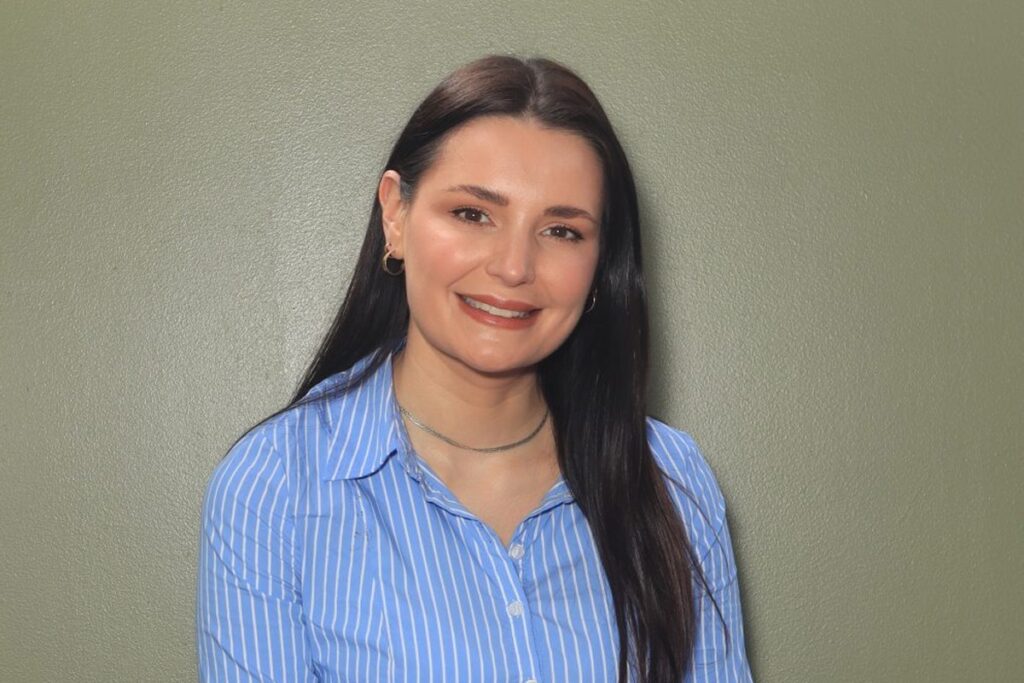
Photo: Kerry Meakins
A Brand-Only Room Changes What Gets Said
The Council launched in 2025 as a brand-side membership built around annual cohorts, quarterly virtual sessions, and in-person gatherings. The conversation that clarified the founding model, Kerry explains, was with an independent industry consultant who credited her career largely to peer networks built over years. The consultant described the compounding return of seeing the same professionals consistently and building the kind of trust that eventually lets people speak honestly about what is actually going wrong.
“We could provide something like this for influencer specialists at brands who come to us,” Kerry recalls. “We could be the people that bring everyone together, keeping as neutral as possible, which has always been the goal of the Council.”
No agencies, no technology platforms, and no vendors attend the quarterly Zoom sessions. That restriction, Kerry argues, is what makes the conversation different. “It’s a very confidential place, which allows brands to be very honest and get actual feedback from each other,” she says. Sessions have included individual brands presenting internal measurement approaches, uses of agentic AI, and senior stakeholder education to the wider group.
Beyond the formal cohort, the Council maintains a broader community of around 60 to 80 people, including applicants who did not make the annual intake. That group stays active on WhatsApp throughout the week, exchanging AI tool recommendations, job leads, and tactical questions.
Who Gets In, and What Their Presence Signals
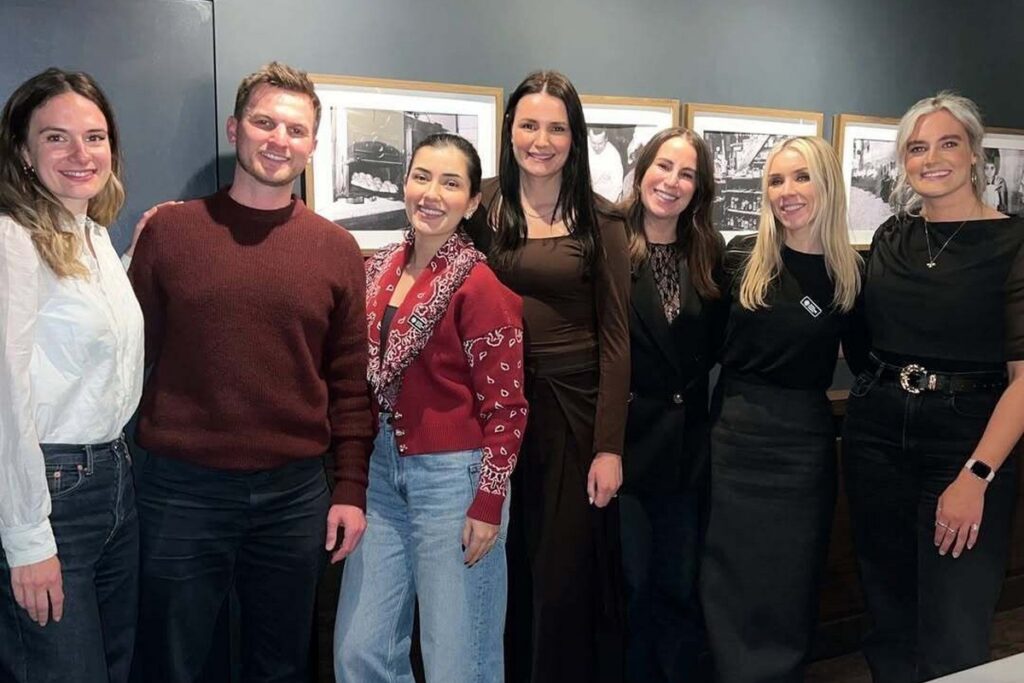
The current cohort spans the United States and Europe, the Middle East and Africa, with members admitted through an open application and interview. Membership is free and runs for one year. The intake is mixed by seniority, pairing director-level executives with more junior influencer leads so learning moves in both directions.
“We wanted to purposely make it multi-leveled so people have the opportunity to learn from each other either up or down,” Kerry says, adding that the dynamic has worked in practice.
The U.S. group includes a senior marketing lead from Unilever, the global head of influencer at Expedia, and Adobe’s global head of social. The EMEA cohort includes representatives from Walt Disney, Unilever, JD Sports, Amazon, and Wix, which Kerry highlights as evidence that B2B brands are becoming active participants in creator marketing conversations. Member brands have included Google, YouTube, DoorDash, Sky, and Bumble.
“I think it says that the industry is still in its infancy in some ways, and there aren’t set standards that people can just follow,” she says. “Every brand and brand size is also operating differently. Even though they’re so advanced in their influencer programs, there are still challenges that exist for each type of brand.”
The Three Challenges That Won’t Resolve
Three topics come up in nearly every Council session. Measurement leads the list, and Kerry says the reason it persists is that companies with different sizes, objectives, and definitions of success cannot share a single framework, and the industry has not produced a common one. “One person’s solution doesn’t always apply to somebody else’s,” she notes.
Scaling is the second recurring problem. Many members have reached the stage where internal leadership is pushing for major expansion of influencer activity without the headcount to manage it. “They’re being asked to invest in a lot more without even the team,” Kerry explains. “Hiring isn’t always possible. If it is, it doesn’t solve the problem.”
The third, and arguably the most time-consuming day-to-day, is managing up. Getting C-suite leadership to understand the channel well enough to support it with resources and strategic standing consumes practitioner energy. On which problem she would eliminate first, Kerry goes straight there. “I’d fix the education part for the senior team,” she says. “Everyone’s so talented. They know what they’re doing. But a lot of their time and resources are being taken up by still pushing and educating upward. Take that away and then we can focus on fixing the actual problems.”
Creator pricing standards and usage rights round out the recurring agenda. Kerry says no industry-wide consensus has emerged on how these should be structured.
How Challenges Move Through the Room
The Council does not operate as a standards body producing binding guidance. What it offers instead is structured peer review. When measurement emerged as the dominant unsolved challenge, Kerry asked the two members who had made the most visible internal progress on it to present their approaches to the wider group. The session opened into a live Q&A where members could test whether each approach would transfer to their own context.
“People could be like, ‘How would this apply to my brand when my goal isn’t sales and my goal is advocacy? How do we change that?'” Kerry says. The group then pooled the resulting insights, and that output feeds into a broader distribution strategy.
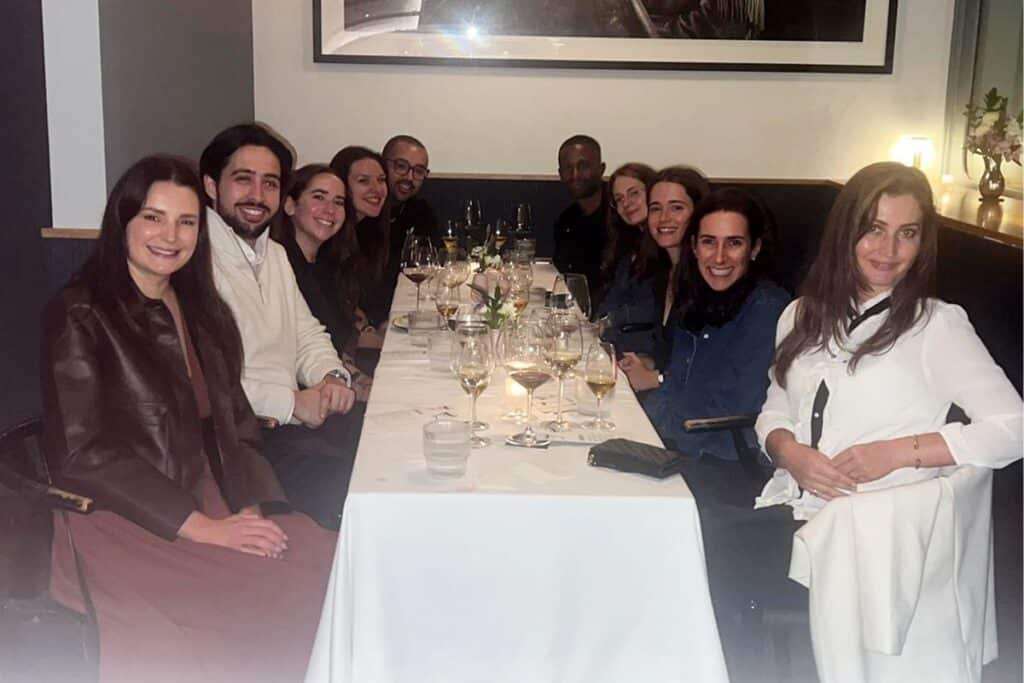
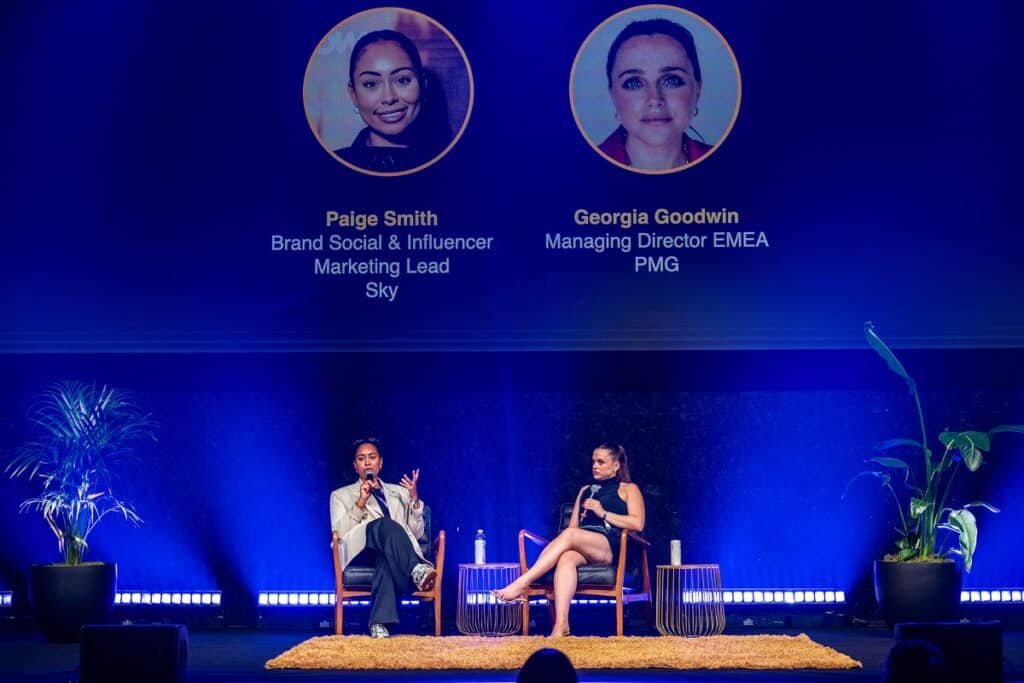
The Council has run a regular editorial slot in Forbes, published a report on scaling and technology, and placed member voices at SXSW and CreatorFest. It held three in-person events in year one, primarily executive dinners structured around open discussion. Kerry describes those events as the most personally rewarding part of the first year. “Getting that face time with these incredible brand leaders, hearing their thoughts and challenges, and knowing that we are putting something together that will help a lot of people where there isn’t necessarily that help at the moment,” she says, is what made the sessions worthwhile.
From Executive Dinners to an Industry Resource
As the Council enters year two, the format is expanding. Kerry is pushing toward public-facing thought leadership panel events that would carry the Council’s insights to a broader industry audience, alongside the private dinners that continue for members. Partnerships with publishers and events are also in development to extend the Council’s reach further.
“Can we make these into more thought leadership panel events?” Kerry says. “I think then we get to demonstrate the Council insights to the wider industry.”
The longer-term goal, Kerry notes, is to build the Council into “a trusted source of advice and inspiration for building industry-leading creator programs” and to use that authority to make the case for influencer as a board-level discipline rather than a campaign function. That ambition connects to a pattern Kerry observes across the membership: as creator marketing spending grows, the pressure to justify it upward grows proportionally, and the practitioners best positioned to resolve that tension are the ones who have already solved it at comparable companies.
“The goal is to champion influence as a serious business strategy and help shape the next generation of CMOs,” Kerry says.
Interested brand marketers specializing in Influencer Marketing can apply here for the next Global Influencer Council prior to September 5, 2027.
Subscribe to Our Newsletter
Check Out Our Podcast