







Agency
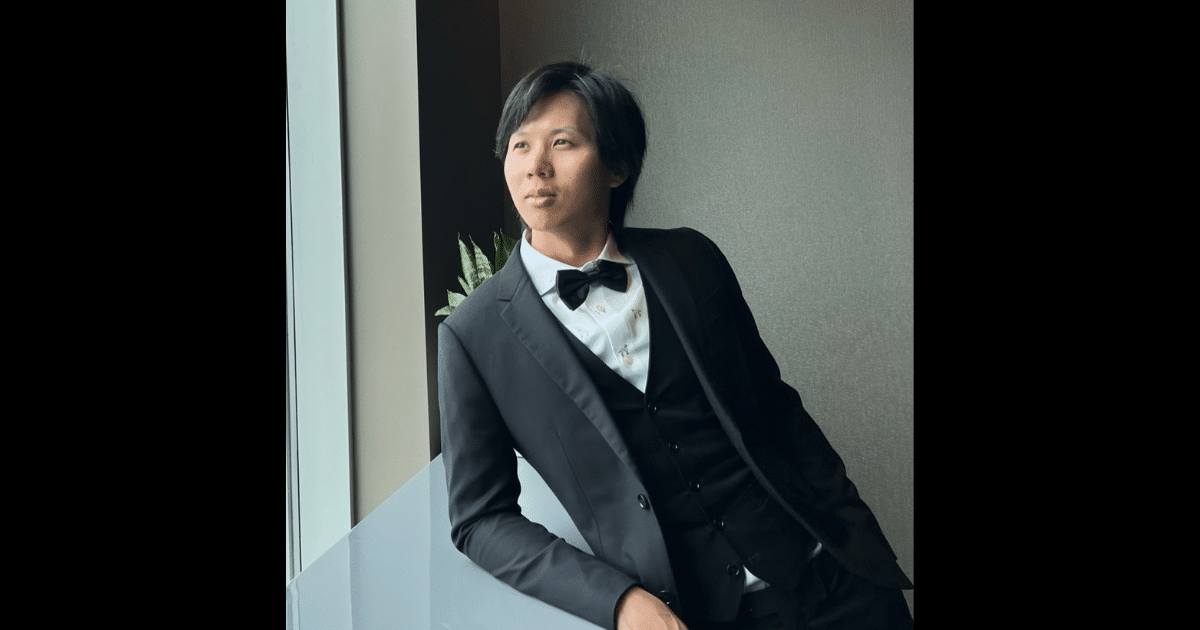
From Followers To Ownership: How Rare Flower’s Zhāo Lewis Liú Is Reframing The Creator Incubator Model

Rare Flower Agency is a Los Angeles-based agency designed to help creators move beyond brand deals and platform payouts toward something more durable: businesses they control. Founded in 2020, the company produces video content, manages marketing strategy, and selectively works with creators through an incubator model that prioritizes product ownership over sponsorship volume.
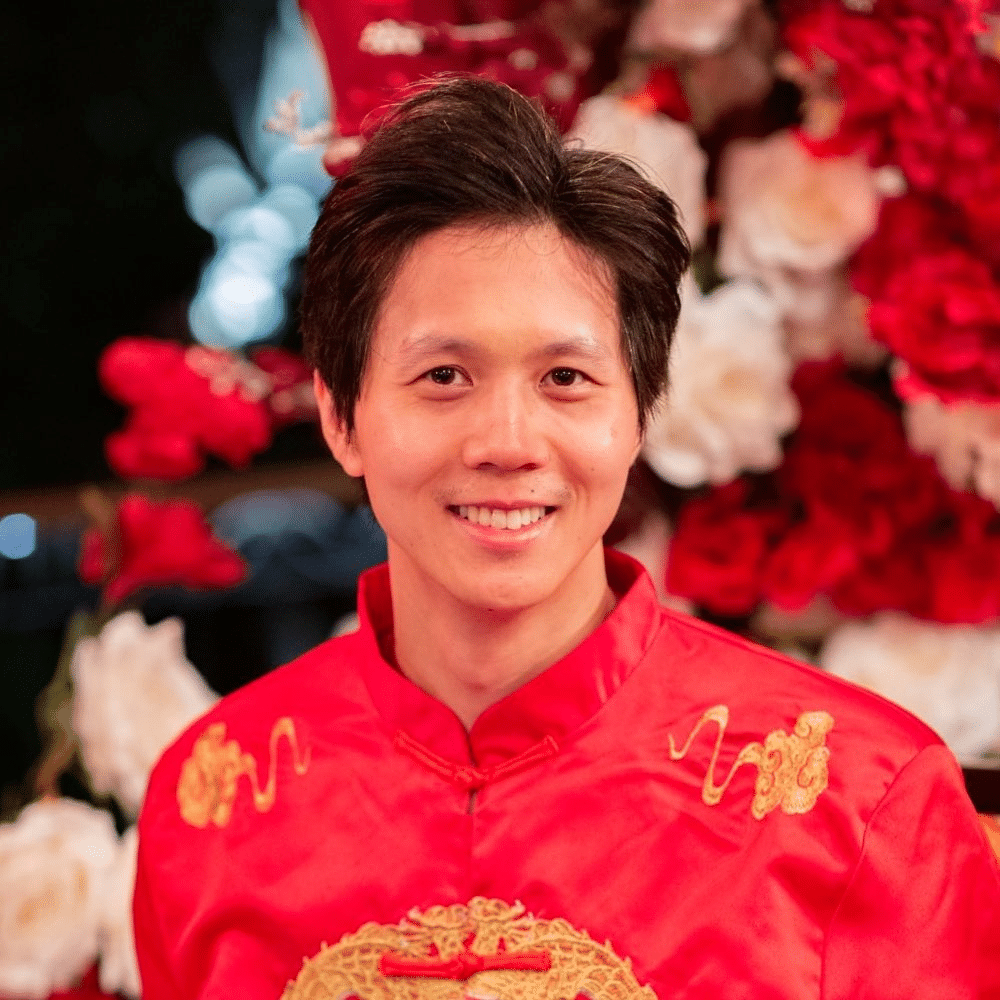
The approach reflects the belief of Rare Flower’s Managing Partner, Zhāo Lewis Liú, that the biggest structural problem in the creator economy is not discoverability, but monetization and, more specifically, who captures the long-term value creators generate.
“Influencers’ follower count has nothing to do with their ability to monetize,” Zhāo says. “I’ve had influencers with less than 100,000 followers making more money than influencers with over five million followers.”
That insight, drawn from years of hands-on work across media, entertainment, and digital platforms, became the foundation for Rare Flower’s business model and its broader view of where creator-led businesses are heading.
From Film and Television to the Creator Economy
Before launching Rare Flower, Zhāo spent more than a decade working in film, television, and broadcast media. His background includes roles in U.S. and Chinese media, from producing for Voice of America in Washington, D.C., to working on long-form entertainment projects tied to Alibaba’s Youku platform and a Netflix original film starring Jackie Chan and John Cena.
When the COVID-19 pandemic stalled traditional film and TV production in early 2020, Zhāo began looking for ways to apply his skill set elsewhere. He started collaborating with YouTubers, comedians, and early social creators, initially helping them produce content and, in some cases, live events.
“What can I do with my skill sets?” he recalls thinking at the time. “I happened to know a few people who were influencers or YouTubers, so I started working with them to help them make videos.”
That work quickly expanded into a broader agency offering. Rare Flower formalized its services around three core areas: video production, digital marketing, and influencer management. Over time, the agency produced more than 500 videos for 30-plus clients, generating more than 200 million organic views and managing a combined social media following of more than 20 million, according to Zhāo.
But, even as the agency grew, he became increasingly skeptical of a creator economy built primarily on brand sponsorships.
Why Brand Deals Aren’t Enough
Zhāo’s experience working with creators across niches, from stand-up comedians to chefs and business owners, led him to a recurring conclusion: brand deals are inherently limited.
“Sponsorships can be good money,” he says, “but the creators who sell their own products are the ones who really become business owners. The influencer part becomes a marketing engine for their own business.”
Rare Flower’s incubator model is built around that idea. Rather than focusing on matching creators with brands, the agency helps creators (and founders and professionals) build audience-driven businesses. That can mean launching physical products, online courses, coaching services, or subscription-based offerings.
One example Zhāo points to is a tea shop owner who was also a comedian. With Rare Flower’s support, his tea-focused content eventually outperformed his comedy videos. Today, Zhāo says, the business generates between $500,000 and $1 million in online tea sales per month, supported by an audience of more than 1 million followers.
“That’s what we mean by an influencer incubator,” Zhāo explains. “We don’t just match influencers with deals. The biggest part of our experience is helping influencers build their own business and sell their own products.”
How the Incubator Actually Works
Rare Flower’s incubator takes two forms. The first is a cohort-based educational program that introduces aspiring creators to content creation, live streaming, brand identity, and growth mechanics. The second, and more central to the agency’s business, is a one-on-one, long-term engagement with select clients.
The process typically unfolds in stages. First, creators focus on developing consistent, engaging content that establishes credibility within a specific niche. Only after that foundation is in place does the agency begin testing monetization, often starting with affiliate products before transitioning to owned offerings.
“We usually help them grow their following without trying to sell people anything too early,” Zhāo says. “Then we test different products and see what works with their audience.”
For creators who already have a business, the process runs in reverse. Rare Flower builds content around existing products, using social platforms as a distribution and demand-generation engine.
“What we’re more successful with now is working with business owners and turning them into influencers,” Zhāo adds.
Consistency, Not Virality, as the Core Skill
Across the dozens of creators Rare Flower has worked with, Zhāo says the biggest differentiator is not talent or production quality, but consistency.
“Most people fail because they don’t stick with it,” he says. “They make a few videos, don’t get the results they want, and give up within three to five months.”
He points to creators in Rare Flower’s programs ranging from actors, comedians, singers, chefs, lawyers, scholars, and business owners from their 20s to their 70s – many of whom with no prior social media and content creation experience – are now earning more than $10,000 per month, as evidence that age, background, and initial reach are less important than sustained effort.
“If you have the grit to keep improving, everything else can be trained,” Zhāo says. “Technical skills can be learned. Business skills can be learned. The mindset is the hardest part.”
That philosophy also shapes how Rare Flower evaluates potential incubator participants. The agency looks for creators who are willing to commit long-term, experiment, and treat content creation as a business rather than a lottery ticket.
Teaching Creators to Think Like Brands
A recurring challenge Zhāo sees is that many creators enter the ecosystem without a clear sense of brand positioning or commercial viability. To address that, Rare Flower uses structured frameworks to help creators define their niche.
The agency asks creators to evaluate potential content areas based on three criteria: passion, professionalism, and profitability. The goal is to identify intersections where creators can sustainably produce content that both resonates with audiences and supports monetization.
“You can be very passionate about something,” Zhāo says, “but if there’s no market for it, you’re still not able to monetize.”
Workshops also cover topics such as representation, brand identity, and deal structures, i.e., areas where Zhāo believes creators are often underprepared compared to traditional entertainers.
“In Hollywood, there’s a very mature system for how talent is represented,” he says. “In the creator economy, there are still no real rules.”
Why Brands Struggle With Creator Campaigns
Zhāo’s perspective extends beyond creators to brands themselves. From his perspective, many brand-side struggles stem from misaligned goals and poor creator selection.
“Some brands want awareness, some want sales, but they don’t always choose creators based on that goal,” he explains. “You can get great impressions and no conversions if the audience isn’t aligned.”
He also notes that larger brands often over-prioritize “shiny” creators with massive followings, while smaller brands flood creators with low-value offers that get lost in the noise. The result, he says, is an ecosystem where value is inconsistently distributed, and outcomes are unpredictable.
For brands rebuilding their creator strategies, Zhāo emphasizes clarity and fit. “Set a clear goal first,” he says. “Then find creators who can actually deliver on that goal, and structure offers that are mutually beneficial.”
Scaling Across Languages With AI
Zhāo sees artificial intelligence as one of the most notable forces reshaping the creator economy, particularly in content localization. In response, Rare Flower has begun helping creators scale existing content into multiple languages, including Spanish, French, Portuguese, Japanese, Korean, and Mandarin.
“Previously, creating a one-hour daily program in multiple languages would take a hundred people,” Zhāo says. “Now we can do it with three or four.”
In one case, Zhāo reveals that Rare Flower helped a creator build Mandarin and Cantonese YouTube channels that now generate between $3,000 and $4,000 per month in ad revenue, with additional income from Patreon, despite having fewer than 40,000 subscribers.
“The English-language YouTube space is very saturated,” Zhāo says. “Other languages still have a lot of room to grow.”
A Business-First Vision for Creators
As Rare Flower looks to the future, Zhāo says the agency is exploring opportunities to launch its own creator-led brands, applying the same frameworks it uses for clients. But the core mission remains unchanged: helping creators think beyond platforms and partnerships.
“Creators should stop thinking of themselves as just content creators,” Zhāo says. “They should think like business owners.”
For Zhāo, that shift in mindset is the real unlock in the creator economy and the reason Rare Flower exists in the first place.
“I’m passionate about helping creators, business owners and mission-driven organizations build their own brands,” he says. “That’s where we feel the most reward; when we grow together.”
Checkout Our Latest Podcast