



Agency
From Case Study To Playbook: Nick Seymour On What Actually Scales In Creator-Led Brand Experiences At Komodo

When Komodo co-founder Nick Seymour last spoke with Net Influencer, his agency had just finished what would become one of the more cited creator tourism campaigns of the past year. The Journey, a TikTok-first travel series developed for Singapore Tourism, was designed at the time as a repeatable model that fused creators, live content, and audience participation into a single, gamified narrative.
Today, Nick is more cautious about labels like “model”, but more confident in the underlying thesis.
“The results were insane,” he says of The Journey. “But what mattered more was what it taught us about how audiences actually want to be involved and how brands can build something bigger than a one-off influencer moment.”
The shift from case study to system now defines how Komodo operates as budgets tighten, platforms fragment, and brands demand clearer proof of impact.
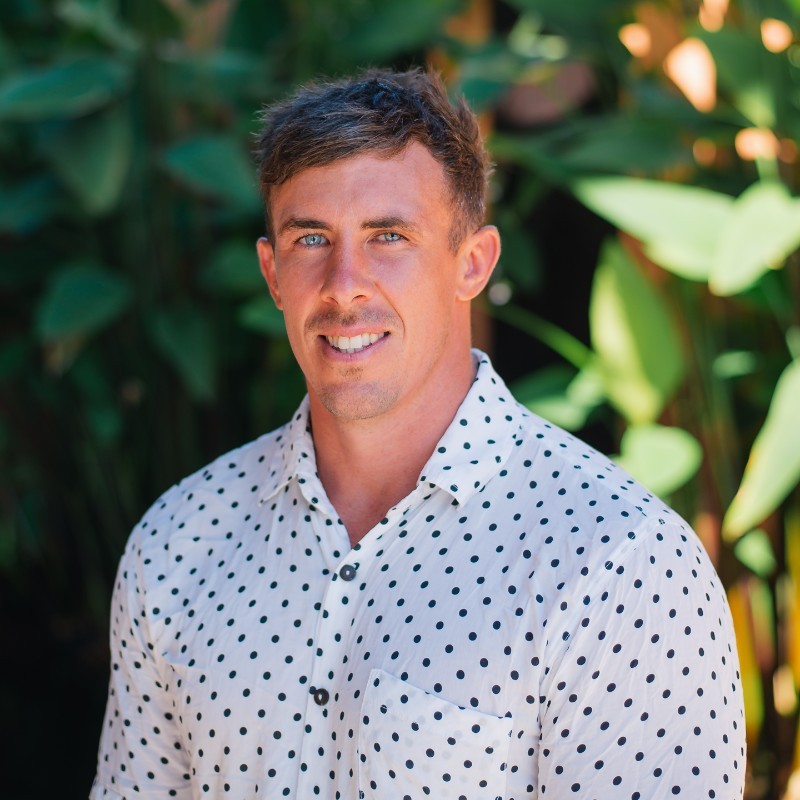
Founded in 2017, Komodo is a global social, influencer, and experiential marketing agency with teams across Sydney, London, and Los Angeles. The company works across beauty, fashion, travel, tourism, and lifestyle, helping brands design social-first campaigns that integrate creators, community, and offline experiences.
Over the past couple of months, Komodo has executed large-scale experiential activations, gamified travel formats, and live-driven creator campaigns for global brands, often blending TikTok, Instagram, YouTube, and paid media into a single ecosystem.
What has changed, Nick says, is not how brands talk about creators, but what they now expect creators to deliver.
Where Social Attention Becomes Physical Participation
Nick describes Komodo today as a business focused on bridging digital attention and physical participation.
“We empower brands to move beyond the simple scroll and create immersive, human-centric experiences that turn passive audiences into lifetime advocates,” he says.
That positioning responds to an ongoing industry shift. As short-form video matures and performance pressure increases, brands are no longer satisfied with reach alone. Awareness still matters, but it now needs to connect to something tangible.
For Komodo, that often means designing experiences that live offline, but scale online.
In early 2026, Nick reports that the agency executed eight experiential activations across multiple regions in a single month, including two large-scale travel projects. One of the most visible was Glacier Glitch, an experiential campaign for L’Oréal staged in the French Alps that combined community participation, creators, and live amplification.
“We had the community there for three nights, then brought in 14 influencers to amplify it,” Nick says. “It was a mad start to the year, but all good stuff.”
The takeaway, he adds, is that experience is no longer a bolt-on. It is becoming the core asset around which creator marketing is built.

Photo: The “Glacier Glitch” campaign
Source: Komodo
The Creator Economy, Under Pressure
Nick describes the current creator economy as both more crowded and more demanding than at any point in the past decade.
“There are more creators, more platforms, more opportunities,” he says. “But there’s also more pressure.”
According to Nick, that pressure is coming from multiple directions. Brand leaders now expect creator marketing to contribute not just to awareness, but to acquisition and measurable business outcomes. At the same time, he notes that platform volatility makes organic performance less predictable.
To respond, Nick argues, creator marketing must be structured more deliberately.
“Big brands are starting to see it more like a funnel,” he explains. “Macro creators drive awareness. Mid-tier and niche creators nurture. And UGC [user-generated content] becomes proof at scale at the bottom of the funnel.”
In Nick’s view, that shift has practical consequences. It requires greater creative variation, clearer role definitions across creators, and support channels, particularly paid media, to reduce dependence on algorithms.
“You can’t leave creators at the mercy of platforms anymore,” he says. “You need better data, better creative, and additional channels around them.”
What Brands Are Actually Asking For Now
When brands approach Komodo today, the underlying business goals, such as growth, scale, and revenue, are familiar, but the operational problems are more specific.
“The big ones are helping brands stand out, build community, and understand how to actually use UGC,” Nick says.
Demand for UGC, in particular, has accelerated. Nick points to changes in paid social performance as a key driver. “Meta’s machine learning is incredibly powerful, but it needs creative variation,” he says. “Brands need more assets, more formats, more ideas, and that’s where creators and UGC come in.”
This has pushed Komodo toward more integrated campaigns rather than standalone influencer activations. Most briefs now span offline experience, creator content, social distribution, and paid amplification.
“The integrated campaigns are the ones driving real growth,” Nick says. “One-off influencer posts don’t really hold up anymore.”
Revisiting The Journey
One year after The Journey launched, Nick says its most durable insight was not the format itself, but the depth of audience involvement.
“If you can truly take audiences on the journey with creators and give them unrivaled access, they feel invested,” he says.
The campaign also reinforced the power (and complexity) of live content. During the original Singapore Tourism activation, TikTok Live drove millions of real-time engagements, offering audiences unfiltered access to creators.
“There’s risk with live,” Nick acknowledges. “You don’t know what questions are coming. But that’s why audiences love it.”
Since then, Komodo has replicated elements of the format for other destinations, including a gamified Malta tourism campaign that paired creators who had never met before and introduced them live on TikTok.
Over one week, Nick reports that the campaign generated approximately 30 million impressions, with average engagement exceeding 14%. The harder part, he says, was production.
“Producing something that’s truly live has its stresses,” he says. “But it showed us the value of real-time content and how different platforms should play different roles.”
TikTok became the reach engine. Instagram handled more informational and branded storytelling. YouTube offered long-form immersion for the most engaged audiences.
“All the platforms are powerful,” Nick says. “They just shouldn’t be doing the same job.”
Measurement Gets Real
Measurement has also changed since Komodo’s early years.
“Data is much more readily available now,” Nick says, citing widespread adoption of creator analytics platforms.
Campaign KPIs vary by objectives: impressions and watch time for awareness; CTR [Click Through Rate], CPA [Cost per Action], and sales data for conversion. However, transparency has increased across the board. “That’s a good thing,” Nick says. “It cuts out the pretenders.”
A decade ago, he notes, influencer performance was often inferred through discount codes and traffic spikes. Today, creator marketing is held to the same standards as other channels.
“It’s becoming a serious marketing discipline,” he says, citing it as the reason why budgets keep growing.
Where Brands Still Get Stuck
Despite greater maturity, Nick believes many brands still overcomplicate or misjudge creative execution.
“Traditional product placement doesn’t work anymore,” he says. “Content needs to be organic and creative.”
According to Nick, that requires more tailored briefs and more trust in creators. “You can’t send the same brief to 30 creators and expect magic,” he says. “You need archetypes, different creative lanes, and room for creators to make it feel native.”
The Australian entrepreneur also pushes back on the idea that creators alone are responsible for campaign success.
“There’s a duty of care from agencies and brands,” he says. “You have to support creators with budget, strategy, and distribution so their content actually performs.”
The Next Phase: Ecosystems
Nick sees the creator economy expanding beyond influencer partnerships into a broader marketing ecosystem.
“The creator economy now includes UGC creators, brand communities, offline experiences, and social-first content series,” he says.
For Komodo, that means building systems rather than stunts and campaigns that connect experience, creators, community, and paid media into a single structure.
Recent projects point in that direction, including upcoming POV-driven activations designed to remove the phone from the creator’s hand and capture experiences as they are lived.
“It’s about being in the moment,” Nick says. “And letting audiences feel like they’re there too.”
As Komodo enters its next phase, Nick emphasizes that the agency’s priorities remain consistent: taking creative risks, staying ahead of platform shifts, and grounding bold ideas in measurable outcomes.
“We want to set the standard for brand storytelling,” he says. “And show, in black and white data, why this approach works.”
For brands entering a more demanding creator economy, Nick’s advice is clear and notably unspectacular.
“Build ecosystems, not one-offs,” he says. “Support creators properly. Involve communities. And make the experience worth paying attention to.”
Subscribe to Our Newsletter
Check Out Our Podcast