





Agency
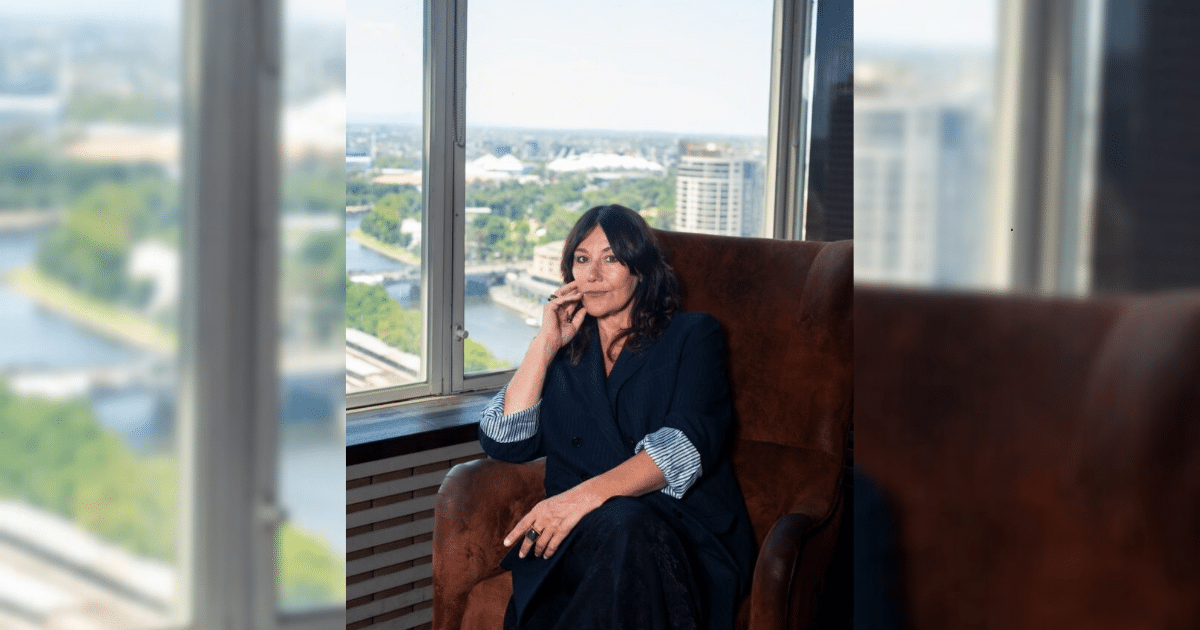
Helen OMalley On Designing a Creator Management Model For Sustainability At Helm Talent Group

As creators increasingly scale into full-fledged businesses, many are still forced to operate without the structural support traditionally afforded to artists in film, music, or television. Negotiations, brand alignment, and long-term planning are often handled solo, leaving creators reactive rather than intentional as commercial pressure increases.
Helm Talent Group was founded to address that inequality. Established in 2020, the Australian boutique creator management agency focuses on helping creators build sustainable businesses through structured representation, brand partnerships, and long-term career strategy. Rather than treating creators as interchangeable media placements, Helm positions them as businesses with distinct goals, constraints, and growth paths.
“Creators require and deserve the same representation and advocacy as traditional artists,” says Helen OMalley, Director of Helm Talent Group.
From Traditional Artist Management to Digital Creators
Helen’s career began long before platforms enabled creators to build direct relationships with audiences at scale. She managed music artists, worked across television and theatre publicity, produced shows that toured internationally, and ran her own acting agency for more than 15 years. That agency was responsible for discovering and managing talent, including Australian actor Chris Hemsworth, among many others.
When Helen began working in the social media space a decade ago, she encountered an industry still forming its rules. “Back in 2015, when I stepped into the social media space, the creator economy was the Wild West – brands and creators were all flying blind,” she says. Most creators were self-managed, unfamiliar with representation, and often negotiating deals without a clear sense of their value.
What felt familiar, she explains, was the underlying reality that creative output was still the business. “Just like a filmmaker, artist, or musician, the work is their business,” Helen says.
What differed was control. Unlike traditional artists governed by labels, studios, or galleries, creators could make their own rules and were accountable directly to their audiences. That autonomy, paired with measurable performance, fundamentally changed how brands assessed value.
Why Helm Rejects One-Size-Fits-All Representation
Helm Talent Group operates as a boutique agency by design. Helen is explicit that standardization, while efficient, often undermines creator careers.
“The concept of one-size-fits-all is completely unrealistic,” she says. “The moment you start to pigeonhole a creator into a mould you think works, you have lost them.”
Rather than optimizing purely for deal volume, Helm prioritizes alignment between opportunities and a creator’s long-term vision. That means early conversations about boundaries: what categories creators will or will not work with, how compensation is structured, and how partnerships may affect audience trust. According to Helen, these discussions are essential because misalignment rarely reveals itself immediately, but audience response does.
“Audiences are smart and can always tell when a partnership isn’t genuine,” she says. Oversaturation, particularly with brand deals, often leads to declining engagement and diluted credibility. Helm’s role, she explains, is to remove emotion from negotiations while protecting the relationship between creator and audience.

Creators as Businesses
A recurring challenge Helen identifies is the delay many creators experience before viewing themselves as business owners.
“Creators are their own brand,” she says. “The only way for them to be successful long-term is to think like a business, which, for many creators, is overwhelming to say the least.”
The first gaps to emerge as creators scale are typically operational. Helen points to infrastructure (access to editors, equipment, systems, and reliable workflows) as the most common failure point. Consistency, she notes, is not just a creative discipline but a structural one. Without support, growth often amplifies inefficiencies rather than resolving them.
Helm helps creators triage opportunities rather than react to inbound demand. While early monetization often involves saying yes to everything, Helen believes intentional planning becomes critical as scale increases.
“We ensure we are mindful of our talent’s preferences and always triage opportunities, presenting those that align,” she says.
Knowing When Growth Becomes a Risk
In an ecosystem that rewards visibility, Helen is cautious about unchecked expansion. High posting frequency, she observes, can dilute views rather than strengthen reach. Similarly, excessive brand integrations may undermine trust.
“Uploading consistently (but not constantly!) and being selective in what they promote is paramount to a creator’s success,” she says.
One of the most common mistakes creators make when professionalizing, according to Helen, is confusing authenticity with oversharing. “There is a stark contrast between authentic content strategy and ill-considered, reactive content,” she says, adding that establishing boundaries is not only healthy but strategic, protecting both the creator’s mental health and brand equity.
Momentum presents its own challenge. While waiting for perfection can stall growth, Helen notes that scaling too quickly can erode identity. Therefore, she advocates for a “slow build” that allows creators to learn from their audiences while remaining adaptable in an industry defined by constant change.
Sustainability Beyond Wellness Language
For Helm, sustainability is practical. A large portion of the agency’s talent has remained with Helen since she entered the creator space, something she attributes to trust and long-term alignment rather than transactional success. “We put our creators and their needs first and help them to flourish,” she says.
Helen notes that CPM-driven (Cost per Mille) expectations now dominate many brand strategies, heightening the need for careful partnership selection. She believes that long-term relationships, when aligned, can provide consistent income without exhausting audiences.
Diversification, she adds, must be strategic. Helm explores opportunities across affiliates, merchandising, live performance, streaming platforms, and traditional media, but always through the lens of audience fit.
“The person who knows a creator’s audience best is the creator themselves,” Helen says.
Longevity Over Virality
Despite frequent concern that the creator economy prioritizes short-term performance, Helen points to clear evidence of long-term viability. With YouTube now more than 20 years old, many creators have demonstrated that sustained careers are possible when strategy outweighs virality.
“My biggest concern is short-term thinking,” she says. Chasing trends at the expense of trust can lead to fatigue, diluted identity, and fractured communities. In contrast, Helen says, creators who own their IP and think beyond platforms are increasingly positioning themselves as media companies.
Helm’s Next Phase
Helen believes creator management must turn into career strategy rather than deal facilitation. That includes forecasting trends, building IP, and integrating traditional media alongside digital distribution. Boutique agencies, she argues, are particularly well-suited to this shift due to smaller rosters and closer creator relationships.
For Helm Talent Group, 2026 will focus on deeper collaboration with existing talent, expanded work in the arts, and increased emphasis on live experiences. Drawing on her traditional media background, Helen sees an opportunity to reconnect audiences with creators beyond screens.
“I really want to bring the old school back to the new,” she concludes.
Photo source: Helm Talent Group
Subscribe to Our Newsletter
Check Out Our Podcast