


Talent Collectives
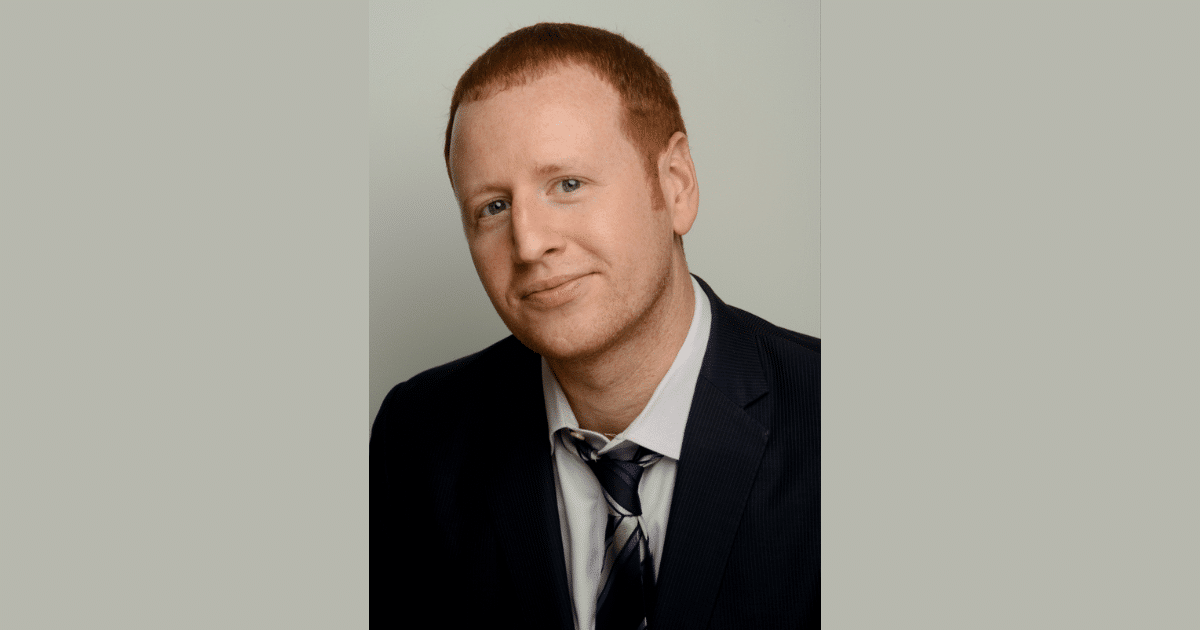
Alec Shankman On Structuring HeartRock Partners For The Creator Entrepreneurial Era

After more than 20 years representing talent at the center of Hollywood’s agency system, Alec Shankman is applying that experience to a different kind of client. His new firm, HeartRock Partners, operates as a management company for creators and brands that treat audience, IP, and credibility as the foundation of long-term businesses, not short-term media opportunities.
Headquartered in Cleveland, Ohio, with operations in Los Angeles and New York, the company focuses on what Alec describes as “entrepreneurial-minded talent and brands,” helping them translate cultural relevance and audience trust into durable, scalable enterprises.
Alec founded HeartRock after leaving The Gersh Agency, where he had spent the previous two years as a senior partner following Gersh’s acquisition of the digital and alternative divisions he built at A3 Artists Agency. Over the course of his career, Alec has worked across unscripted television, digital media, podcasting, licensing, and brand consulting, often stepping into emerging sectors before they were fully formed.
That pattern, he says, ultimately shaped both the timing and the thesis behind HeartRock. “I like to skate where the puck is going,” Alec says. “As opposed to spending too much energy skating where the ice is melting.”
Reframing Representation Around Ownership and Enterprise
Alec began his career at Abrams Artists Agency in 2003, entering the industry through the mailroom and quickly gravitating toward areas with unclear ownership. Within a year, he launched the firm’s unscripted television division, identifying reality TV and alternative programming as underrepresented but fast-growing categories. A few years later, he applied the same approach to digital media, leaning into social platforms while most agencies remained focused on broadcast and cable.
Spotting emerging frontiers, learning them deeply, and building infrastructure around them became a defining theme. In 2006, Alec packaged and sold the TV series “Project MyWorld,” which he believes was one of the first television shows centered on social media. DirecTV acquired the project following MySpace creators as they met their online communities. In 2009, he left agency life to co-found GotCast.com, an interactive casting platform and social network for talent that was acquired in 2012.
When he returned to representation, Alec brought a startup mindset with him, representing not only talent but also founders and brands navigating entertainment, digital media, and consumer products. By the time A3’s alternative and digital group was acquired by Gersh in 2024, his team had grown to nearly 60 people and was overseeing a nine-figure annual client revenue.
HeartRock, he says, is a continuation of that work, refined for a different market reality and the changes in the industry.
Why HeartRock, and Why Now
The backdrop to HeartRock’s launch is a shift in entertainment economics. Alec points to the contraction of cable television, shrinking programming budgets, and changing audience consumption habits as forces directing where money flows and who controls it.
“There was a time when there were roughly 400 cable channels, and every one of them needed original content,” he says. “There was so much money going around. We’re now watching the very substantial contraction of that business.”
At the same time, Alec notes that creators have gained unprecedented control. Unlike actors or traditional TV hosts, creators typically own their content, set their distribution strategy, and decide how (or if) they monetize through brands, platforms, or products.
“Your typical creator isn’t getting hired,” Alec says. “They are self-identifying as an entrepreneur. They are saying, ‘I am going to create this, and no one is paying me to do it.’”
HeartRock is designed for creators and talent who want to take their entrepreneurial impulse beyond ad integrations or one-off sponsorships into ownership, partnerships, and enterprise-building. Alec is explicit that this path isn’t for everyone.
“There is absolutely nothing wrong with being a spokesperson,” he says. “That’s a great job. But it requires a different mentality to be the founder, to be the entrepreneur, to take the risk.”
The Management Model
One of Alec’s earliest decisions was to structure HeartRock as a management company rather than a talent agency. The distinction, he notes, is philosophical as much as regulatory.
Traditionally, agents focus on procuring work, identifying and negotiating individual deals. Managers, by contrast, tend to take a broader view, advising clients across career strategy, business development, and long-term planning. Alec believes that a wider scope aligns more closely with the needs of entrepreneurial creators and brands.
“We’re not here to just help you with your next job decision,” he says. “We’re here to sit down and ask: are you an entrepreneur? And if so, what does that mean to you?”
For talent, he adds, that might involve launching consumer products, forming joint ventures, or building off-platform businesses that extend their brand in credible ways. For brands, it often means rethinking how they work with creators not as distribution channels, but as partners who bring audience trust and cultural fluency.
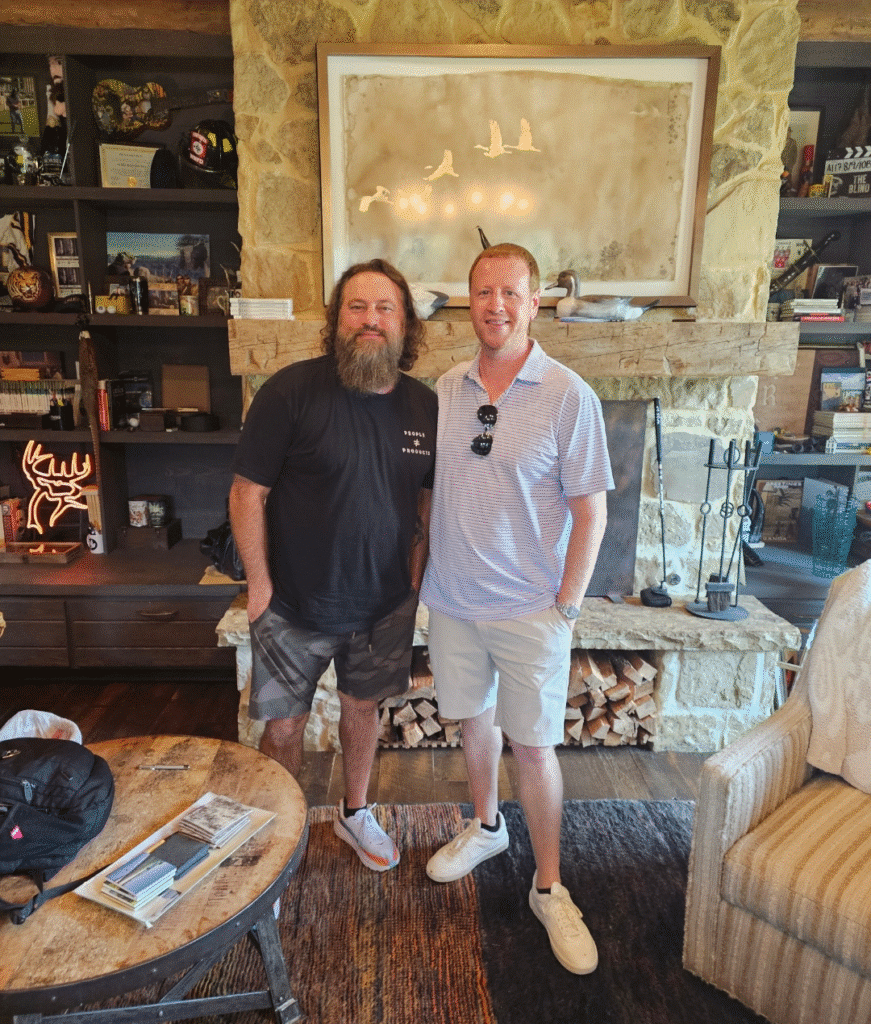
Photo: Alec Shankman (right) and Willie Robertson (left), American TV personality and HeartRock client
Solving for the Brand Side of the Equation
HeartRock represents both talent and brands, assuming a dual role that Alec has occupied for much of his career. From his perspective, many brand missteps in creator marketing stem from an overly narrow focus on metrics and short-term outcomes.
“If you’re focused solely on metrics and not necessarily on the person,” he says, “sometimes you can take a misstep.”
In Alec’s view, brands that approach creators for the first time often underestimate the complexity of these relationships and the strategic value creators can bring beyond impressions. HeartRock’s role, he says, is partly educational; helping brands understand when a creator should be an ambassador, a co-founder, or something in between.
He points to examples like Kate Hudson’s partnership in Fabletics or Kim Kardashian’s role in Skims as illustrations of what changes when talent is structurally invested in a business. “They lean in such a meaningful way,” he says. “They are completely vulnerable. They are all in on the success of those brands.”
Beyond creator partnerships, HeartRock also advises brands on licensing, retail distribution, and strategic partnerships, drawing on Alec’s long-standing relationships across entertainment, consumer products, and media.
Power Shifts and Friction in the Ecosystem
Despite a decade of growth, Alec believes the fundamental friction between traditional entertainment and the creator economy remains largely intact. Creators’ ownership and control clash with legacy systems built around centralized IP ownership.
“Creators own their own content,” he says. “They control their own creative. That is an unbelievable amount of power.”
That power has only increased as creators have proven they can build billion-dollar businesses without traditional studios or networks. Alec cites Hailey Bieber’s Rhode Cosmetics as a recent example, noting that such outcomes are largely inaccessible to actors operating solely within the traditional system.
Not every creator, he adds, belongs in Hollywood’s legacy structures, and not every platform can offer enough incentive to attract top-tier entrepreneurial talent. The future, in his view, is more fragmented, with different paths for different personality types and ambitions.
Verticals, Values, and Authenticity
HeartRock does not restrict itself to specific creator niches, but Alec notes recurring areas of interest, including lifestyle, food, home, outdoor and adventure content, faith and spirituality, golf, and family-oriented brands. What matters more than category, he says, is authentic engagement.
“Is the client meaningfully engaged and authentically connected to that space?” he asks. “If so, we’re here to help them expand.”
That emphasis reflects HeartRock’s broader positioning, which draws on Alec’s Midwest roots. The firm’s name references both the American heartland and Cleveland’s cultural history as home of the Rock & Roll Hall of Fame.
What to Expect in 2026?
In its first year, HeartRock is assembling a group of investors, brand experts, and representatives with backgrounds in retail, manufacturing, and consumer products, while onboarding entrepreneurial talent and founders across entertainment and digital media. Alec reveals that the firm plans to move quickly, with multiple announcements expected throughout the year.
Despite widespread uncertainty across media and advertising, he remains optimistic. “Chaos creates opportunity,” Alec says. “There’s an unbelievable opportunity to succeed and to redefine what it means to make money in the entertainment ecosystem.”
For Alec, HeartRock is less about reacting to disruption than embracing it and building structures that assume change, ownership, and entrepreneurship are no longer exceptions in the creator economy, but the baseline.
“We are the premier partner for entrepreneurial-minded talent and brands.”
Checkout Our Latest Podcast