







Talent Collectives
A Team And Agency Under One Roof: How Jordan Lazarus Is Scaling Xen’s Creator-First Gaming Model


Xen is a New York-based creator network and esports organization built around a simple premise: gaming creators need the same infrastructure as professional athletes, without the limitations of traditional esports models. Founded in 2019, the organization manages contracts, negotiations, production, and campaign execution for its roster while also operating a front-facing media brand that reaches millions of viewers.
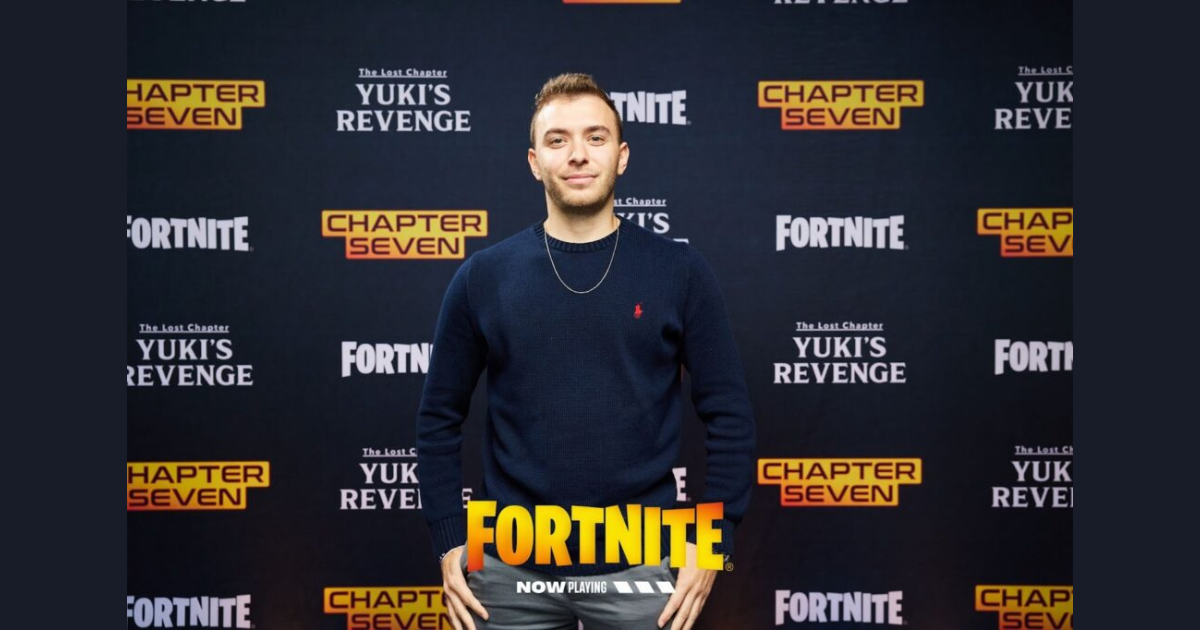
“We’re not just an esports team, and we’re not just an agency,” says Jordan Lazarus, Xen’s founder and CEO. “We’re an agency and a team all under one umbrella. We do everything from A to Z for talent.”
Jordan describes Xen as the “world’s largest unfunded gaming organization,” with more than 45 million followers across its creator network and millions of dollars paid out to creators who have turned gaming into full-time careers.
The model was born out of a problem Jordan saw early on: gaming creators were generating massive attention, but lacked the infrastructure to monetize sustainably. “I figured there has to be a way to help creators monetize,” he says. “Most of them don’t want to deal with contracts, legal, emails, or negotiations. They just want to create.”
From Finance Student to Gaming Founder
Jordan studied finance and investments in New York with the intention of working on Wall Street. Gaming, however, remained a constant in the background. As a teenager, he briefly ran a competitive team before stepping away to focus on school and sports. Years later, during the peak of “Fortnite’s” rise, gaming resurfaced as something more than a hobby.
“I was always an entrepreneur,” Jordan shares. “I had a list of like 30 inventions when I was younger.” While commuting to school for hours each day, he began thinking about how creators could cash in more effectively within gaming ecosystems. “I figured there had to be a way to help creators monetize,” he explains.
That question eventually gave rise to Xen.
The turning point came after graduation, when Jordan committed to the company full-time. “When I graduated, I went full-time on Xen, and that was the difference maker,” he says. “Throughout the journey, it was just showing up every single day, you know, with a goal.”
A Hybrid Model: Team and Agency Combined
Xen avoids labeling itself as an esports organization. Jordan believes the term carries baggage from years of venture-funded teams that overspent, struggled to build audiences, and ultimately folded.
“Esports teams have a negative connotation,” he explains. “People think it’s just players with no viewership and no following.”
Instead, Xen brands itself as a gaming and entertainment organization with creators at the center. Competitive success still matters – the company fields top-ranked “Fortnite” players and championship winners – but every player is also expected to operate as a creator, producing content and engaging an audience.
The structure mirrors professional sports and talent representation rolled into one. Jordan likens it to combining the New York Knicks and a firm like CAA under a single roof.
“We do everything from negotiations, legal, operations, brand deals, connections, data, and case studies. And we’re also front-facing. When you go on stage, you’re wearing our jersey.”
Solving Time, Access, and Trust for Creators
At the core of Xen’s value proposition is removing friction from creators’ businesses. Jordan describes the company as “the backbone” for its talent. Xen manages email, legal reviews, negotiations, and brand outreach, while also opening doors to advertisers that creators could not reach independently.
In the past month alone, Jordan says Xen worked with brands including Amazon, Walmart, Disney, NASCAR, as well as other major entertainment franchises. The organization builds campaigns around specific brand goals, whether conversions or visibility, then selects talent whose content style and audience fit those objectives.
“For sales and conversions, that’s leading,” Jordan says. “If not that, sometimes it’s visibility and engagement.”
Campaigns often include organic posts, paid amplification, and post-campaign reporting that feeds into future case studies. “Data sells,” he adds. “Once we have the data, it kind of scales.”

Why Xen’s Own Social Channels Matter
Unlike traditional agencies that operate behind the scenes, Xen invests heavily in its own social presence. The company’s channels aggregate highlights, storylines, and performances from across its roster, turning individual creators into a broader team narrative.
The challenge early on, Jordan says, was educating the audience. Viewers would see content from a creator without realizing they were part of Xen. “People would be like, ‘Why are you posting this creator?’” he recalls. Over time, repetition and consistency established the team identity.
Jordan notes that Xen’s growth accelerated after pairing top creators with strong storytellers who could package content in a way that resonated beyond core gaming fans.
“Having big creators doesn’t mean you have great results,” he says. “It’s how you make it into a story that’s compelling.”
Brand Safety and Campaign Control
As gaming creators attract larger brand budgets, concerns around brand safety and execution remain top of mind. Jordan says Xen mitigates risk through vetting and long-term relationships.
“We do background checks on everyone,” he says. “Once you vet a creator that’s been around for multiple years, you know what you’re getting.”
Creative freedom is another factor. Many brand partners, Jordan notes, trust Xen to guide execution rather than forcing rigid scripts. “Once you let a creator integrate a product in a way that feels seamless, it comes off way more natural,” he says. “That’s always going to do better than making an ad.”
Why Gaming Still Feels Undervalued
Despite its scale, Jordan believes gaming remains underestimated by marketers. “I don’t think brands understand how powerful it is,” he says.
The biggest hurdle, in his view, is simply getting brands to test the channel. Once they do, retention usually follows. “Once brands tend to try it, they come back,” he says, noting that many partners renew campaigns year over year.
Jordan also challenges narrow definitions of gamers. “If I asked who’s played a game this week, the whole class would raise their hand,” he says. As platforms like “Fortnite,” Roblox, and mobile games lower barriers to entry, gaming audiences continue to broaden, pulling brand spend with them.
Bootstrapping Growth and Reinvestment
Xen’s scale did not come from outside capital. Jordan reinvested revenue back into the business for years, often without paying himself.
“I didn’t pay myself the first three, four years,” he says. “I reinvested every penny we made.”
That approach shaped Xen’s culture and pacing. Early growth focused on recruiting talent and on offering services that creators could not manage on their own. As the roster expanded, Xen climbed what Jordan describes as a ladder, continually upgrading talent while maintaining support systems behind them.
Making Xen a Household Name
In 2026, Jordan’s priorities center on scale and recognition. He wants Xen to become an instantly recognizable brand, not just among gamers, but beyond them as well. Recent achievements, including Forbes 30 Under 30 recognition and appearances tied to mainstream media, reflect that ambition.
Ultimately, Jordan frames success as patience compounded by consistency. “All good things take time,” he says. “A lot of people want instant success. I took the long route.” As gaming continues to intersect with mainstream culture and brand marketing, Xen’s hybrid model positions it to serve all the parties involved in the mix.
“I want it so if someone brings up the word ‘Xen,’ you know who we are,” Jordan says. “You don’t need to know who I am. Ideally, you know who the company is.”
Subscribe to Our Newsletter
Check Out Our Podcast