Long-term creator partnerships have become a stated priority for brands and agencies in 2026. Whether they actually build them is another matter.
A recent IAB study found that nearly 60% of brand and agency buyers ranked creator partnerships as their top ad priority for the year. Yet many programs still operate on a transactional basis, governed by rigid briefs, slow payments, and a paid-media mindset that treats creators as distribution channels rather than strategic partners. An Influencer Marketing Factory survey found that 45% of creators prefer long-term brand relationships over one-off campaigns, but creators also report that late payments, over-scripted briefs, and a lack of creative trust remain routine.
The gap between what brands say they want and how they actually operate is where most partnerships fail.
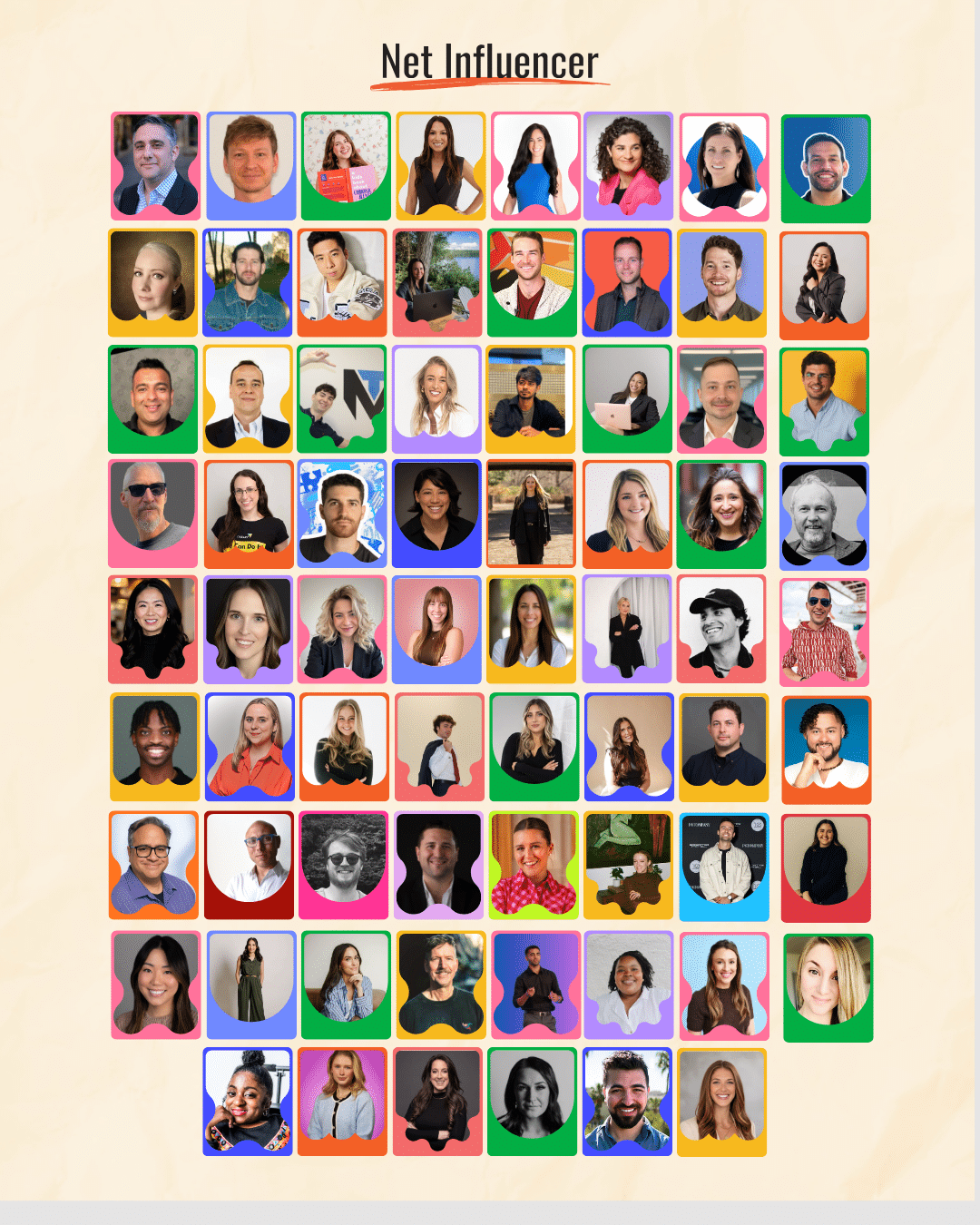
To examine what it actually takes to close that gap, 70 industry professionals weigh in on what separates a durable partnership from a recurring transaction.
Ambassador relationships are about co-creation. It’s not just about having the same influencers do more deliverables over a longer period of time, it’s about aligning the goals of both parties and finding ways to go deeper and integrate more organically into the creators’ everyday work.
Building long-term creator partnerships requires a few commitments that may sound easy but in practice are hard to maintain.
First, try to find relevant creators. In most cases, real partnerships begin when the creator cares about the niche you’re working in and, ideally, actually uses your product or believes in what your brand does. If that’s the case, you’ve most likely got a potential brand ambassador.
Second, give creators creative freedom. Their voice is the reason people follow them in the first place. Over-scripted briefs usually strip away that voice and make the content feel forced. The strongest relationships I’ve seen happen when brands treat creators like collaborators, sharing goals and guardrails rather than handing them a script.
It also helps to think long-term with creators. When the same influencer talks about a product over time, the audience sees how it actually fits into their life. Start with a first introduction. Then show how the product is used in everyday situations. Later, share real experiences after a few months. This kind of continuity builds credibility because the recommendation feels lived-in rather than transactional. But what’s more important, it also gives the creator time to really get familiar with the product, which often leads to stronger loyalty and more natural advocacy over time.
Last but not least, pay fairly and on time. Late payments and below-market rates are the most common reason creators decide to walk away. Remember, creators talk to each other, so reputation spreads quickly across their community.
And from my experience, authentic partnerships aren’t made through contracts alone. In fact, the most important things are consistency, communication, and mutual respect. When that foundation is there, the work tends to perform well because the relationship behind it is real.
Long-lasting creator relationships are built on respect, not reach. A lot of brands say they want long-term partnerships, but they still approach creators transactionally. If a brand is optimizing purely for impressions or cost per post, the relationship will always feel short-term. Authentic partnerships start with alignment which can mean shared values, shared audience understanding, and realistic expectations about performance. It also requires transparency. Creators can tell immediately when a brand views them as interchangeable or replaceable. The brands that build durable relationships are the ones that communicate clearly about goals, budgets, and timelines and are willing to listen to creator feedback and consistently trust creators to produce content that will perform for their audience.
Creators understand their audience better than anyone and when brands allow them to shape messaging within guardrails, the content performs better and trust compounds. Lastly, compensation structure matters a lot, as well. Long-term partnerships work when creators are paid in a way that reflects both creative production and amplification potential. That may mean retainers, usage clarity, or multi-campaign planning instead of one-off tests because when creators feel secure, they invest more deeply in the brand story. And ultimately, authenticity cannot be forced. It is earned through consistency, mutual benefit, and time. And when brands begin shifting how they work with creators long-term, and treat creators like strategic partners in growth rather than distribution channels for a moment, that’s where you will see a big shift in the Creator Economy.
Building long-lasting, authentic creator relationships is just that … creating a true relationship outside of partnerships. Many times creator partnerships are treated as transactional ie. here is your brief, deliverables and payment. But creators aren’t an ad buy; they’re entrepreneurs with deeply invested communities. If a brand wants longevity, it has to invest in the relationship the same way it would with any strategic partner.
First, alignment matters more than reach. Long-term success starts with shared values, audience compatibility, and mutual respect. When a creator genuinely believes in a product or mission, the content doesn’t feel like advertising – it feels like storytelling. Audiences can instantly sense the difference.
Second, trust is critical. Brands need to give creators creative freedom. The reason creators have influence is because they know how to communicate with their audience better than anyone else. Over-scripting or over controlling content creates distrust with their audience and weakens the campaign’s performance. The most successful partnerships are collaborative, not prescriptive.
Third, consistency builds credibility. Instead of one-off posts, brands should think about partnerships as recurring with different narratives depending on what is happening in the creator’s life. Repetition signals real affinity. When audiences see a creator work with a brand over time, it builds trust and drives stronger long-term impact.
Fourth, transparency and fair compensation matter. Creators talk to each other. Brands that respect timelines, pay fairly, and communicate clearly develop reputational equity within the creator ecosystem. That reputation becomes a competitive advantage.
Finally, relationship building requires off-camera investment. Invite creators into your offices, meet for coffee or even co-creation opportunities. The Digital Dept. created an event called BRANDEdit made exactly for this – over two days, a brand can meet 100+ creators 1:1 to build those relationships. In 2026, we have 6 BRANDEdits surrounding cultural events in cities such as LA, NY, Nashville and Miami. It’s minimal lift for the brand, we produce it all, set the creator appointments and the recap report/content tracking.
Long-lasting creator relationships are built when brands genuinely invest in creators as people, not just content. The best partnerships create opportunities for creators to showcase their voice, grow their personal brand, and expand their audience while they help bring your brand to life. At Zigazoo, we see the strongest relationships form when creators are given room to shine. Creator-first activations give them space to build repeatable series, show range, and create content they are proud to share.
Community matters just as much. Creators grow faster when they are connected to other creators, collaborating, learning, and building momentum together. When brands help spark that creator-to-creator energy, it becomes more than a campaign. It feels like a shared experience. Most importantly, treat it like a partnership. Bring creators into the journey early, share the why behind the work, co-create, and keep showing up consistently. When creators feel valued and included, trust builds and the relationship compounds over time, for everyone.
Awareness. The more brands understand the business of Influencer Marketing, their own objectives, how creators can support their objectives, and what they can offer creators, the better suited they are to build long-lasting authentic relationships. If your communication style and strategy is transactional, your relationships will be transactional. If your relationships are rooted in mutual awareness (brands understand what matters to creators and creators understand what matters to the brand), you are more likely to develop genuine, impactful partnerships.
Brands say they want long-term creator relationships. Very few build the foundation to earn them. If you want real partnerships you need to treat creators like they are part of the team. That means structured onboarding, briefing calls, clear product education, shared goals, and room for creative control. The more context and trust you provide upfront, the stronger the content and the longer the relationship lasts.
Programs break because they try to scale relationships manually. When systems run smoothly and they feel like real value, creators want to work with you again. The result is not just more content. It is better performance and an ecosystem that compounds.
Most brands would say they want to build long-term creator partnerships, but they often pull net 90 or 120, and still delay payments. Over 80% of creators report dealing with late payments, and some agencies even have dedicated workflows to chase brands for money they’re already owed.
Rigid briefs and scripts are also a recurring issue because they kill the very authenticity and “ad without looking like an ad” feel brands want. Beyond campaign results underperforming, creators risk eroding their audience’s trust, as they can smell forced shilling right away.
Creators and their representatives talk to each other. Word travels fast about which brands pay late, make a single reel deal feel like a corporate merger with bloated contracts, or even sneak in predatory IP/content rights clauses. You can’t force authenticity and genuine, long-lasting relationships. They come from creators who respect the partnership enough to show up professionally, and brands that make it worth their while.
Long-term creator partnerships don’t begin with a contract. They begin with real alignment. Too often, brands approach creators transactionally. One campaign. One post. One metric. But creators are not ad placements. They are businesses built on audience trust. If a brand wants a relationship that lasts, it has to respect that trust as the core asset.
Start with shared values and genuine audience fit, not just reach. The strongest partnerships feel natural because they reflect something real. Give creators room to create. Overly scripted briefs weaken authenticity. Clear guardrails are helpful. Creative freedom is essential.
Think beyond one-off campaigns. Multi-quarter or ongoing partnerships allow a brand to show up consistently, in a way that feels integrated rather than inserted. And share context. When creators understand the goals behind a campaign, they can deliver smarter, more effective work. Long-term success is not about control. It is about collaboration, consistency, and mutual growth.
Long-term creator partnerships fail when brands treat them like short-term media buys instead of global growth strategies. Sustainable relationships require alignment beyond audience overlap.
First, there has to be shared geographic ambition. If a creator wants to expand into Asia, LATAM, or Europe and the brand is targeting the same regions, the partnership becomes a joint market-entry strategy rather than a campaign.
Second, brands must invest in infrastructure. Global success requires native platform distribution, cultural localization, legal compliance, payments, and on-the-ground execution. Without that, even the strongest creator loses momentum outside their home market.
Third, brands need to protect creative trust. Audiences follow creators for authenticity. Over-controlling messaging, especially across cultures, erodes credibility quickly.
Finally, long-term economics matter. Multi-year agreements, revenue share, co-branded products, or equity create aligned incentives and shared upside. The brands that win globally don’t rent attention. They build presence alongside creators, market by market, over time.
Long-lasting creator relationships are built when brands stop treating creators like media placements and start treating them like partners. That means alignment before activation, clarity over control, and trust over short-term performance spikes. Brands that win long-term invest time in understanding a creator’s audience, values, and creative instincts, then give them real ownership in how the story is told. The best partnerships are consistent, not transactional. They compound over time because creators feel respected, fairly compensated, and protected. That also means clear expectations, transparent economics, and room to evolve together as platforms, formats, and audiences change. Authenticity isn’t manufactured. It’s earned through repeat collaboration, honest communication, and a shared belief that both sides are building something bigger than a single post or campaign.
Courtney Canfield, Influencer Marketing Consultant & Creative Strategist
I’ve built long-term creator partnerships for major brands and I’m also a creator with recurring partnerships of my own. The thing that makes them work is trust that compounds over time, NOT just contracts that just keep renewing. Because those are two very different things.
A real long-term partnership evolves. The creator should eventually be bringing YOU the concepts. If done well, your brand becomes a content pillar on their feed, not a recurring sponsored post that follows the same format every single time. And you can’t manufacture that kind of creator/brand fit – you have to find it upfront by choosing creators for whom your product already belongs somewhere in their life.
The practical stuff matters too, of course: Clear briefs, timely feedback, on-time payment. Basic professional respect, repeated consistently over time, is how you build creator loyalty and authentic brand partnerships.
Long-term creator partnerships require treating creators like strategic business partners, not marketing vendors.
Start by inviting feedback early, before the campaign even launches. Ask creators to weigh in on your brief and campaign goals. If they have sponsorship experience, take their input on approach seriously. Creative freedom and minimal guardrails produce the best storytelling. Set clear expectations upfront. Define what success looks like for your brand, then collaborate over time to achieve it together.
Build regular rapport through monthly check-ins or calls. Share company updates. Ask for their perspective. Make them feel involved in decision-making, not just execution. The difference comes down to this: treat creator relationships like strategic business alliances. Give them a real voice in product development. Incorporate their feedback into your roadmap. Keep them informed about what’s happening internally.
When creators feel like true partners – not just line items in a marketing budget – they invest more deeply in your brand’s long-term success.
Long-term creator partnerships fail when they are structured like short-term campaigns with a longer contract. Duration alone does not create authenticity. Alignment does. What it actually takes is three things: First, shared upside. If the creator only gets paid per post, they will behave like media inventory. If they participate in performance, product revenue, or brand-building milestones, they behave like partners.
Second, creative trust. Brands need to move from approval culture to alignment culture. Agree on objectives and guardrails, then let creators execute in their native language. Third, narrative continuity. The best partnerships evolve across chapters. Product launches, behind the scenes moments, community activations. Audiences should feel a story unfolding, not a recurring ad slot. When creators are treated as long-term brand builders instead of distribution channels, relationships compound. And that compounding effect is where the real value lives.
Human first – Spend time making people feel genuinely valued. Show that you actually care about them as a person, not just what they can deliver for you. Giving them time will be incredibly appreciated.
Commit – Start with three activations and be clear about the metrics that would lead to continuing the partnership. Avoid vague promises like “if it goes well, there’s more work”. That carrot is often used, and too often it isn’t real.
Feedback and superuser access – Invite creators to give feedback on your product and involve them in improving it. Then tell that improvement story through their content, showing how their input shaped the outcome. There’s a lot more you can do, but clear expectations, defined next steps, and genuine human relationships are what make these partnerships work. Especially when things get difficult.
After more than a decade building in this industry, I’ve learned that long-lasting creator relationships don’t happen by accident – they are intentionally built and nourished through time, and from our experience, usually blossom into friendships beyond business. Sustainable partnerships require more than repeat campaigns. They require structure, fairness, and shared values. Brands must invest in proper onboarding, transparent and timely communication, and fair compensation. Equally important, they also must give creators the space to bring their voice to the table. Authenticity in the business relationship is not something that is demanded; it’s something that is cultivated through trust over time. When creators feel valued and respected, they become true brand partners, not just collaborators or content distributors.
Brands that show up with a brief, budget and a deadline are surprised when the relationship does not last. After spending 15+ years working in traditional digital media, I truly get this but that’s for the B2B media world. When we first started working with creators, we learned the relationship needs to be more personal. So we designed something we call “GQ 4 Core”. Every creator is driven by one of 4 things – Income, Independence, Community or Fame. When you know which one drives a creator, everything changes, how you structure deals, how you communicate, and what success looks like to them. A creator driven by Independence will walk away from the highest paying deal if they feel creatively controlled. A creator driven by Community will champion your brand beyond the contract if you align with their values. Investing this time upfront is what builds long-lasting relationships, but also makes creators feel they are in the right place with a team that cares.
The creators building the most durable partnerships lead with audience intelligence. They know what their community is asking for in the comments, what’s driving purchase intent, what themes keep surfacing. When a creator can show a brand what their audience is already signaling demand for, the conversation shifts from “how much for a post?” to “how do we build something together?” Long-term relationships are born when the creator brings real insight to the table and the brand brings the resources to act on it.
Long-lasting creator relationships are built like any premium partnership: clarity, respect, and repeatable wins. Start with fit, not reach: choose creators whose audience, tone, and values already match your brand. Then create a simple operating system: clear briefs and boundaries, fast approvals, fair pricing, on-time payment, and a single point of contact who protects the creator’s time. Give creators real creative ownership, not word-for-word scripts, and share performance data so they can iterate with you. Think in seasons, not posts: a creator needs repetition to build trust and a brand needs continuity to earn cultural relevance. Finally, invest beyond the campaign: involve them early, treat them as partners, and build a roadmap that grows with their career. That is what turns sponsorships into authentic ambassadorships.
Long-term creator partnerships don’t succeed by chance; they require intention, alignment and mutual respect. For brands to build lasting, authentic relationships with creators, they need to move beyond transactional thinking and invest in shared narratives that evolve over time. That means selecting creators whose values genuinely align with the brand, setting clear long-term objectives, allowing creative freedom, measuring performance consistently and optimizing as the relationship grows.
Just as importantly, creators need to feel valued, fairly compensated and treated as strategic partners, not media placements. In my opinion, this is where working with the right agency makes all the difference. Working with specialist influencer agencies that are hyper-personalized, data-led and deeply respectful of creator worth ensures both the brand and the creator win. Why? Because when partnerships are nurtured properly, they build trust with audiences, strengthen brand equity and deliver compounding ROI over time. Sustainable success isn’t about one-off bursts. It’s about building influence that lasts.
Long-term creator relationships are not built on contracts. They are built on alignment and patience. Many brands say they want long-term partnerships, but still brief creators campaign by campaign. That approach rarely compounds. What works is clarity and consistency. Clear expectations, creative freedom within guardrails, and time for the creator’s voice to settle into the brand narrative. When a creator feels trusted rather than controlled, the content naturally feels more authentic to the audience. It also requires brands to think beyond immediate performance. The first post may not be the strongest. But by the third or fourth collaboration, the audience starts associating that creator with the brand in a believable way. That is when trust compounds. Long-term partnerships succeed when both sides protect credibility. The brand respects the creator’s community, and the creator respects the brand’s positioning. That mutual respect is what makes it sustainable.
True alignment. And I don’t just mean “this creator looks like our target customer.” I mean alignment in values, tone, lifestyle, and most importantly audience. That’s why most of the best partnerships come from creators who have already used your product for months or even years before a formal partnership has even started. If the creator’s personal brand doesn’t naturally overlap with the brand’s customer, no amount of scripting or strategy will make it sustainable.
The second piece is trust. Brands say they want authenticity, but then send an overly polished campaign brief. The strongest long-term partnerships happen when brands loosen control and allow creators to communicate naturally with their audience. When creators are trusted with creative freedom, the content feels less like an ad and more like a recommendation to a friend and the creator actually has fun with it. People can feel the difference when you’re reading from a script versus when you’re genuinely excited to share a product.
Long-term creator partnerships don’t happen because a contract says “12 months.” They last when there’s real alignment and mutual upside. First, brands have to stop treating creators like ad inventory. Sustainable relationships start with value alignment – tone, audience, and long-term vision need to fit naturally. If the partnership feels forced, audiences will see it immediately.
Second, trust the creator’s voice. Over-scripted briefs and heavy control kill authenticity. Clear guardrails matter, but creators need room to translate messaging in a way their audience believes.
Third, think beyond one-off campaigns. Long-term success comes from consistency (recurring appearances, evolving storylines, and shared learning over time).
Finally, economics and transparency matter. Share performance insights. Offer fair compensation and upside when results scale. When creators feel respected, protected, and creatively trusted, partnerships move from transactional to truly long-term.
Long-lasting creator relationships are built on alignment, trust, and consistency. Brands need to shift from one-off campaigns to true partnerships by selecting creators who genuinely share their values, not just their audience size. Authenticity comes from giving creators real creative freedom and trusting their voice. Consistency is what turns collaboration into credibility. When creators work with a brand over time, the integration feels natural and resonates more with their audience. Transparency is equally important. Clear expectations, fair compensation, and open communication create a strong, respectful foundation. Brands should also go beyond deliverables by involving creators early in the process and treating them as strategic partners. When creators feel valued and understood, they become long-term advocates, driving deeper impact and more sustainable results.
Brands often select creators like banner ads, viewing them through a paid media lens inherited from departments that value efficiency and analytics for cross-campaign comparisons. This transactional approach, driven by efficient pricing and RFPs (Request for Proposals), misses the commitment needed for a true relationship. Choosing creators requires the effort of finding an authentic product fit, the right communication style, and cultural integration – like hiring a valued employee or sustaining a long marriage – or it remains just a transaction.
Long-term creator partnerships don’t happen because a contract says 12 months instead of three. They happen when both sides see real value in the relationship. Too many brands treat creators like short-term media placements – focused only on deliverables and CPMs. But creators aren’t inventory; they’re partners with their own audience and reputation to protect. If brands want long-lasting relationships, they need to share context, not just briefs. Explain the “why,” involve creators early, give them room to shape the message, and actually listen to their feedback. Consistency also matters – steady collaboration builds trust with both the creator and their audience. Most importantly, brands should think beyond one campaign KPI. When creators feel respected, fairly compensated, and strategically aligned, they’ll advocate for the brand in a way that no one-off post ever could.
Creators know their audience the best. Understand that creators know metrics may rise and may fall. Align your brand partnerships to where it won’t sway the audience away from the video itself. It needs to be a symbiotic relationship: creators make content that connects the brand to the story, and the brand connects to the story by making content that flows well with the plot. While creators may not fully see the behind-the-scenes of the work to get the video activation to the finish line, it’s the marathon of building relationships that’ll translate to an increased brand sentiment and brand value when doing it right.
Long-term, authentic partnerships between brands and creators should be based in mutual respect and start with a solid foundation built on clear contracts. Well-defined terms ensure both sides know exactly what they’re signing up for from the start.
Partnerships that don’t last usually fall apart because the groundwork was shaky and expectations were unclear. Vague scope, undefined revision rounds, unclear payment schedules. That creates friction, distrust, and resentment.
For brands wanting lasting, authentic relationships with creators, the answer isn’t a bigger budget or better briefs. It starts with respecting creators as businesses and honoring the terms you agreed to. When both parties feel respected and know their expectations are being met, the dynamic changes, and that’s what actually makes a partnership sustainable long-term.
Long-lasting creator partnerships aren’t built on one viral post – they’re built on mutual respect, clear communication, and shared values. Sustainable success happens when brands treat creators like strategic partners, not ad placements. That means involving creators early in the creative process, trusting them to translate messaging for their audience, and aligning on long-term goals rather than one-off KPIs. It also requires consistency: showing up again, paying fairly, honoring timelines, and providing feedback that’s collaborative. When both sides invest beyond the campaign, the content performs better – and the relationship compounds over time.
Put simply, this objective is about far more than extending the dates on a contract. It requires intentional investment from all parties involved. At The Digital Dept., when clients are serious about long-term partnerships, we help them build strategies that allow creators to contribute across the brand’s full funnel and marketing calendar for the year.
I advise clients to think of these creators as strategic partners on their core team. They should provide input on campaign direction, audience insights, and even product development. Compensation should reflect the many hats they’re wearing, whether through flat fees, revenue share, or equity.
These relationships aren’t built overnight, nor are they for everyone. They’re earned through strong past performance, real relationship building, and a shared vision for growth. Authenticity lasts when both sides are invested in building something bigger together.
Long-lasting creator relationships aren’t built on one-off transactions. They’re built on trust, shared values and consistent IRL (In Real Life) connection. Brands that succeed in this space understand that partnerships need to be both strategic and experiential. Yes, fair compensation matters. But what truly deepens loyalty is thoughtful relationship-building beyond the contract.
Working with an agency that maintains longstanding creator relationships, and actively nurtures its own influencer community, creates a strong foundation. From there, brands should invest in meaningful touchpoints: intimate dinners, staycations, specialized classes, preview events or behind-the-scenes access. These experiences don’t have to be expensive, but they must feel intentional and personalized.
The key is creating environments where creators connect not just with the product, but with the people behind the brand. When creators feel seen, valued, and inspired, their content becomes more authentic, and long-term partnerships form naturally rather than forcefully.
GetYourGuide’s creator program is a great example in travel. They give paid contracts to creators but then also measure the business impact of the work done. If the business impact is working, the contract is extended. If it isn’t, the creator got paid for trying. This is the mutually respectful way of operating and the system we’ve emulated with Videreo so every travel brand can now do the same.
Building long-lasting creator partnerships isn’t a marketing problem – it’s a people problem. We’ve all heard “don’t be transactional,” but what does that actually mean in practice? Think of it like dating. You wouldn’t show up to a first date with a contract and zero context about who you are or what you’re looking for, right?
Share the real business context with creators – what are your goals, your constraints, your why. Don’t just send a brief and disappear. Listen to what’s happening in their world. What are their business goals? What partnerships have worked or bombed? What do they actually need to grow?
The best partnerships I’ve seen happen when both sides ask: How do our businesses come together to create something that works for both of us? Not “how can we tap this creator’s audience” but “how can we build something together that’s meaningful?”
Long-term relationships need the same things any relationship does: honesty, curiosity, and showing up … as people first.
Building long-lasting, authentic relationships with creators starts with treating them as strategic partners, not distribution channels. The brands that succeed are the ones that prioritize alignment on values, give creators real creative ownership, and commit beyond a single campaign cycle. Authenticity is not built in a single post or activation: it’s earned over time through consistency, transparency, and shared goals.
That distinction becomes especially visible during high-attention cultural moments like March Madness. In the NIL era, the most effective brands are not just showing up for a tournament run or championship spotlight. They are investing in student-athletes who already have deeply engaged communities and supporting them across seasons, platforms, and milestones. When brands take that sustained approach, audiences can tell – and creator partnerships evolve from short-term reach plays into long-term brand equity.
Long-lasting creator relationships are built the same way strong brands are built: through alignment, trust, and shared upside. Brands often treat creators as media inventory, but authentic partnerships start when you treat them as strategic partners. That means giving them context, not just briefs; performance feedback, not just approvals; and long-term incentives, not just one-off fees.
The strongest relationships emerge when creators are involved early – in messaging, product feedback, even growth experiments – so they can genuinely integrate the brand into their narrative. Sustainable partnerships require consistency, transparent communication, fair compensation, and room for creative ownership.
Ultimately, authenticity scales when both sides benefit: the brand gains credibility and cultural relevance, while the creator builds equity in something they truly believe in. Long-term success isn’t driven by contracts – it’s driven by mutual growth.
Everyone talks about creative freedom as the key to a great creator relationship, and while that is extremely important, I think what truly solidifies a long-term partnership is when feedback goes both ways. When the brand is able to listen to what the creator says will resonate with their audience, and the brand offers solutions to better showcase what they’ve built, THAT is an exchange of trust and true signs of a partnership that will last.
Long-lasting creator relationships are built the same way real partnerships are built: trust, consistency, and shared upside. Too many brands still treat creators like one-off ad inventory and then wonder why the content feels transactional. The brands that win invest in creators early, give them real creative freedom, and share performance data so creators can actually improve results over time. The strongest partnerships happen when creators are brought into product launches, feedback loops, and even strategy conversations. When creators feel like insiders instead of vendors, the content becomes more authentic, performance improves, and the relationship naturally lasts.
Long-lasting, authentic creator relationships don’t necessarily start with creators. They start with strong brand and agency relationships. The best partnerships happen when talent agencies deeply understand both the brand’s long-term vision and the creator’s motivations, values, and audience. Too often, brands hire a creator based on surface-level appeal and expect a year-long ambassadorship to succeed without true alignment. When talent agencies invest in meaningful relationships with brand partners, casting becomes intentional rather than transactional. We can reverse engineer the match by identifying not just who looks right for a campaign, but who genuinely aligns with the brand’s identity and future direction. That level of alignment builds trust, creative freedom, and ultimately longevity. Sustainable creator partnerships are not accidental. They are built backwards, with clarity, communication, and strategic alignment at the core.
What it actually takes is clear intention. Long-lasting creator relationships aren’t built on retainers, they’re built on relevance. The brands that win treat creators as recurring partners, not short-term activations. We’re seeing a shift from transactional campaigns to strategic collaboration, where creators are involved in planning, not just posting.
Creators aren’t distribution channels anymore, they’re cultural translators. And culture doesn’t operate on 30-day timelines or one-off posts spike metrics. Ongoing partnerships build memory. When a creator consistently weaves a brand into their life across seasons, milestones, and launches, it shifts from something they mention to something their audience associates with them.
Longevity comes from real alignment. Not just shared values, shared direction. Clear expectations. Fair pay, simple workflows, and defined success. When creators feel respected and invited to shape the story, the content stops feeling like an ad. It feels like part of their life. Like any real relationship, authenticity isn’t manufactured.
Long-term, authentic creator relationships aren’t built through one-off campaigns – they’re built through trust, transparency, and aligned incentives. Brands often focus on short-term metrics, while creators think in terms of community and long-term credibility. The real shift happens when brands treat creators as strategic partners rather than distribution channels.
At Clicks Talent, we’ve seen that the strongest partnerships are rooted in clear communication, fair compensation structures, and creative freedom within strategic guidelines. Performance-based incentives can work well, but they should complement – not replace – predictable compensation.
Consistency is also critical. When brands commit to ongoing collaboration instead of campaign-by-campaign negotiations, creators invest more deeply in storytelling and brand alignment. Authenticity isn’t something you can demand – it’s something you enable by respecting the creator’s voice and understanding their audience. Ultimately, long-term success comes from shared growth: when creators win, brands win.
Most brands treat creators like vending machines. Put money in, get content out, move on. That’s why nothing sticks – the brands we work with at Vidovo that actually keep creators around long-term do a few things differently. They pay fairly and on time. They let creators have real creative freedom instead of scripting every word. And when the content performs well as a paid ad, they share those numbers back. That one thing alone changes the whole relationship. Creators go from feeling like they delivered a file to feeling like they helped build something. You do that enough times with the same person and they stop shopping around. They want to work with you again. That’s how you build a roster, not by throwing the biggest check but by making people feel like their work actually went somewhere.
Long-term creator partnerships work only when they’re mutually beneficial. True alignment starts when a brand finds creators who actually use, love, and/or are curious about their product. Audiences can spot a forced ad a mile away, and low engagement on a branded partnership hurts both the brand’s investment and the creator’s value. After building a successful partnership, in order to keep things rolling, brands have to reward the relationship with fair pay and renewal paths from the jump. A cool way to do this is by building new IP or a specific content series alongside the creator. This lets the format level up with every new wave of content and adapt as brand priorities shift. Giving creators the trust to shape the creative early and inform the process itself creates the space they need to do the best work.
The strongest partnerships feel like community, not transactions, and community requires consistent, genuine effort. When creators feel seen, valued, and aligned with your brand’s mission, they naturally advocate more authentically.
Get to know them. Sign emails with your name, be a consistent advocate for them, show up in their comment sections and story responses as the brand and individually, and yes, outside of the partnerships you paid them for. Think of them like a neighbor or friend in your community because they genuinely are! If they’re going through something difficult, skip the campaign ask and lead with empathy, send a handwritten card or flowers instead. Be understanding with edits and asks, send them post-campaign feedback and celebrate the wins together, pay them on time and a fair amount. Some people will jump straight to noting down birthdays etc., but the first step is genuine respect and effort.
Most brands treat creator relationships like ad buys – transactional by design, optimized for reach, and forgotten after the campaign closes. That’s why they fail to last. Long-term creator partnerships are built on the same foundation as any good business relationship: reliability, fairness, and respect for the other person’s time and livelihood. For creators, that means getting paid on time, having clear contracts, and not being strung along on net-60 terms while your rent is due.
Brands that win long-term are the ones who treat creators like vendors, not vendors they tolerate – vendors they invest in. That means early access, honest feedback loops, and flexibility when life happens.
At Blitz, we see the breakdown point most often at payment. Fix the money flow, and you fix the trust. Everything else – the creative alignment, the authentic content – follows from there.
As a manager, I’ve found that the best way to create this is to first ensure your brand aligns with the creator’s authentic content and interests, and also get to know them on a human level. Some of the best partnerships come from a simple 30-minute call or coffee date, where the brand learns more about what my creator has going on, and vice versa, to create an organic and long-lasting synergy. Instead of focusing only on data, lean into the storytelling moments that you can naturally integrate. Also, cheer them on on social and via email. It makes a world of difference.
Long-term creator partnerships are built on alignment. Brands that succeed treat creators as their strategic partners, not distribution channels. This means lowering the veil, investing time upfront to understand their audience, values, and creative voice, and co-building campaigns that feel native, rather than imposed.
Sustainable relationships also require consistency and trust. Audiences need more than one introduction to a brand or product before they convert. Brands that show up only for one-off campaigns signal transactional intent. Strong partnerships evolve over multiple touchpoints with creative freedom.
Authenticity comes from mutual benefit (something the industry seeks from talent and brand partners alike). When brands respect and prioritize long-term equity over short-term metrics, creators reciprocate with deeper advocacy, stronger storytelling, and more meaningful audience impact.
Longevity isn’t about locking in talent. It’s about earning them.
The brands that build lasting creator relationships are the ones that treat creators as strategic partners, not just content vendors. Too often, brands approach creator partnerships as a series of transactions: review the brief, share the content, send the invoice. That works for a one-off campaign, but it doesn’t build loyalty or unlock the kind of authentic advocacy that actually moves a business.
At Two West, the long-term partnerships we see work best are the ones where the brand gives the creator a seat at the table on strategy, not just execution. That means involving them in product conversations, sharing campaign performance data, and valuing their perspective on what will actually resonate with their audience. When a creator feels like a true stakeholder in the brand’s success, the content is better, the relationship is more durable, and the audience can tell the difference. Longevity comes from mutual investment, not from treating creators as transactional contractors.
Long-term creator partnerships fail because brands treat creators like machines for quick hits. They hand scripts, obsess over immediate metrics, and try to control the story, and the work comes out stiff. Brands feel safe, but to what extent? Audiences feel it. Creators feel it. No one wins.
The partnerships that actually work? You have to step back and let the creator lead. Give them space to ideate, experiment, and tell their story in their own voice. Stop chasing virality every time. Stop treating this like a campaign line item.
Brands that last are the ones willing to be messy, patient, and collaborative. You show up, respect the creator’s audience, and trust their instincts. That is how you build work people care about and relationships creators want to keep.
Long-term creator relationships only work if you pay fairly, trust their voice, and give them real creative control. Treat them like partners, not ad placements.
Trust is earned, not given. Across our clients’ most successful long-term brand partnerships, the common thread is a brand with a clear definition of what “success” looks like, a genuine willingness to share creative control, and the patience to test and iterate. Influencer Marketing is not a one-size-fits-all channel, and treating it like one is often what limits its potential.
When an initial integration performs well enough to re-engage, the real relationship building begins. The strongest partnerships treat performance as a shared responsibility, with creators and brands reviewing results together, identifying insights, and making intentional creative pivots. That process of testing, learning, and refining is what unlocks scale and sustainability. Long-term success comes from collaboration. Creators are evolving partners, not fixed deliverables.
It takes compromise, above all else. Brands will often go into campaigns with carefully crafted, rigid ideas in their mind as to what they think will work and what won’t. Ultimately, no one knows a creator’s audience like the creator themselves and vice versa. If a brand has compulsory talking points like “X accounting software’s automated deferred revenue recognition workflow syncs directly with my bank feeds and flags duplicate vendor invoices in under 90 seconds.”, that’s never going to sound like a human, even if they do include “feel free to say this in your own words”.
Find a creator whose audience makes sense for the product that’s trying to be sold, and then give that creator the trust and wide berth they need to execute the campaign in a way they know makes the most sense for them. Be transparent with the campaign performance and pay that creator what they deserve. Always.
Authentic creator relationships happen when brands treat creators like true partners. It takes three things: real alignment, creative trust, and long-term commitment.
Long-term creator relationships are built on genuine fit. Brands need to partner with creators whose audiences and values truly align with what they stand for, and who already love and use their product. When that alignment is missing, collaborations can quickly feel forced and inauthentic to a creator’s community, which erodes trust. Lastly, giving creators the freedom to create in their own voice is what makes the work truly resonate.
To build long-lasting creator partnerships, brands need to do exactly that. Treat creators as partners, not just promoters for your brand. There are three principles to doing this well:
The first is to step into a creator’s world, not take over it. Creators know their audiences best, so brands should collaborate with them to find how the brand fits naturally into their style and voice, not the other way around.
The second is to support what they are already building. Are there community events they host or long-term goals they’re building toward? Showing up as a supporter of those efforts feels more authentic and creates a deeper connection with the creator.
The last principle is to grow with your creators. People change, audiences evolve, and styles shift. When brands follow creators into their next eras, it builds trust and opens the door to new audiences.
Long-term creator partnerships sound great in theory. In reality, most brands say they want them, but still operate campaign to campaign.
From what we see running creator programs at Creator Match (B2B creator marketing agency), the brands that actually make it work treat creators less like ad inventory and more like partners. That means sticking around longer than one post so creators can genuinely understand the product. It means trusting creators to communicate in their own voice instead of over-scripting every word. And it means bringing them into the ecosystem, launches, events, product conversations, not just sending a brief and a deadline.
When brands do that, something interesting happens. The content stops feeling like advertising and starts feeling like real advocacy.
And over time, those relationships compound. The creator’s audience sees the brand show up again and again in an authentic way, which builds trust far faster than a series of disconnected one-off campaigns.
Long-term creator partnerships don’t happen overnight, they’re built over time. Brands sometimes approach creator collaborations as transactional or campaign-based, but sustainable success comes from treating creators as real partners, not just distribution channels.
Creators are not just executing a brief. They’re individuals with their own voice, audience, and creative instincts. Building lasting relationships with them requires the same ingredients as any strong partnership: trust, consistency, and genuine human connection. That means taking the time to understand who they are, respecting their creative process, and involving them in conversations rather than simply sending instructions.
Brands that succeed in long-term partnerships shift their mindset from campaign thinking to relationship thinking. Instead of asking, “What can this creator do for us this month?” they ask, “How can we grow together over time?” This can mean working with the same creators across multiple campaigns, giving them creative freedom, being transparent about expectations, and maintaining communication even when there isn’t an immediate collaboration.
Ultimately, the strongest creator relationships are built the same way any meaningful relationship is built: with time, mutual respect, and a human touch. When brands treat creators as partners rather than tools, the result is not only more authentic content, but partnerships that can last for years.
Building authentic, long-lasting creator partnerships means moving beyond transactional, one-off posts. It starts with identifying creators who are already genuine fans of your brand and using their personal stories to enrich the narrative.
The real magic happens when you treat them as true partners. This requires a collaborative, two-way relationship where ideas and feedback flow freely. For a partnership to be sustainable, it must evolve past the social media feed. You have to integrate creators deeper into your brand’s world, which can include anything from hosting events and speaking at conferences to giving them a real stake in the company’s growth.
When a creator is an active, invested partner, their advocacy isn’t just authentic; it’s powerful proof of the brand’s value. This is how you build credibility that truly resonates with consumers today.
Long-term creator partnerships start with identifying people who are already genuine fans of the brand. The most authentic content comes from creators who are naturally using and loving the product in their daily lives, because their audience can immediately tell the difference between a paid promotion and something they truly believe in. It’s also about making the partnership process simple and collaborative with clear expectations, easy communication, and giving creators the space to create the kind of content that resonates most with their audience. When you prioritize authenticity, remove friction from the process, and treat creators as long-term partners rather than one-off placements, those relationships naturally become more sustainable and impactful over time.
Long-term creator partnerships don’t come from asking creators to “be authentic.” They come from building programs that treat creators like partners, not just media inventory. The brands that get this right invest consistently, communicate clearly, and create real upside for creators – whether that’s repeat campaigns, ambassador structures, or affiliate revenue tied to performance. When creators feel respected, fairly compensated, and involved in the brand story over time, the relationship stops being transactional and starts becoming truly long-term.
Love at first sight is rare, and it almost never applies to the relationship between creators and brands. The strongest partnerships are built more like any meaningful relationship: slowly, through trust, understanding, and shared experiences. The fundamentals matter. Listening closely, giving creators the space to express their voice, offering inspiration rather than strict direction: they are all essential to building mutual respect.
Working with creators isn’t a traditional client–supplier dynamic. It’s a partnership in which both sides bring different strengths to the table. Creators understand their audiences intimately and bring fresh cultural perspectives, while brands contribute long-term vision, resources, and strategic direction. For the relationship to work, both sides have to be willing to give, and sometimes compromise, so the collaboration can evolve naturally.
In the end, in my experience, long-term brand–creator partnerships aren’t built through campaigns alone, but through a deep understanding of each other and a foundation of trust.
Most brands think long-term creator partnerships come from contracts. In reality, they come from consistency. Creators stay loyal to brands that treat them like partners, not transactions. That means regular communication, reliable payments, replenishing product, and actually engaging with their content. The biggest mistake brands make is onboarding creators with excitement … then disappearing after the first post.
The brands that build real longevity do a few things differently. They involve creators in the brand journey, not just campaigns. They create moments to participate in (activations, launches, competitions). And they invest in relationships beyond the deliverables – surprise gifts, feedback loops, community groups, even simple check-ins. When creators feel heard, valued, and part of the brand’s growth, the partnership naturally becomes long-term.
Lasting creator partnerships come down to mutual investment and real partnership. The strongest programs treat creators as collaborators, not just media placements. That means trusting their voice, compensating them fairly, giving them creative freedom, and making space in your plans and budgets for the relationship to grow over time. One-off, transactional campaigns make it challenging to authentically tell a story. Audiences know these creators well, and can feel when something is just a quick cash grab or mismatched placement. When brands commit to longer-term partnerships, creators are able to integrate the brand naturally into their lives, and the rest sells itself.
Long-term creator partnerships start with a shift in mindset. In an industry that often defaults to transactional relationships, the most successful brands treat creators as strategic collaborators with valuable cultural insight. Giving creators a seat at the strategy table allows them to contribute beyond content production and help shape how a campaign connects with audiences.
The strongest relationships are built on trust and sustained investment. Brands that see results position creators across multiple campaign touchpoints, from social and digital to e-commerce and experiential activations. This creates continuity in storytelling and allows creators to build credibility with their audiences on behalf of the brand over time.
Clear communication, shared goals, and consistent collaboration also play an important role. When brands foster partnerships across multiple initiatives rather than one-off campaigns, creators can contribute deeper ideas and more meaningful engagement. As a result, creator campaigns often see measurable gains in effectiveness, efficiency, and overall impact.
Brands that sustain strong creator relationships do three things well:
1. Share ownership
Creators are entrepreneurs with deep audience trust. The strongest partnerships invite them into product ideation, merchandising decisions, and launch strategy, not just promotion.
2. Commit beyond campaign cycles
Consistency signals belief. Brands that show up repeatedly build familiarity with audiences and stability for the creator’s business.
3. Protect authenticity
Audiences can spot scripted messaging instantly. Brands that trust creators to speak in their own voice typically see the most authentic and engaged responses.
Sustainable partnerships require trust, alignment, and shared goals. When creators feel respected as long-term partners rather than distribution channels, the relationship works well and success follows.
In a world moving at the speed of light, brands find sustainable success by shifting influencer partnerships to long-term structures. While the secret is Creative Sovereignty, establishing this trust is challenging.
Brands can break barriers by abandoning rigid scripts that kill authenticity, treating partners as consultants rather than physical billboards. By engaging creators who organically use the brand and offering multi-month retainers, companies become part of a storytelling process instead of a one-off interaction.
When a creator sticks with a brand through multiple seasons, the audience stops seeing content as a “sponsored post” and starts seeing a genuine endorsement. Authentic relationships aren’t built on a single viral hit; they’re built on shared interaction. It’s important to move past surface-level interactions and find a partner to grow the mission
Transactional Influencer Marketing isn’t dead, but it’s certainly tired. Real longevity is rooted in organic obsession; if they wouldn’t name-drop you in a DILT (Day in the Life) for free, don’t bother cutting a check now. While consumers trust creators over a glossy campaign, that trust evaporates the second a partnership feels forced. To build lasting, authentic relationships, we must stop treating creators like billboards and start treating them like partners. The best move is to identify the right talent, brief them in, and then get out of the way. Creators know their community better than any brand manager, so let them create content they believe in and watch the engagements roll in. In this TikTok era, views are just vanity; the gold is in the comments, saves and shares. When we let creators act as advocates rather than vendors, the brand love actually sticks, and the partnership has legs to last.
Building lasting creator partnerships requires brands to make multiple shifts.
First, creative freedom over prescriptive briefs. Creators have spent years inside comment sections, testing formats and reading performance signals in real time. That instinct is the asset. Overly prescriptive briefs interrupt the feedback loop that makes creators valuable.
Second, sustained partnerships over transactional campaigns. Always-on programs with consistent cadences, base fees combined with performance incentives, and shared measurement frameworks signal a real partnership, not a one-off activation.
Third, organizational readiness. Legal frameworks, approval workflows, and asset management systems must be modernized to match creator speed. Brands that route creators through processes built for traditional production models unintentionally dilute the very speed and relevance they hired creators to deliver.
Long-term creator relationships are not built in a single burst but cultivated through consistency.
Building long-lasting, authentic relationships is about trust over control. If a brand selects a creator, it’s because they value their unique voice; the brands with the strongest creator partnerships join in on that existing relationship rather than trying to dictate it.
It’s okay if a creator’s delivery isn’t always “perfect,” that authenticity is what resonates with their audience. You cannot build a genuine bond through one-off posts. Real partnership happens when a brand is so intertwined with a creator’s life that they use the products organically. It’s best to avoid trying to squeeze everything into one post and start thinking long-term. When you treat creators as true partners and listen to their audience insights, you’ll accomplish more through one consistent relationship than ten one-offs.
As someone who works on the direct-to-fan monetization side of creator businesses, brands tend to underestimate that creators now have their own P&Ls. A brand deal is a trade-off against time they could spend growing their own direct-to-fan revenue. The brands creators actually want to keep working with are the ones that can address that tension.
The Creator Economy has matured past the point where a brand sponsorship is automatically exciting. Creators are running real businesses with recurring revenue, and they’re doing the math on every partnership: does this help me grow my business or just distract from it? The brands that build lasting relationships are the ones that understand that tension and provide added value.
Building long-lasting, authentic relationships with creators starts with trust, but it begins with testing alignment. First, brands should identify creators whose audiences genuinely match the product. From there, start with a short-term trial, for example three months with one post per month, to gradually build brand familiarity and exposure.
During this trial, closely review performance metrics from each post and across platforms to understand engagement, reach, and audience response. Once there is clear alignment and results, you can move into a long-term partnership, agreeing on a set number of deliverables, a fixed term, and compensation. From there, you can scale strategically, building a sustainable relationship that benefits both the brand and the creator.
David Adler is an entrepreneur and freelance blog post writer who enjoys writing about business, entrepreneurship, travel and the influencer marketing space.













Long-term creator partnerships have become a stated priority for brands and agencies in 2026. Whether they actually build them is another matter.
A recent IAB study found that nearly 60% of brand and agency buyers ranked creator partnerships as their top ad priority for the year. Yet many programs still operate on a transactional basis, governed by rigid briefs, slow payments, and a paid-media mindset that treats creators as distribution channels rather than strategic partners. An Influencer Marketing Factory survey found that 45% of creators prefer long-term brand relationships over one-off campaigns, but creators also report that late payments, over-scripted briefs, and a lack of creative trust remain routine.
The gap between what brands say they want and how they actually operate is where most partnerships fail.
To examine what it actually takes to close that gap, 70 industry professionals weigh in on what separates a durable partnership from a recurring transaction.
Nader Alizadeh, Co-Founder & CEO, Linqia
Ambassador relationships are about co-creation. It’s not just about having the same influencers do more deliverables over a longer period of time, it’s about aligning the goals of both parties and finding ways to go deeper and integrate more organically into the creators’ everyday work.
Alexander Frolov, CEO & Co-Founder, HypeAuditor
Building long-term creator partnerships requires a few commitments that may sound easy but in practice are hard to maintain.
First, try to find relevant creators. In most cases, real partnerships begin when the creator cares about the niche you’re working in and, ideally, actually uses your product or believes in what your brand does. If that’s the case, you’ve most likely got a potential brand ambassador.
Second, give creators creative freedom. Their voice is the reason people follow them in the first place. Over-scripted briefs usually strip away that voice and make the content feel forced. The strongest relationships I’ve seen happen when brands treat creators like collaborators, sharing goals and guardrails rather than handing them a script.
It also helps to think long-term with creators. When the same influencer talks about a product over time, the audience sees how it actually fits into their life. Start with a first introduction. Then show how the product is used in everyday situations. Later, share real experiences after a few months. This kind of continuity builds credibility because the recommendation feels lived-in rather than transactional. But what’s more important, it also gives the creator time to really get familiar with the product, which often leads to stronger loyalty and more natural advocacy over time.
Last but not least, pay fairly and on time. Late payments and below-market rates are the most common reason creators decide to walk away. Remember, creators talk to each other, so reputation spreads quickly across their community.
And from my experience, authentic partnerships aren’t made through contracts alone. In fact, the most important things are consistency, communication, and mutual respect. When that foundation is there, the work tends to perform well because the relationship behind it is real.
Gigi Robinson, Founder, Hosts of Influence®
Long-lasting creator relationships are built on respect, not reach. A lot of brands say they want long-term partnerships, but they still approach creators transactionally. If a brand is optimizing purely for impressions or cost per post, the relationship will always feel short-term. Authentic partnerships start with alignment which can mean shared values, shared audience understanding, and realistic expectations about performance. It also requires transparency. Creators can tell immediately when a brand views them as interchangeable or replaceable. The brands that build durable relationships are the ones that communicate clearly about goals, budgets, and timelines and are willing to listen to creator feedback and consistently trust creators to produce content that will perform for their audience.
Creators understand their audience better than anyone and when brands allow them to shape messaging within guardrails, the content performs better and trust compounds. Lastly, compensation structure matters a lot, as well. Long-term partnerships work when creators are paid in a way that reflects both creative production and amplification potential. That may mean retainers, usage clarity, or multi-campaign planning instead of one-off tests because when creators feel secure, they invest more deeply in the brand story. And ultimately, authenticity cannot be forced. It is earned through consistency, mutual benefit, and time. And when brands begin shifting how they work with creators long-term, and treat creators like strategic partners in growth rather than distribution channels for a moment, that’s where you will see a big shift in the Creator Economy.
Sarah Boyd, Co-CEO, The Digital Dept.
Building long-lasting, authentic creator relationships is just that … creating a true relationship outside of partnerships. Many times creator partnerships are treated as transactional ie. here is your brief, deliverables and payment. But creators aren’t an ad buy; they’re entrepreneurs with deeply invested communities. If a brand wants longevity, it has to invest in the relationship the same way it would with any strategic partner.
First, alignment matters more than reach. Long-term success starts with shared values, audience compatibility, and mutual respect. When a creator genuinely believes in a product or mission, the content doesn’t feel like advertising – it feels like storytelling. Audiences can instantly sense the difference.
Second, trust is critical. Brands need to give creators creative freedom. The reason creators have influence is because they know how to communicate with their audience better than anyone else. Over-scripting or over controlling content creates distrust with their audience and weakens the campaign’s performance. The most successful partnerships are collaborative, not prescriptive.
Third, consistency builds credibility. Instead of one-off posts, brands should think about partnerships as recurring with different narratives depending on what is happening in the creator’s life. Repetition signals real affinity. When audiences see a creator work with a brand over time, it builds trust and drives stronger long-term impact.
Fourth, transparency and fair compensation matter. Creators talk to each other. Brands that respect timelines, pay fairly, and communicate clearly develop reputational equity within the creator ecosystem. That reputation becomes a competitive advantage.
Finally, relationship building requires off-camera investment. Invite creators into your offices, meet for coffee or even co-creation opportunities. The Digital Dept. created an event called BRANDEdit made exactly for this – over two days, a brand can meet 100+ creators 1:1 to build those relationships. In 2026, we have 6 BRANDEdits surrounding cultural events in cities such as LA, NY, Nashville and Miami. It’s minimal lift for the brand, we produce it all, set the creator appointments and the recap report/content tracking.
Ashley Mady, President,Zigazoo
Long-lasting creator relationships are built when brands genuinely invest in creators as people, not just content. The best partnerships create opportunities for creators to showcase their voice, grow their personal brand, and expand their audience while they help bring your brand to life.
At Zigazoo, we see the strongest relationships form when creators are given room to shine. Creator-first activations give them space to build repeatable series, show range, and create content they are proud to share.
Community matters just as much. Creators grow faster when they are connected to other creators, collaborating, learning, and building momentum together. When brands help spark that creator-to-creator energy, it becomes more than a campaign. It feels like a shared experience.
Most importantly, treat it like a partnership. Bring creators into the journey early, share the why behind the work, co-create, and keep showing up consistently. When creators feel valued and included, trust builds and the relationship compounds over time, for everyone.
Meredith Jacobson, Creator Partnerships Advisor, Offscreen Resources
Awareness. The more brands understand the business of Influencer Marketing, their own objectives, how creators can support their objectives, and what they can offer creators, the better suited they are to build long-lasting authentic relationships. If your communication style and strategy is transactional, your relationships will be transactional. If your relationships are rooted in mutual awareness (brands understand what matters to creators and creators understand what matters to the brand), you are more likely to develop genuine, impactful partnerships.
Jessica Thorpe, CEO & Co-Founder, parntrUP
Brands say they want long-term creator relationships. Very few build the foundation to earn them. If you want real partnerships you need to treat creators like they are part of the team. That means structured onboarding, briefing calls, clear product education, shared goals, and room for creative control. The more context and trust you provide upfront, the stronger the content and the longer the relationship lasts.
Programs break because they try to scale relationships manually. When systems run smoothly and they feel like real value, creators want to work with you again. The result is not just more content. It is better performance and an ecosystem that compounds.
Daniel Caldas, Founder, Caldas Ecom
Most brands would say they want to build long-term creator partnerships, but they often pull net 90 or 120, and still delay payments. Over 80% of creators report dealing with late payments, and some agencies even have dedicated workflows to chase brands for money they’re already owed.
Rigid briefs and scripts are also a recurring issue because they kill the very authenticity and “ad without looking like an ad” feel brands want. Beyond campaign results underperforming, creators risk eroding their audience’s trust, as they can smell forced shilling right away.
Creators and their representatives talk to each other. Word travels fast about which brands pay late, make a single reel deal feel like a corporate merger with bloated contracts, or even sneak in predatory IP/content rights clauses. You can’t force authenticity and genuine, long-lasting relationships. They come from creators who respect the partnership enough to show up professionally, and brands that make it worth their while.
Sarah McNabb, Chief Marketing Officer, GigaStar
Long-term creator partnerships don’t begin with a contract. They begin with real alignment. Too often, brands approach creators transactionally. One campaign. One post. One metric. But creators are not ad placements. They are businesses built on audience trust. If a brand wants a relationship that lasts, it has to respect that trust as the core asset.
Start with shared values and genuine audience fit, not just reach. The strongest partnerships feel natural because they reflect something real. Give creators room to create. Overly scripted briefs weaken authenticity. Clear guardrails are helpful. Creative freedom is essential.
Think beyond one-off campaigns. Multi-quarter or ongoing partnerships allow a brand to show up consistently, in a way that feels integrated rather than inserted. And share context. When creators understand the goals behind a campaign, they can deliver smarter, more effective work. Long-term success is not about control. It is about collaboration, consistency, and mutual growth.
Andrew Spalter, Founder & CEO, East Goes Global
Long-term creator partnerships fail when brands treat them like short-term media buys instead of global growth strategies. Sustainable relationships require alignment beyond audience overlap.
First, there has to be shared geographic ambition. If a creator wants to expand into Asia, LATAM, or Europe and the brand is targeting the same regions, the partnership becomes a joint market-entry strategy rather than a campaign.
Second, brands must invest in infrastructure. Global success requires native platform distribution, cultural localization, legal compliance, payments, and on-the-ground execution. Without that, even the strongest creator loses momentum outside their home market.
Third, brands need to protect creative trust. Audiences follow creators for authenticity. Over-controlling messaging, especially across cultures, erodes credibility quickly.
Finally, long-term economics matter. Multi-year agreements, revenue share, co-branded products, or equity create aligned incentives and shared upside. The brands that win globally don’t rent attention. They build presence alongside creators, market by market, over time.
Dylan Huey, CEO, REACH
Long-lasting creator relationships are built when brands stop treating creators like media placements and start treating them like partners. That means alignment before activation, clarity over control, and trust over short-term performance spikes. Brands that win long-term invest time in understanding a creator’s audience, values, and creative instincts, then give them real ownership in how the story is told. The best partnerships are consistent, not transactional. They compound over time because creators feel respected, fairly compensated, and protected. That also means clear expectations, transparent economics, and room to evolve together as platforms, formats, and audiences change. Authenticity isn’t manufactured. It’s earned through repeat collaboration, honest communication, and a shared belief that both sides are building something bigger than a single post or campaign.
Courtney Canfield, Influencer Marketing Consultant & Creative Strategist
I’ve built long-term creator partnerships for major brands and I’m also a creator with recurring partnerships of my own. The thing that makes them work is trust that compounds over time, NOT just contracts that just keep renewing. Because those are two very different things.
A real long-term partnership evolves. The creator should eventually be bringing YOU the concepts. If done well, your brand becomes a content pillar on their feed, not a recurring sponsored post that follows the same format every single time. And you can’t manufacture that kind of creator/brand fit – you have to find it upfront by choosing creators for whom your product already belongs somewhere in their life.
The practical stuff matters too, of course: Clear briefs, timely feedback, on-time payment. Basic professional respect, repeated consistently over time, is how you build creator loyalty and authentic brand partnerships.
Brian Freeman, Founder & CEO, Creatorland
Long-term creator partnerships require treating creators like strategic business partners, not marketing vendors.
Start by inviting feedback early, before the campaign even launches. Ask creators to weigh in on your brief and campaign goals. If they have sponsorship experience, take their input on approach seriously. Creative freedom and minimal guardrails produce the best storytelling.
Set clear expectations upfront. Define what success looks like for your brand, then collaborate over time to achieve it together.
Build regular rapport through monthly check-ins or calls. Share company updates. Ask for their perspective. Make them feel involved in decision-making, not just execution. The difference comes down to this: treat creator relationships like strategic business alliances. Give them a real voice in product development. Incorporate their feedback into your roadmap. Keep them informed about what’s happening internally.
When creators feel like true partners – not just line items in a marketing budget – they invest more deeply in your brand’s long-term success.
Tobias Hoss, Chief Business Officer, Lunar X
Long-term creator partnerships fail when they are structured like short-term campaigns with a longer contract. Duration alone does not create authenticity. Alignment does. What it actually takes is three things: First, shared upside. If the creator only gets paid per post, they will behave like media inventory. If they participate in performance, product revenue, or brand-building milestones, they behave like partners.
Second, creative trust. Brands need to move from approval culture to alignment culture. Agree on objectives and guardrails, then let creators execute in their native language. Third, narrative continuity. The best partnerships evolve across chapters. Product launches, behind the scenes moments, community activations. Audiences should feel a story unfolding, not a recurring ad slot. When creators are treated as long-term brand builders instead of distribution channels, relationships compound. And that compounding effect is where the real value lives.
Jake Kitchiner, Co-Founder, ChannelCrawler
Human first – Spend time making people feel genuinely valued. Show that you actually care about them as a person, not just what they can deliver for you. Giving them time will be incredibly appreciated.
Commit – Start with three activations and be clear about the metrics that would lead to continuing the partnership. Avoid vague promises like “if it goes well, there’s more work”. That carrot is often used, and too often it isn’t real.
Feedback and superuser access – Invite creators to give feedback on your product and involve them in improving it. Then tell that improvement story through their content, showing how their input shaped the outcome. There’s a lot more you can do, but clear expectations, defined next steps, and genuine human relationships are what make these partnerships work. Especially when things get difficult.
Ace Gapuz, CEO, Blogapalooza Inc.
After more than a decade building in this industry, I’ve learned that long-lasting creator relationships don’t happen by accident – they are intentionally built and nourished through time, and from our experience, usually blossom into friendships beyond business. Sustainable partnerships require more than repeat campaigns. They require structure, fairness, and shared values. Brands must invest in proper onboarding, transparent and timely communication, and fair compensation. Equally important, they also must give creators the space to bring their voice to the table. Authenticity in the business relationship is not something that is demanded; it’s something that is cultivated through trust over time. When creators feel valued and respected, they become true brand partners, not just collaborators or content distributors.
Dipesh Pattni, Founder & CEO, GravitasQ
Brands that show up with a brief, budget and a deadline are surprised when the relationship does not last. After spending 15+ years working in traditional digital media, I truly get this but that’s for the B2B media world. When we first started working with creators, we learned the relationship needs to be more personal. So we designed something we call “GQ 4 Core”. Every creator is driven by one of 4 things – Income, Independence, Community or Fame. When you know which one drives a creator, everything changes, how you structure deals, how you communicate, and what success looks like to them. A creator driven by Independence will walk away from the highest paying deal if they feel creatively controlled. A creator driven by Community will champion your brand beyond the contract if you align with their values. Investing this time upfront is what builds long-lasting relationships, but also makes creators feel they are in the right place with a team that cares.
Rodrigo Abdalla, Founder & COO, GYST (Get Your Sh*t Together)
The creators building the most durable partnerships lead with audience intelligence. They know what their community is asking for in the comments, what’s driving purchase intent, what themes keep surfacing. When a creator can show a brand what their audience is already signaling demand for, the conversation shifts from “how much for a post?” to “how do we build something together?” Long-term relationships are born when the creator brings real insight to the table and the brand brings the resources to act on it.
Vicente Mirasol, CEO, TuManag3r
Long-lasting creator relationships are built like any premium partnership: clarity, respect, and repeatable wins. Start with fit, not reach: choose creators whose audience, tone, and values already match your brand. Then create a simple operating system: clear briefs and boundaries, fast approvals, fair pricing, on-time payment, and a single point of contact who protects the creator’s time. Give creators real creative ownership, not word-for-word scripts, and share performance data so they can iterate with you. Think in seasons, not posts: a creator needs repetition to build trust and a brand needs continuity to earn cultural relevance. Finally, invest beyond the campaign: involve them early, treat them as partners, and build a roadmap that grows with their career. That is what turns sponsorships into authentic ambassadorships.
Phi McCann-Davies, CEO & Founder, People Have Influence
Long-term creator partnerships don’t succeed by chance; they require intention, alignment and mutual respect. For brands to build lasting, authentic relationships with creators, they need to move beyond transactional thinking and invest in shared narratives that evolve over time. That means selecting creators whose values genuinely align with the brand, setting clear long-term objectives, allowing creative freedom, measuring performance consistently and optimizing as the relationship grows.
Just as importantly, creators need to feel valued, fairly compensated and treated as strategic partners, not media placements. In my opinion, this is where working with the right agency makes all the difference. Working with specialist influencer agencies that are hyper-personalized, data-led and deeply respectful of creator worth ensures both the brand and the creator win. Why? Because when partnerships are nurtured properly, they build trust with audiences, strengthen brand equity and deliver compounding ROI over time. Sustainable success isn’t about one-off bursts. It’s about building influence that lasts.
Dhanush Rajendiran, Co-Founder, KekuMeku
Long-term creator relationships are not built on contracts. They are built on alignment and patience. Many brands say they want long-term partnerships, but still brief creators campaign by campaign. That approach rarely compounds. What works is clarity and consistency. Clear expectations, creative freedom within guardrails, and time for the creator’s voice to settle into the brand narrative. When a creator feels trusted rather than controlled, the content naturally feels more authentic to the audience. It also requires brands to think beyond immediate performance. The first post may not be the strongest. But by the third or fourth collaboration, the audience starts associating that creator with the brand in a believable way. That is when trust compounds. Long-term partnerships succeed when both sides protect credibility. The brand respects the creator’s community, and the creator respects the brand’s positioning. That mutual respect is what makes it sustainable.
Cailyn Medley, Founder, Vue Creator Management
True alignment. And I don’t just mean “this creator looks like our target customer.” I mean alignment in values, tone, lifestyle, and most importantly audience. That’s why most of the best partnerships come from creators who have already used your product for months or even years before a formal partnership has even started. If the creator’s personal brand doesn’t naturally overlap with the brand’s customer, no amount of scripting or strategy will make it sustainable.
The second piece is trust. Brands say they want authenticity, but then send an overly polished campaign brief. The strongest long-term partnerships happen when brands loosen control and allow creators to communicate naturally with their audience. When creators are trusted with creative freedom, the content feels less like an ad and more like a recommendation to a friend and the creator actually has fun with it. People can feel the difference when you’re reading from a script versus when you’re genuinely excited to share a product.
Theo Ruzhynsky, Co-Founder, VwD
Long-term creator partnerships don’t happen because a contract says “12 months.” They last when there’s real alignment and mutual upside. First, brands have to stop treating creators like ad inventory. Sustainable relationships start with value alignment – tone, audience, and long-term vision need to fit naturally. If the partnership feels forced, audiences will see it immediately.
Second, trust the creator’s voice. Over-scripted briefs and heavy control kill authenticity. Clear guardrails matter, but creators need room to translate messaging in a way their audience believes.
Third, think beyond one-off campaigns. Long-term success comes from consistency (recurring appearances, evolving storylines, and shared learning over time).
Finally, economics and transparency matter. Share performance insights. Offer fair compensation and upside when results scale. When creators feel respected, protected, and creatively trusted, partnerships move from transactional to truly long-term.
Nicolas Bon, CEO, Clark Influence
Long-lasting creator relationships are built on alignment, trust, and consistency. Brands need to shift from one-off campaigns to true partnerships by selecting creators who genuinely share their values, not just their audience size. Authenticity comes from giving creators real creative freedom and trusting their voice. Consistency is what turns collaboration into credibility. When creators work with a brand over time, the integration feels natural and resonates more with their audience. Transparency is equally important. Clear expectations, fair compensation, and open communication create a strong, respectful foundation. Brands should also go beyond deliverables by involving creators early in the process and treating them as strategic partners. When creators feel valued and understood, they become long-term advocates, driving deeper impact and more sustainable results.
Keith Pape, CEO, YellowPike Media
Brands often select creators like banner ads, viewing them through a paid media lens inherited from departments that value efficiency and analytics for cross-campaign comparisons. This transactional approach, driven by efficient pricing and RFPs (Request for Proposals), misses the commitment needed for a true relationship. Choosing creators requires the effort of finding an authentic product fit, the right communication style, and cultural integration – like hiring a valued employee or sustaining a long marriage – or it remains just a transaction.
Orad Eldar, VP Media, Moburst
Long-term creator partnerships don’t happen because a contract says 12 months instead of three. They happen when both sides see real value in the relationship. Too many brands treat creators like short-term media placements – focused only on deliverables and CPMs. But creators aren’t inventory; they’re partners with their own audience and reputation to protect.
If brands want long-lasting relationships, they need to share context, not just briefs. Explain the “why,” involve creators early, give them room to shape the message, and actually listen to their feedback. Consistency also matters – steady collaboration builds trust with both the creator and their audience.
Most importantly, brands should think beyond one campaign KPI. When creators feel respected, fairly compensated, and strategically aligned, they’ll advocate for the brand in a way that no one-off post ever could.
Josh Gabay, YouTube Strategy Lead, Creator Match
Creators know their audience the best. Understand that creators know metrics may rise and may fall. Align your brand partnerships to where it won’t sway the audience away from the video itself. It needs to be a symbiotic relationship: creators make content that connects the brand to the story, and the brand connects to the story by making content that flows well with the plot. While creators may not fully see the behind-the-scenes of the work to get the video activation to the finish line, it’s the marathon of building relationships that’ll translate to an increased brand sentiment and brand value when doing it right.
Grace Tabib, Founder and Head of Advocacy, DUPAY
Long-term, authentic partnerships between brands and creators should be based in mutual respect and start with a solid foundation built on clear contracts. Well-defined terms ensure both sides know exactly what they’re signing up for from the start.
Partnerships that don’t last usually fall apart because the groundwork was shaky and expectations were unclear. Vague scope, undefined revision rounds, unclear payment schedules. That creates friction, distrust, and resentment.
For brands wanting lasting, authentic relationships with creators, the answer isn’t a bigger budget or better briefs. It starts with respecting creators as businesses and honoring the terms you agreed to. When both parties feel respected and know their expectations are being met, the dynamic changes, and that’s what actually makes a partnership sustainable long-term.
Libby Amber Shayo, Content Creator & Founder, Libby Amber Shayo Creative LLC
Long-lasting creator partnerships aren’t built on one viral post – they’re built on mutual respect, clear communication, and shared values. Sustainable success happens when brands treat creators like strategic partners, not ad placements. That means involving creators early in the creative process, trusting them to translate messaging for their audience, and aligning on long-term goals rather than one-off KPIs. It also requires consistency: showing up again, paying fairly, honoring timelines, and providing feedback that’s collaborative. When both sides invest beyond the campaign, the content performs better – and the relationship compounds over time.
Ashlie Finch, VP Brand Strategy, The Digital Dept.
Put simply, this objective is about far more than extending the dates on a contract. It requires intentional investment from all parties involved. At The Digital Dept., when clients are serious about long-term partnerships, we help them build strategies that allow creators to contribute across the brand’s full funnel and marketing calendar for the year.
I advise clients to think of these creators as strategic partners on their core team. They should provide input on campaign direction, audience insights, and even product development. Compensation should reflect the many hats they’re wearing, whether through flat fees, revenue share, or equity.
These relationships aren’t built overnight, nor are they for everyone. They’re earned through strong past performance, real relationship building, and a shared vision for growth. Authenticity lasts when both sides are invested in building something bigger together.
Lori Riviere, Founder & Director, The Riviere Agency
Long-lasting creator relationships aren’t built on one-off transactions. They’re built on trust, shared values and consistent IRL (In Real Life) connection. Brands that succeed in this space understand that partnerships need to be both strategic and experiential. Yes, fair compensation matters. But what truly deepens loyalty is thoughtful relationship-building beyond the contract.
Working with an agency that maintains longstanding creator relationships, and actively nurtures its own influencer community, creates a strong foundation. From there, brands should invest in meaningful touchpoints: intimate dinners, staycations, specialized classes, preview events or behind-the-scenes access. These experiences don’t have to be expensive, but they must feel intentional and personalized.
The key is creating environments where creators connect not just with the product, but with the people behind the brand. When creators feel seen, valued, and inspired, their content becomes more authentic, and long-term partnerships form naturally rather than forcefully.
Tony Carne, Co-Founder, Videreo
GetYourGuide’s creator program is a great example in travel. They give paid contracts to creators but then also measure the business impact of the work done. If the business impact is working, the contract is extended. If it isn’t, the creator got paid for trying. This is the mutually respectful way of operating and the system we’ve emulated with Videreo so every travel brand can now do the same.
Amy Choi, Founder + CEO, ACE NYC
Building long-lasting creator partnerships isn’t a marketing problem – it’s a people problem. We’ve all heard “don’t be transactional,” but what does that actually mean in practice? Think of it like dating. You wouldn’t show up to a first date with a contract and zero context about who you are or what you’re looking for, right?
Share the real business context with creators – what are your goals, your constraints, your why. Don’t just send a brief and disappear. Listen to what’s happening in their world. What are their business goals? What partnerships have worked or bombed? What do they actually need to grow?
The best partnerships I’ve seen happen when both sides ask: How do our businesses come together to create something that works for both of us? Not “how can we tap this creator’s audience” but “how can we build something together that’s meaningful?”
Long-term relationships need the same things any relationship does: honesty, curiosity, and showing up … as people first.
Bess Devenow, Senior Strategic Insights & Communications Manager, Vantage
Building long-lasting, authentic relationships with creators starts with treating them as strategic partners, not distribution channels. The brands that succeed are the ones that prioritize alignment on values, give creators real creative ownership, and commit beyond a single campaign cycle. Authenticity is not built in a single post or activation: it’s earned over time through consistency, transparency, and shared goals.
That distinction becomes especially visible during high-attention cultural moments like March Madness. In the NIL era, the most effective brands are not just showing up for a tournament run or championship spotlight. They are investing in student-athletes who already have deeply engaged communities and supporting them across seasons, platforms, and milestones. When brands take that sustained approach, audiences can tell – and creator partnerships evolve from short-term reach plays into long-term brand equity.
Polina Zueva, Influencer Marketing Strategist
Long-lasting creator relationships are built the same way strong brands are built: through alignment, trust, and shared upside. Brands often treat creators as media inventory, but authentic partnerships start when you treat them as strategic partners. That means giving them context, not just briefs; performance feedback, not just approvals; and long-term incentives, not just one-off fees.
The strongest relationships emerge when creators are involved early – in messaging, product feedback, even growth experiments – so they can genuinely integrate the brand into their narrative. Sustainable partnerships require consistency, transparent communication, fair compensation, and room for creative ownership.
Ultimately, authenticity scales when both sides benefit: the brand gains credibility and cultural relevance, while the creator builds equity in something they truly believe in. Long-term success isn’t driven by contracts – it’s driven by mutual growth.
Emily Huffer, Account Lead, Creator Match
Everyone talks about creative freedom as the key to a great creator relationship, and while that is extremely important, I think what truly solidifies a long-term partnership is when feedback goes both ways. When the brand is able to listen to what the creator says will resonate with their audience, and the brand offers solutions to better showcase what they’ve built, THAT is an exchange of trust and true signs of a partnership that will last.
Lior Root, Co-Founder & CEO, Loopholes
Long-lasting creator relationships are built the same way real partnerships are built: trust, consistency, and shared upside. Too many brands still treat creators like one-off ad inventory and then wonder why the content feels transactional. The brands that win invest in creators early, give them real creative freedom, and share performance data so creators can actually improve results over time. The strongest partnerships happen when creators are brought into product launches, feedback loops, and even strategy conversations. When creators feel like insiders instead of vendors, the content becomes more authentic, performance improves, and the relationship naturally lasts.
Georgia Farquharson, Founder & CEO, FARQ
Long-lasting, authentic creator relationships don’t necessarily start with creators. They start with strong brand and agency relationships. The best partnerships happen when talent agencies deeply understand both the brand’s long-term vision and the creator’s motivations, values, and audience. Too often, brands hire a creator based on surface-level appeal and expect a year-long ambassadorship to succeed without true alignment. When talent agencies invest in meaningful relationships with brand partners, casting becomes intentional rather than transactional. We can reverse engineer the match by identifying not just who looks right for a campaign, but who genuinely aligns with the brand’s identity and future direction. That level of alignment builds trust, creative freedom, and ultimately longevity. Sustainable creator partnerships are not accidental. They are built backwards, with clarity, communication, and strategic alignment at the core.
Ian Saunders, Creator Strategist & Account Director, Popfly
What it actually takes is clear intention. Long-lasting creator relationships aren’t built on retainers, they’re built on relevance. The brands that win treat creators as recurring partners, not short-term activations. We’re seeing a shift from transactional campaigns to strategic collaboration, where creators are involved in planning, not just posting.
Creators aren’t distribution channels anymore, they’re cultural translators. And culture doesn’t operate on 30-day timelines or one-off posts spike metrics. Ongoing partnerships build memory. When a creator consistently weaves a brand into their life across seasons, milestones, and launches, it shifts from something they mention to something their audience associates with them.
Longevity comes from real alignment. Not just shared values, shared direction. Clear expectations. Fair pay, simple workflows, and defined success. When creators feel respected and invited to shape the story, the content stops feeling like an ad. It feels like part of their life. Like any real relationship, authenticity isn’t manufactured.
Abraham Lieberman, CEO, Clicks Talent
Long-term, authentic creator relationships aren’t built through one-off campaigns – they’re built through trust, transparency, and aligned incentives. Brands often focus on short-term metrics, while creators think in terms of community and long-term credibility. The real shift happens when brands treat creators as strategic partners rather than distribution channels.
At Clicks Talent, we’ve seen that the strongest partnerships are rooted in clear communication, fair compensation structures, and creative freedom within strategic guidelines. Performance-based incentives can work well, but they should complement – not replace – predictable compensation.
Consistency is also critical. When brands commit to ongoing collaboration instead of campaign-by-campaign negotiations, creators invest more deeply in storytelling and brand alignment. Authenticity isn’t something you can demand – it’s something you enable by respecting the creator’s voice and understanding their audience. Ultimately, long-term success comes from shared growth: when creators win, brands win.
Elijah Khasabo, Co-Founder, Vidovo
Most brands treat creators like vending machines. Put money in, get content out, move on. That’s why nothing sticks – the brands we work with at Vidovo that actually keep creators around long-term do a few things differently. They pay fairly and on time. They let creators have real creative freedom instead of scripting every word. And when the content performs well as a paid ad, they share those numbers back. That one thing alone changes the whole relationship. Creators go from feeling like they delivered a file to feeling like they helped build something. You do that enough times with the same person and they stop shopping around. They want to work with you again. That’s how you build a roster, not by throwing the biggest check but by making people feel like their work actually went somewhere.
Jane Emma ‘Jeb’ Barnett, Senior Talent Producer, Portal A
Long-term creator partnerships work only when they’re mutually beneficial. True alignment starts when a brand finds creators who actually use, love, and/or are curious about their product. Audiences can spot a forced ad a mile away, and low engagement on a branded partnership hurts both the brand’s investment and the creator’s value. After building a successful partnership, in order to keep things rolling, brands have to reward the relationship with fair pay and renewal paths from the jump. A cool way to do this is by building new IP or a specific content series alongside the creator. This lets the format level up with every new wave of content and adapt as brand priorities shift. Giving creators the trust to shape the creative early and inform the process itself creates the space they need to do the best work.
Sarah Crow, Head of Creator Strategy, Superfiliate
The strongest partnerships feel like community, not transactions, and community requires consistent, genuine effort. When creators feel seen, valued, and aligned with your brand’s mission, they naturally advocate more authentically.
Get to know them. Sign emails with your name, be a consistent advocate for them, show up in their comment sections and story responses as the brand and individually, and yes, outside of the partnerships you paid them for. Think of them like a neighbor or friend in your community because they genuinely are! If they’re going through something difficult, skip the campaign ask and lead with empathy, send a handwritten card or flowers instead. Be understanding with edits and asks, send them post-campaign feedback and celebrate the wins together, pay them on time and a fair amount. Some people will jump straight to noting down birthdays etc., but the first step is genuine respect and effort.
Alex Roa, CEO/CTO, Blitz
Most brands treat creator relationships like ad buys – transactional by design, optimized for reach, and forgotten after the campaign closes. That’s why they fail to last. Long-term creator partnerships are built on the same foundation as any good business relationship: reliability, fairness, and respect for the other person’s time and livelihood. For creators, that means getting paid on time, having clear contracts, and not being strung along on net-60 terms while your rent is due.
Brands that win long-term are the ones who treat creators like vendors, not vendors they tolerate – vendors they invest in. That means early access, honest feedback loops, and flexibility when life happens.
At Blitz, we see the breakdown point most often at payment. Fix the money flow, and you fix the trust. Everything else – the creative alignment, the authentic content – follows from there.
Presley Chambers, Director of Talent, Neon Rose Agency
As a manager, I’ve found that the best way to create this is to first ensure your brand aligns with the creator’s authentic content and interests, and also get to know them on a human level. Some of the best partnerships come from a simple 30-minute call or coffee date, where the brand learns more about what my creator has going on, and vice versa, to create an organic and long-lasting synergy. Instead of focusing only on data, lean into the storytelling moments that you can naturally integrate. Also, cheer them on on social and via email. It makes a world of difference.
Piper Vazquez, Team Lead, Shine Talent Group
Long-term creator partnerships are built on alignment. Brands that succeed treat creators as their strategic partners, not distribution channels. This means lowering the veil, investing time upfront to understand their audience, values, and creative voice, and co-building campaigns that feel native, rather than imposed.
Sustainable relationships also require consistency and trust. Audiences need more than one introduction to a brand or product before they convert. Brands that show up only for one-off campaigns signal transactional intent. Strong partnerships evolve over multiple touchpoints with creative freedom.
Authenticity comes from mutual benefit (something the industry seeks from talent and brand partners alike). When brands respect and prioritize long-term equity over short-term metrics, creators reciprocate with deeper advocacy, stronger storytelling, and more meaningful audience impact.
Longevity isn’t about locking in talent. It’s about earning them.
Adam Krasner, Founder & Talent Manager, Two West
The brands that build lasting creator relationships are the ones that treat creators as strategic partners, not just content vendors. Too often, brands approach creator partnerships as a series of transactions: review the brief, share the content, send the invoice. That works for a one-off campaign, but it doesn’t build loyalty or unlock the kind of authentic advocacy that actually moves a business.
At Two West, the long-term partnerships we see work best are the ones where the brand gives the creator a seat at the table on strategy, not just execution. That means involving them in product conversations, sharing campaign performance data, and valuing their perspective on what will actually resonate with their audience. When a creator feels like a true stakeholder in the brand’s success, the content is better, the relationship is more durable, and the audience can tell the difference. Longevity comes from mutual investment, not from treating creators as transactional contractors.
Gregory Curtis Jr., Director of Brand & Influencer Strategy, Empower Media
Long-term creator partnerships fail because brands treat creators like machines for quick hits. They hand scripts, obsess over immediate metrics, and try to control the story, and the work comes out stiff. Brands feel safe, but to what extent? Audiences feel it. Creators feel it. No one wins.
The partnerships that actually work? You have to step back and let the creator lead. Give them space to ideate, experiment, and tell their story in their own voice. Stop chasing virality every time. Stop treating this like a campaign line item.
Brands that last are the ones willing to be messy, patient, and collaborative. You show up, respect the creator’s audience, and trust their instincts. That is how you build work people care about and relationships creators want to keep.
Christopher Ryan, Talent Manager, Chris Ryan Marketing
Long-term creator relationships only work if you pay fairly, trust their voice, and give them real creative control. Treat them like partners, not ad placements.
Eddie Pietzak, Senior VP of Digital, CESD Talent
Trust is earned, not given. Across our clients’ most successful long-term brand partnerships, the common thread is a brand with a clear definition of what “success” looks like, a genuine willingness to share creative control, and the patience to test and iterate. Influencer Marketing is not a one-size-fits-all channel, and treating it like one is often what limits its potential.
When an initial integration performs well enough to re-engage, the real relationship building begins. The strongest partnerships treat performance as a shared responsibility, with creators and brands reviewing results together, identifying insights, and making intentional creative pivots. That process of testing, learning, and refining is what unlocks scale and sustainability. Long-term success comes from collaboration. Creators are evolving partners, not fixed deliverables.
Joel Saunders, Talent Manager, Ziggurat XYZ
It takes compromise, above all else. Brands will often go into campaigns with carefully crafted, rigid ideas in their mind as to what they think will work and what won’t. Ultimately, no one knows a creator’s audience like the creator themselves and vice versa. If a brand has compulsory talking points like “X accounting software’s automated deferred revenue recognition workflow syncs directly with my bank feeds and flags duplicate vendor invoices in under 90 seconds.”, that’s never going to sound like a human, even if they do include “feel free to say this in your own words”.
Find a creator whose audience makes sense for the product that’s trying to be sold, and then give that creator the trust and wide berth they need to execute the campaign in a way they know makes the most sense for them. Be transparent with the campaign performance and pay that creator what they deserve. Always.
Alexander Onaindia, Founder & CEO, Distinction Agency
Authentic creator relationships happen when brands treat creators like true partners. It takes three things: real alignment, creative trust, and long-term commitment.
Gracie Schram, Head of Strategic Creator Initiatives, Epidemic Sound
Long-term creator relationships are built on genuine fit. Brands need to partner with creators whose audiences and values truly align with what they stand for, and who already love and use their product. When that alignment is missing, collaborations can quickly feel forced and inauthentic to a creator’s community, which erodes trust. Lastly, giving creators the freedom to create in their own voice is what makes the work truly resonate.
Casey Hobgood, Strategy Director, We Are Social
To build long-lasting creator partnerships, brands need to do exactly that. Treat creators as partners, not just promoters for your brand. There are three principles to doing this well:
The first is to step into a creator’s world, not take over it. Creators know their audiences best, so brands should collaborate with them to find how the brand fits naturally into their style and voice, not the other way around.
The second is to support what they are already building. Are there community events they host or long-term goals they’re building toward? Showing up as a supporter of those efforts feels more authentic and creates a deeper connection with the creator.
The last principle is to grow with your creators. People change, audiences evolve, and styles shift. When brands follow creators into their next eras, it builds trust and opens the door to new audiences.
AJ Eckstein, Founder & CEO, Creator Match
Long-term creator partnerships sound great in theory. In reality, most brands say they want them, but still operate campaign to campaign.
From what we see running creator programs at Creator Match (B2B creator marketing agency), the brands that actually make it work treat creators less like ad inventory and more like partners. That means sticking around longer than one post so creators can genuinely understand the product. It means trusting creators to communicate in their own voice instead of over-scripting every word. And it means bringing them into the ecosystem, launches, events, product conversations, not just sending a brief and a deadline.
When brands do that, something interesting happens. The content stops feeling like advertising and starts feeling like real advocacy.
And over time, those relationships compound. The creator’s audience sees the brand show up again and again in an authentic way, which builds trust far faster than a series of disconnected one-off campaigns.
Marie-Philippe Lefebvre, Customer Success Team Lead, Heylist
Long-term creator partnerships don’t happen overnight, they’re built over time. Brands sometimes approach creator collaborations as transactional or campaign-based, but sustainable success comes from treating creators as real partners, not just distribution channels.
Creators are not just executing a brief. They’re individuals with their own voice, audience, and creative instincts. Building lasting relationships with them requires the same ingredients as any strong partnership: trust, consistency, and genuine human connection. That means taking the time to understand who they are, respecting their creative process, and involving them in conversations rather than simply sending instructions.
Brands that succeed in long-term partnerships shift their mindset from campaign thinking to relationship thinking. Instead of asking, “What can this creator do for us this month?” they ask, “How can we grow together over time?” This can mean working with the same creators across multiple campaigns, giving them creative freedom, being transparent about expectations, and maintaining communication even when there isn’t an immediate collaboration.
Ultimately, the strongest creator relationships are built the same way any meaningful relationship is built: with time, mutual respect, and a human touch. When brands treat creators as partners rather than tools, the result is not only more authentic content, but partnerships that can last for years.
Rebecca Yi, Head of Influencer Marketing, Acadia
Building authentic, long-lasting creator partnerships means moving beyond transactional, one-off posts. It starts with identifying creators who are already genuine fans of your brand and using their personal stories to enrich the narrative.
The real magic happens when you treat them as true partners. This requires a collaborative, two-way relationship where ideas and feedback flow freely. For a partnership to be sustainable, it must evolve past the social media feed. You have to integrate creators deeper into your brand’s world, which can include anything from hosting events and speaking at conferences to giving them a real stake in the company’s growth.
When a creator is an active, invested partner, their advocacy isn’t just authentic; it’s powerful proof of the brand’s value. This is how you build credibility that truly resonates with consumers today.
Isha Patel, Co-Founder & CEO, Kale
Long-term creator partnerships start with identifying people who are already genuine fans of the brand. The most authentic content comes from creators who are naturally using and loving the product in their daily lives, because their audience can immediately tell the difference between a paid promotion and something they truly believe in. It’s also about making the partnership process simple and collaborative with clear expectations, easy communication, and giving creators the space to create the kind of content that resonates most with their audience. When you prioritize authenticity, remove friction from the process, and treat creators as long-term partners rather than one-off placements, those relationships naturally become more sustainable and impactful over time.
Lily Comba, Founder & CEO, Superbloom
Long-term creator partnerships don’t come from asking creators to “be authentic.” They come from building programs that treat creators like partners, not just media inventory. The brands that get this right invest consistently, communicate clearly, and create real upside for creators – whether that’s repeat campaigns, ambassador structures, or affiliate revenue tied to performance. When creators feel respected, fairly compensated, and involved in the brand story over time, the relationship stops being transactional and starts becoming truly long-term.
Rogier Vijverberg, Founder & Chief Creative Hero, SUPERHEROES
Love at first sight is rare, and it almost never applies to the relationship between creators and brands. The strongest partnerships are built more like any meaningful relationship: slowly, through trust, understanding, and shared experiences. The fundamentals matter. Listening closely, giving creators the space to express their voice, offering inspiration rather than strict direction: they are all essential to building mutual respect.
Working with creators isn’t a traditional client–supplier dynamic. It’s a partnership in which both sides bring different strengths to the table. Creators understand their audiences intimately and bring fresh cultural perspectives, while brands contribute long-term vision, resources, and strategic direction. For the relationship to work, both sides have to be willing to give, and sometimes compromise, so the collaboration can evolve naturally.
In the end, in my experience, long-term brand–creator partnerships aren’t built through campaigns alone, but through a deep understanding of each other and a foundation of trust.
Sambhav Chadha, Founder, Augmentum Media
Most brands think long-term creator partnerships come from contracts. In reality, they come from consistency. Creators stay loyal to brands that treat them like partners, not transactions. That means regular communication, reliable payments, replenishing product, and actually engaging with their content. The biggest mistake brands make is onboarding creators with excitement … then disappearing after the first post.
The brands that build real longevity do a few things differently. They involve creators in the brand journey, not just campaigns. They create moments to participate in (activations, launches, competitions). And they invest in relationships beyond the deliverables – surprise gifts, feedback loops, community groups, even simple check-ins. When creators feel heard, valued, and part of the brand’s growth, the partnership naturally becomes long-term.
Amber Burns, Director, Creator Relations, Allen & Gerritsen
Lasting creator partnerships come down to mutual investment and real partnership. The strongest programs treat creators as collaborators, not just media placements. That means trusting their voice, compensating them fairly, giving them creative freedom, and making space in your plans and budgets for the relationship to grow over time. One-off, transactional campaigns make it challenging to authentically tell a story. Audiences know these creators well, and can feel when something is just a quick cash grab or mismatched placement. When brands commit to longer-term partnerships, creators are able to integrate the brand naturally into their lives, and the rest sells itself.
Sarah Bowden, Vice President, Client Services NA, Influencer
Long-term creator partnerships start with a shift in mindset. In an industry that often defaults to transactional relationships, the most successful brands treat creators as strategic collaborators with valuable cultural insight. Giving creators a seat at the strategy table allows them to contribute beyond content production and help shape how a campaign connects with audiences.
The strongest relationships are built on trust and sustained investment. Brands that see results position creators across multiple campaign touchpoints, from social and digital to e-commerce and experiential activations. This creates continuity in storytelling and allows creators to build credibility with their audiences on behalf of the brand over time.
Clear communication, shared goals, and consistent collaboration also play an important role. When brands foster partnerships across multiple initiatives rather than one-off campaigns, creators can contribute deeper ideas and more meaningful engagement. As a result, creator campaigns often see measurable gains in effectiveness, efficiency, and overall impact.
Danielle Pederson, CMO, Amaze
Brands that sustain strong creator relationships do three things well:
1. Share ownership
Creators are entrepreneurs with deep audience trust. The strongest partnerships invite them into product ideation, merchandising decisions, and launch strategy, not just promotion.
2. Commit beyond campaign cycles
Consistency signals belief. Brands that show up repeatedly build familiarity with audiences and stability for the creator’s business.
3. Protect authenticity
Audiences can spot scripted messaging instantly. Brands that trust creators to speak in their own voice typically see the most authentic and engaged responses.
Sustainable partnerships require trust, alignment, and shared goals. When creators feel respected as long-term partners rather than distribution channels, the relationship works well and success follows.
Tamara Baskin, Senior Influencer Marketing Manager, Movers+Shakers
In a world moving at the speed of light, brands find sustainable success by shifting influencer partnerships to long-term structures. While the secret is Creative Sovereignty, establishing this trust is challenging.
Brands can break barriers by abandoning rigid scripts that kill authenticity, treating partners as consultants rather than physical billboards. By engaging creators who organically use the brand and offering multi-month retainers, companies become part of a storytelling process instead of a one-off interaction.
When a creator sticks with a brand through multiple seasons, the audience stops seeing content as a “sponsored post” and starts seeing a genuine endorsement. Authentic relationships aren’t built on a single viral hit; they’re built on shared interaction. It’s important to move past surface-level interactions and find a partner to grow the mission
Alexandra Beaton, Senior Influencer Strategist, AntiSocial
Transactional Influencer Marketing isn’t dead, but it’s certainly tired. Real longevity is rooted in organic obsession; if they wouldn’t name-drop you in a DILT (Day in the Life) for free, don’t bother cutting a check now. While consumers trust creators over a glossy campaign, that trust evaporates the second a partnership feels forced. To build lasting, authentic relationships, we must stop treating creators like billboards and start treating them like partners. The best move is to identify the right talent, brief them in, and then get out of the way. Creators know their community better than any brand manager, so let them create content they believe in and watch the engagements roll in. In this TikTok era, views are just vanity; the gold is in the comments, saves and shares. When we let creators act as advocates rather than vendors, the brand love actually sticks, and the partnership has legs to last.
Maggie Reznikoff, Chief Client Officer, Open Influence
Building lasting creator partnerships requires brands to make multiple shifts.
First, creative freedom over prescriptive briefs. Creators have spent years inside comment sections, testing formats and reading performance signals in real time. That instinct is the asset. Overly prescriptive briefs interrupt the feedback loop that makes creators valuable.
Second, sustained partnerships over transactional campaigns. Always-on programs with consistent cadences, base fees combined with performance incentives, and shared measurement frameworks signal a real partnership, not a one-off activation.
Third, organizational readiness. Legal frameworks, approval workflows, and asset management systems must be modernized to match creator speed. Brands that route creators through processes built for traditional production models unintentionally dilute the very speed and relevance they hired creators to deliver.
Long-term creator relationships are not built in a single burst but cultivated through consistency.
Lisa Bossman, Senior Director of Partnerships & Endorsements, Sports, Underscore Talent
Building long-lasting, authentic relationships is about trust over control. If a brand selects a creator, it’s because they value their unique voice; the brands with the strongest creator partnerships join in on that existing relationship rather than trying to dictate it.
It’s okay if a creator’s delivery isn’t always “perfect,” that authenticity is what resonates with their audience. You cannot build a genuine bond through one-off posts. Real partnership happens when a brand is so intertwined with a creator’s life that they use the products organically. It’s best to avoid trying to squeeze everything into one post and start thinking long-term. When you treat creators as true partners and listen to their audience insights, you’ll accomplish more through one consistent relationship than ten one-offs.
Fadi Saleh, Head of Paywall, Shorthand Studios
As someone who works on the direct-to-fan monetization side of creator businesses, brands tend to underestimate that creators now have their own P&Ls. A brand deal is a trade-off against time they could spend growing their own direct-to-fan revenue. The brands creators actually want to keep working with are the ones that can address that tension.
The Creator Economy has matured past the point where a brand sponsorship is automatically exciting. Creators are running real businesses with recurring revenue, and they’re doing the math on every partnership: does this help me grow my business or just distract from it? The brands that build lasting relationships are the ones that understand that tension and provide added value.
Sophia Trunzo, Co-Founder & CRO, Loopholes AI
Building long-lasting, authentic relationships with creators starts with trust, but it begins with testing alignment. First, brands should identify creators whose audiences genuinely match the product. From there, start with a short-term trial, for example three months with one post per month, to gradually build brand familiarity and exposure.
During this trial, closely review performance metrics from each post and across platforms to understand engagement, reach, and audience response. Once there is clear alignment and results, you can move into a long-term partnership, agreeing on a set number of deliverables, a fixed term, and compensation. From there, you can scale strategically, building a sustainable relationship that benefits both the brand and the creator.