A survey of 1,000 U.S. creators shows income spreading across TikTok, YouTube, and Instagram, while nearly half of creators prioritize sustained brand relationships over one-off deals
Brand marketers seeking to maximize creator partnerships face a shifting market in 2026: the creators they want to work with are distributing their time and income across multiple platforms simultaneously, and nearly half say they prefer long-term brand relationships over single-campaign engagements.
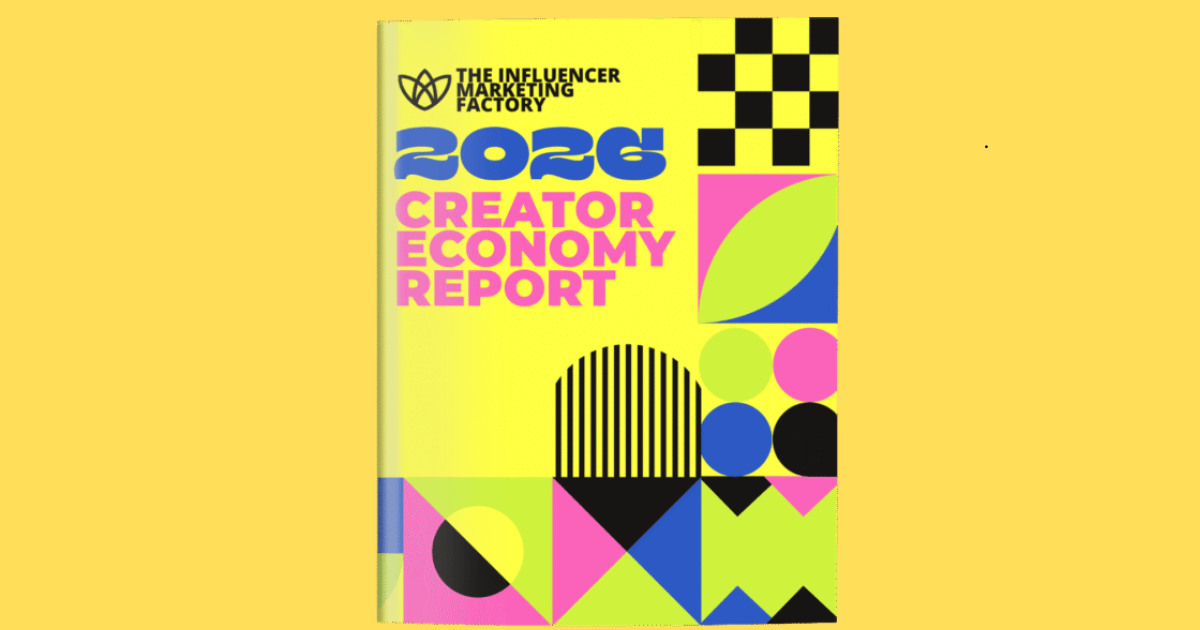
Those are among the central findings of the Influencer Marketing Factory‘s “2026 Creator Economy Report,” which surveyed 1,000 U.S.-based creators in January 2026 and analyzed more than 5 million social media accounts in partnership with HypeAuditor.
Platform Diversification Is Now Standard Practice
The data shows no single platform dominates how creators operate.
YouTube ranks first among creators for time investment, while TikTok ranks first as the platform generating the majority of creator income, with YouTube second and Instagram third. The report concludes that diversification across all three platforms has become the standard creator monetization strategy in 2026.
For brand marketers, the platform engagement data adds another layer of complexity. TikTok maintains consistent median engagement rates regardless of creator audience size. Instagram Reels engagement rates decline steadily as follower counts increase, while YouTube Shorts engagement rises as creators grow. The report identifies TikTok as the most democratized short-form platform as a result of its steady engagement across account sizes.
U.S. creator ad spend is projected to reach $43.9 billion in 2026, up 18.3% from $37.1 billion in 2025, according to Interactive Advertising Bureau data cited in the report, providing a broader market context for how these platform dynamics are playing out.
Creators Push Back on One-Off Campaigns
On the partnership side, 44.9% of surveyed creators say they value stability, consistency, and deeper brand alignment over one-off campaigns. Creators source brand deals primarily through self-initiated outreach (30.2%), direct brand contact (27%), and third-party platform facilitation (18%).
Brand-side contributors to the report describe a corresponding shift in how leading marketers approach creator relationships.
Tarang Jain, Senior Director of Paid Media at Hill’s Pet Nutrition, said the industry is moving toward fewer but deeper engagements. “The move from many one-time interactions to fewer but longer, more meaningful partnerships is coming,” Jain said.
Austin Null, Chief Creator Officer at We Get It, framed the shift in terms of campaign architecture. “Smart brands will empower, come alongside, and build cultural moments with creators by bringing them in at the very beginning of the campaign building process to build the strategy and creative ideas collaboratively,” Null said.
What the Data Means for Campaign Planning
The creator income picture reinforces the multi-platform reality brands must account for.
Ad revenue leads creator income sources at 21.6%, followed by creator payouts at 13.3% and brand partnerships at 12.7%. Product and merchandise sales combined with affiliate marketing account for an additional 21.2% of creator income, indicating that creators operate across multiple revenue streams simultaneously, not just through brand deals.
On brand-deal reliance specifically, 24.4% of creators derive 0% to 10% of their income from brand partnerships, while 12.6% rely on brands for 30% to 35% of their income. The data suggests that for most creators, brand partnerships represent one component of a diversified income stack rather than a primary revenue source.
Fifty-one and a half percent of creators reported earnings growth year-over-year in 2025, with 38.6% reporting flat earnings. The report also notes that 45.6% of creators earn between $10,000 and $100,000 annually from content creation, characterizing this segment as a viable middle class that is successfully monetizing content.
For brand marketers, the picture the data presents is one in which creators are running multi-platform operations with diversified income streams and actively seeking brand relationships that reflect that professional orientation: sustained, collaborative, and aligned with how they already work.
Image source: The Influencer Marketing Factory Get the full report here
Cecilia Carloni, Interview Manager at Influence Weekly and writer for NetInfluencer. Coming from beautiful Argentina, Ceci has spent years chatting with big names in the influencer world, making friends and learning insider info along the way. When she’s not deep in interviews or writing, she's enjoying life with her two daughters. Ceci’s stories give a peek behind the curtain of influencer life, sharing the real and interesting tales from her many conversations with movers and shakers in the space.











A survey of 1,000 U.S. creators shows income spreading across TikTok, YouTube, and Instagram, while nearly half of creators prioritize sustained brand relationships over one-off deals
Brand marketers seeking to maximize creator partnerships face a shifting market in 2026: the creators they want to work with are distributing their time and income across multiple platforms simultaneously, and nearly half say they prefer long-term brand relationships over single-campaign engagements.
Those are among the central findings of the Influencer Marketing Factory‘s “2026 Creator Economy Report,” which surveyed 1,000 U.S.-based creators in January 2026 and analyzed more than 5 million social media accounts in partnership with HypeAuditor.
Platform Diversification Is Now Standard Practice
The data shows no single platform dominates how creators operate.
YouTube ranks first among creators for time investment, while TikTok ranks first as the platform generating the majority of creator income, with YouTube second and Instagram third. The report concludes that diversification across all three platforms has become the standard creator monetization strategy in 2026.
For brand marketers, the platform engagement data adds another layer of complexity. TikTok maintains consistent median engagement rates regardless of creator audience size. Instagram Reels engagement rates decline steadily as follower counts increase, while YouTube Shorts engagement rises as creators grow. The report identifies TikTok as the most democratized short-form platform as a result of its steady engagement across account sizes.
U.S. creator ad spend is projected to reach $43.9 billion in 2026, up 18.3% from $37.1 billion in 2025, according to Interactive Advertising Bureau data cited in the report, providing a broader market context for how these platform dynamics are playing out.
Creators Push Back on One-Off Campaigns
On the partnership side, 44.9% of surveyed creators say they value stability, consistency, and deeper brand alignment over one-off campaigns. Creators source brand deals primarily through self-initiated outreach (30.2%), direct brand contact (27%), and third-party platform facilitation (18%).
Brand-side contributors to the report describe a corresponding shift in how leading marketers approach creator relationships.
Tarang Jain, Senior Director of Paid Media at Hill’s Pet Nutrition, said the industry is moving toward fewer but deeper engagements. “The move from many one-time interactions to fewer but longer, more meaningful partnerships is coming,” Jain said.
Austin Null, Chief Creator Officer at We Get It, framed the shift in terms of campaign architecture. “Smart brands will empower, come alongside, and build cultural moments with creators by bringing them in at the very beginning of the campaign building process to build the strategy and creative ideas collaboratively,” Null said.
What the Data Means for Campaign Planning
The creator income picture reinforces the multi-platform reality brands must account for.
Ad revenue leads creator income sources at 21.6%, followed by creator payouts at 13.3% and brand partnerships at 12.7%. Product and merchandise sales combined with affiliate marketing account for an additional 21.2% of creator income, indicating that creators operate across multiple revenue streams simultaneously, not just through brand deals.
On brand-deal reliance specifically, 24.4% of creators derive 0% to 10% of their income from brand partnerships, while 12.6% rely on brands for 30% to 35% of their income. The data suggests that for most creators, brand partnerships represent one component of a diversified income stack rather than a primary revenue source.
Fifty-one and a half percent of creators reported earnings growth year-over-year in 2025, with 38.6% reporting flat earnings. The report also notes that 45.6% of creators earn between $10,000 and $100,000 annually from content creation, characterizing this segment as a viable middle class that is successfully monetizing content.
For brand marketers, the picture the data presents is one in which creators are running multi-platform operations with diversified income streams and actively seeking brand relationships that reflect that professional orientation: sustained, collaborative, and aligned with how they already work.
Image source: The Influencer Marketing Factory
Get the full report here
Subscribe to Our Newsletter
Check Out Our Podcast