




Agency
The Drive Agency Wants to Turn B2B Creators Into Diversified Businesses

Most talent management firms are built to close the next deal. The Drive Agency, launched in March 2025, aims to make that question irrelevant.
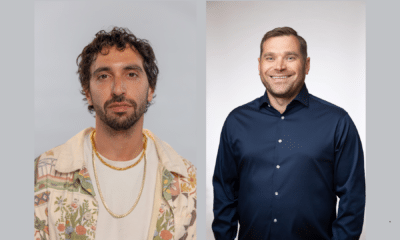
Patrick Zielinski and Leila Marsh, the agency’s co-founders, are not new to creator businesses. Between them, they have more than two decades of experience running talent pipelines through Hollywood, the early MCN era, Cameo, LinkedIn, and independent management. The company they’ve built targets a niche most agencies have not focused on: expert creators in B2B verticals, specifically technology, AI, data science, and professional development.
Patrick’s career started in traditional Hollywood talent before he pivoted to the Creator Economy. He was one of Cameo’s first hires, helped scale the personalized video platform from a 10-person seed-stage team through its Series A, and eventually led talent acquisition. After Cameo, he joined LinkedIn, where he helped build the Top Voices program.
Leila, the agency’s Chief Talent Officer, came up through ICM Partners, a Google-funded YouTube production company during the platform’s $100 million content initiative, and the multi-channel network StyleHaul before founding her own management firm, PRIZMA MGMT, in 2018. Her roster includes Brad Mondo, the professional hairstylist-turned-digital creator whose brand XMONDO Hair now sells in more than 2,200 Sally Beauty stores across the U.S. and Canada.
Together, they are applying that dual background to a segment they argue has been systematically underserved.
“The biggest thing we’re seeing is just the need for resources and support to help creators grow their business and actually connect the dots to build long-term, sustainable businesses,” Patrick says. “It’s hard to do by yourself.”
The B2B Niche Nobody Was Managing
The Drive’s thesis runs counter to how most management firms operate. Rather than chasing reach, the agency signs what Patrick calls “category-leading experts” within specific niches.
The current roster includes Colin Rocker, a Forbes 30 Under 30 honoree and LinkedIn Top Voice, who has partnered with Microsoft Copilot and Adobe; Jean Kang, a TEDx speaker who has presented at LinkedIn and HubSpot INBOUND; and Megan Lieu, founder of Master LinkedIn, a high-ticket strategy platform.
Patrick traces the idea to his time at LinkedIn. “I was meeting so many amazing entrepreneurs and content creators building communities on LinkedIn, but they weren’t getting the service and support they needed,” he says.
The specificity of Drive’s focus is a deliberate strategy, not a constraint. Patrick describes himself as a consumer of educational content, podcasts, and AI news as entertainment, not an obligation. That alignment with the subject matter makes it easier to identify talent and pitch to brand partners more credibly. “If I can align my interests with knowing this industry, who are the top players in AI, who are these CRM companies, fintech companies, YC companies, then it’s just about pairing the creator with these brands,” he says.
The Outbound Approach Changes the Partnership Calculus
Most management firms are reactive, according to Leila. She identifies that as one of the structural gaps The Drive was built to address.
“Every creator needs email inbox management,” she says, “but those inbound opportunities are sometimes the least interesting or least aligned partnerships.”
Drive’s first question when onboarding a new creator is not about rates or reach. It is about intent. Who is your dream partner? How do you want that relationship to develop? Leila sees brand partnerships not as transactional executions, but as long-term infrastructure. “We want to build out that conversation so it builds meaningful connection for the audience, where they see that true brand alignment,” she says.
Leila reveals that such a philosophy has produced some unconventional outcomes. The agency has secured brand partnerships that extend beyond sponsored content into in-person events and ongoing newsletter integrations, arrangements designed to drive community depth rather than just impressions.
“In the digital age, we’re focusing on real, human-to-human contact,” Leila notes, “because there’s a need for that in the market.”
Where Creators Hit the Ceiling
A consistent pattern in both Patrick and Leila’s observations is that creators with large, engaged audiences still consistently undermonetize. The bottleneck, in their diagnosis, is rarely content quality. It is operational.
“Where creators are getting stuck the most right now is really delegating and making sure they’re outsourcing certain parts of their day,” Patrick explains. “A lot of creators create such a bottleneck because they want to be everywhere, they want a newsletter, they want to invest in YouTube, but they need to hire an editor or find a content strategist.”
The financial hesitation to invest in support infrastructure, even when revenue is present, is something Patrick frames as a founder mindset problem. “Entrepreneurs who run businesses reinvest in their businesses,” he says. “Yes, it’s good that you’re making money, but let’s reinvest it in an editor so you can put more energy into conceptualizing, or go to a conference without feeling like you’re ten videos behind.”
Leila adds that overwhelm compounds the problem. Digital courses, physical products, in-person communities, speaking engagements, newsletters: creators often see the landscape but cannot prioritize it. “There’s an opportunity to monetize something you’re already doing, or that you can do with just a couple of tweaks,” she says. “We open their eyes to that.”

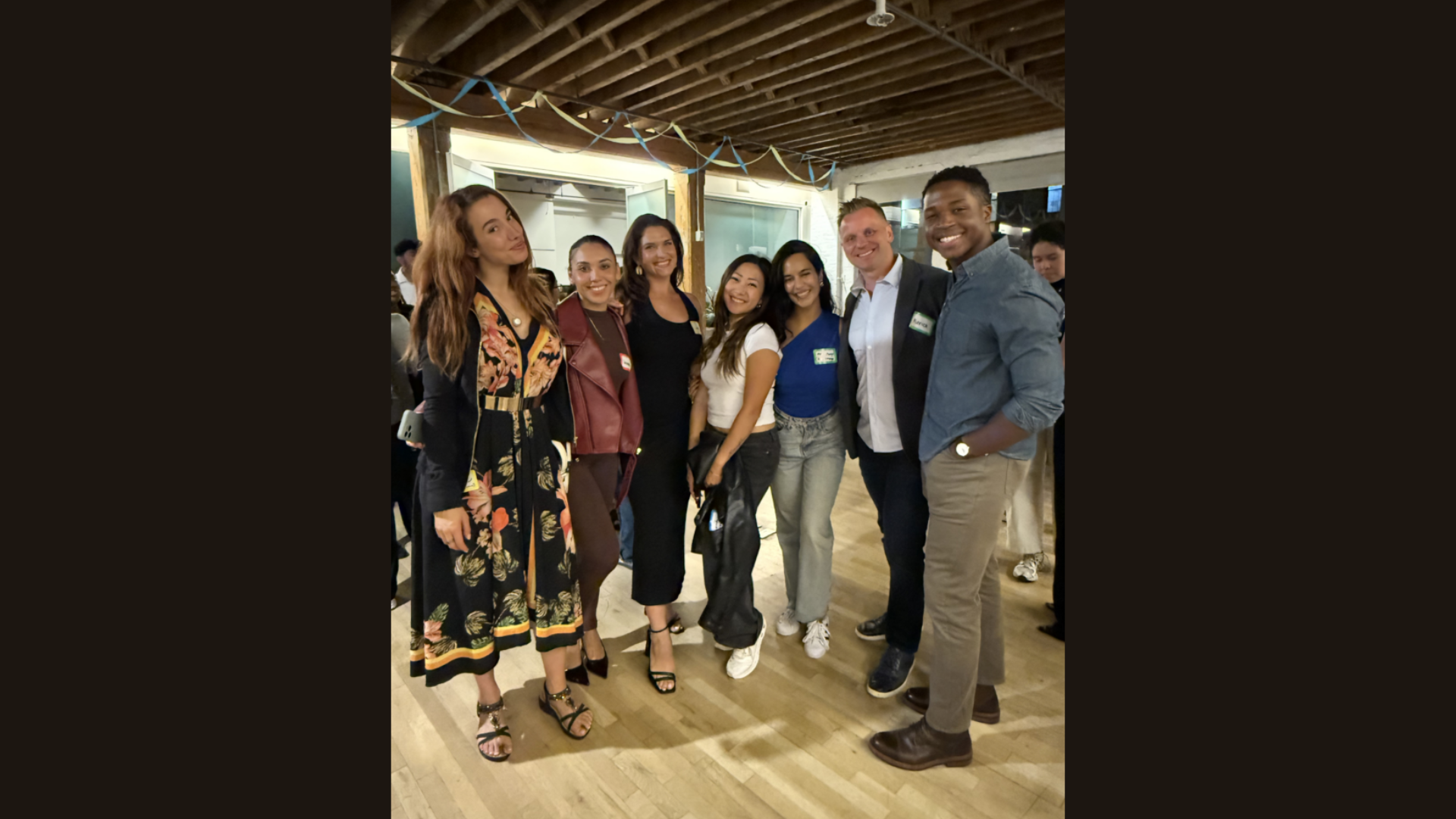
Photo: Drive’s Clients
Left to Right: Sho Dewan (credits: Thomas Leung), Jade Walters (credits: Nev Trinajstic, Nev Photography LLC), Ale Thomas (credits: Two Dudes Photo), Jess Ramos (credits: Claire Diana), and Colin Rocker (credits: Danny Bullocks)
What B2B Brands Are Actually Buying
Patrick and Leila emphasize that Drive’s brand roster, which includes Microsoft, Anthropic, Adobe, Salesforce, IBM, Notion, and Replit, does not come to the agency primarily for reach. They come for credibility.
“When IBM comes to us, it’s because they’ve seen this creator talk about data analytics at a very specific level that aligns with whatever messaging they want to get out,” Patrick says. The value centers on creators who are genuine practitioners, people who use the products and can translate technical complexity for a broad audience.
A recent campaign illustrates the model. Michelle Lawson, a computer science student on Drive’s roster with hundreds of thousands of followers, partnered with Amazon Web Services around the NFL Amazon Web Services Data Bowl, a post-Super Bowl competition that challenged participants to build advanced analytics using Amazon software and present findings to executives and athletes. “She’s literally the only person able to attend this,” Patrick says. “She’s in college, working at the intersection of the NFL, Amazon, and data.”
The measurement framework for these partnerships also differs from lifestyle verticals. Tech brands, Leila notes, apply tracked links, download counts, and registration data alongside brand awareness metrics. “They’re very tech savvy,” she says. “Conversions are certainly a priority for many of these brand partners.”
The Fit Test Looks Like a VC Pitch
Not every creator with the right metrics is a good fit for Drive, according to the founding duo. Patrick describes the screening process using a venture capital analogy. “Are you going to go all the way? Is this name and brand you’ve developed going to become worth millions of dollars?”
The agency turns down creators who are exclusively focused on brand deals, locked into one or two platforms, or unwilling to think past the next check. Leila puts it directly: “Someone who is not thinking long-term, who is just always chasing the next check, not looking at the big picture, not open to our feedback and strategic thinking.”
The alignment requirement cuts both ways. Management commits significant time in the early months to auditing brand profiles, recommending website builds, identifying newsletter opportunities, and mapping cross-platform content strategies. None of that generates immediate revenue for the agency.
“You’re also investing in this creator long-term,” Patrick says. “That may not have monetary dividends right away.”
Building Toward the Next Phase
The Drive Agency currently operates with a team of five. Patrick and Leila describe the next 12 months as a period of selective growth, both on the talent side and internally.
“Adding A+ people that are genuinely passionate about this space is only going to help us exponentially grow,” Patrick says.
The agency’s ambition extends beyond management. Drive has positioned itself as an end-to-end infrastructure provider for expert creators, covering brand partnerships, physical product development, digital courses, speaking placements, and staffing for creator-led companies.
Whether the expert creator vertical proves to be a defensible niche or a broader template for talent management will become clearer as the roster grows. For now, the founders are betting that the creator economy’s next chapter belongs to practitioners with genuine expertise, and that the agencies equipped to represent them do not yet exist at scale.
“We’ve seen creators come and go,” Patrick says. “There is such value in having institutional knowledge of relationship building and understanding how to take what we learned from traditional entertainment.”
Subscribe to Our Newsletter
Check Out Our Podcast