






Talent Collectives
The Creator Society’s Natalie Driver On Launching Gen C And Why Micro Creators Need Structure Before Scale

According to Natalie Driver, co-founder and Chief Talent Officer at marketing agency The Creator Society, one of the creator economy’s most persistent structural gaps no longer sits at the top. Instead, it appears earlier in the funnel, where micro and nano creators are building audiences, generating revenue, and fielding brand inquiries, often without the knowledge or support systems needed to sustain those opportunities.
That gap is what Natalie set out to address with the launch of Gen C, a new initiative designed for creators who are serious about long-term careers, but not yet ready (or attractive) to traditional management models.
Formally launched in December 2025, Natalie positions Gen C not as a course, accelerator, or management program, but as a “society” for early-stage creators who are often overlooked by agencies while simultaneously targeted by brands eager for engagement-heavy audiences.
Shortly after its announcement, Gen C attracted inbound interest from creators who, as Natalie puts it, are “doing everything right” but still feel stuck. Their questions about rates, contracts, usage, affiliate strategy, and legitimacy highlight a structural imbalance in the creator economy that Gen C is designed to confront.
Identifying the Gap Between Virality and Viability
Natalie’s insight into this gap comes from years of working directly with creators across growth stages. At The Creator Society – where she leads talent strategy and growth across the company’s roster, guiding creators through brand partnerships, affiliate revenue, and long-term career planning – she has seen firsthand how quickly the industry mobilizes once a creator reaches a certain follower threshold, and how little support exists before that point.
“We kept seeing incredibly talented creators building communities, driving real engagement, and even generating revenue, but without any access to real strategy,” Natalie says. “They didn’t understand contracts. They didn’t understand usage or exclusivity. And they didn’t have anyone to ask.”
As Natalie points out, the problem persists because most agencies are structurally incentivized to focus on scale. Managing micro creators one-to-one is often not profitable, even when those creators demonstrate strong conversion or engagement metrics. At the same time, brands increasingly value smaller creators for their trust and performance, creating a mismatch between demand and support.
“That’s where a lot of the confusion and frustration comes from,” she explains. “Creators are getting emails, offers, contracts, but no context for what’s fair, what’s normal, or what’s risky.”

From Talent Management to Creator Society
Gen C builds on The Creator Society’s broader philosophy, which emphasizes long-term creator sustainability over short-term deal volume. Founded with a creator-first mandate, the company has focused heavily on affiliate optimization, intentional brand partnerships, and transparency around revenue structures.
Natalie, who previously served as Chief Revenue Officer, transitioned to Chief Talent Officer to focus more directly on creator development. “My role really sits at the intersection of talent advocacy, business strategy, and relationship building,” she says. “That’s where Gen C came from.”
Rather than expanding traditional management services downward, Natalie made a decision to design something structurally different. Gen C excludes one-to-one management entirely, instead offering creators access to shared education, community, and vetted insight from The Creator Society team.
“This isn’t traditional management,” Natalie says. “It’s access, insight, and a real seat at the table for creators who are building toward something bigger.”
Who Gen C Is Built For
Gen C targets micro and nano creators who post consistently and treat their platforms as businesses, even if they haven’t yet monetized effectively. According to Natalie, the society is designed for creators focused on long-term growth, rather than viral moments.
“We’re really looking for early, but serious creators,” she says. “People who want to build a brand and a business, not just chase a video going viral.”
That focus also shapes who Gen C is not for. Creators looking for full-service management, daily deal negotiation, or monetization without structure are unlikely to be a fit. “That level of support is overwhelming at this stage,” Natalie notes. “What they need first is clarity.”
Applicants undergo a vetting process led directly by Natalie to ensure alignment with The Creator Society’s values and to maintain a small, intentional cohort size. “I want to make sure I’m diving into these accounts and giving them the same level of intention I’d want from them,” she says.
Rates, Contracts, and the Cost of Inexperience
One of the most consistent issues Natalie hears from creators is confusion around pricing and contract terms. She points to widespread underpricing as a structural problem that affects not only emerging creators but the broader market.
“Creators who don’t understand rates or usage are accepting deals far below what they should,” she says. “That doesn’t just hurt them. It affects creators who have been building businesses for ten years and suddenly see rates pushed down.”
Contracts are another flashpoint she highlights. Without access to legal counsel, many creators rely on online advice or AI tools that may lack nuance. “Being able to explain contracts in human terms is huge,” Natalie explains. “These creators just want to know what they’re signing and what it means for their future.”
Gen C addresses these challenges through group calls, open Q&A sessions, and shared resources that demystify industry norms.
Affiliate Education as a Foundation for Sustainability
Affiliate revenue plays a central role in Gen C’s framework, reflecting The Creator Society’s long-standing emphasis on performance-based income. Natalie views affiliate marketing not just as a revenue stream, but as an educational tool.
“Affiliate marketing teaches creators how to think like business owners,” she says. “It teaches trust, conversion, and audience behavior. It rewards consistency instead of virality.”
According to Natalie, many creators abandon affiliate strategies prematurely due to a lack of guidance. Gen C aims to reframe affiliate income as a foundational layer, often the first reliable revenue stream that supports long-term growth.
Community as Infrastructure, Not Buzzword
Beyond monetization, Natalie believes one of Gen C’s most important contributions is psychological. Creator isolation, she argues, is an under-discussed issue with real mental health implications.
“Creators are constantly asking, ‘Is this happening to everyone or just me?’” she says. “Not having that context is exhausting.”
By creating a shared space where creators can compare experiences, metrics, and challenges, Gen C offers what Natalie describes as “clarity without pressure.” It also reinforces a core belief she repeats throughout the conversation: “All ships rise together.”
Positioning Gen C Within a Shifting Creator Economy
Natalie sees Gen C as part of a broader industry correction that acknowledges the economic importance of creators who may never become household names but still build viable, independent businesses.
“We focus so much on the biggest creators,” she says. “But there are thousands of creators making a living wage, building sustainable careers, and you probably don’t know who they are. That matters.”
By meeting creators earlier in their journeys, Natalie hopes Gen C can change how value is distributed across the ecosystem and how confidence is built along the way.
“I’m excited to see creators stop questioning whether they belong and start building the confidence they need,” she concludes. “That’s really what we hope Gen C stands for.”
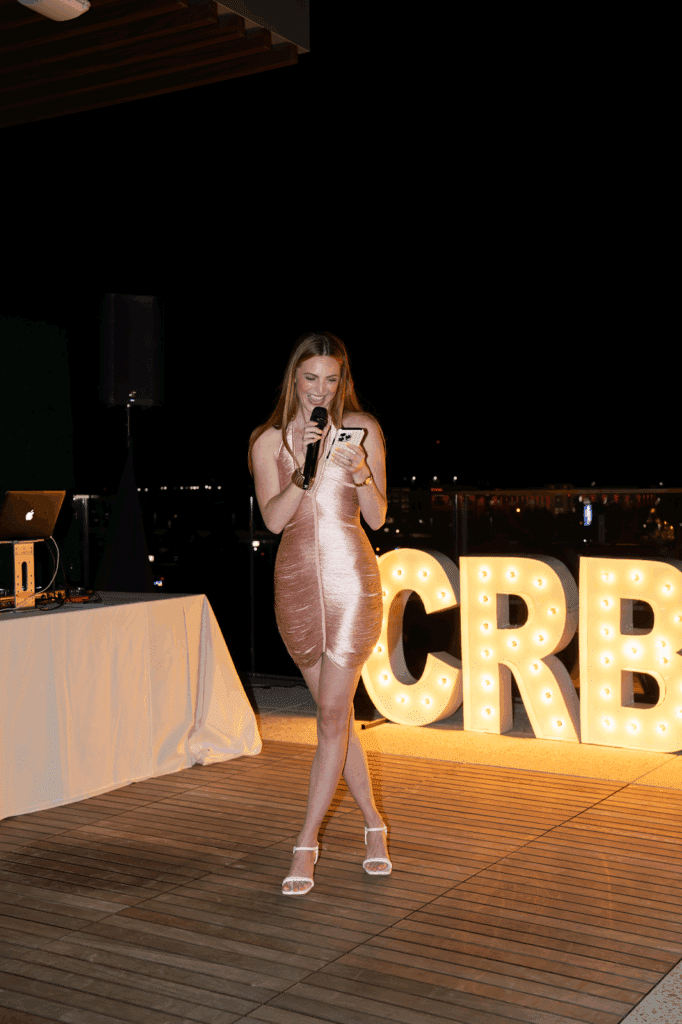
Photo source: The Creator Society
Subscribe to Our Newsletter
Check Out Our Podcast