



Agency
Swiss Agency Kingfluencers Looks Beyond Likes As Gregor Doser Pushes For Measurable Impact

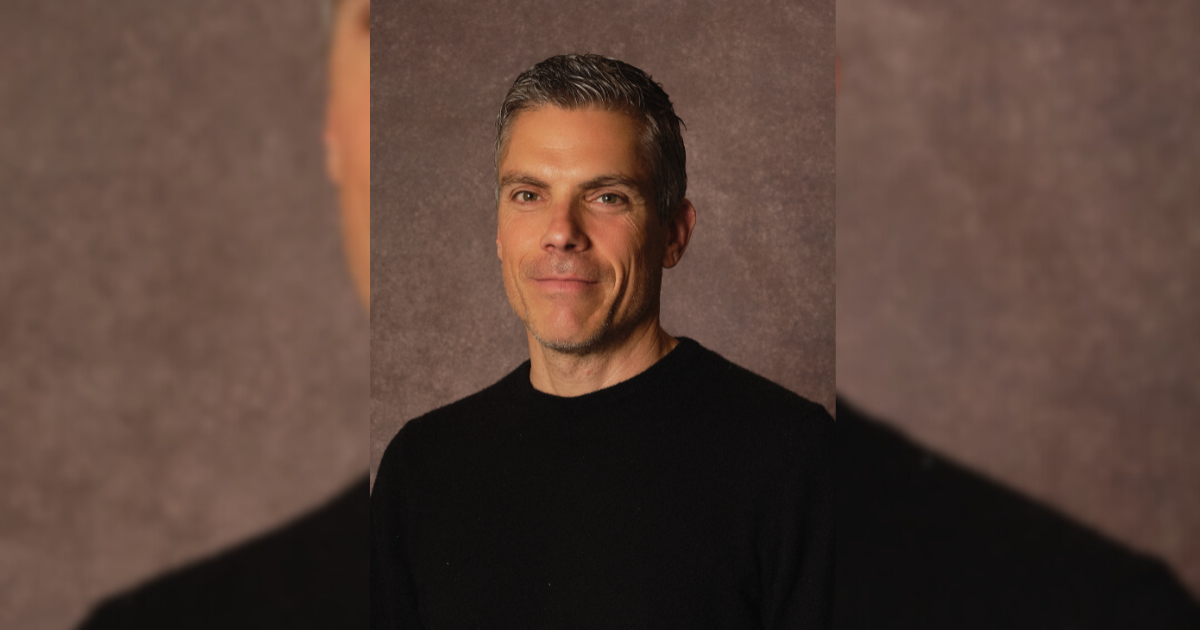
When Gregor Doser joined Kingfluencers as Chief Commercial Officer, he saw a rare opportunity to unite two worlds he knew intimately: technology and storytelling. After more than a decade leading digital transformation at Google Switzerland, including YouTube’s local market strategy, Gregor joined the Swiss influencer marketing agency to help push the industry toward a more strategic, human-centric future.
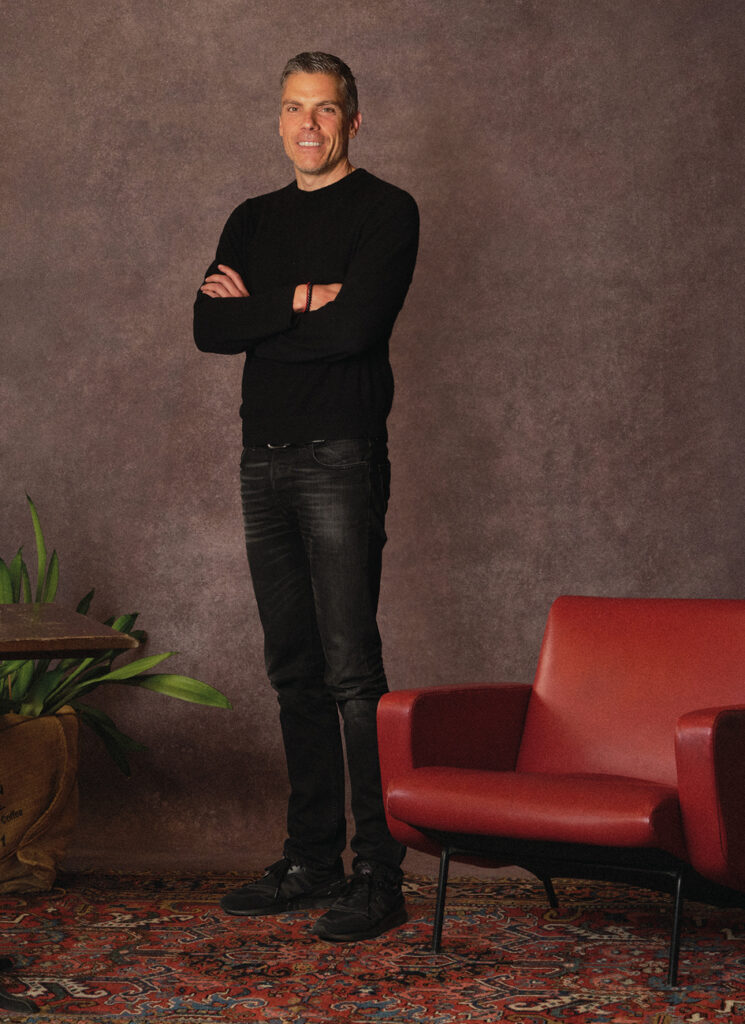
Founded in 2016, Kingfluencers is one of the first influencer marketing companies in Switzerland. Its mission has remained clear: to connect brands with creators, transform storytelling into measurable business value, and go, as its internal motto declares, #BeyondInfluence.
“Brands often struggle to navigate an oversaturated market, find the right partners, and measure real value beyond vanity metrics,” Gregor says. “That’s where we come in. Kingfluencers bridges the gap between creativity and strategy, helping brands cut through the noise with authentic storytelling and measurable results.”
In March 2025, Kingfluencers joined the naoo Group, an emerging Swiss social media platform centered on community and creativity. For Gregor, the partnership marks a turning point. “We’re now strengthening our ecosystem and actively shaping the future of digital marketing and social commerce,” he says.
Connecting Strategy, Creativity, and Technology
At the heart of Kingfluencers’ success lies a dual focus on influencer marketing and social media consultancy. Gregor describes them as “two sides of the same coin.” Influencer marketing, he says, is about “authentic connections,” while consultancy defines the “why” behind every collaboration.
“Our creative strategy teams help brands understand who they are, how they sound, and where they fit in the cultural conversation,” he explains. “From brand positioning and storytelling to creative direction and content strategy, we ensure every influencer partnership aligns with a clear, impactful narrative.”
Gregor also believes that this model allows Kingfluencers to offer both strategic depth and creative agility. “Influencer marketing isn’t a one-off tactic; it’s a key piece of a brand’s long-term social strategy,” he notes. “When consultancy and execution work hand in hand, campaigns don’t just make noise. They make sense.”
Through its 3,800-strong creator network, Kingfluencers executes hundreds of campaigns each year across sectors including beauty and Fast-Moving Consumer Goods (FMCG), as well as tech, finance, and entertainment. Gregor highlights the agency’s work with clients such as L’Oréal, BMW, Miele, and OREO as a testament to its cross-market expertise.

Scale, Substance, and a Human Touch
Even with a vast creator network, Kingfluencers measures success by substance, not size. “We connect brands with authentic voices that truly fit their identity,” Gregor says. “We’ve successfully executed countless campaigns across industries, always focusing on meaningful impact and measurable results, not vanity metrics.”
The company’s approach blends technology with human understanding. AI tools help identify creator-brand matches, but final decisions rely on personal knowledge of creators’ tone, professionalism, and audience trust. “We never rely on numbers alone,” Gregor says. “Our close relationships with creators mean we know their personality and community fit beyond the data.”
That balance between analytical rigor and creative intuition reflects Gregor’s broader philosophy: “authenticity can’t be automated.”
“Technology should amplify authenticity, not replace it,” he says. “Creators know their communities best. They understand what feels real and what doesn’t. Our job is to provide clarity, structure, and trust so creativity can thrive.”
Micro, Macro, and the Power of the Mix
In the long-running debate between micro- and macro-influencers, Gregor rejects the binary. “We see influence as a spectrum, not a size category,” he points out. “Each tier brings unique strengths to a campaign, and understanding how to combine them strategically is where real impact happens.”
He notes that micro-influencers often command deep community trust, while macro-influencers can create large-scale cultural moments. “The real magic lies in a hybrid approach – leveraging a layered creator mix that combines the trust and depth of smaller creators with the reach and impact of larger ones,” he says. “Ultimately, we don’t pick sides, we pick strategy.”
Gregor credits that strategic mindset for helping Kingfluencers maintain a 97% success rate across influencer campaigns and long-term collaborations. “Our philosophy is simple: campaigns must be both measurable and meaningful,” he says. “When creators and brands align authentically, performance follows naturally.”
Measuring Impact Beyond Vanity Metrics
Gregor is direct when it comes to how the agency defines success. “For us, success starts with one simple question: ‘Is the client genuinely happy with the outcome?’” he says. Quantitative Key Performance Indicators like Cost Per Mille and reach still matter, but Kingfluencers’ reporting extends to qualitative dimensions such as brand fit, comment sentiment, and community feedback.
“We look at behavioral signals – saves, shares, search interest – because they tell a deeper story than impressions ever could,” Gregor explains. “In the end, real impact shows up in brand perception, community trust, and long-term relationships.”
This people-first measurement philosophy echoes Gregor’s background at Google, where he spent nearly 13 years helping some of Switzerland’s largest companies navigate digital transformation. “Having seen the evolution of digital platforms firsthand, I was drawn to Kingfluencers for its pioneering spirit and people-first culture,” he says.
The State of Influence in 2025
For Gregor, today’s most successful influencer campaigns are those that provide “real” user value. “Audiences no longer respond to polished product placements – they connect with creators who share genuine experiences, useful tips, or relatable stories,” he says.
In Kingfluencers’ “Trends Guide 2025,” the company identifies several macro shifts shaping the industry:
- Value-driven content that is authentic rather than aesthetic.
- Social commerce acceleration, particularly on TikTok, where “entertainment meets conversion.”
- AI-enhanced storytelling, blending data and personalization at scale.
- A growing focus on community over virality, especially among niche and mid-tier creators.
“What’s working best is value-driven content and strategic integration,” Gregor says. “When influencer marketing becomes part of a broader omni-channel strategy – combining digital, offline, and media extensions – it transforms from a ‘nice-to-have’ into a growth driver.”
At the same time, Gregor sees outdated practices holding some brands back. “The ‘one-shot’ campaign mindset is no longer effective,” he says. “Audiences see through transactional content immediately. Overly scripted campaigns kill authenticity, and ignoring localization is another major pitfall – what works on TikTok in the U.S. won’t necessarily land in Switzerland.”
A ‘Glocal’ Mindset
Understanding cultural nuance has become one of Kingfluencers’ competitive advantages, according to Gregor. Switzerland’s multilingual environment (German, French, Italian, and Romansh) forces precision in tone, humor, and storytelling.
“It’s a challenge, but also our strength,” he says. “We’ve learned how to adapt narratives seamlessly across audiences while keeping a unified brand message.”
He describes Kingfluencers’ philosophy as “glocal”: global strategy, local execution. “Brands should always localize when culture, tone, or humor are key,” he says. “But if a concept is built on universal values or visual storytelling, it can scale internationally – just with local faces and context.”
Embracing AI Without Losing the Human Spark
Artificial intelligence is playing an increasingly central role in how Kingfluencers plan, match, and measure campaigns. Yet Gregor remains adamant that AI should act as a “co-pilot,” not a replacement for human creativity.
“We use AI tools to identify the right creators faster, analyze audience data more deeply, and optimize performance in real time,” he says. “But the magic still lies in real relationships between creators and communities.”
Virtual influencers, for instance, present new creative possibilities but also new ethical questions. “They’re cost-efficient, controllable, and scalable,” Gregor notes. “But they also raise serious concerns about authenticity and trust. We see them as part of the broader ecosystem, not a substitute for human creators.”
The Future of Influence
According to Gregor, influencer marketing is becoming an integral part of every brand’s growth strategy. “In five years, influencer marketing will no longer be optional,” he says. “As traditional media loses audience attention, authentic creator storytelling will fill that gap.”
Kingfluencers’ current focus is on finalizing its integration with the naoo Group and launching campaign formats that blend gamification, community engagement, and measurable storytelling. “We’re doubling down on measurement and tech infrastructure so our work is not only creative, but scalable and data-driven,” Gregor says.
He also shares pragmatic advice to brands entering influencer marketing: “Start with clarity, not virality,” he says. “It’s not about chasing trends – it’s about building long-term partnerships that reflect your brand’s values and your audience’s reality.”
As for Kingfluencers, the agency’s ambitions stretch far beyond central Europe. “Asia is by far the most exciting region right now,” Gregor says. “Markets like Japan, South Korea, and Southeast Asia are redefining the creator economy, not just in scale, but in innovation.”
The company’s long-term goal, he adds, is to be recognized as the benchmark for innovative, tech-driven influencer marketing. “We want to be the agency others look to for what’s next,” Gregor says. “With our strong platform ecosystem and focus on thought leadership, we’ll continue shaping how brands connect with audiences in meaningful, authentic ways.”
“The future belongs to brands and creators who are bold, human, and data-driven,” Gregor concludes. “Those who use creativity and community to shape culture – not just chase it.”
Subscribe to Our Newsletter
Check Out Our Podcast