




Agency
OpenSponsorship’s Ishveen Jolly On Bringing Analytics To The Business Of Influence

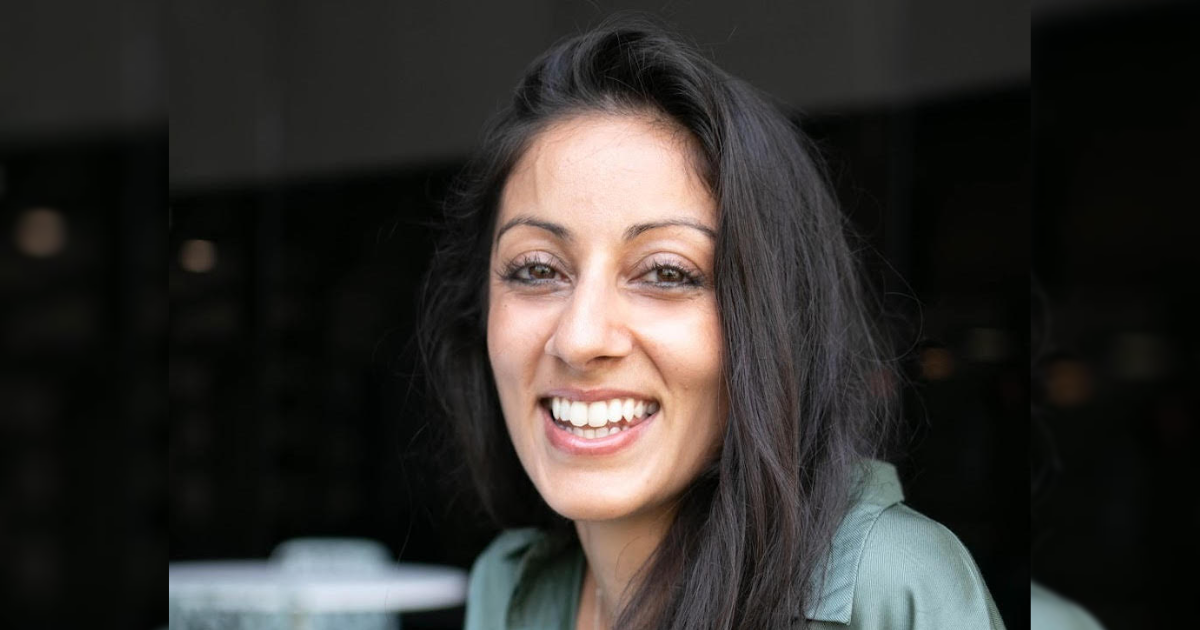
Ishveen Jolly is among a growing class of entrepreneurs using data to bring structure to the creator economy. As founder and CEO of OpenSponsorship, she leads a platform that connects brands with athletes and influencers through a technology-driven approach to sponsorships.
Upon entering the sports sponsorship world, Ishveen saw something few others did: inefficiency. Deals relied on proximity, introductions, and intuition rather than data. “Before technology, you had to know someone, you had to be in the same room as them,” she recalls. “Sports is so global, and yet so disconnected. I realized technology could change that.”
That insight eventually led Ishveen, a former Oxford University economics graduate and competitive athlete, to leave her management consulting career in London and move to India to work as a sports agent. Brokering deals for leagues and teams gave her a front-row view of how fragmented the sponsorship industry was, and how ripe it was for innovation. “I loved sports marketing and sponsorship as a form of marketing,” she says. “But it lacked transparency, access, and tech innovation.”
The realization inspired her to launch OpenSponsorship in 2015. This New York-based platform is designed to connect brands with athletes in a more efficient way. “I kept thinking, ‘Why isn’t there an Airbnb or LinkedIn for sponsorships?’” Ishveen says.
Over the past decade, that question has driven the company’s development. Backed by Serena Williams, David Blitzer, and other investors, OpenSponsorship has completed more than 10,000 deals across 160 sports and 120 countries, linking more than 20,000 athletes and influencers with brands.
“We realized that athletes are influencers, and that was a huge untapped opportunity,” Ishveen says. “Today, we work not just with athletes, but with creators of all types.”
A Tech-Enabled Agency
OpenSponsorship started as a self-service platform, where brands could log in and manage campaigns themselves. That model didn’t last. “We used to have a self-service model, but we got rid of that,” Ishveen explains. “When we helped manage the process, everything worked better; better campaigns, stronger relationships, longer retention. Offering people the cheapest thing isn’t necessarily the best.”
Now, OpenSponsorship operates as a tech-enabled agency, blending automation with human insight. Brands can access a data-driven platform that matches them with the most relevant athletes or creators, while Ishveen’s team provides strategy and campaign execution support.
“Everyone wanted tech and logins,” she says. “Now we’ve swung the other way. People want human contact and relationships again.”
Ishveen notes how the shift mirrors broader trends in influencer marketing. Once focused on scale, the industry now prizes strategy and original content. “Influencer marketing has become more of a strategy,” she adds. “It’s that blend of art and science.”

The Changing Value of Influence
When OpenSponsorship began, convincing brands to invest in influencer marketing was a challenge. “It was always harder with the paying side,” Ishveen says. “Our business model made it free for athletes and agents to sign up, but brands had to pay. And ten years ago, influencer marketing was still a ‘nice to have,’ not a ‘need to have.’”
That perception has changed. “With brands like Unilever saying they’ll spend 60% of their budget on influencer marketing, it’s become a legitimate sales channel,” she says. “Today, no brand isn’t doing influencer marketing. It’s the new word-of-mouth. Absolutely necessary.”
Her view reflects a growing maturity in how marketers think about creators. “The question isn’t whether to do it,” she explains. “It’s whether to do it in-house or with a third party, whether to focus on macro or micro creators, and how to measure success.”
The Flaw in Engagement Metrics
For Ishveen, success measurement has become a defining focus. “We realized that the way engagement rates are measured for creators is outdated,” she says. “Brands typically look at the account-level engagement rate; how the creator performs on average. But that’s not the full picture.”
She offers a clear example: “Let’s say an athlete’s average engagement rate is 1%. But when she posts about menopause and aging, it jumps to 6%. If you’re a menopause-focused brand, that’s the number you should care about. The audience clearly wants that content.”
OpenSponsorship’s new search tool lets brands measure engagement not just by account averages, but by post-level performance. Brands can search for creators who perform best on specific topics, such as fitness, skincare, or wellness.
“You can say, ‘Show me all the athletes and influencers who’ve talked about cats, but filter by post engagement,’” Ishveen says. “That way, you don’t exclude someone with a lower overall rate if their relevant posts perform better.”
The platform’s dataset now includes more than 13 million pieces of content, analyzed with this contextual approach. “The biggest thing we’ve seen is how much variance there is between the average engagement rate and the actual post-level rate,” she explains. “It’s enormous. A post about a new wig might perform four times better than the average, and that’s valuable insight.”

From Data to ROI
Ishveen believes the move from account-level to post-level analytics will change how brands measure return on investment.
“It’s going to improve ROI (Return on Investment) because you’re basing decisions on posts that are relevant and have performed well,” she says. “It also opens more partnerships; creators who might’ve been overlooked before now have proof that their content works.”
That perspective aligns with OpenSponsorship’s broader mission. “ROI isn’t just the dollar investment, but the time investment,” Ishveen explains. “We know that, for many brands, the time it takes to do these deals and make them successful is too much. We’re streamlining the process to make influencer marketing and athlete sponsorships scalable.”
What’s Next for OpenSponsorship
After a decade focused on sports, OpenSponsorship’s remit has expanded. “We’re increasingly doing non-athlete deals,” Ishveen shares. “Last week we did one for Philadelphia Airport with a Benjamin Franklin impersonator,” she laughs. “Brands want a healthy mix of creators, not just one niche.”
The company is now developing tools that extend beyond its own network, including AI-based profile completion and social listening technology to identify creators outside its database. “We’re integrating more technology for discovery,” she says. “The goal is to help brands find the right creator anywhere, not just among the ones who’ve signed up.”
Regarding the future of influencer marketing, Ishveen offers a pragmatic perspective. “It’ll be interesting to see where brands land on the purpose of creators,” she says. “Right now, deals can serve as user-generated content, as a sales channel, or as validation. If AI becomes the new search engine for brands, they might need influencers less for reach. But if AI doesn’t do well with imagery and video, the role of creators for UGC (User Generated Content) won’t go away anytime soon.”
Ishveen also sees progress in how creators get paid. “There’s a tug of war between brands wanting affiliate or royalty deals and creators wanting upfront payment,” she says. “We handle it by doing upfront cash deals for a trial, and then turning successful ones into longer-term royalty partnerships. It’s a win-win.”
OpenSponsorship’s expansion into new creator categories and data measurement tools suggests that the next phase of sponsorship will look a lot like performance marketing: grounded in precision, but powered by personality.
For Ishveen, the mission is simple. “We’re making brand and creator partnerships ‘ROI-positive,’” she concludes. “That means better results for brands, better opportunities for creators, and smarter use of everyone’s time.”
Subscribe to Our Newsletter
Check Out Our Podcast