



Agency
True Native Media’s Heather Osgood Explains Where Brands Go Wrong With Podcast Ads

U.S. podcast consumption reached an all-time high in 2026, with 167 million Americans (58%) listening each month. Heather Osgood, who has brokered those placements for a decade, believes the format’s growth has outpaced brands’ ability to spend in it wisely.
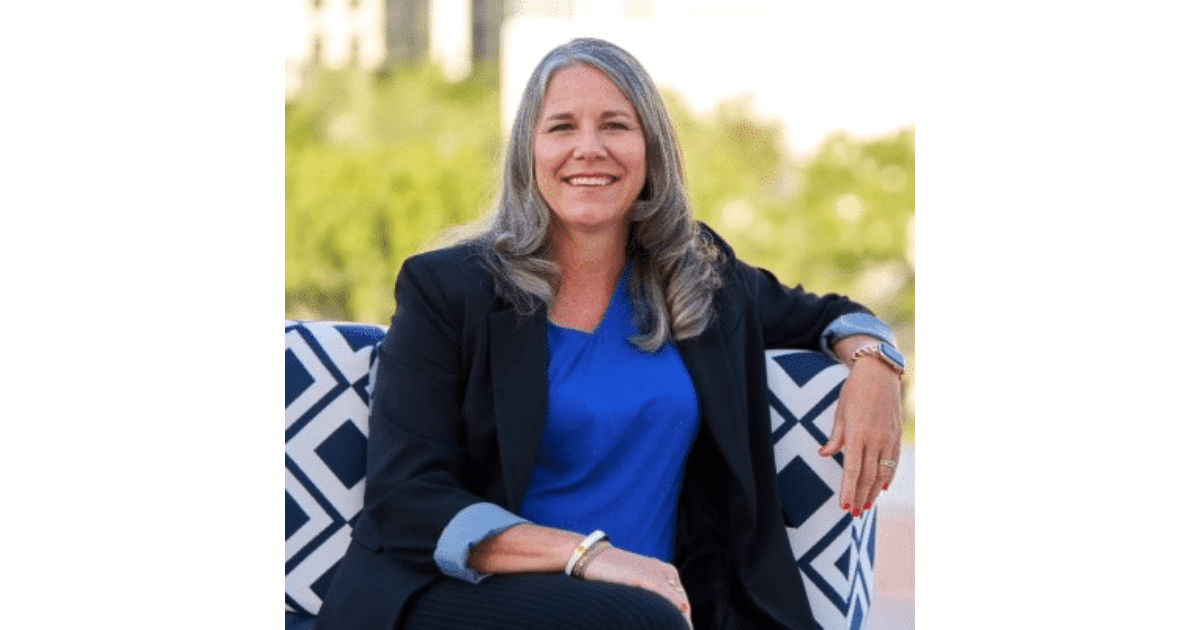
Heather is the CEO and founder of True Native Media, a U.S.-based podcast representation agency launched in January 2016. The company connects podcast hosts and networks with advertisers, managing host-read endorsement campaigns across direct-to-consumer brands, media agencies, and corporate accounts. With a team of 17, True Native Media occupies the mid-market between individual hosts managing their own ad sales and the mega-networks that aggregate thousands of shows.
“It’s my goal to help podcasters monetize the creation that they have,” Heather says. “Advertisers love to get in front of audiences that are very engaged, and podcasts are very engaged.”
Before Anyone Knew What a Podcast Was
Heather spent more than 20 years selling advertising across radio, print, and trade shows before she pitched her first podcast campaign. That background gave her something most early podcast advocates lacked: a historical frame for what media decline actually looks like.
“Because I had a background in radio advertising and print advertising, I saw how those mediums were really dying,” she explains. “It was easy for me to say that podcasts will likely increase in size.”
What she did not anticipate was how long the market education would take. When she launched True Native Media in 2016, she found herself calling marketing professionals who had never heard of a podcast. She credits “Serial,” a journalism podcast launched in 2014, as the catalyst that helped mainstream marketers understand the format. “It did change the landscape of podcasting because it really helped educate people,” she says. “But it still took several years for the average marketer to say, maybe I should think about advertising on them.”
“I think I really did end up getting into the market at a very good time,” Heather says. “The real rise in podcasting happened around 2017, 2018.”
Relationship vs. Scale
True Native Media positions itself explicitly against the industry’s largest players. When a podcaster considers where to place their show, Heather says the choice is effectively binary: mega-networks like SiriusXM, iHeart, Acast, and Audacy on one end, and independent firms like hers on the other.
Her pitch is direct. In a mega-network, shows get lost. “When you’re working with these massive organizations, they’re working with thousands of podcasts to try and get ad placements,” she says. “In many cases, they just become more of a number.”
At True Native Media, Heather notes, hosts have direct access to her and each member of her team. The relationship-first model is a carry-over from her years in traditional ad sales. “Building strong relationships was really the foundation of everything that I did,” she says.
That philosophy also shapes how the company builds its roster. The standard threshold for host-read representation is 100,000 downloads across a show’s full catalog. For emerging shows that do not yet qualify, True Native Media runs a program called “PodRamp,” placing announcer-read ads that require no additional work from the host while their audience grows.
“The hope, of course, is that we’re going to move them from that emerging stage into a fully developed show,” Heather says.
How the Money Moves
True Native Media’s core pricing runs on CPM, or cost per thousand impressions. Rates range from $15 to $50, with an average of around $25. The variables driving premium rates include audience specificity, inventory demand, and established show longevity. A tech podcast reaching senior decision-makers commands significantly more than a general-interest program.
Before any campaign launches, the host reviews the advertiser and must agree to endorse the product. That vetting step, Heather argues, is what gives host-read ads their effectiveness. “It’s important that the host doing the ad read really likes the product,” she says.
According to Heather, successful campaigns require three things to align: product, audience, and host. “When those three pieces align, that’s really when we see the marketing success that we’re looking for.”
Strong campaigns start at $10,000, Heather says, and can scale into the hundreds of thousands depending on reach. Underfunding is one of the most consistent mistakes she sees from new advertisers. Podcast campaigns distribute spend across multiple shows by design. When a brand buys only one show, and it underperforms, the campaign fails by design.
When Campaigns Fail, and Why
The two campaigns Heather returns to most readily illustrate what separates a working podcast buy from a wasted one.
A diamond ring company new to podcast advertising succeeded because it matched investment to the channel’s requirements, timed the campaign to engagement season, deployed attribution tracking to measure expressed interest rather than direct purchases, and chose the right call to action for a considered purchase. “They weren’t asking the person to use this discount code to go and buy a diamond ring, because they knew that wouldn’t be the path to get conversions,” Heather explains.
An eyeglass company failed for the opposite reasons: underfunded, poorly matched to its show selection, and positioned as a luxury product while operating with a direct response campaign strategy. “This optical company had expensive frames and expensive lenses, and they did not want to discount them,” she says. “They really should have been doing brand advertising and not direct response advertising.”
She extends that logic to a targeting mistake she calls “matchy.” Brands instinctively seek out shows that mirror their category. A supplement brand gravitates toward health podcasts. Heather pushes back. “If you’re advertising to a group of people who are presumably very into health, chances are they already have a supplement that they like,” she says. “It’s harder for you to sell your product to them because you’re having to replace a brand they already know, like, and trust.”
The more effective move, she argues, is reaching an unconverted audience elsewhere. A supplement brand targeting middle-aged women may get better penetration on true crime shows than on health programming, because those listeners have not already committed to a competitor.
Measurement’s Honest Limits
Attribution tracking, which connects listener behavior to purchasing decisions through a dashboard showing traffic, actions, and conversions, is what Heather calls the current gold standard. Combined with promo codes that provide a direct conversion signal, it gives D2C brands clearer performance data than podcast advertising has historically delivered.
But limits exist. Attribution works cleanly for single-channel digital brands and apps. It becomes murkier for products sold across multiple retailers and platforms simultaneously. “If you’re being sold through a website, you’re also being sold on Amazon, you’re also being sold in retail locations, that can muddy the water a little bit,” Heather acknowledges.
Large brand safety requirements present a different barrier. Many major companies run programmatic, announcer-read ads rather than host-read campaigns because they cannot vet individual creator content at scale. “They’re not excited about the host reads because of brand safety,” she notes. And luxury brands remain structurally absent from host-read inventory. “Chanel and Dior are not buying host-read ads,” she says.
Podcasting’s Next Format
Heather sees the medium in the middle of a format transition that will define its next decade. Podcasting began as audio. It is becoming something broader.
Spotify’s video push, YouTube’s established podcast audience, and hosts who now maintain social channels, newsletters, and video presences alongside their audio feeds are all pointing in the same direction. “Podcasters are no longer just hosting an audio show,” Heather says. “They’re really becoming true content creators.” According to Edison Research, 57% of Americans have now both listened to and watched a podcast, confirming that the format has become a dual-channel medium.
That expansion creates both opportunity and noise. As AI accelerates content production, Heather expects a crowded field to grow more crowded. “If you are a content creator, how are you going to stand out?” she asks. The advertising veteran expects a cohort of human creators to emerge as clear leaders, alongside AI-generated content that finds its own audience.
For True Native Media, Heather has always focused on building a sustainable, growing business that creates long-term value for creators, advertisers, and partners. While she remains open to future opportunities, her primary goal is to “continue expanding the company’s impact and reach within the podcast industry.”
Subscribe to Our Newsletter
Check Out Our Podcast