






Agency
Jay Kim Shares Vision Of A Cross-Border Infrastructure For Creator-Led Commerce

After nearly two decades in Asia, Jay Kim returned to the United States in 2023 and noticed a striking contrast. In Asia, the creator economy had already matured into a well-oiled system connecting brands, creators, and logistics in a single, data-driven loop. In the U.S., it was still in its experimental phase.
“I realized there’s an opportunity here,” Jay says. “It’s early days for TikTok’s creator-commerce ecosystem in the U.S., and the market behaves very differently from Asia, but that’s exactly why I felt compelled to help shape something meaningful here.”
That realization became the foundation for Advanced Creative Media (ACM), where Jay serves as Director of Operations. Alongside its sister companies, Advanced International Freight and Advanced Warehouse Inc., ACM combines media strategy, influencer partnerships, fulfillment, and logistics under one roof. Together, the three businesses operate as a cross-border ecosystem helping Asian brands expand into the American market through social commerce.
“Having the infrastructure really gave me the courage to go ahead and follow through with this idea of providing specialized services,” Jay explains. “As a Korean-American, I have a lot of clients from overseas, especially now with the growing interest in K-culture and K-beauty.”
By pairing his logistics expertise with insights from Asia’s fast-moving creator economy, Jay built a model that merges the physical backbone of e-commerce with the storytelling power of creators into a full-stack system designed to meet the rising demand for cross-border digital retail.
Bridging Two Sides of the Market
For Jay, ACM’s mission goes beyond commerce – it’s about narrowing the gap.
“We function as a medium between brands and creators,” he says. “It’s very important that we help both parties benefit from the cooperation and reach a consensus.”
ACM publishes blog posts, guides, and case studies to help both sides understand one another. “We’re trying to stabilize the creator economy,” he says. “I know it sounds ambitious, but that’s really my goal.”
Jay’s perspective is shaped by two decades in Asia, where he led companies like Red Hat Entertainment Culture Media and RDH International Education Consulting. He credits that experience with revealing how culture influences commerce.
“In Asia, business isn’t conducted through technology or platforms alone,” he explains. “In Asia, business often runs on relationships and face-to-face communication. In the U.S., tech and data take center stage, powering collaboration at scale. That’s a huge cultural difference.”
This realization forced him to pivot. Practices that worked in Asia didn’t always translate. “It humbled me,” Jay admits. “I had to go back to the learning curve.”
Why One Roof Matters
Advanced Creative Media’s model combines logistics, fulfillment, and creator partnerships into a single organization. For brands, that means a single partner can handle everything from shipping inventory to running creator campaigns.
“The process is much more streamlined,” Jay says. “If you’re working with a parcel carrier, a 3PL, a fulfillment center, and a marketing agency separately, that cross-functionality takes time. With us, it saves both time and cost.”
He adds that his team can adjust pricing across departments to sustain client relationships: “As long as the business is sustainable, we can control it internally.”
Cultural fluency is another competitive edge. “There are bigger companies out there with tens of thousands of creators,” Jay says. “But many of our clients choose us because of our multicultural background. It enables us to communicate more effectively and understand their needs, whether they operate locally or come from overseas markets.”
K-Beauty and Beyond
At present, ACM focuses heavily on K-beauty and K-merchandise brands entering the U.S. market, often through partnerships with reputable organizations such as KOTRA, the Korea Trade-Investment Promotion Agency. Its roster includes well-known names such as Biodance, Missha, and Line Friends.
“Our primary focus right now is connecting brands with creators,” Jay explains. “That’s the heart and soul of the creator economy. Without creators, there’s no one to create the content, promote the products, or build virality.”
ACM operates as a TikTok Shop Partner (TSP) and runs an internal MCN model to manage exclusive creators. But, unlike many agencies, Jay’s team invests in emerging talent rather than chasing only established names. By helping emerging creators identify their niche, ACM expands the range of industries it serves, aligning each creator with products that naturally fit their content and audience.
The Influencer Incubation Program
To nurture early-stage creators, Jay launched what he calls the “Influencer Incubation Program.” The initiative trains creators who are not yet monetized or registered on affiliate networks, helping them develop both creative and commercial skills.
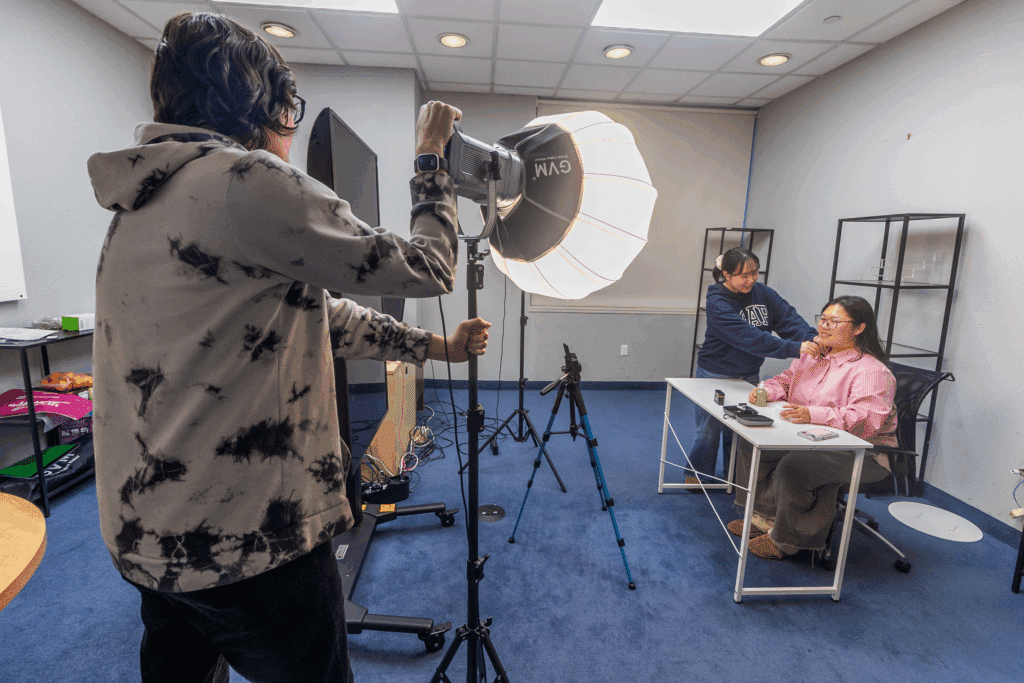
“If a creator has the passion, we have the tools,” Jay says. “We offer hands-on guidance across the entire workflow: understanding audience behavior through social listening, enhancing content quality, and even optimizing practical details like lighting and camera setup. We try to gamify the process so that they eventually reach that goal of being able to monetize their content.”
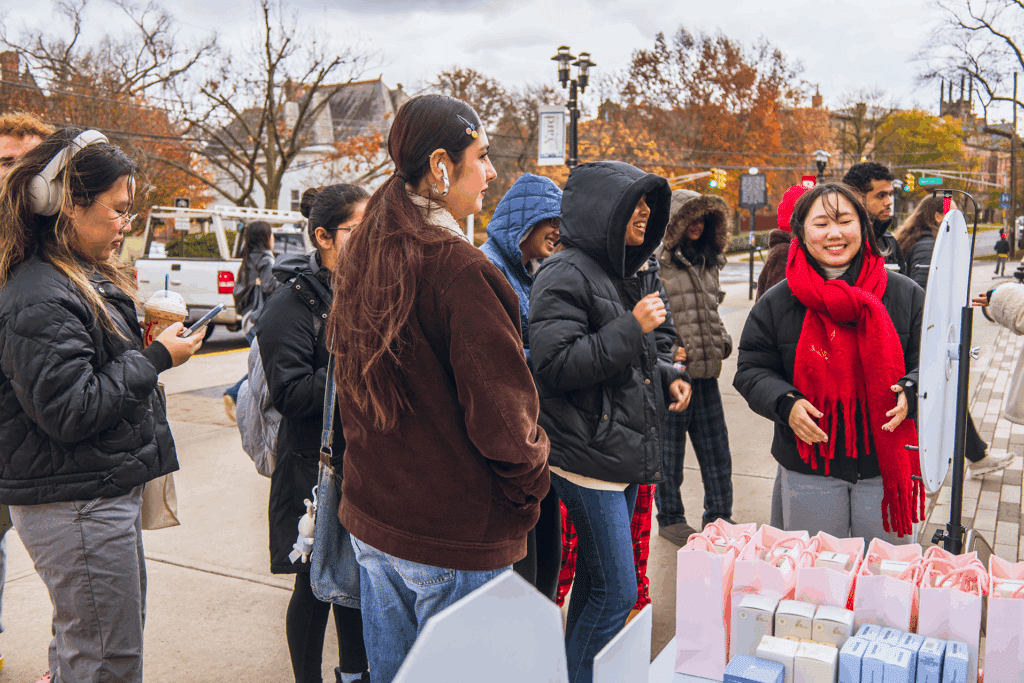
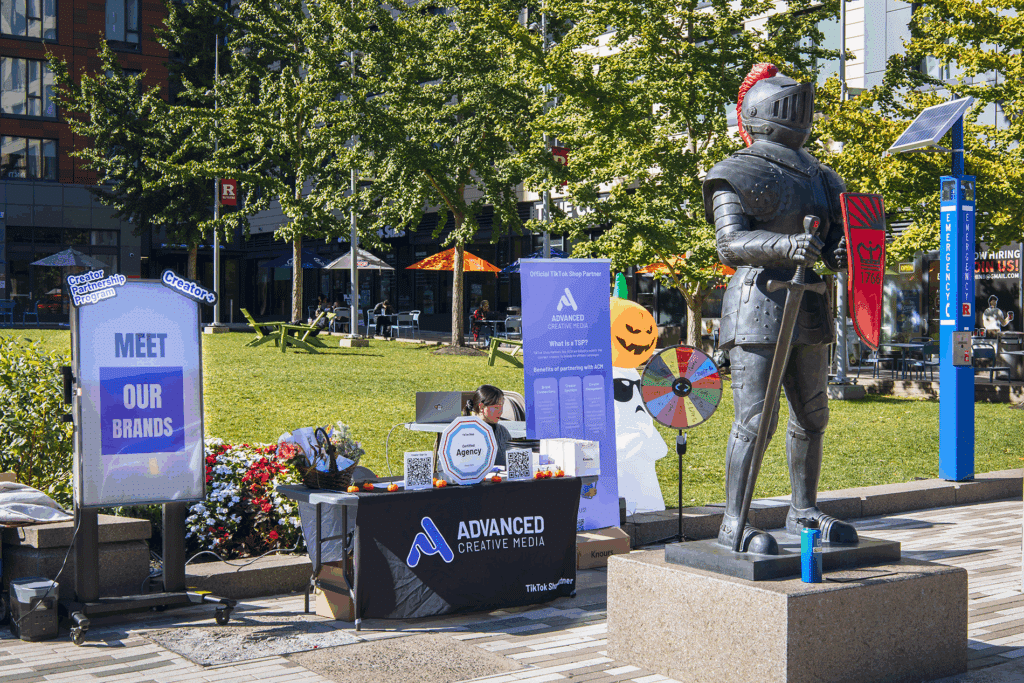
Rather than transactional outreach, ACM prioritizes in-person relationships. “I try to meet creators face-to-face, organize tabling sessions at universities, and really understand their pain points,” Jay says. “You can’t just send mass emails. There has to be a friendship formed.”
When it comes to the factors that differentiate top performers in social commerce, Jay highlights “creativity and diligence.”
“While creators are just born with the right instinct for content creation,” he says, “the ones who succeed really try to understand what brands need.”
He recalls a creator with strong followership but limited engagement: “She had about 600 base views and zero GMV (Gross Merchandise Value), yet she was asking for $3,000 per post. That’s not her fault. She just wasn’t informed. Creators grow faster when they understand what brands actually want. We provide clarity on both sides so creators and brands can make smarter decisions and scale together.”
What Brands Still Get Wrong
Jay sees a mirror-image problem on the brand side. “A lot of brands treat creators like salespeople,” he says. “That’s the wrong approach.”
He argues that creators bring long-term brand value through awareness, trust, and repurposable content, i.e., benefits that can’t be captured solely through short-term ROI (Return on Investment). “If a creator has a loyal following, you’re building authority through their credibility. That’s something brands overlook.”
Platform Challenges and What’s Working
Jay credits TikTok with creating the most complete infrastructure for agencies like ACM to operate within. But even the strongest platform, he notes, leaves room for improvement.
“It’s a nightmare getting hold of their technical team,” Jay admits. “We’ve had accounts closed with no explanation. Instead of just growing bigger, it would be nice if platforms focused more on the details.”
He hopes Instagram and YouTube will follow TikTok’s lead by integrating e-commerce features and third-party access. “That would open new doors for agencies like ours and many other upcoming businesses,” he says.
When it comes to what works on social platforms, Jay points to product storytelling. “It’s not about packaging or ingredients,” he says. “It’s about visuals that capture curiosity, like a rice mask that stretches between your hands, or jelly sticks that look fun to eat.”
A Vision of a Global Creator Marketplace
Jay believes both Asia and the U.S. have lessons to share: “In Asia, creator fees and brand demands are better aligned. In the U.S., the strength lies in the operational systems and data-driven tech that support large-scale creator campaigns.”
The two systems, he argues, are converging. “We can take the best from both markets and create something new.”
As 2026 approaches, Jay predicts steady growth, tempered by volatility.
“There’s an invisible war between platforms like Meta and newly emerging ones like TikTok,” he says. “We’re heavily invested in TikTok, so instability there definitely keeps me up at night.”
Still, he expects more brands to enter the creator economy. “The data shows nearly 20% annual growth,” he notes. “It’s exciting times, but we need to do our due diligence and learn to navigate through it.”
Jay also envisions building a new platform to close the communication gap between creators and brands. “I’m working with some major conglomerates in Korea to create a creator marketplace,” he reveals. “One with clear rules and enough information to bridge expectations on both sides.”
For Jay, that’s the culmination of decades spent between continents. “I want to take the best of what I’ve learned in Asia and the best of what I’ve learned in the U.S.,” he concludes, “and combine it to create something more innovative.”
Subscribe to Our Newsletter
Check Out Our Podcast